
Iranian Protester Erfan Soltani's Death Sentence Disputed Amidst Ongoing Unrest
In This Article
HIGHLIGHTS
- Erfan Soltani, a 26-year-old protester, was reportedly sentenced to death in Iran, but his execution has been postponed.
- Iran's judiciary later stated Soltani was not sentenced to death, but charged with security-related offenses.
- The internet blackout in Iran has hindered information flow, raising concerns about other similar cases.
- Human rights groups highlight the rapid sentencing of protesters and lack of due process.
- International figures, including Donald Trump, have condemned Iran's crackdown and threatened action.
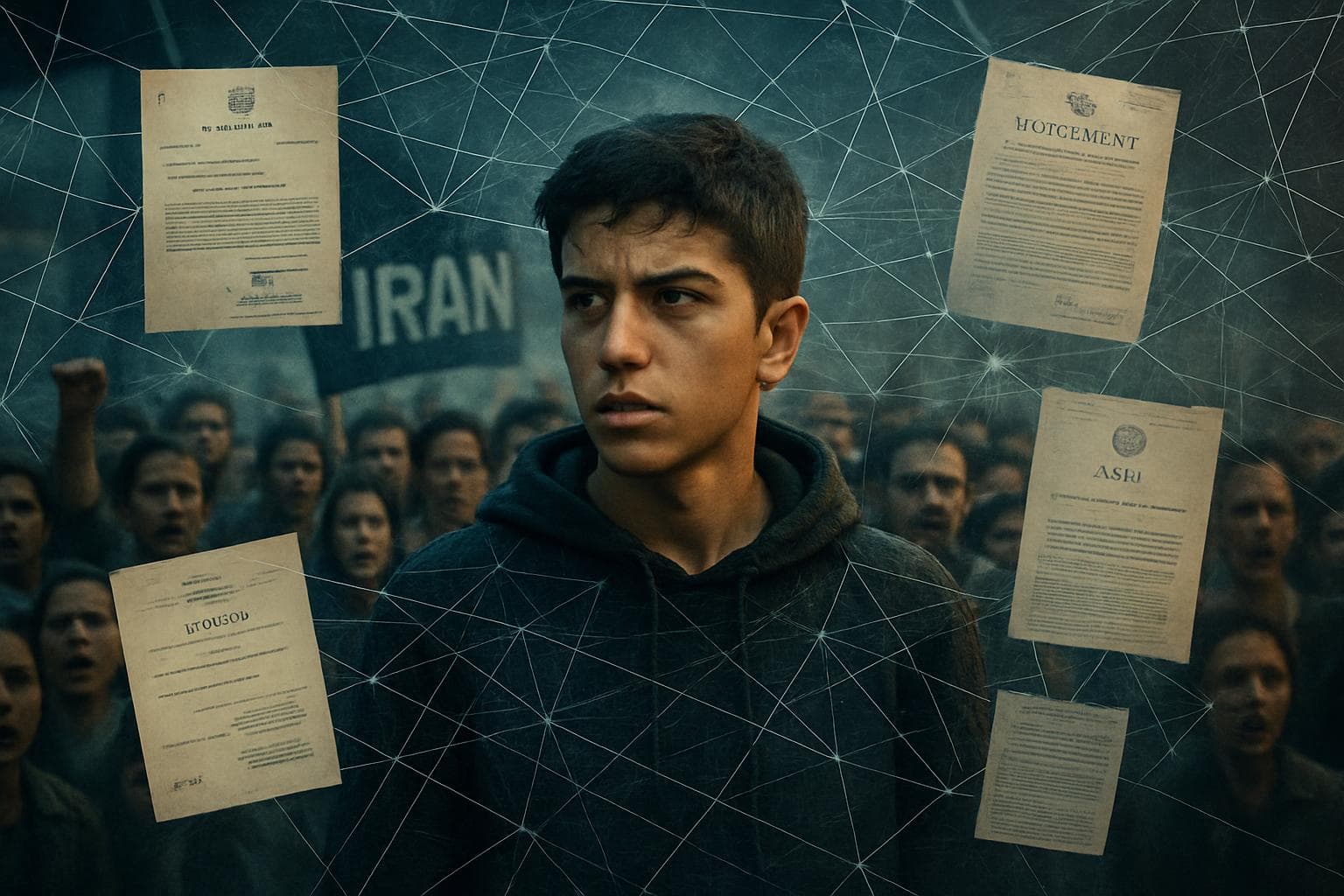
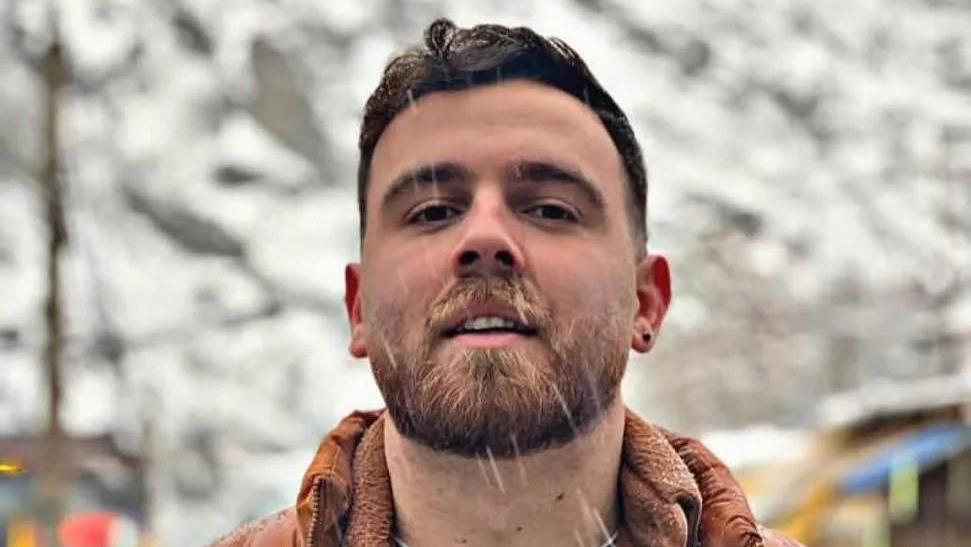
In a dramatic turn of events, the fate of Erfan Soltani, a 26-year-old Iranian protester, remains uncertain as conflicting reports emerge regarding his sentencing. Initially reported by human rights groups as having been sentenced to death, Soltani's execution was postponed, and Iran's judiciary later clarified that he had not received a death sentence.
Arrest and Charges
Soltani was arrested on January 10 in Karaj, northwest of Tehran, amidst widespread protests triggered by economic grievances and calls for political reform. According to state media, Soltani faces charges of "colluding against the country's internal security and propaganda activities against the regime," which do not warrant the death penalty if confirmed by a court.
Human Rights Concerns
The case has drawn international attention, with rights organizations expressing alarm over the swift judicial processes and lack of legal representation for protesters like Soltani. The Norway-based Hengaw Organization for Human Rights reported that Soltani was denied access to a lawyer, a common issue in Iran's handling of protest-related cases.
Impact of Internet Blackout
An internet blackout imposed by Iranian authorities has further complicated efforts to verify information and communicate with those affected. This digital curtain has raised fears that many more protesters could be facing similar fates without public knowledge.
International Reactions
The international community has reacted strongly, with former U.S. President Donald Trump condemning Iran's actions and threatening "very strong action" if executions proceed. Trump also noted assurances from "very important sources" that Iran's killing of protesters had ceased.
WHAT THIS MIGHT MEAN
The unfolding situation in Iran remains volatile, with potential for significant political and social repercussions. If the judiciary's statement holds true, Soltani's case may not result in execution, but the broader implications of rapid trials and harsh sentences could fuel further unrest. International pressure, particularly from Western nations, may influence Iran's approach to handling dissent, though the effectiveness of such interventions remains uncertain. As the protests continue, the Iranian government's response will be closely watched, both domestically and globally, for signs of either reform or further repression.
Images from the Web
Related Articles

UK Faces Dilemmas Amid Iran Conflict and China Spying Allegations
Intensified US-Israel Strikes on Iran Spark Global Outcry
Senate Blocks Resolution to Limit Trump's Military Actions in Iran

UK-Iran Tensions: Starmer Defends Cautious Approach Amid Trump Criticism
Spain's Sánchez Stands Firm Against Trump's Trade Threat Over Iran Stance
Diplomatic Tensions Rise as Trump Criticizes Starmer's Iran Policy
Iranian Protester Erfan Soltani's Death Sentence Disputed Amidst Ongoing Unrest
In This Article
 Sofia Romano| Published
 HIGHLIGHTS
- Erfan Soltani, a 26-year-old protester, was reportedly sentenced to death in Iran, but his execution has been postponed.
- Iran's judiciary later stated Soltani was not sentenced to death, but charged with security-related offenses.
- The internet blackout in Iran has hindered information flow, raising concerns about other similar cases.
- Human rights groups highlight the rapid sentencing of protesters and lack of due process.
- International figures, including Donald Trump, have condemned Iran's crackdown and threatened action.
In a dramatic turn of events, the fate of Erfan Soltani, a 26-year-old Iranian protester, remains uncertain as conflicting reports emerge regarding his sentencing. Initially reported by human rights groups as having been sentenced to death, Soltani's execution was postponed, and Iran's judiciary later clarified that he had not received a death sentence.
Arrest and Charges
Soltani was arrested on January 10 in Karaj, northwest of Tehran, amidst widespread protests triggered by economic grievances and calls for political reform. According to state media, Soltani faces charges of "colluding against the country's internal security and propaganda activities against the regime," which do not warrant the death penalty if confirmed by a court.
Human Rights Concerns
The case has drawn international attention, with rights organizations expressing alarm over the swift judicial processes and lack of legal representation for protesters like Soltani. The Norway-based Hengaw Organization for Human Rights reported that Soltani was denied access to a lawyer, a common issue in Iran's handling of protest-related cases.
Impact of Internet Blackout
An internet blackout imposed by Iranian authorities has further complicated efforts to verify information and communicate with those affected. This digital curtain has raised fears that many more protesters could be facing similar fates without public knowledge.
International Reactions
The international community has reacted strongly, with former U.S. President Donald Trump condemning Iran's actions and threatening "very strong action" if executions proceed. Trump also noted assurances from "very important sources" that Iran's killing of protesters had ceased.
WHAT THIS MIGHT MEAN
The unfolding situation in Iran remains volatile, with potential for significant political and social repercussions. If the judiciary's statement holds true, Soltani's case may not result in execution, but the broader implications of rapid trials and harsh sentences could fuel further unrest. International pressure, particularly from Western nations, may influence Iran's approach to handling dissent, though the effectiveness of such interventions remains uncertain. As the protests continue, the Iranian government's response will be closely watched, both domestically and globally, for signs of either reform or further repression.
Images from the Web
Related Articles
UK Faces Dilemmas Amid Iran Conflict and China Spying Allegations
Intensified US-Israel Strikes on Iran Spark Global Outcry
Senate Blocks Resolution to Limit Trump's Military Actions in Iran
UK-Iran Tensions: Starmer Defends Cautious Approach Amid Trump Criticism
Spain's Sánchez Stands Firm Against Trump's Trade Threat Over Iran Stance
Diplomatic Tensions Rise as Trump Criticizes Starmer's Iran Policy