
Israel's Recognition of Somaliland Sparks Diplomatic Controversy
In This Article
HIGHLIGHTS
- Israel has officially recognized Somaliland as an independent state, marking a significant diplomatic development.
- Somaliland's President Abdirahman Mohamed Abdullahi hailed the recognition as a "historic moment" and expressed intentions to join the Abraham Accords.
- Somalia, along with Egypt, Turkey, and Djibouti, condemned Israel's move, citing concerns over regional stability and sovereignty.
- The African Union and other nations warned that recognizing Somaliland could set a dangerous precedent under international law.
- Israel plans to establish full diplomatic ties with Somaliland, including opening embassies and appointing ambassadors.
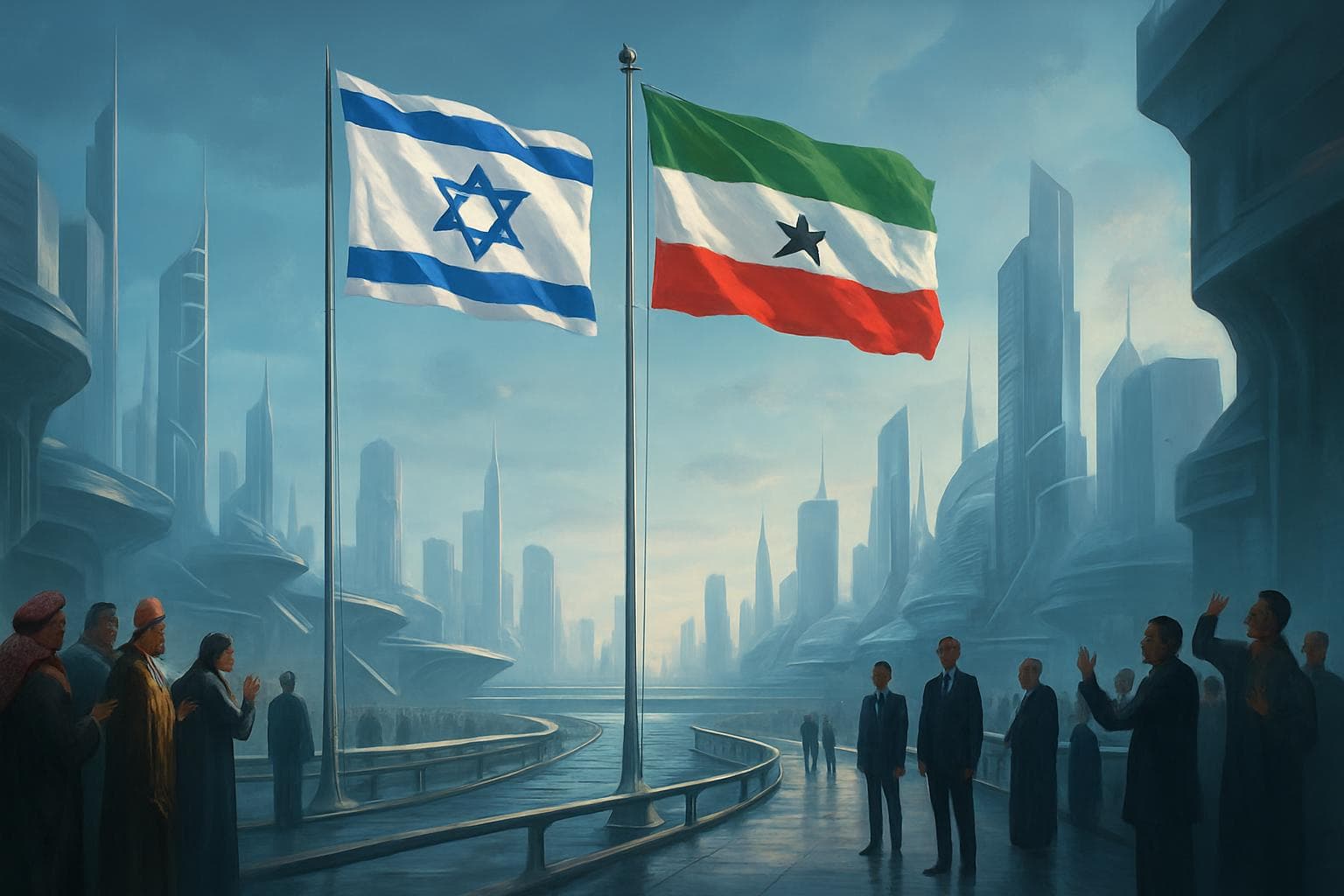
Israel has become the first nation to formally recognize Somaliland as an independent state, a move that has stirred significant diplomatic reactions across the region. Prime Minister Benjamin Netanyahu announced the decision, emphasizing Israel's intent to expand cooperation with Somaliland in agriculture, health, and technology. This recognition is seen as a pivotal moment for Somaliland, which declared independence from Somalia in 1991 but has struggled for international acknowledgment.
Diplomatic Ties and Regional Reactions
The Israeli Foreign Minister, Gideon Sa'ar, confirmed that Israel and Somaliland have agreed to establish full diplomatic relations, including the appointment of ambassadors and the opening of embassies. Somaliland's President, Abdirahman Mohamed Abdullahi, described the recognition as a "historic moment" and expressed a desire to join the Abraham Accords, aiming to foster regional peace and prosperity.
However, the decision has been met with strong opposition from Somalia and several other countries. Somalia's Prime Minister, Hamza Abdi Barre, condemned the move as a "deliberate attack" on Somalia's sovereignty. Egypt, Turkey, and Djibouti echoed these sentiments, warning that such recognition could undermine regional stability and create "parallel entities" to Somalia's state institutions.
International Law and Strategic Interests
The African Union (AU) has also voiced its disapproval, stating that Israel's recognition of Somaliland could set a dangerous precedent under international law. The AU emphasized the importance of maintaining Somalia's unity and territorial integrity. Meanwhile, Israeli analysts suggest that recognizing Somaliland could serve Israel's strategic interests, given its proximity to Yemen, where Israel has conducted military operations.
The move aligns with Israel's broader strategy to strengthen ties with countries in the Middle East and Africa, as demonstrated by the historic Abraham Accords signed in 2020. These accords have facilitated normalization agreements between Israel and several Arab states, including the United Arab Emirates and Morocco.
WHAT THIS MIGHT MEAN
The recognition of Somaliland by Israel could potentially encourage other nations to follow suit, thereby increasing Somaliland's diplomatic standing and access to international markets. However, this development may also exacerbate tensions in the Horn of Africa, particularly with Somalia and its allies. The international community will be closely watching how this decision impacts regional stability and the broader geopolitical landscape.
Experts suggest that the move could influence future diplomatic strategies, as countries weigh the benefits of recognizing breakaway regions against the risks of destabilizing existing state structures. The situation underscores the complex interplay between national sovereignty, international diplomacy, and regional security in an increasingly interconnected world.
Related Articles
US Ambassador's Biblical Land Remarks Spark Outcry from Arab Nations
Israeli Airstrikes in Lebanon's Bekaa Valley Leave 10 Dead Amid Rising Tensions
Hamas Leadership Vote Amidst Critical Crossroads for the Movement
Trump's Board of Peace Pledges $7 Billion for Gaza Amidst International Skepticism

Middle East Conflict Drives UK Energy Prices to New Highs

US and Israel Intensify Military Campaign as Iran's Capabilities Dwindle
Israel's Recognition of Somaliland Sparks Diplomatic Controversy
In This Article
 James Okoro| Published
 HIGHLIGHTS
- Israel has officially recognized Somaliland as an independent state, marking a significant diplomatic development.
- Somaliland's President Abdirahman Mohamed Abdullahi hailed the recognition as a "historic moment" and expressed intentions to join the Abraham Accords.
- Somalia, along with Egypt, Turkey, and Djibouti, condemned Israel's move, citing concerns over regional stability and sovereignty.
- The African Union and other nations warned that recognizing Somaliland could set a dangerous precedent under international law.
- Israel plans to establish full diplomatic ties with Somaliland, including opening embassies and appointing ambassadors.
Israel has become the first nation to formally recognize Somaliland as an independent state, a move that has stirred significant diplomatic reactions across the region. Prime Minister Benjamin Netanyahu announced the decision, emphasizing Israel's intent to expand cooperation with Somaliland in agriculture, health, and technology. This recognition is seen as a pivotal moment for Somaliland, which declared independence from Somalia in 1991 but has struggled for international acknowledgment.
Diplomatic Ties and Regional Reactions
The Israeli Foreign Minister, Gideon Sa'ar, confirmed that Israel and Somaliland have agreed to establish full diplomatic relations, including the appointment of ambassadors and the opening of embassies. Somaliland's President, Abdirahman Mohamed Abdullahi, described the recognition as a "historic moment" and expressed a desire to join the Abraham Accords, aiming to foster regional peace and prosperity.
However, the decision has been met with strong opposition from Somalia and several other countries. Somalia's Prime Minister, Hamza Abdi Barre, condemned the move as a "deliberate attack" on Somalia's sovereignty. Egypt, Turkey, and Djibouti echoed these sentiments, warning that such recognition could undermine regional stability and create "parallel entities" to Somalia's state institutions.
International Law and Strategic Interests
The African Union (AU) has also voiced its disapproval, stating that Israel's recognition of Somaliland could set a dangerous precedent under international law. The AU emphasized the importance of maintaining Somalia's unity and territorial integrity. Meanwhile, Israeli analysts suggest that recognizing Somaliland could serve Israel's strategic interests, given its proximity to Yemen, where Israel has conducted military operations.
The move aligns with Israel's broader strategy to strengthen ties with countries in the Middle East and Africa, as demonstrated by the historic Abraham Accords signed in 2020. These accords have facilitated normalization agreements between Israel and several Arab states, including the United Arab Emirates and Morocco.
WHAT THIS MIGHT MEAN
The recognition of Somaliland by Israel could potentially encourage other nations to follow suit, thereby increasing Somaliland's diplomatic standing and access to international markets. However, this development may also exacerbate tensions in the Horn of Africa, particularly with Somalia and its allies. The international community will be closely watching how this decision impacts regional stability and the broader geopolitical landscape.
Experts suggest that the move could influence future diplomatic strategies, as countries weigh the benefits of recognizing breakaway regions against the risks of destabilizing existing state structures. The situation underscores the complex interplay between national sovereignty, international diplomacy, and regional security in an increasingly interconnected world.
Related Articles
US Ambassador's Biblical Land Remarks Spark Outcry from Arab Nations
Israeli Airstrikes in Lebanon's Bekaa Valley Leave 10 Dead Amid Rising Tensions
Hamas Leadership Vote Amidst Critical Crossroads for the Movement
Trump's Board of Peace Pledges $7 Billion for Gaza Amidst International Skepticism
Middle East Conflict Drives UK Energy Prices to New Highs
US and Israel Intensify Military Campaign as Iran's Capabilities Dwindle