
Israel's Actions in Gaza Declared Genocide by Leading Scholars
In This Article
HIGHLIGHTS
- The International Association of Genocide Scholars (IAGS) has declared that Israel's actions in Gaza meet the legal definition of genocide.
- A resolution passed by IAGS highlights widespread attacks on civilians and infrastructure, including healthcare and educational facilities.
- The Israeli Foreign Ministry refutes the genocide claims, attributing them to "Hamas lies" and poor research.
- The UN's International Court of Justice is considering a case against Israel, with a decision expected by January 2026.
- The IAGS resolution follows the October 7, 2023, Hamas attack, which Israel cites as justification for its actions in Gaza.
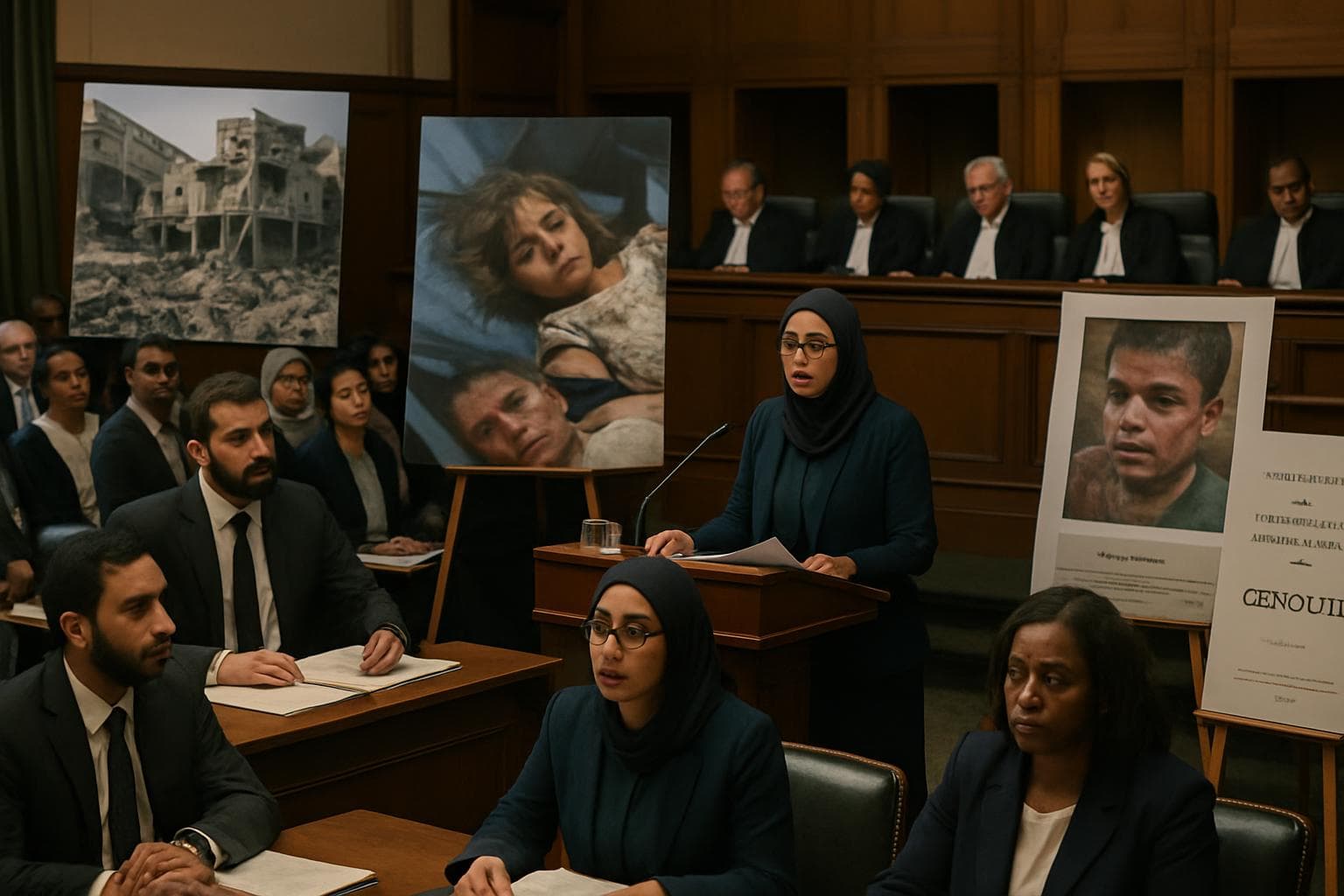
The International Association of Genocide Scholars (IAGS) has passed a resolution declaring that Israel's actions in Gaza meet the legal definition of genocide as outlined in the United Nations Genocide Convention. This resolution, supported by 86% of voting members, underscores a series of actions by Israel that the IAGS claims constitute genocide, war crimes, and crimes against humanity.
Resolution Details and Implications
The resolution, spanning three pages, details the systematic attacks on Gaza's civilian population and infrastructure, including healthcare, aid, and educational sectors. Notably, it highlights the deaths and injuries of 50,000 children, as reported by UNICEF, and the near-total demolition of housing in the territory. The IAGS also points to statements by Israeli leaders advocating for the expulsion of Palestinians and dehumanizing rhetoric against Gaza's population.
Melanie O’Brien, IAGS president and a professor of international law, described the resolution as a definitive statement from experts in genocide studies. The IAGS, founded in 1994, includes a diverse membership of academics and human rights activists and has previously identified other historical genocides.
Israeli Response and Legal Proceedings
The Israeli Foreign Ministry has dismissed the resolution, calling it an "embarrassment to the legal profession" and attributing it to misinformation from Hamas. Israel maintains that its actions are self-defense measures in response to the October 7, 2023, Hamas attack, which resulted in the deaths of approximately 1,200 people and the capture of 251 hostages.
The International Court of Justice (ICJ) is currently examining a case brought by South Africa, accusing Israel of genocide. The ICJ has extended Israel's deadline to present its defense until January 2026. Meanwhile, the International Criminal Court (ICC) has issued arrest warrants for Israeli Prime Minister Benjamin Netanyahu and former Defense Minister Yoav Gallant, although the warrant for Hamas military chief Mohammed Deif was withdrawn following his death.
WHAT THIS MIGHT MEAN
As the International Court of Justice deliberates on the genocide case against Israel, the outcome could have significant legal and political ramifications. A ruling against Israel may lead to increased international pressure and potential sanctions, further complicating the geopolitical landscape in the Middle East. Conversely, a decision in Israel's favor could bolster its stance on self-defense and impact future international legal interpretations of genocide.
Experts suggest that the ongoing conflict and legal proceedings may influence global human rights policies and the enforcement of international law. The situation underscores the complex interplay between national security, international law, and human rights, with potential implications for future conflicts worldwide.
Related Articles
Israeli Airstrikes in Lebanon's Bekaa Valley Leave 10 Dead Amid Rising Tensions
Hamas Leadership Vote Amidst Critical Crossroads for the Movement
Trump's Board of Peace Pledges $7 Billion for Gaza Amidst International Skepticism

US Ambassador's Biblical Land Remarks Spark Outcry from Arab Nations

Middle East Conflict Drives UK Energy Prices to New Highs

US and Israel Intensify Military Campaign as Iran's Capabilities Dwindle
Israel's Actions in Gaza Declared Genocide by Leading Scholars
In This Article
 James Okoro| Published
 HIGHLIGHTS
- The International Association of Genocide Scholars (IAGS) has declared that Israel's actions in Gaza meet the legal definition of genocide.
- A resolution passed by IAGS highlights widespread attacks on civilians and infrastructure, including healthcare and educational facilities.
- The Israeli Foreign Ministry refutes the genocide claims, attributing them to "Hamas lies" and poor research.
- The UN's International Court of Justice is considering a case against Israel, with a decision expected by January 2026.
- The IAGS resolution follows the October 7, 2023, Hamas attack, which Israel cites as justification for its actions in Gaza.
The International Association of Genocide Scholars (IAGS) has passed a resolution declaring that Israel's actions in Gaza meet the legal definition of genocide as outlined in the United Nations Genocide Convention. This resolution, supported by 86% of voting members, underscores a series of actions by Israel that the IAGS claims constitute genocide, war crimes, and crimes against humanity.
Resolution Details and Implications
The resolution, spanning three pages, details the systematic attacks on Gaza's civilian population and infrastructure, including healthcare, aid, and educational sectors. Notably, it highlights the deaths and injuries of 50,000 children, as reported by UNICEF, and the near-total demolition of housing in the territory. The IAGS also points to statements by Israeli leaders advocating for the expulsion of Palestinians and dehumanizing rhetoric against Gaza's population.
Melanie O’Brien, IAGS president and a professor of international law, described the resolution as a definitive statement from experts in genocide studies. The IAGS, founded in 1994, includes a diverse membership of academics and human rights activists and has previously identified other historical genocides.
Israeli Response and Legal Proceedings
The Israeli Foreign Ministry has dismissed the resolution, calling it an "embarrassment to the legal profession" and attributing it to misinformation from Hamas. Israel maintains that its actions are self-defense measures in response to the October 7, 2023, Hamas attack, which resulted in the deaths of approximately 1,200 people and the capture of 251 hostages.
The International Court of Justice (ICJ) is currently examining a case brought by South Africa, accusing Israel of genocide. The ICJ has extended Israel's deadline to present its defense until January 2026. Meanwhile, the International Criminal Court (ICC) has issued arrest warrants for Israeli Prime Minister Benjamin Netanyahu and former Defense Minister Yoav Gallant, although the warrant for Hamas military chief Mohammed Deif was withdrawn following his death.
WHAT THIS MIGHT MEAN
As the International Court of Justice deliberates on the genocide case against Israel, the outcome could have significant legal and political ramifications. A ruling against Israel may lead to increased international pressure and potential sanctions, further complicating the geopolitical landscape in the Middle East. Conversely, a decision in Israel's favor could bolster its stance on self-defense and impact future international legal interpretations of genocide.
Experts suggest that the ongoing conflict and legal proceedings may influence global human rights policies and the enforcement of international law. The situation underscores the complex interplay between national security, international law, and human rights, with potential implications for future conflicts worldwide.
Related Articles
Israeli Airstrikes in Lebanon's Bekaa Valley Leave 10 Dead Amid Rising Tensions
Hamas Leadership Vote Amidst Critical Crossroads for the Movement
Trump's Board of Peace Pledges $7 Billion for Gaza Amidst International Skepticism
US Ambassador's Biblical Land Remarks Spark Outcry from Arab Nations
Middle East Conflict Drives UK Energy Prices to New Highs
US and Israel Intensify Military Campaign as Iran's Capabilities Dwindle