
Kanye West Denied Entry to Australia Over Controversial Song
In This Article
HIGHLIGHTS
- Kanye West, also known as Ye, has been barred from entering Australia due to his controversial song "Heil Hitler."
- Australia's Home Affairs Minister Tony Burke confirmed the visa cancellation, citing the song's glorification of Adolf Hitler.
- The song, part of West's album "WW3," has been banned on major platforms like Spotify and YouTube.
- West's wife, Bianca Censori, is Australian, and he has visited the country frequently in the past.
- The Australian government emphasizes its commitment to preventing the importation of hate speech and bigotry.
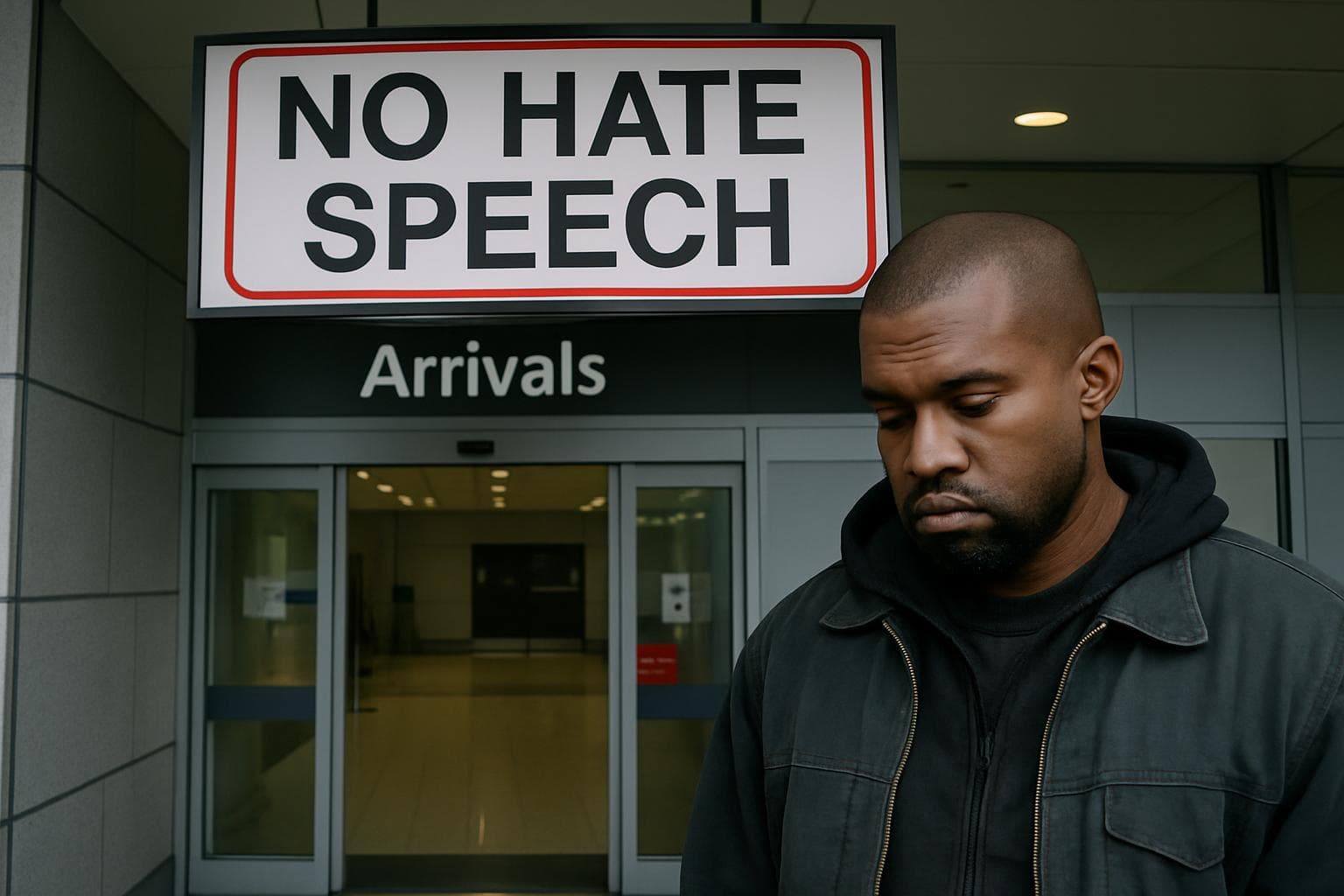
American rapper Kanye West, who now goes by the name Ye, has been denied entry into Australia following the release of his contentious song "Heil Hitler." The decision was confirmed by Australia's Home Affairs Minister, Tony Burke, who cited the song's glorification of Nazi leader Adolf Hitler as the primary reason for the visa cancellation.
Visa Cancellation and Government Stance
The visa revocation was disclosed during an interview with the Australian Broadcasting Corporation, where Minister Burke discussed the broader implications of allowing individuals who promote hate speech into the country. "If someone argued that anti-Semitism was rational, I would not let them come here," Burke stated, emphasizing Australia's stance against importing bigotry. The minister also noted that while West has visited Australia frequently, the release of "Heil Hitler" prompted a reassessment of his visa status.
Controversial Song and Public Reaction
Released in early May, "Heil Hitler" is part of West's album "WW3" and has been widely condemned for its offensive content. The song and its accompanying music video, which features men in animal skins chanting the title, have been banned on platforms such as Spotify, Apple Music, and YouTube. Despite the backlash, the song garnered millions of views shortly after its release. In response to the criticism, West released a revised version titled "Hallelujah," replacing references to Nazism with Christian themes.
Past Controversies and Legal Context
West's history of anti-Semitic remarks has led to significant professional repercussions, including the termination of his partnership with Adidas in 2022. The Australian government, under the Migration Act, requires all non-citizens to meet specific character requirements, and West's recent actions have evidently failed to satisfy these criteria. A spokesperson for the Home Affairs Department reiterated the government's commitment to protecting the community from individuals who engage in behavior of concern.
WHAT THIS MIGHT MEAN
The decision to bar Kanye West from entering Australia underscores the country's firm stance on preventing the spread of hate speech. As West continues to face backlash for his controversial lyrics, it remains uncertain whether he will attempt to appeal the visa decision or modify his public persona to align with international standards. The situation also highlights the broader implications for artists whose work crosses into contentious political or social territories, potentially influencing future immigration policies and public discourse on free speech versus hate speech.
Related Articles

Anna Murdoch-Mann: Influential Figure in Media and Philanthropy Dies at 81

BBC Faces Major Budget Cuts Amid Declining Licence Fee Income
Prince Andrew's Arrest Raises Questions About Royal Succession and Monarchy's Future
New UK Entry Rules for Dual Nationals Spark Outcry
Angus Taylor Challenges Sussan Ley for Leadership of Australia's Liberal Party

Canada and Australia Forge Strategic Partnership Amid Global Uncertainty
Kanye West Denied Entry to Australia Over Controversial Song
In This Article
 Ethan Brooks| Published
 HIGHLIGHTS
- Kanye West, also known as Ye, has been barred from entering Australia due to his controversial song "Heil Hitler."
- Australia's Home Affairs Minister Tony Burke confirmed the visa cancellation, citing the song's glorification of Adolf Hitler.
- The song, part of West's album "WW3," has been banned on major platforms like Spotify and YouTube.
- West's wife, Bianca Censori, is Australian, and he has visited the country frequently in the past.
- The Australian government emphasizes its commitment to preventing the importation of hate speech and bigotry.
American rapper Kanye West, who now goes by the name Ye, has been denied entry into Australia following the release of his contentious song "Heil Hitler." The decision was confirmed by Australia's Home Affairs Minister, Tony Burke, who cited the song's glorification of Nazi leader Adolf Hitler as the primary reason for the visa cancellation.
Visa Cancellation and Government Stance
The visa revocation was disclosed during an interview with the Australian Broadcasting Corporation, where Minister Burke discussed the broader implications of allowing individuals who promote hate speech into the country. "If someone argued that anti-Semitism was rational, I would not let them come here," Burke stated, emphasizing Australia's stance against importing bigotry. The minister also noted that while West has visited Australia frequently, the release of "Heil Hitler" prompted a reassessment of his visa status.
Controversial Song and Public Reaction
Released in early May, "Heil Hitler" is part of West's album "WW3" and has been widely condemned for its offensive content. The song and its accompanying music video, which features men in animal skins chanting the title, have been banned on platforms such as Spotify, Apple Music, and YouTube. Despite the backlash, the song garnered millions of views shortly after its release. In response to the criticism, West released a revised version titled "Hallelujah," replacing references to Nazism with Christian themes.
Past Controversies and Legal Context
West's history of anti-Semitic remarks has led to significant professional repercussions, including the termination of his partnership with Adidas in 2022. The Australian government, under the Migration Act, requires all non-citizens to meet specific character requirements, and West's recent actions have evidently failed to satisfy these criteria. A spokesperson for the Home Affairs Department reiterated the government's commitment to protecting the community from individuals who engage in behavior of concern.
WHAT THIS MIGHT MEAN
The decision to bar Kanye West from entering Australia underscores the country's firm stance on preventing the spread of hate speech. As West continues to face backlash for his controversial lyrics, it remains uncertain whether he will attempt to appeal the visa decision or modify his public persona to align with international standards. The situation also highlights the broader implications for artists whose work crosses into contentious political or social territories, potentially influencing future immigration policies and public discourse on free speech versus hate speech.
Related Articles
Anna Murdoch-Mann: Influential Figure in Media and Philanthropy Dies at 81
BBC Faces Major Budget Cuts Amid Declining Licence Fee Income
Prince Andrew's Arrest Raises Questions About Royal Succession and Monarchy's Future
New UK Entry Rules for Dual Nationals Spark Outcry
Angus Taylor Challenges Sussan Ley for Leadership of Australia's Liberal Party
Canada and Australia Forge Strategic Partnership Amid Global Uncertainty