
Kathleen Folbigg's $2m Compensation Sparks Outrage After Two Decades of Wrongful Imprisonment
In This Article
HIGHLIGHTS
- Kathleen Folbigg, wrongfully imprisoned for 20 years, was offered A$2m in compensation, which her lawyer deems "profoundly unfair."
- Folbigg was convicted in 2003 for the deaths of her four children but was exonerated in 2023 after new evidence suggested genetic mutations as the cause.
- Legal experts and politicians argue the compensation is inadequate, with comparisons to other cases suggesting a higher payout is warranted.
- NSW Premier Chris Minns has invited Folbigg to sue the government if she seeks more than the offered amount.
- Calls for an inquiry into the compensation decision are growing, with bipartisan support for a review of the payout process.
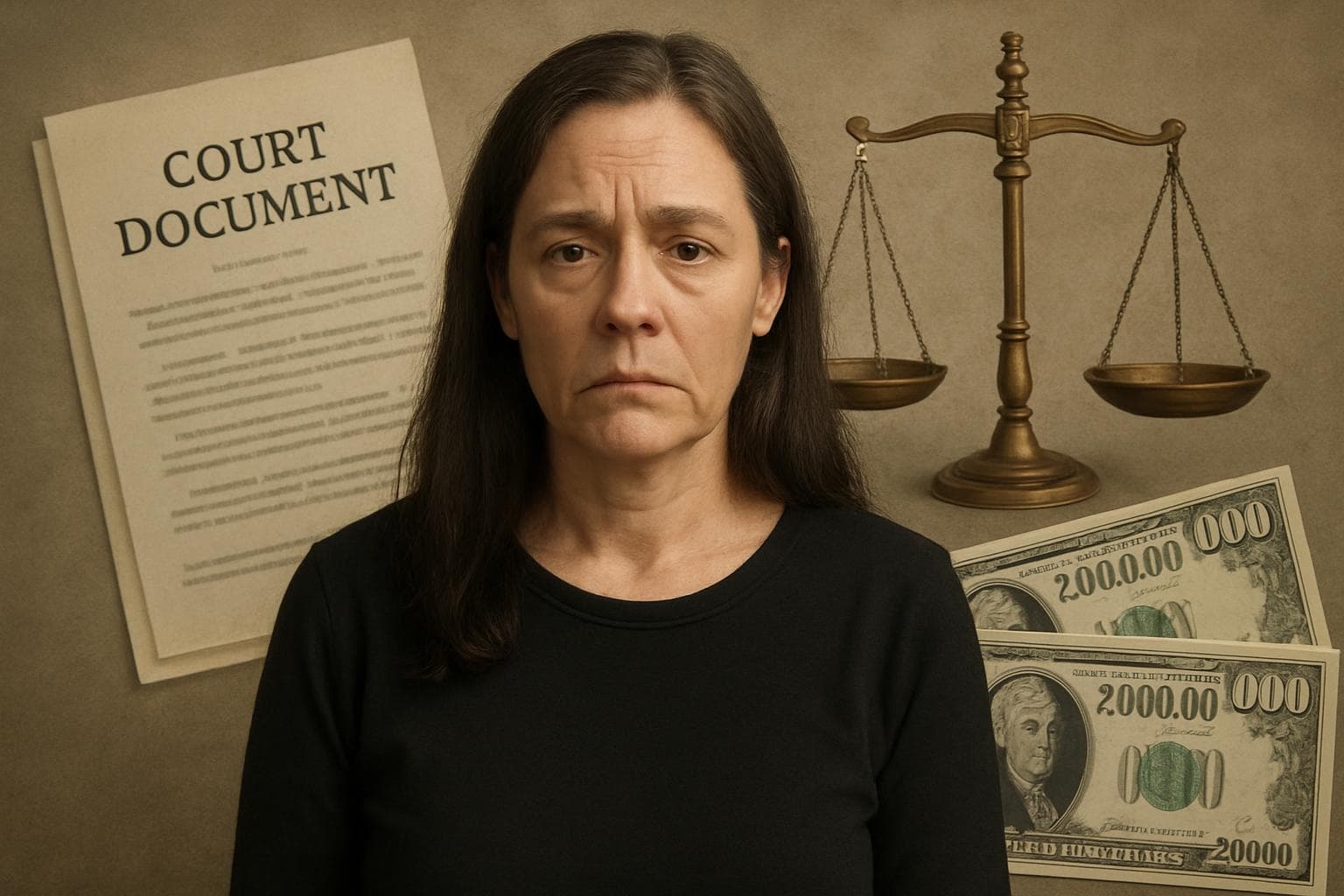
Kathleen Folbigg, once labeled as one of Australia's most notorious criminals, has been offered A$2 million in compensation after spending 20 years in prison for the deaths of her four children—a conviction that was overturned in 2023. The compensation offer has been met with widespread criticism, with many calling it a "moral affront" given the gravity of her wrongful conviction.
Background and Legal Context
In 2003, Folbigg was convicted of the suffocation murders of three of her children and the manslaughter of a fourth, based largely on circumstantial evidence, including her personal diaries. However, a landmark inquiry in 2023 revealed that her children might have died from natural causes due to rare genetic mutations, leading to her exoneration and release.
Compensation Controversy
The New South Wales government’s decision to offer A$2 million in compensation has been criticized as inadequate. Folbigg's lawyer, Rhanee Rego, described the sum as "woefully inadequate and ethically indefensible," highlighting the severe impact of the wrongful conviction on Folbigg's life. Comparisons have been drawn to other cases, such as Lindy Chamberlain, who received A$1.5 million for three years of wrongful imprisonment, and David Eastman, who was awarded A$7 million after 19 years in prison.
Political and Public Reaction
The compensation offer has sparked calls for a formal inquiry into the decision-making process. Greens MP Sue Higginson and Nationals MP Wes Fang have both advocated for a review, emphasizing the need for justice and fair compensation. NSW Premier Chris Minns has suggested that Folbigg is free to pursue legal action if she seeks a higher payout, citing budget constraints as a reason for the current offer.
Expert Opinions and Future Implications
Legal experts argue that fair compensation should align with past awards for wrongful convictions, allowing Folbigg to live comfortably after her ordeal. Emma Cunliffe, a lawyer who initially argued for Folbigg's innocence, stated that the current offer fails to provide the necessary resources for her future well-being.
WHAT THIS MIGHT MEAN
The controversy surrounding Kathleen Folbigg's compensation is likely to intensify, with potential legal action against the New South Wales government on the horizon. If Folbigg decides to sue, it could set a precedent for future compensation cases involving wrongful convictions in Australia. Additionally, a formal inquiry into the compensation decision could lead to broader reforms in how such cases are handled, ensuring that justice is served not only in the courtroom but also in the aftermath of exoneration. As public and political pressure mounts, the NSW government may be compelled to reassess its stance, potentially increasing the compensation offer to better reflect the severity of Folbigg's wrongful imprisonment.
Related Articles
Prince Andrew's Arrest Raises Questions About Royal Succession and Monarchy's Future
Israeli President Herzog's Visit to Australia Sparks Controversy Amid Calls for Unity
Sydney Police Under Scrutiny Following Violent Anti-Herzog Protest
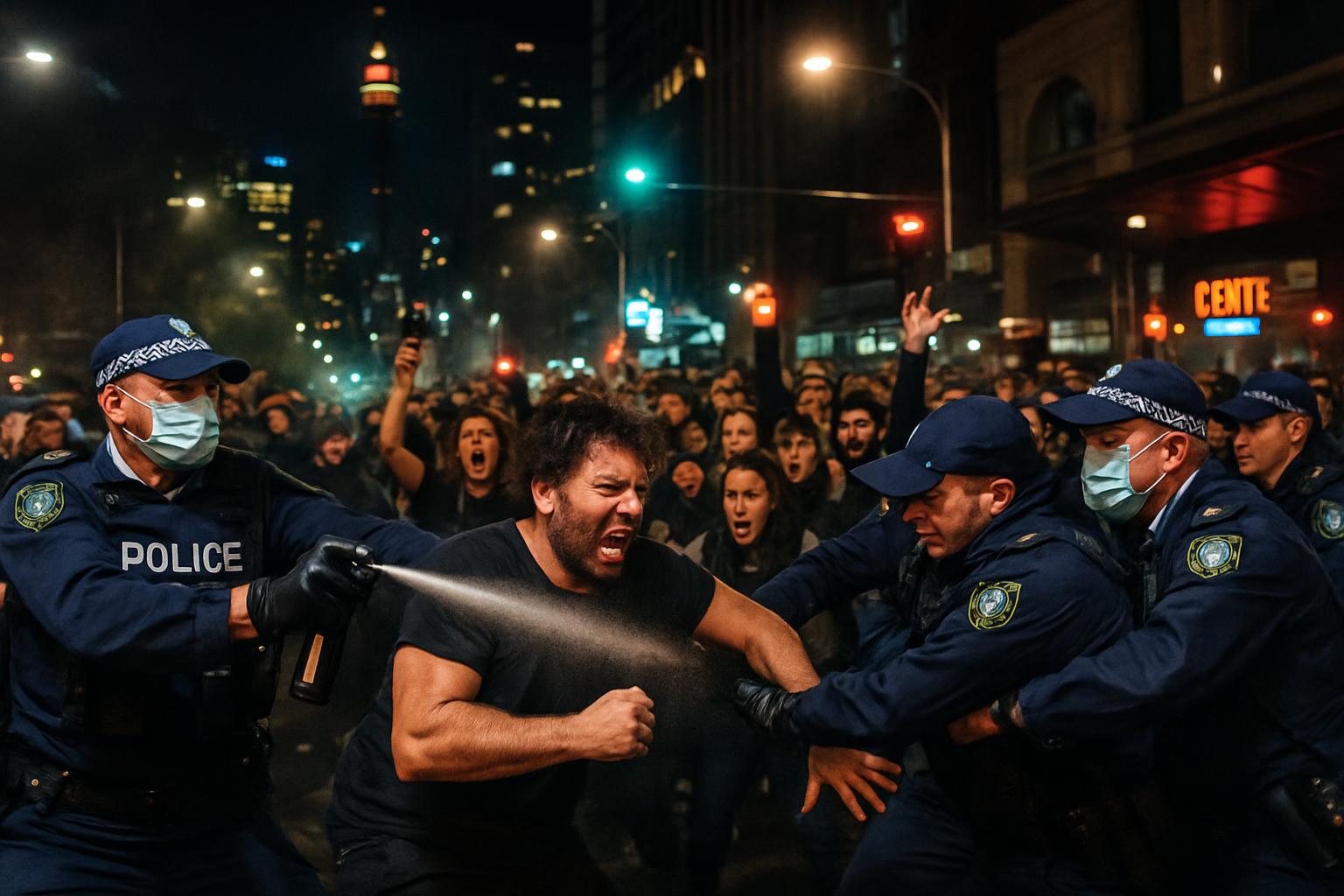
Tensions Rise as Sydney Protests Against Israeli President's Visit Turn Violent

Canada and Australia Forge Strategic Partnership Amid Global Uncertainty
Canada Calls for De-escalation Amid US-Israel Strikes on Iran
Kathleen Folbigg's $2m Compensation Sparks Outrage After Two Decades of Wrongful Imprisonment
In This Article
 Sofia Romano| Published
 HIGHLIGHTS
- Kathleen Folbigg, wrongfully imprisoned for 20 years, was offered A$2m in compensation, which her lawyer deems "profoundly unfair."
- Folbigg was convicted in 2003 for the deaths of her four children but was exonerated in 2023 after new evidence suggested genetic mutations as the cause.
- Legal experts and politicians argue the compensation is inadequate, with comparisons to other cases suggesting a higher payout is warranted.
- NSW Premier Chris Minns has invited Folbigg to sue the government if she seeks more than the offered amount.
- Calls for an inquiry into the compensation decision are growing, with bipartisan support for a review of the payout process.
Kathleen Folbigg, once labeled as one of Australia's most notorious criminals, has been offered A$2 million in compensation after spending 20 years in prison for the deaths of her four children—a conviction that was overturned in 2023. The compensation offer has been met with widespread criticism, with many calling it a "moral affront" given the gravity of her wrongful conviction.
Background and Legal Context
In 2003, Folbigg was convicted of the suffocation murders of three of her children and the manslaughter of a fourth, based largely on circumstantial evidence, including her personal diaries. However, a landmark inquiry in 2023 revealed that her children might have died from natural causes due to rare genetic mutations, leading to her exoneration and release.
Compensation Controversy
The New South Wales government’s decision to offer A$2 million in compensation has been criticized as inadequate. Folbigg's lawyer, Rhanee Rego, described the sum as "woefully inadequate and ethically indefensible," highlighting the severe impact of the wrongful conviction on Folbigg's life. Comparisons have been drawn to other cases, such as Lindy Chamberlain, who received A$1.5 million for three years of wrongful imprisonment, and David Eastman, who was awarded A$7 million after 19 years in prison.
Political and Public Reaction
The compensation offer has sparked calls for a formal inquiry into the decision-making process. Greens MP Sue Higginson and Nationals MP Wes Fang have both advocated for a review, emphasizing the need for justice and fair compensation. NSW Premier Chris Minns has suggested that Folbigg is free to pursue legal action if she seeks a higher payout, citing budget constraints as a reason for the current offer.
Expert Opinions and Future Implications
Legal experts argue that fair compensation should align with past awards for wrongful convictions, allowing Folbigg to live comfortably after her ordeal. Emma Cunliffe, a lawyer who initially argued for Folbigg's innocence, stated that the current offer fails to provide the necessary resources for her future well-being.
WHAT THIS MIGHT MEAN
The controversy surrounding Kathleen Folbigg's compensation is likely to intensify, with potential legal action against the New South Wales government on the horizon. If Folbigg decides to sue, it could set a precedent for future compensation cases involving wrongful convictions in Australia. Additionally, a formal inquiry into the compensation decision could lead to broader reforms in how such cases are handled, ensuring that justice is served not only in the courtroom but also in the aftermath of exoneration. As public and political pressure mounts, the NSW government may be compelled to reassess its stance, potentially increasing the compensation offer to better reflect the severity of Folbigg's wrongful imprisonment.
Related Articles
Prince Andrew's Arrest Raises Questions About Royal Succession and Monarchy's Future
Israeli President Herzog's Visit to Australia Sparks Controversy Amid Calls for Unity
Sydney Police Under Scrutiny Following Violent Anti-Herzog Protest
Tensions Rise as Sydney Protests Against Israeli President's Visit Turn Violent
Canada and Australia Forge Strategic Partnership Amid Global Uncertainty
Canada Calls for De-escalation Amid US-Israel Strikes on Iran