
Keir Starmer's China Visit: Balancing Economic Opportunities and Diplomatic Challenges
In This Article
HIGHLIGHTS
- UK Prime Minister Keir Starmer is visiting China to explore economic opportunities, marking the first such visit by a British leader since 2018.
- Starmer emphasizes maintaining strong ties with the US while engaging with China, amid rising global trade tensions.
- UK exports to China have increased by 6.4% between mid-2024 and 2025, with significant growth in high-tech and service sectors.
- Human rights issues, including the treatment of Hong Kong's Jimmy Lai, are expected to be discussed during Starmer's visit.
- Analysts express skepticism about the potential for significant trade deals, citing limited economic gains and diplomatic challenges.
UK Prime Minister Keir Starmer is set to visit China, marking the first visit by a British leader to Beijing in eight years. This trip aims to explore economic opportunities for British businesses while navigating the complex diplomatic landscape between China, the UK, and the US. Starmer's visit comes amid a backdrop of rising global trade tensions and a renewed focus on UK-China relations.
Economic Opportunities and Diplomatic Tightrope
Starmer's visit is accompanied by a delegation of British business leaders, highlighting the potential for economic collaboration. UK exports to China have shown signs of recovery, increasing by 6.4% to £22.6 billion between mid-2024 and 2025. This growth is driven by sectors such as high-tech generators, pharmaceuticals, and services, including finance and technology. Despite these promising figures, the trade relationship remains heavily tilted in China's favor.
In an interview with Bloomberg, Starmer emphasized the importance of engaging with China without compromising national security or the UK's strong ties with the US. "Sticking your head in the sand and ignoring China... wouldn't be sensible," he stated, underscoring the need for a balanced approach.
Human Rights and Strategic Concerns
While economic discussions are at the forefront, human rights issues are also expected to be addressed. Starmer has indicated that he will raise concerns about the treatment of Jimmy Lai, a Hong Kong pro-democracy media tycoon and UK citizen facing a life sentence. The UK has consistently criticized China's human rights record, particularly regarding the Uyghur population in Xinjiang.
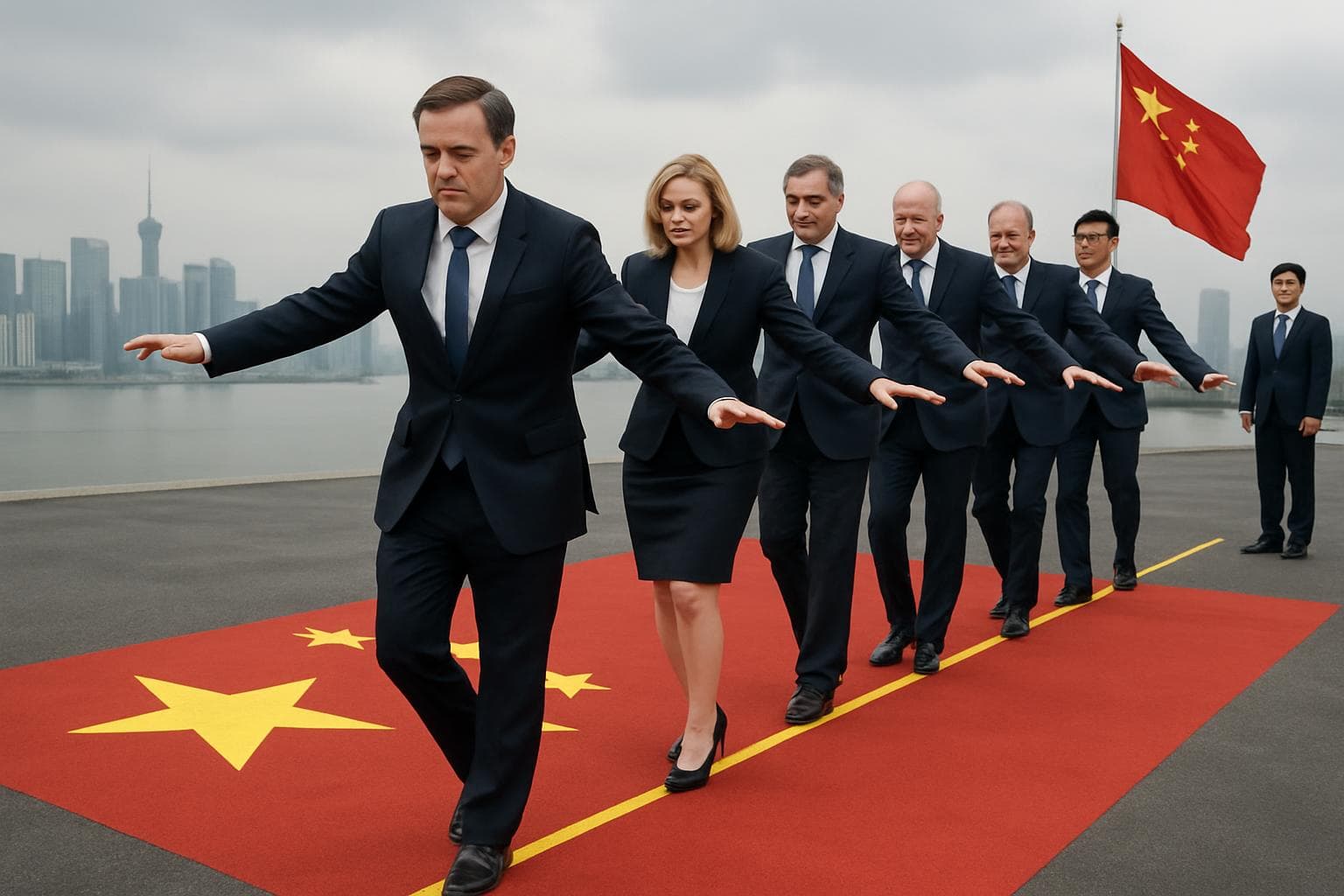
Sir Jeremy Hunt, a former foreign secretary, acknowledged the diplomatic challenges Starmer faces, noting the strategic goal of China to "prize apart" the UK-US relationship. "There is a real diplomatic tightrope that Keir Starmer has to walk here," Hunt remarked.
Skepticism and Limited Expectations
Despite the potential for economic collaboration, analysts remain skeptical about the likelihood of significant trade deals emerging from the visit. Sam Goodman of the China Strategic Risks Institute described the expectations for the trip as having a "very low bar," with potential outcomes limited to memorandums of understanding in financial services.
Andrew Small, a former European Commission adviser, echoed this sentiment, highlighting the limited economic gains in an overheated Chinese economy. "There are very marginal gains to be made in a few areas," Small noted, emphasizing the need for realistic expectations.
WHAT THIS MIGHT MEAN
As Keir Starmer embarks on his visit to China, the outcomes could shape the future of UK-China relations. While economic opportunities are a key focus, the diplomatic challenges and human rights concerns cannot be overlooked. The visit may lead to incremental progress in trade relations, but significant breakthroughs appear unlikely given the current geopolitical climate.
The UK's approach to balancing relations with both China and the US will be closely watched, as it navigates the complexities of global diplomacy. Should Starmer successfully address human rights issues while fostering economic ties, it could set a precedent for future engagements with China. However, the potential for diplomatic missteps remains, underscoring the delicate nature of this high-stakes visit.
Related Articles
China Sets Lowest GDP Growth Target in Decades Amid Economic Challenges

UK Faces Dilemmas Amid Iran Conflict and China Spying Allegations
Trump's New Tariff Strategy Sparks Global Trade Uncertainty

Labour MP's Husband Arrested in UK-China Espionage Probe

Breakthrough Drug Offers Hope for Children with Severe Epilepsy

Cuba Faces Widespread Blackout Amid Deepening Fuel Crisis
Keir Starmer's China Visit: Balancing Economic Opportunities and Diplomatic Challenges
In This Article
 Daniel Rivera| Published
 HIGHLIGHTS
- UK Prime Minister Keir Starmer is visiting China to explore economic opportunities, marking the first such visit by a British leader since 2018.
- Starmer emphasizes maintaining strong ties with the US while engaging with China, amid rising global trade tensions.
- UK exports to China have increased by 6.4% between mid-2024 and 2025, with significant growth in high-tech and service sectors.
- Human rights issues, including the treatment of Hong Kong's Jimmy Lai, are expected to be discussed during Starmer's visit.
- Analysts express skepticism about the potential for significant trade deals, citing limited economic gains and diplomatic challenges.
UK Prime Minister Keir Starmer is set to visit China, marking the first visit by a British leader to Beijing in eight years. This trip aims to explore economic opportunities for British businesses while navigating the complex diplomatic landscape between China, the UK, and the US. Starmer's visit comes amid a backdrop of rising global trade tensions and a renewed focus on UK-China relations.
Economic Opportunities and Diplomatic Tightrope
Starmer's visit is accompanied by a delegation of British business leaders, highlighting the potential for economic collaboration. UK exports to China have shown signs of recovery, increasing by 6.4% to £22.6 billion between mid-2024 and 2025. This growth is driven by sectors such as high-tech generators, pharmaceuticals, and services, including finance and technology. Despite these promising figures, the trade relationship remains heavily tilted in China's favor.
In an interview with Bloomberg, Starmer emphasized the importance of engaging with China without compromising national security or the UK's strong ties with the US. "Sticking your head in the sand and ignoring China... wouldn't be sensible," he stated, underscoring the need for a balanced approach.
Human Rights and Strategic Concerns
While economic discussions are at the forefront, human rights issues are also expected to be addressed. Starmer has indicated that he will raise concerns about the treatment of Jimmy Lai, a Hong Kong pro-democracy media tycoon and UK citizen facing a life sentence. The UK has consistently criticized China's human rights record, particularly regarding the Uyghur population in Xinjiang.
Sir Jeremy Hunt, a former foreign secretary, acknowledged the diplomatic challenges Starmer faces, noting the strategic goal of China to "prize apart" the UK-US relationship. "There is a real diplomatic tightrope that Keir Starmer has to walk here," Hunt remarked.
Skepticism and Limited Expectations
Despite the potential for economic collaboration, analysts remain skeptical about the likelihood of significant trade deals emerging from the visit. Sam Goodman of the China Strategic Risks Institute described the expectations for the trip as having a "very low bar," with potential outcomes limited to memorandums of understanding in financial services.
Andrew Small, a former European Commission adviser, echoed this sentiment, highlighting the limited economic gains in an overheated Chinese economy. "There are very marginal gains to be made in a few areas," Small noted, emphasizing the need for realistic expectations.
WHAT THIS MIGHT MEAN
As Keir Starmer embarks on his visit to China, the outcomes could shape the future of UK-China relations. While economic opportunities are a key focus, the diplomatic challenges and human rights concerns cannot be overlooked. The visit may lead to incremental progress in trade relations, but significant breakthroughs appear unlikely given the current geopolitical climate.
The UK's approach to balancing relations with both China and the US will be closely watched, as it navigates the complexities of global diplomacy. Should Starmer successfully address human rights issues while fostering economic ties, it could set a precedent for future engagements with China. However, the potential for diplomatic missteps remains, underscoring the delicate nature of this high-stakes visit.
Related Articles
China Sets Lowest GDP Growth Target in Decades Amid Economic Challenges
UK Faces Dilemmas Amid Iran Conflict and China Spying Allegations
Trump's New Tariff Strategy Sparks Global Trade Uncertainty
Labour MP's Husband Arrested in UK-China Espionage Probe
Breakthrough Drug Offers Hope for Children with Severe Epilepsy
Cuba Faces Widespread Blackout Amid Deepening Fuel Crisis