
Keir Starmer's Downing Street Reshuffle Aims to Strengthen Economic Control
In This Article
HIGHLIGHTS
- Keir Starmer has initiated a significant reshuffle at Downing Street, creating new senior roles to enhance economic policy control.
- Darren Jones and Minouche Shafik have been appointed to key positions, reflecting a focus on economic expertise.
- The reshuffle aims to address perceived failures in Starmer's first year and prepare for a challenging autumn budget.
- The changes suggest a move towards a more centralized "command and control" approach within the UK government.
- The reshuffle has sparked discussions about Starmer's confidence in Chancellor Rachel Reeves and her role in economic policy.
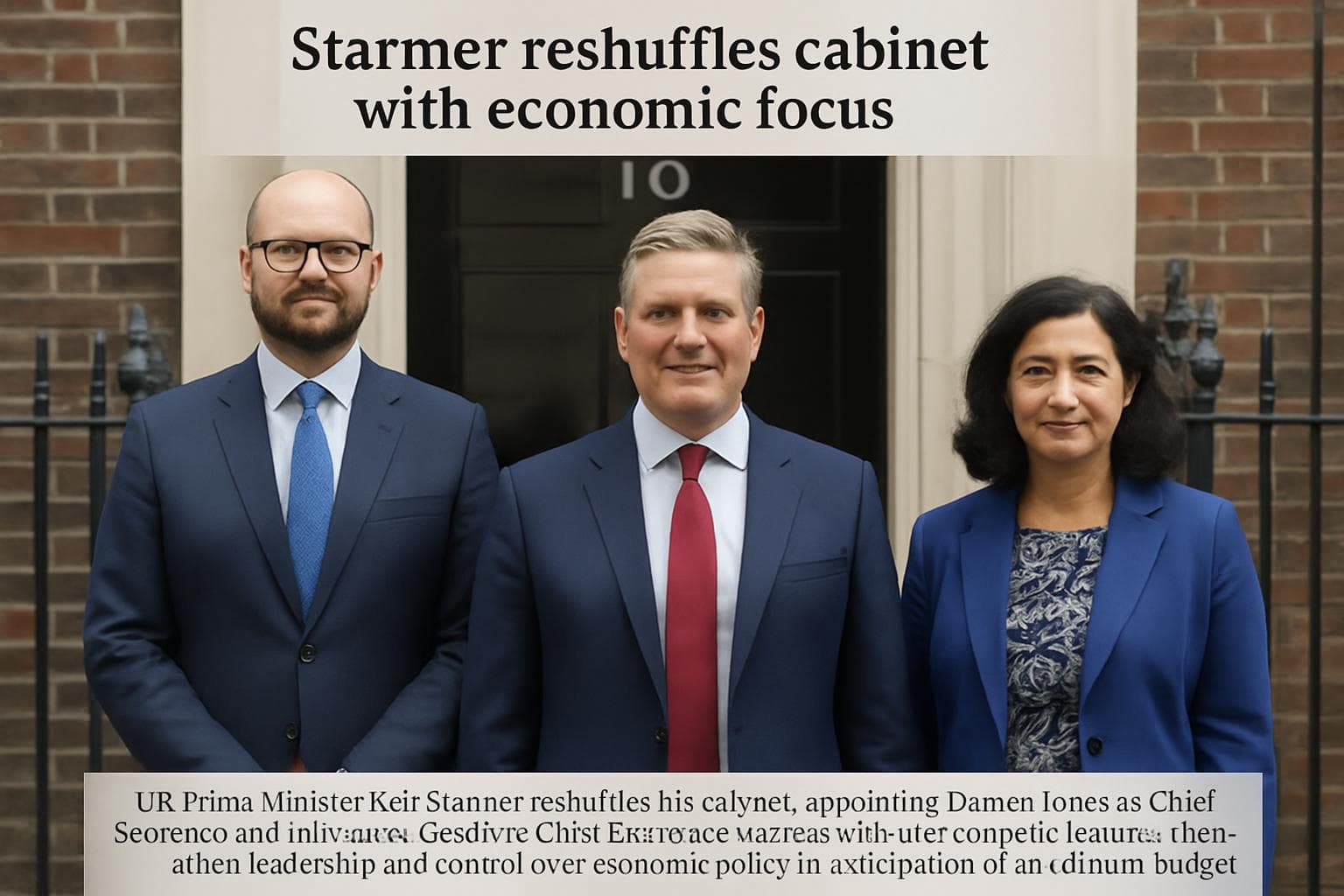
In a strategic move to bolster his leadership and address economic challenges, UK Prime Minister Keir Starmer has announced a significant reshuffle within Downing Street. The changes, unveiled as MPs reconvene in Westminster, introduce new senior roles designed to enhance control over economic policy, a move seen as crucial ahead of a potentially tumultuous autumn budget.
New Appointments Signal Economic Focus
Central to this reshuffle is the appointment of Darren Jones as Chief Secretary and Minouche Shafik as Chief Economic Adviser. Jones, previously second-in-command to Chancellor Rachel Reeves, is tasked with overseeing day-to-day operations, while Shafik, a former deputy governor of the Bank of England, brings substantial economic expertise to the team. These appointments underscore Starmer's intent to inject economic heft into his administration, a sentiment echoed by Downing Street insiders who emphasize the need for a robust challenge to Treasury thinking.
Addressing Leadership Challenges
The reshuffle is not merely about personnel changes but reflects a broader strategy to address perceived shortcomings in Starmer's first year as Prime Minister. Critics have pointed to a lack of decisive leadership and control over the government's narrative, particularly in the face of external crises such as migration and economic instability. By consolidating roles and streamlining communication channels, Starmer aims to create a more cohesive and effective government operation.
Implications for Chancellor Reeves
The reshuffle has inevitably sparked discussions about the role and influence of Chancellor Rachel Reeves. While some view the changes as undermining her authority, allies dismiss suggestions of a power struggle. Instead, they frame the reshuffle as a necessary step to align economic policy with the Prime Minister's vision. Starmer himself has downplayed any notion of crisis, describing the changes as a transition to a new phase of governance.
WHAT THIS MIGHT MEAN
Looking ahead, Starmer's reshuffle could have significant implications for the Labour Party's standing and the UK's economic trajectory. By centralizing control, Starmer may be better positioned to navigate the complexities of the upcoming budget, potentially averting pitfalls that have previously marred his administration. However, the success of this strategy hinges on the seamless integration of new roles and the ability to foster collaboration between Downing Street and the Treasury.
Political analysts suggest that the reshuffle could either strengthen Starmer's leadership or expose further vulnerabilities if internal tensions arise. As the government prepares for a challenging autumn, the effectiveness of these changes will be closely scrutinized, with potential impacts on Labour's poll ratings and public confidence in its economic stewardship.
Related Articles
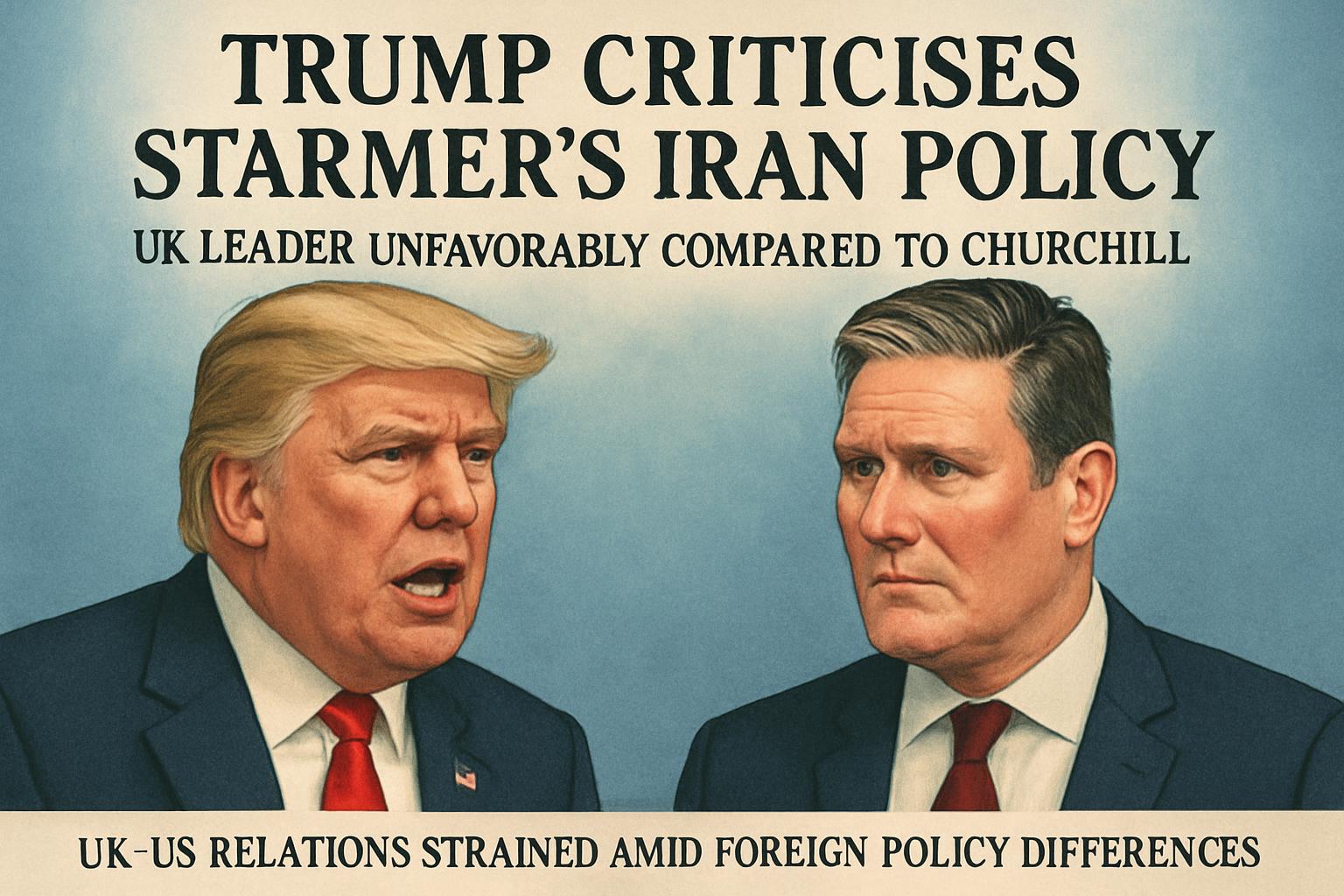
Diplomatic Tensions Rise as Trump Criticizes Starmer's Iran Policy

UK Faces Dilemmas Amid Iran Conflict and China Spying Allegations

UK-Iran Tensions: Starmer Defends Cautious Approach Amid Trump Criticism
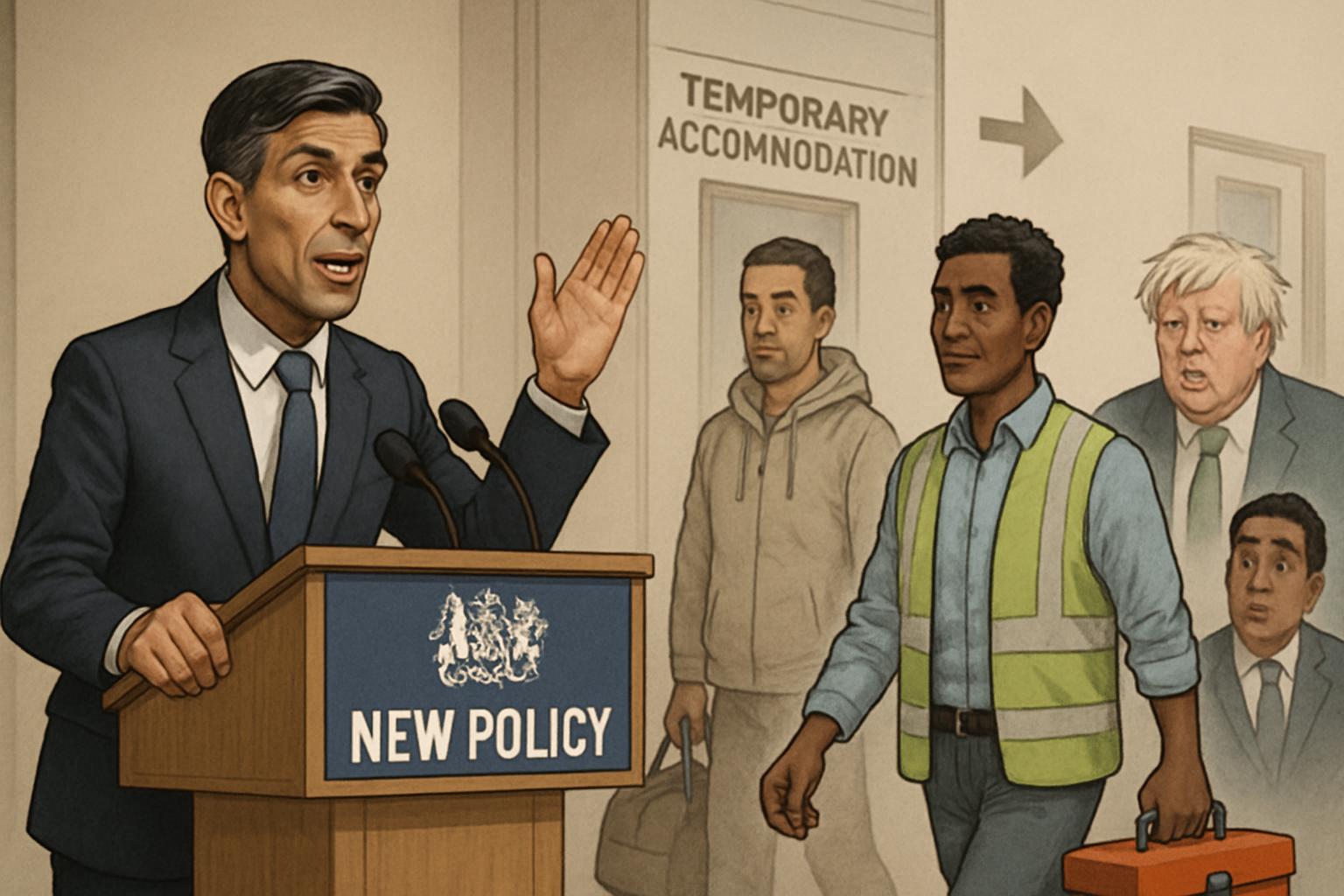
UK Government to Reform Asylum Seeker Support and Employment Policies

UK Reinforces Military Presence in Cyprus Amid Middle East Tensions

Labour MP's Husband Arrested in UK-China Espionage Probe
Keir Starmer's Downing Street Reshuffle Aims to Strengthen Economic Control
In This Article
 Ethan Brooks| Published
 HIGHLIGHTS
- Keir Starmer has initiated a significant reshuffle at Downing Street, creating new senior roles to enhance economic policy control.
- Darren Jones and Minouche Shafik have been appointed to key positions, reflecting a focus on economic expertise.
- The reshuffle aims to address perceived failures in Starmer's first year and prepare for a challenging autumn budget.
- The changes suggest a move towards a more centralized "command and control" approach within the UK government.
- The reshuffle has sparked discussions about Starmer's confidence in Chancellor Rachel Reeves and her role in economic policy.
In a strategic move to bolster his leadership and address economic challenges, UK Prime Minister Keir Starmer has announced a significant reshuffle within Downing Street. The changes, unveiled as MPs reconvene in Westminster, introduce new senior roles designed to enhance control over economic policy, a move seen as crucial ahead of a potentially tumultuous autumn budget.
New Appointments Signal Economic Focus
Central to this reshuffle is the appointment of Darren Jones as Chief Secretary and Minouche Shafik as Chief Economic Adviser. Jones, previously second-in-command to Chancellor Rachel Reeves, is tasked with overseeing day-to-day operations, while Shafik, a former deputy governor of the Bank of England, brings substantial economic expertise to the team. These appointments underscore Starmer's intent to inject economic heft into his administration, a sentiment echoed by Downing Street insiders who emphasize the need for a robust challenge to Treasury thinking.
Addressing Leadership Challenges
The reshuffle is not merely about personnel changes but reflects a broader strategy to address perceived shortcomings in Starmer's first year as Prime Minister. Critics have pointed to a lack of decisive leadership and control over the government's narrative, particularly in the face of external crises such as migration and economic instability. By consolidating roles and streamlining communication channels, Starmer aims to create a more cohesive and effective government operation.
Implications for Chancellor Reeves
The reshuffle has inevitably sparked discussions about the role and influence of Chancellor Rachel Reeves. While some view the changes as undermining her authority, allies dismiss suggestions of a power struggle. Instead, they frame the reshuffle as a necessary step to align economic policy with the Prime Minister's vision. Starmer himself has downplayed any notion of crisis, describing the changes as a transition to a new phase of governance.
WHAT THIS MIGHT MEAN
Looking ahead, Starmer's reshuffle could have significant implications for the Labour Party's standing and the UK's economic trajectory. By centralizing control, Starmer may be better positioned to navigate the complexities of the upcoming budget, potentially averting pitfalls that have previously marred his administration. However, the success of this strategy hinges on the seamless integration of new roles and the ability to foster collaboration between Downing Street and the Treasury.
Political analysts suggest that the reshuffle could either strengthen Starmer's leadership or expose further vulnerabilities if internal tensions arise. As the government prepares for a challenging autumn, the effectiveness of these changes will be closely scrutinized, with potential impacts on Labour's poll ratings and public confidence in its economic stewardship.
Related Articles
Diplomatic Tensions Rise as Trump Criticizes Starmer's Iran Policy
UK Faces Dilemmas Amid Iran Conflict and China Spying Allegations
UK-Iran Tensions: Starmer Defends Cautious Approach Amid Trump Criticism
UK Government to Reform Asylum Seeker Support and Employment Policies
UK Reinforces Military Presence in Cyprus Amid Middle East Tensions
Labour MP's Husband Arrested in UK-China Espionage Probe