
Keir Starmer Resolute Amid Calls for Resignation and Party Turmoil

In This Article
HIGHLIGHTS
- Prime Minister Keir Starmer vows to remain in office despite calls for his resignation from Scottish Labour leader Anas Sarwar.
- Starmer faces scrutiny over his leadership following U-turns and a controversial appointment of Peter Mandelson.
- Labour Party figures, including Andy Burnham, have publicly supported Starmer, emphasizing the need for bold leadership.
- The British Social Attitudes survey reveals a shift towards support for tax cuts and reduced public spending.
- Matthew Doyle, Starmer's former communications chief, resigns from the Labour whip in the Lords amid controversy over past associations.
Prime Minister Keir Starmer has declared his unwavering commitment to leading the UK, despite facing significant pressure to resign. Speaking at a community center in Hertfordshire, Starmer emphasized his dedication to addressing the cost of living crisis, which he described as the "most important issue" for the nation.
Leadership Under Fire
Starmer's leadership has come under intense scrutiny following a series of policy reversals and a decline in government popularity. The situation escalated with the release of emails revealing the extent of Peter Mandelson's relationship with Jeffrey Epstein. Mandelson, Starmer's controversial pick for a US ambassadorial role, has been a focal point of criticism among Labour MPs, with several calling for Starmer's resignation.
Party Support and Internal Challenges
Despite the turmoil, Starmer has received backing from key Labour figures, including Greater Manchester Mayor Andy Burnham, who urged the Prime Minister to demonstrate greater boldness. Scottish Labour leader Anas Sarwar's call for Starmer's resignation marked a significant internal challenge, though it failed to gain widespread support within the party. Starmer's cabinet and potential leadership contenders, such as Angela Rayner and Wes Streeting, have publicly endorsed his leadership.
Shifts in Public Opinion
The British Social Attitudes survey has highlighted a notable shift in public opinion, with increasing support for tax cuts and reduced spending on health, education, and benefits. This change reflects a growing division in public sentiment towards government expenditure, influenced by recent economic challenges and migration trends.
Controversy and Resignation
In a separate development, Matthew Doyle, Starmer's former communications chief, has resigned from the Labour whip in the Lords. This decision follows revelations of his past association with a convicted councillor, prompting criticism from opposition parties and further complicating the political landscape for Starmer.
WHAT THIS MIGHT MEAN
The coming weeks will be crucial for Keir Starmer as he navigates the challenges to his leadership. While he has managed to retain significant support within the Labour Party, the ongoing scrutiny over his decisions, particularly regarding Peter Mandelson, could impact his political standing. The shift in public opinion towards reduced government spending may also influence future policy directions. Experts suggest that Starmer's ability to address these issues decisively will be key to maintaining his leadership and preparing for the next general election.
Related Articles

UK Faces Dilemmas Amid Iran Conflict and China Spying Allegations

Labour MP's Husband Arrested in UK-China Espionage Probe
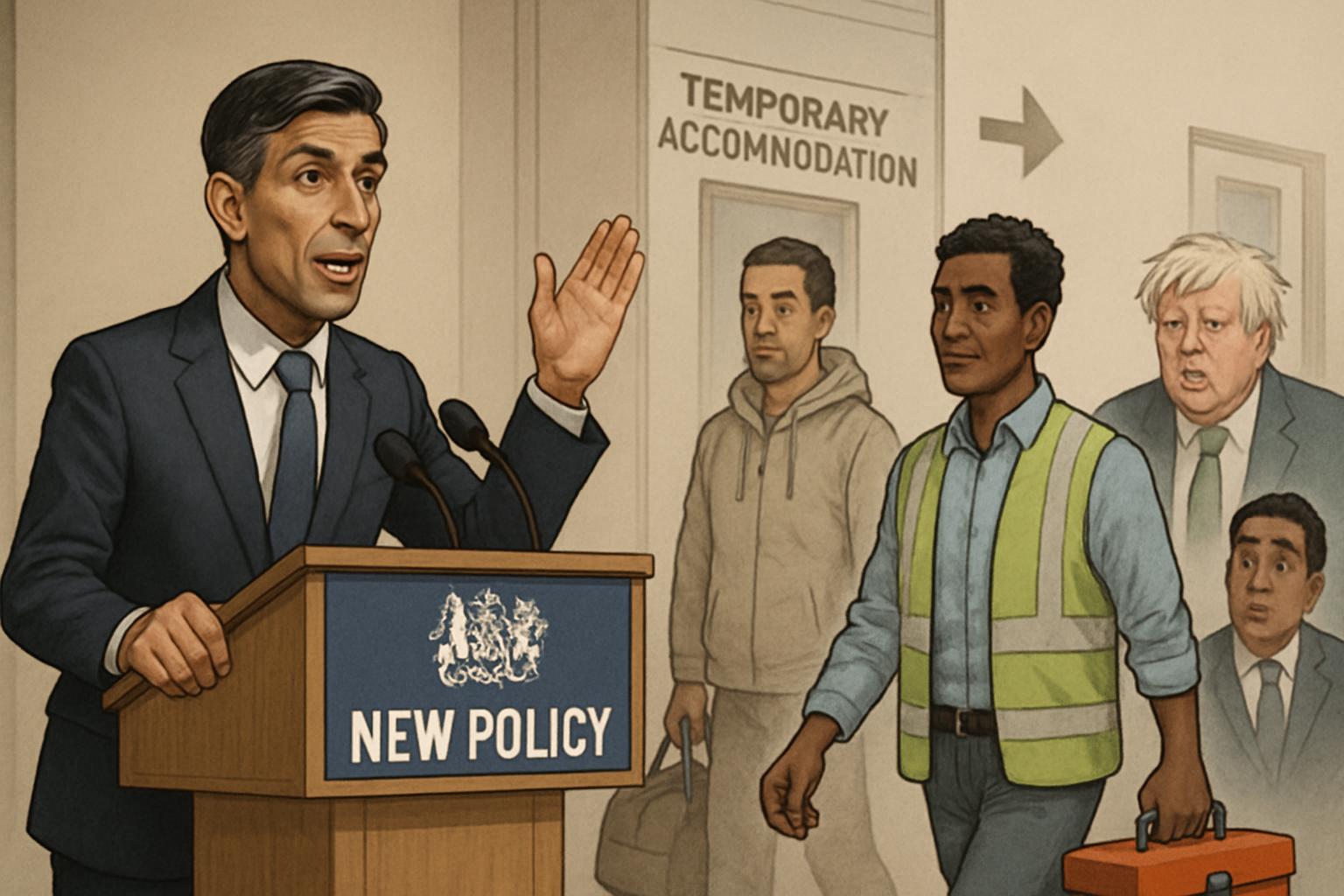
UK Government to Reform Asylum Seeker Support and Employment Policies

UK-Iran Tensions: Starmer Defends Cautious Approach Amid Trump Criticism

Diplomatic Tensions Rise as Trump Criticizes Starmer's Iran Policy

Prince Andrew's Ties to Epstein Under Scrutiny Amid Calls for Inquiry
Keir Starmer Resolute Amid Calls for Resignation and Party Turmoil
In This Article
 Ethan Brooks| Published
 HIGHLIGHTS
- Prime Minister Keir Starmer vows to remain in office despite calls for his resignation from Scottish Labour leader Anas Sarwar.
- Starmer faces scrutiny over his leadership following U-turns and a controversial appointment of Peter Mandelson.
- Labour Party figures, including Andy Burnham, have publicly supported Starmer, emphasizing the need for bold leadership.
- The British Social Attitudes survey reveals a shift towards support for tax cuts and reduced public spending.
- Matthew Doyle, Starmer's former communications chief, resigns from the Labour whip in the Lords amid controversy over past associations.
Prime Minister Keir Starmer has declared his unwavering commitment to leading the UK, despite facing significant pressure to resign. Speaking at a community center in Hertfordshire, Starmer emphasized his dedication to addressing the cost of living crisis, which he described as the "most important issue" for the nation.
Leadership Under Fire
Starmer's leadership has come under intense scrutiny following a series of policy reversals and a decline in government popularity. The situation escalated with the release of emails revealing the extent of Peter Mandelson's relationship with Jeffrey Epstein. Mandelson, Starmer's controversial pick for a US ambassadorial role, has been a focal point of criticism among Labour MPs, with several calling for Starmer's resignation.
Party Support and Internal Challenges
Despite the turmoil, Starmer has received backing from key Labour figures, including Greater Manchester Mayor Andy Burnham, who urged the Prime Minister to demonstrate greater boldness. Scottish Labour leader Anas Sarwar's call for Starmer's resignation marked a significant internal challenge, though it failed to gain widespread support within the party. Starmer's cabinet and potential leadership contenders, such as Angela Rayner and Wes Streeting, have publicly endorsed his leadership.
Shifts in Public Opinion
The British Social Attitudes survey has highlighted a notable shift in public opinion, with increasing support for tax cuts and reduced spending on health, education, and benefits. This change reflects a growing division in public sentiment towards government expenditure, influenced by recent economic challenges and migration trends.
Controversy and Resignation
In a separate development, Matthew Doyle, Starmer's former communications chief, has resigned from the Labour whip in the Lords. This decision follows revelations of his past association with a convicted councillor, prompting criticism from opposition parties and further complicating the political landscape for Starmer.
WHAT THIS MIGHT MEAN
The coming weeks will be crucial for Keir Starmer as he navigates the challenges to his leadership. While he has managed to retain significant support within the Labour Party, the ongoing scrutiny over his decisions, particularly regarding Peter Mandelson, could impact his political standing. The shift in public opinion towards reduced government spending may also influence future policy directions. Experts suggest that Starmer's ability to address these issues decisively will be key to maintaining his leadership and preparing for the next general election.
Related Articles
UK Faces Dilemmas Amid Iran Conflict and China Spying Allegations
Labour MP's Husband Arrested in UK-China Espionage Probe
UK Government to Reform Asylum Seeker Support and Employment Policies
UK-Iran Tensions: Starmer Defends Cautious Approach Amid Trump Criticism
Diplomatic Tensions Rise as Trump Criticizes Starmer's Iran Policy
Prince Andrew's Ties to Epstein Under Scrutiny Amid Calls for Inquiry