
Keir Starmer's Welfare Reforms Face Backlash Amid Labour Party Tensions

In This Article
HIGHLIGHTS
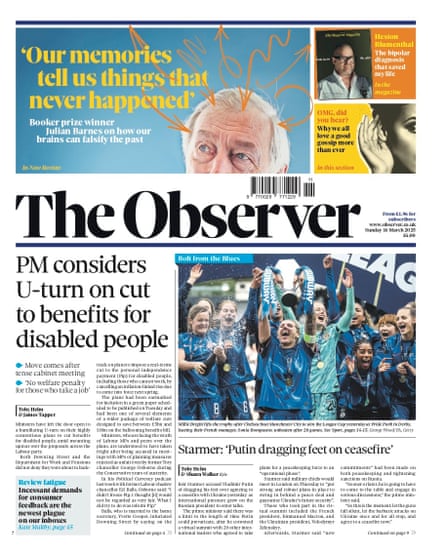
- The UK government, led by Prime Minister Keir Starmer, is set to announce changes to the Personal Independence Payment (PIP) eligibility, affecting over 3.6 million people.
- Despite initial concerns, there will be no freeze on PIP payments, although the proposed changes have sparked backlash from Labour MPs and campaigners.
- Criticism mounts as Labour's welfare reforms are perceived as targeting vulnerable groups, with accusations of adopting Conservative-like austerity measures.
- Work and Pensions Secretary Liz Kendall is scheduled to address these issues in the House of Commons, amid growing unease within the Labour Party.
- The Labour Party faces internal and external pressure, with its approach to welfare reform being scrutinized as the party's popularity wanes.
The UK government, under Prime Minister Keir Starmer, is poised to unveil significant changes to the welfare system, specifically targeting the Personal Independence Payment (PIP), a crucial disability benefit claimed by over 3.6 million individuals. The proposed reforms, which aim to tighten eligibility criteria, have ignited widespread criticism from within the Labour Party and beyond.
Proposed Changes and Political Reactions
While initial reports suggested a potential freeze on PIP payments, the government has confirmed that such a measure will not be implemented. However, the proposed tightening of eligibility criteria has drawn sharp criticism from Labour MPs, charities, and disability advocates. Diane Abbott, a prominent Labour MP, has publicly voiced her concerns, reflecting a broader unease within the party.
The reforms are seen by many as a continuation of austerity measures, with accusations that the Labour government is adopting policies reminiscent of the Conservative Party. Critics argue that these changes disproportionately affect vulnerable groups, including the sick and disabled, contradicting Labour's traditional stance on social welfare.
Labour's Internal Struggles
The backlash against the welfare reforms highlights growing tensions within the Labour Party. Work and Pensions Secretary Liz Kendall is expected to address these issues in the House of Commons, where she will face questions from both supporters and critics of the proposed changes. The internal dissent underscores the challenges faced by the Starmer administration as it navigates a complex political landscape.
Broader Implications for Labour
The controversy surrounding the welfare reforms comes at a time when the Labour Party is struggling in the polls, with the Reform Party gaining traction. Critics argue that Labour's current trajectory risks alienating its core supporters and blurring the lines between itself and the Conservative Party. As the government grapples with these challenges, questions about its commitment to progressive policies continue to surface.
WHAT THIS MIGHT MEAN
Looking ahead, the Labour Party's handling of the welfare reforms could have significant political ramifications. If the backlash continues, it may further erode the party's support base, potentially impacting its performance in future elections. The government's approach to welfare policy will likely be a key factor in shaping public perception and determining its ability to maintain political momentum.
Moreover, the internal divisions within Labour could lead to a reevaluation of its policy priorities, as party leaders seek to balance fiscal responsibility with social justice. As the political landscape evolves, the Labour Party's ability to address these challenges will be crucial in defining its role in the UK's future governance.
Images from the Web
Related Articles
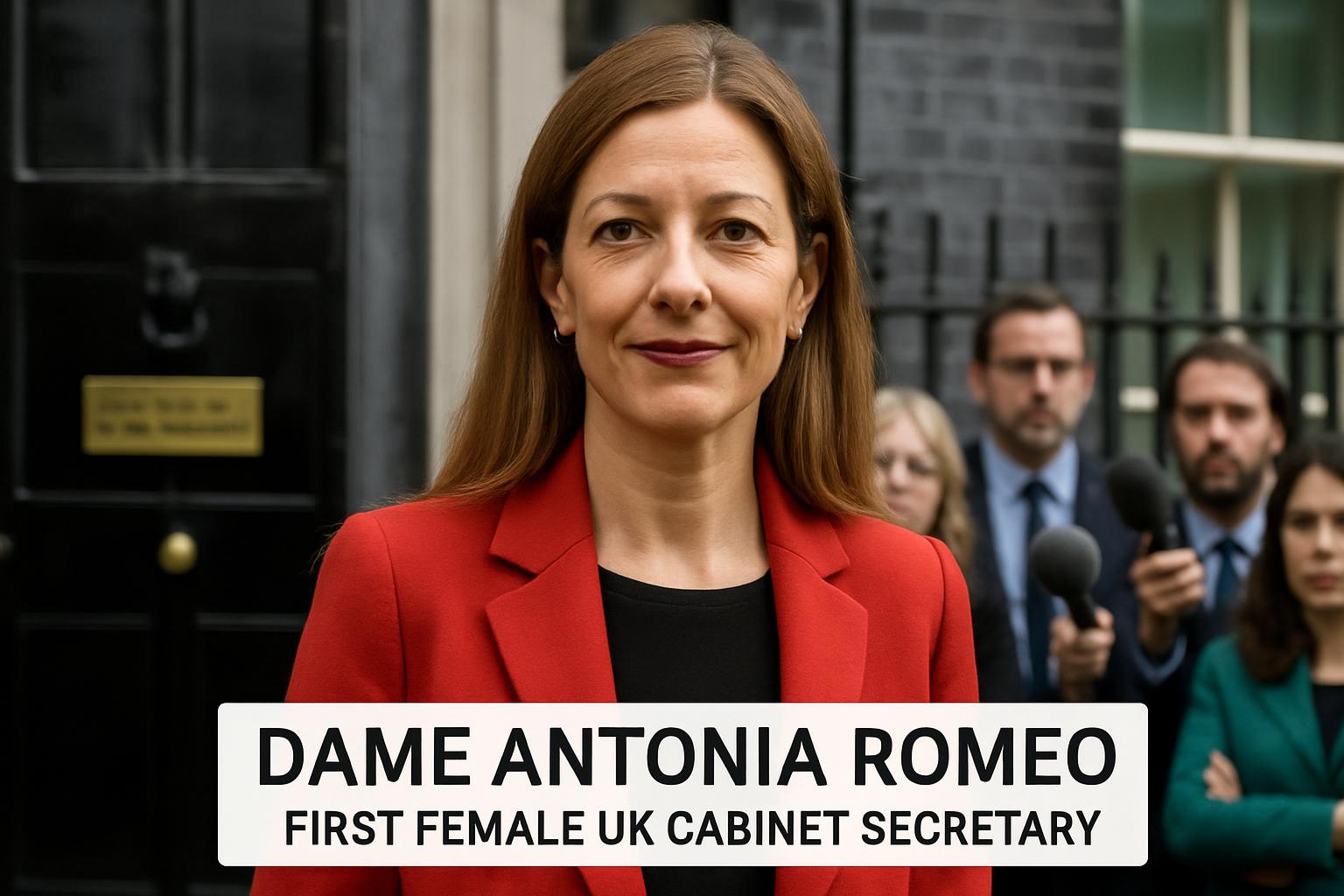
Antonia Romeo Appointed as First Female UK Cabinet Secretary Amid Controversy

Labour MP's Husband Arrested in UK-China Espionage Probe
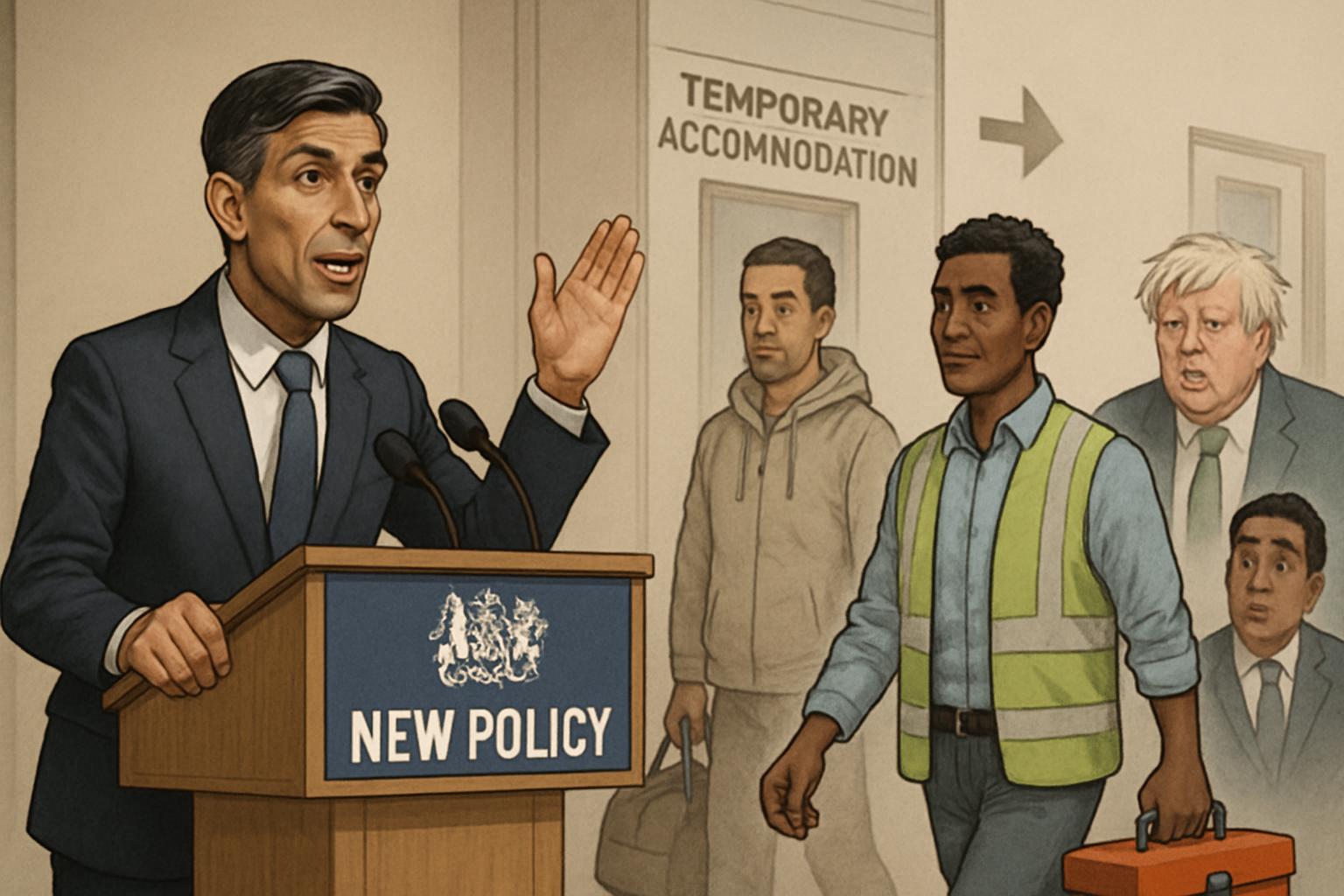
UK Government to Reform Asylum Seeker Support and Employment Policies

UK Faces Dilemmas Amid Iran Conflict and China Spying Allegations

UK-Iran Tensions: Starmer Defends Cautious Approach Amid Trump Criticism

Diplomatic Tensions Rise as Trump Criticizes Starmer's Iran Policy
Keir Starmer's Welfare Reforms Face Backlash Amid Labour Party Tensions
In This Article
 Alex Carter| Published
 HIGHLIGHTS
- The UK government, led by Prime Minister Keir Starmer, is set to announce changes to the Personal Independence Payment (PIP) eligibility, affecting over 3.6 million people.
- Despite initial concerns, there will be no freeze on PIP payments, although the proposed changes have sparked backlash from Labour MPs and campaigners.
- Criticism mounts as Labour's welfare reforms are perceived as targeting vulnerable groups, with accusations of adopting Conservative-like austerity measures.
- Work and Pensions Secretary Liz Kendall is scheduled to address these issues in the House of Commons, amid growing unease within the Labour Party.
- The Labour Party faces internal and external pressure, with its approach to welfare reform being scrutinized as the party's popularity wanes.
The UK government, under Prime Minister Keir Starmer, is poised to unveil significant changes to the welfare system, specifically targeting the Personal Independence Payment (PIP), a crucial disability benefit claimed by over 3.6 million individuals. The proposed reforms, which aim to tighten eligibility criteria, have ignited widespread criticism from within the Labour Party and beyond.
Proposed Changes and Political Reactions
While initial reports suggested a potential freeze on PIP payments, the government has confirmed that such a measure will not be implemented. However, the proposed tightening of eligibility criteria has drawn sharp criticism from Labour MPs, charities, and disability advocates. Diane Abbott, a prominent Labour MP, has publicly voiced her concerns, reflecting a broader unease within the party.
The reforms are seen by many as a continuation of austerity measures, with accusations that the Labour government is adopting policies reminiscent of the Conservative Party. Critics argue that these changes disproportionately affect vulnerable groups, including the sick and disabled, contradicting Labour's traditional stance on social welfare.
Labour's Internal Struggles
The backlash against the welfare reforms highlights growing tensions within the Labour Party. Work and Pensions Secretary Liz Kendall is expected to address these issues in the House of Commons, where she will face questions from both supporters and critics of the proposed changes. The internal dissent underscores the challenges faced by the Starmer administration as it navigates a complex political landscape.
Broader Implications for Labour
The controversy surrounding the welfare reforms comes at a time when the Labour Party is struggling in the polls, with the Reform Party gaining traction. Critics argue that Labour's current trajectory risks alienating its core supporters and blurring the lines between itself and the Conservative Party. As the government grapples with these challenges, questions about its commitment to progressive policies continue to surface.
WHAT THIS MIGHT MEAN
Looking ahead, the Labour Party's handling of the welfare reforms could have significant political ramifications. If the backlash continues, it may further erode the party's support base, potentially impacting its performance in future elections. The government's approach to welfare policy will likely be a key factor in shaping public perception and determining its ability to maintain political momentum.
Moreover, the internal divisions within Labour could lead to a reevaluation of its policy priorities, as party leaders seek to balance fiscal responsibility with social justice. As the political landscape evolves, the Labour Party's ability to address these challenges will be crucial in defining its role in the UK's future governance.
Images from the Web
Related Articles
Antonia Romeo Appointed as First Female UK Cabinet Secretary Amid Controversy
Labour MP's Husband Arrested in UK-China Espionage Probe
UK Government to Reform Asylum Seeker Support and Employment Policies
UK Faces Dilemmas Amid Iran Conflict and China Spying Allegations
UK-Iran Tensions: Starmer Defends Cautious Approach Amid Trump Criticism
Diplomatic Tensions Rise as Trump Criticizes Starmer's Iran Policy