
Keir Starmer Promises Economic Renewal Amid Political Challenges
In This Article
HIGHLIGHTS
- Prime Minister Keir Starmer pledges to tackle economic challenges and political division in his new year message, promising improvements by 2026.
- Starmer emphasizes reductions in living costs, including energy bills and interest rates, as part of his strategy to win back voter confidence.
- The Labour Party faces potential setbacks in the 2026 local elections, with internal tensions and low poll ratings posing additional challenges.
- Conservative leader Kemi Badenoch and Reform UK leader Nigel Farage offer contrasting visions, focusing on economic recovery and technological advancement.
- Starmer's "year of proof" aims to demonstrate tangible improvements in public services and living standards, countering voter dissatisfaction.
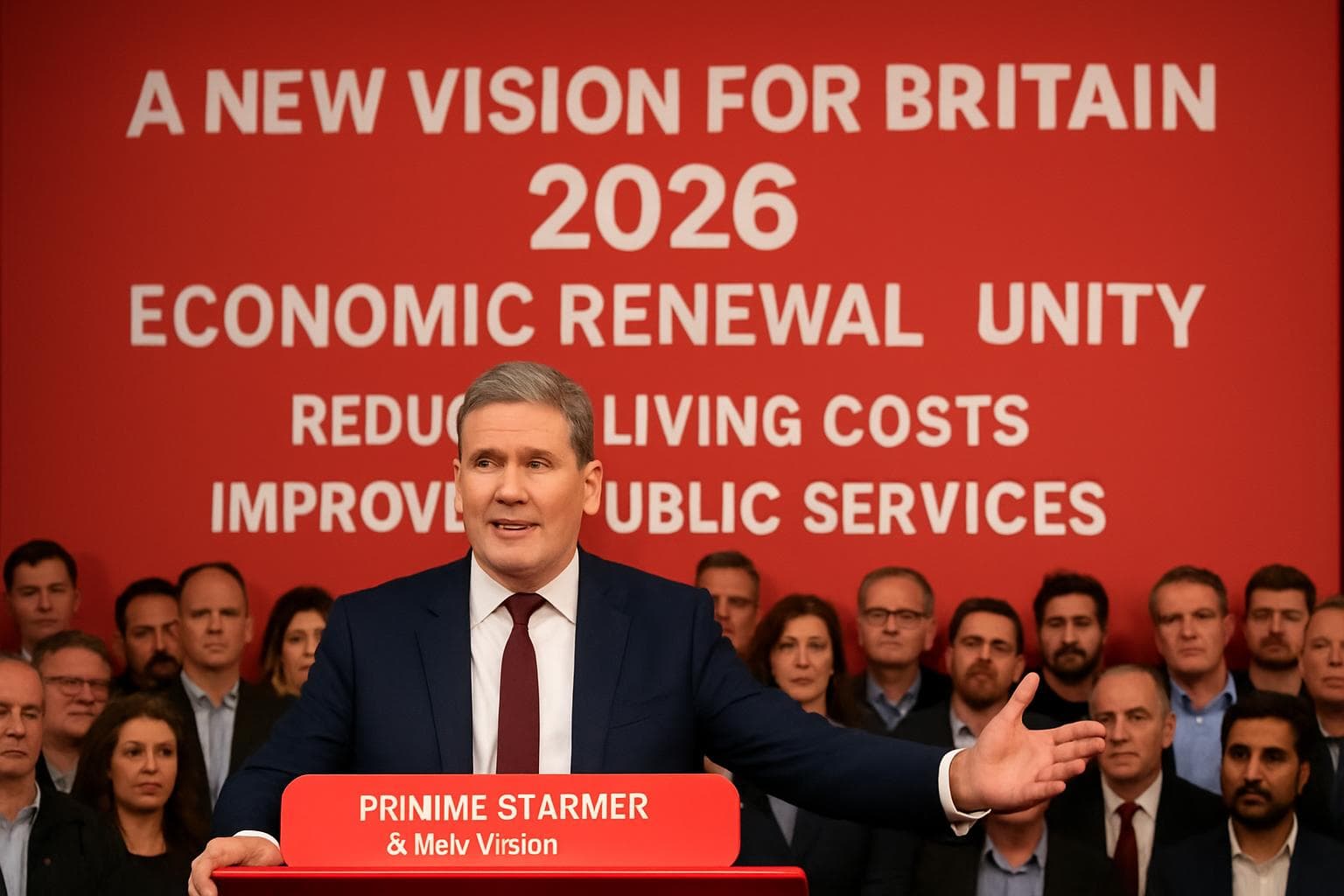
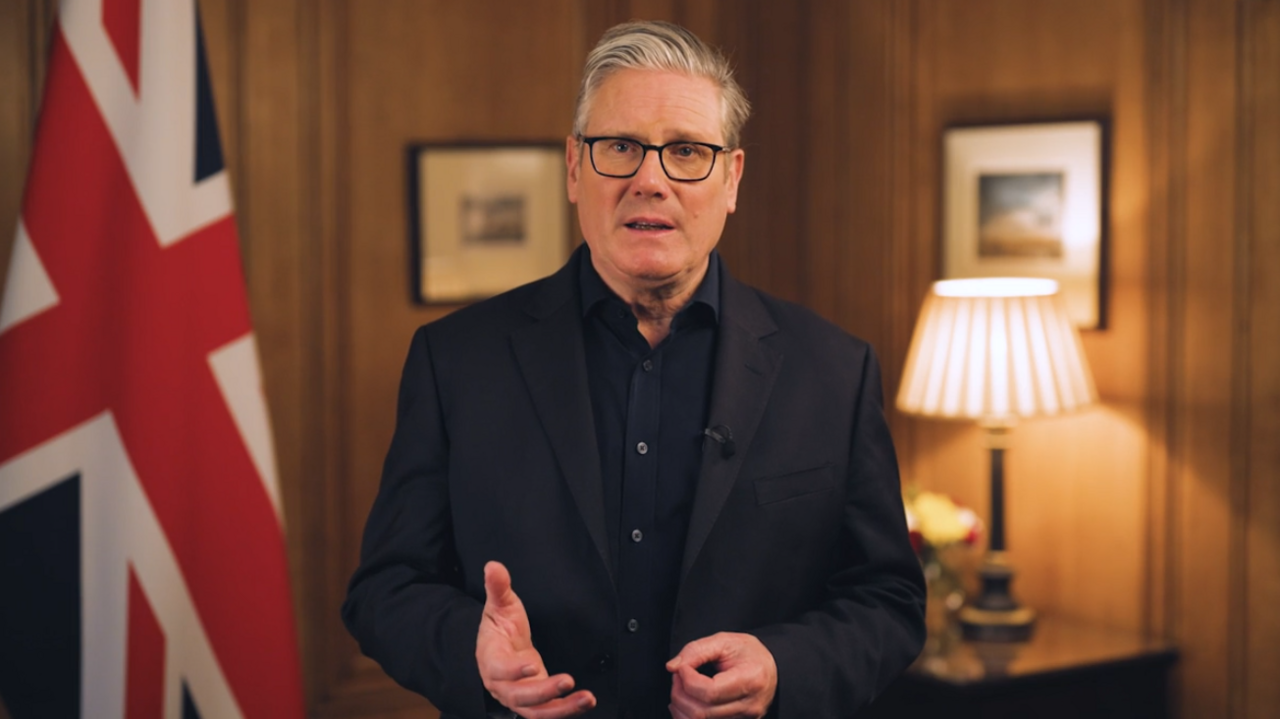
Prime Minister Keir Starmer has set an ambitious agenda for 2026, pledging to address the UK's economic difficulties and political divisions. In his new year message, Starmer acknowledged the tough conditions facing the nation but assured citizens that positive changes are on the horizon. He highlighted efforts to reduce living costs, including cuts to energy bills and interest rates, as part of his strategy to restore public confidence.
Economic Challenges and Political Division
Starmer's message comes at a critical time for the Labour Party, which is grappling with low poll ratings and internal discord. The Prime Minister aims to reassure both voters and MPs by focusing on tangible improvements in public services and living standards. "In 2026, the choices we've made will mean more people will begin to feel positive change in your bills, your communities, and your health service," Starmer stated, emphasizing the government's commitment to economic growth.
Contrasting Visions from Opposition Leaders
Meanwhile, Conservative leader Kemi Badenoch and Reform UK leader Nigel Farage have presented their own visions for the country's future. Badenoch criticized the current economic stagnation but expressed optimism about Britain's potential for recovery. Farage, whose party has been leading in national polls, emphasized the importance of embracing new technologies like cryptocurrencies and AI to drive growth.
A Year of Proof for Labour
Starmer's chief adviser, Morgan McSweeney, has dubbed 2026 the "year of proof," where the impact of government decisions will become evident. The Prime Minister plans to reinforce this message through speeches and engagements with Labour MPs, aiming to dispel concerns about the upcoming local elections. Despite the challenges, Starmer remains hopeful that his policies will lead to a renewed sense of hope and progress for the UK.
WHAT THIS MIGHT MEAN
As the UK approaches the 2026 local elections, the Labour Party faces significant hurdles, including potential losses and internal strife. Starmer's ability to deliver on his promises will be crucial in determining his political future and the party's standing. If successful, his focus on reducing living costs and improving public services could help regain voter trust. However, failure to address these issues may lead to increased pressure for leadership changes within the party. The contrasting strategies of opposition leaders like Badenoch and Farage also highlight the diverse political landscape, with economic recovery and technological innovation at the forefront of national discourse.
Images from the Web
Related Articles
UK-Iran Tensions: Starmer Defends Cautious Approach Amid Trump Criticism
UK Government to Reform Asylum Seeker Support and Employment Policies

UK Faces Dilemmas Amid Iran Conflict and China Spying Allegations

Labour MP's Husband Arrested in UK-China Espionage Probe
Trump's New Tariff Strategy Sparks Global Trade Uncertainty
Reform UK Aims to Reshape Welsh Politics with New Manifesto
Keir Starmer Promises Economic Renewal Amid Political Challenges
In This Article
 Daniel Rivera| Published
 HIGHLIGHTS
- Prime Minister Keir Starmer pledges to tackle economic challenges and political division in his new year message, promising improvements by 2026.
- Starmer emphasizes reductions in living costs, including energy bills and interest rates, as part of his strategy to win back voter confidence.
- The Labour Party faces potential setbacks in the 2026 local elections, with internal tensions and low poll ratings posing additional challenges.
- Conservative leader Kemi Badenoch and Reform UK leader Nigel Farage offer contrasting visions, focusing on economic recovery and technological advancement.
- Starmer's "year of proof" aims to demonstrate tangible improvements in public services and living standards, countering voter dissatisfaction.
Prime Minister Keir Starmer has set an ambitious agenda for 2026, pledging to address the UK's economic difficulties and political divisions. In his new year message, Starmer acknowledged the tough conditions facing the nation but assured citizens that positive changes are on the horizon. He highlighted efforts to reduce living costs, including cuts to energy bills and interest rates, as part of his strategy to restore public confidence.
Economic Challenges and Political Division
Starmer's message comes at a critical time for the Labour Party, which is grappling with low poll ratings and internal discord. The Prime Minister aims to reassure both voters and MPs by focusing on tangible improvements in public services and living standards. "In 2026, the choices we've made will mean more people will begin to feel positive change in your bills, your communities, and your health service," Starmer stated, emphasizing the government's commitment to economic growth.
Contrasting Visions from Opposition Leaders
Meanwhile, Conservative leader Kemi Badenoch and Reform UK leader Nigel Farage have presented their own visions for the country's future. Badenoch criticized the current economic stagnation but expressed optimism about Britain's potential for recovery. Farage, whose party has been leading in national polls, emphasized the importance of embracing new technologies like cryptocurrencies and AI to drive growth.
A Year of Proof for Labour
Starmer's chief adviser, Morgan McSweeney, has dubbed 2026 the "year of proof," where the impact of government decisions will become evident. The Prime Minister plans to reinforce this message through speeches and engagements with Labour MPs, aiming to dispel concerns about the upcoming local elections. Despite the challenges, Starmer remains hopeful that his policies will lead to a renewed sense of hope and progress for the UK.
WHAT THIS MIGHT MEAN
As the UK approaches the 2026 local elections, the Labour Party faces significant hurdles, including potential losses and internal strife. Starmer's ability to deliver on his promises will be crucial in determining his political future and the party's standing. If successful, his focus on reducing living costs and improving public services could help regain voter trust. However, failure to address these issues may lead to increased pressure for leadership changes within the party. The contrasting strategies of opposition leaders like Badenoch and Farage also highlight the diverse political landscape, with economic recovery and technological innovation at the forefront of national discourse.
Images from the Web
Related Articles
UK-Iran Tensions: Starmer Defends Cautious Approach Amid Trump Criticism
UK Government to Reform Asylum Seeker Support and Employment Policies
UK Faces Dilemmas Amid Iran Conflict and China Spying Allegations
Labour MP's Husband Arrested in UK-China Espionage Probe
Trump's New Tariff Strategy Sparks Global Trade Uncertainty
Reform UK Aims to Reshape Welsh Politics with New Manifesto