
Kemi Badenoch Renounces Nigerian Identity Amidst Political Criticism
In This Article
HIGHLIGHTS
- Kemi Badenoch, a UK Conservative Party leader, has stated she no longer identifies as Nigerian and has not renewed her Nigerian passport since the early 2000s.
- Born in London, Badenoch grew up in Nigeria and the US before returning to the UK at 16 due to Nigeria's political and economic instability.
- Badenoch's comments have sparked criticism from Nigeria's vice president, who accused her of denigrating her nation of origin.
- She attributes her political outlook, including her aversion to socialism, to her early experiences in Nigeria.
- Badenoch has emphasized that her identity is now rooted in her family and life in the UK, where she feels she truly belongs.
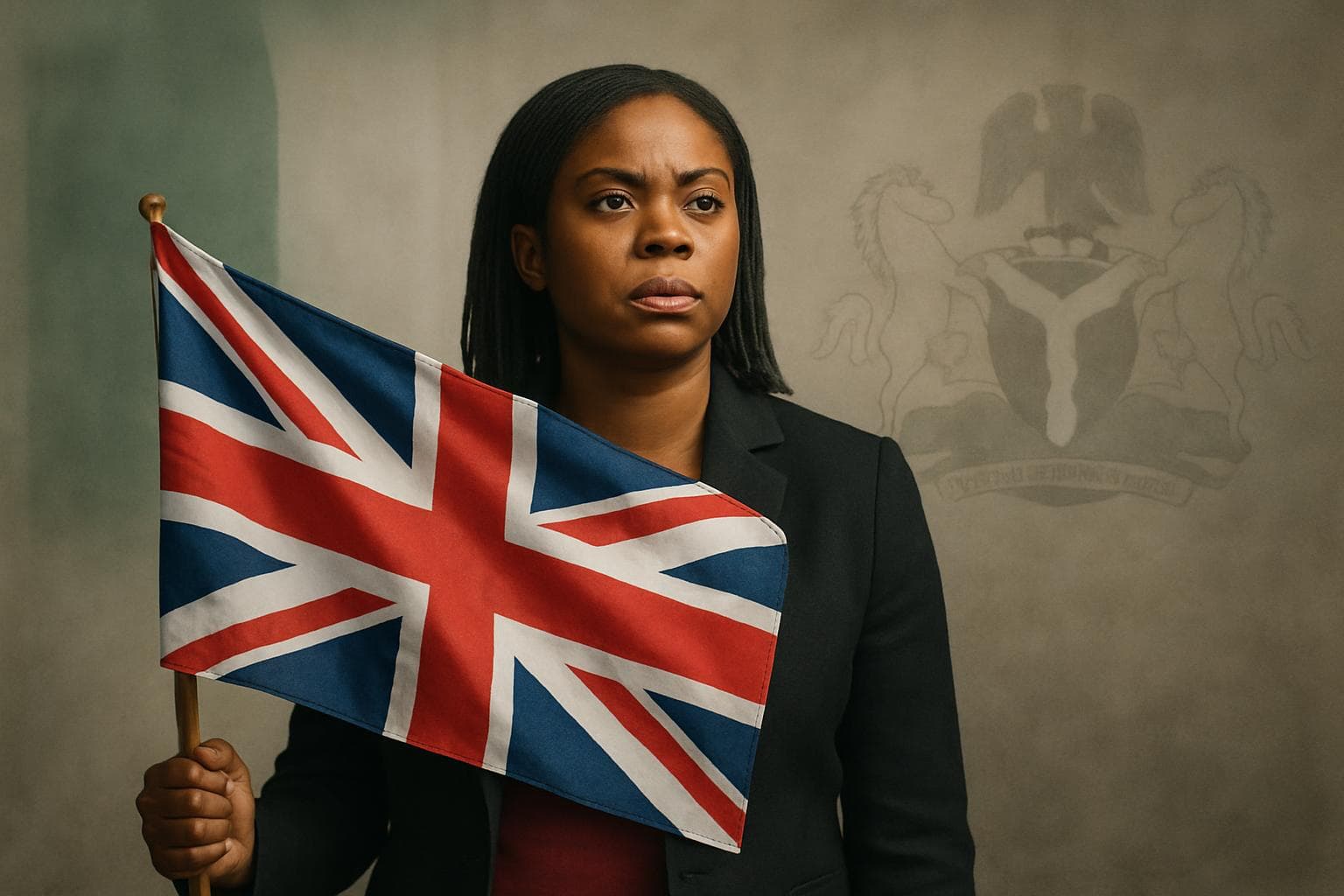
Kemi Badenoch, a prominent figure in the UK Conservative Party, has publicly declared that she no longer identifies as Nigerian, a statement that has stirred controversy and criticism from Nigerian officials. Born in London, Badenoch spent her formative years in Nigeria and the United States before returning to the UK at the age of 16, driven by the deteriorating political and economic conditions in Nigeria.
Speaking on the Rosebud podcast, Badenoch explained her decision not to renew her Nigerian passport, stating, "I'm Nigerian through ancestry, by birth, despite not being born there because of my parents, but by identity I'm not really." She emphasized that her sense of belonging is now firmly rooted in the UK, where her family resides. "Home is where my now family is," she added, referring to her children, husband, and extended family.
Badenoch's remarks have not gone unnoticed in Nigeria. Last year, the country's vice president, Kashim Shettima, criticized her for allegedly denigrating her nation of origin, suggesting she could "remove the Kemi from her name" if she was not proud of her Nigerian heritage. The criticism followed Badenoch's comments about growing up in Nigeria with a sense of fear and insecurity, a sentiment she attributes to the country's pervasive corruption.
Despite the backlash, Badenoch remains steadfast in her views, attributing her political outlook, particularly her opposition to socialism, to her experiences in Nigeria. She recalled her return to the UK as a teenager, noting, "I remember never quite feeling that I belonged there," and described her discovery of British citizenship as a marvel to her peers.
Badenoch's journey underscores the complex interplay between cultural identity and personal experiences, particularly for those in the diaspora. Her story highlights the challenges of navigating multiple identities and the impact of political and economic environments on personal and political beliefs.
WHAT THIS MIGHT MEAN
Badenoch's statements may continue to provoke reactions from both the Nigerian government and the diaspora community, potentially affecting her political standing and relationships with Nigerian officials. Her comments could also spark broader discussions on cultural identity and belonging among individuals with similar backgrounds. As Badenoch continues to navigate her political career in the UK, her experiences and perspectives may influence her policy positions, particularly on issues related to immigration and multiculturalism. Experts suggest that her story could serve as a case study in understanding the complexities of identity in a globalized world.
Related Articles
China Sets Lowest GDP Growth Target in Decades Amid Economic Challenges

Cuba Faces Widespread Blackout Amid Deepening Fuel Crisis

UK Faces Dilemmas Amid Iran Conflict and China Spying Allegations

Google Faces Legal Battle Over AI Chatbot's Alleged Role in Tragic Death

Labour MP's Husband Arrested in UK-China Espionage Probe

UK-Iran Tensions: Starmer Defends Cautious Approach Amid Trump Criticism
Kemi Badenoch Renounces Nigerian Identity Amidst Political Criticism
In This Article
 James Okoro| Published
 HIGHLIGHTS
- Kemi Badenoch, a UK Conservative Party leader, has stated she no longer identifies as Nigerian and has not renewed her Nigerian passport since the early 2000s.
- Born in London, Badenoch grew up in Nigeria and the US before returning to the UK at 16 due to Nigeria's political and economic instability.
- Badenoch's comments have sparked criticism from Nigeria's vice president, who accused her of denigrating her nation of origin.
- She attributes her political outlook, including her aversion to socialism, to her early experiences in Nigeria.
- Badenoch has emphasized that her identity is now rooted in her family and life in the UK, where she feels she truly belongs.
Kemi Badenoch, a prominent figure in the UK Conservative Party, has publicly declared that she no longer identifies as Nigerian, a statement that has stirred controversy and criticism from Nigerian officials. Born in London, Badenoch spent her formative years in Nigeria and the United States before returning to the UK at the age of 16, driven by the deteriorating political and economic conditions in Nigeria.
Speaking on the Rosebud podcast, Badenoch explained her decision not to renew her Nigerian passport, stating, "I'm Nigerian through ancestry, by birth, despite not being born there because of my parents, but by identity I'm not really." She emphasized that her sense of belonging is now firmly rooted in the UK, where her family resides. "Home is where my now family is," she added, referring to her children, husband, and extended family.
Badenoch's remarks have not gone unnoticed in Nigeria. Last year, the country's vice president, Kashim Shettima, criticized her for allegedly denigrating her nation of origin, suggesting she could "remove the Kemi from her name" if she was not proud of her Nigerian heritage. The criticism followed Badenoch's comments about growing up in Nigeria with a sense of fear and insecurity, a sentiment she attributes to the country's pervasive corruption.
Despite the backlash, Badenoch remains steadfast in her views, attributing her political outlook, particularly her opposition to socialism, to her experiences in Nigeria. She recalled her return to the UK as a teenager, noting, "I remember never quite feeling that I belonged there," and described her discovery of British citizenship as a marvel to her peers.
Badenoch's journey underscores the complex interplay between cultural identity and personal experiences, particularly for those in the diaspora. Her story highlights the challenges of navigating multiple identities and the impact of political and economic environments on personal and political beliefs.
WHAT THIS MIGHT MEAN
Badenoch's statements may continue to provoke reactions from both the Nigerian government and the diaspora community, potentially affecting her political standing and relationships with Nigerian officials. Her comments could also spark broader discussions on cultural identity and belonging among individuals with similar backgrounds. As Badenoch continues to navigate her political career in the UK, her experiences and perspectives may influence her policy positions, particularly on issues related to immigration and multiculturalism. Experts suggest that her story could serve as a case study in understanding the complexities of identity in a globalized world.
Related Articles
China Sets Lowest GDP Growth Target in Decades Amid Economic Challenges
Cuba Faces Widespread Blackout Amid Deepening Fuel Crisis
UK Faces Dilemmas Amid Iran Conflict and China Spying Allegations
Google Faces Legal Battle Over AI Chatbot's Alleged Role in Tragic Death
Labour MP's Husband Arrested in UK-China Espionage Probe
UK-Iran Tensions: Starmer Defends Cautious Approach Amid Trump Criticism