
Kenyan Inquiry Alleges Decades of Abuse by British Soldiers
In This Article
HIGHLIGHTS
- Kenya's parliament accuses British soldiers of decades-long human rights violations and environmental damage.
- The inquiry highlights sexual abuse, killings, and misconduct by British Army Training Unit in Kenya (Batuk).
- The UK High Commission in Kenya expresses willingness to investigate if evidence is provided.
- Notable cases include the murder of Agnes Wanjiru and the shooting of herder Tilam Leresh.
- The report criticizes Batuk for non-cooperation and claims of diplomatic immunity.
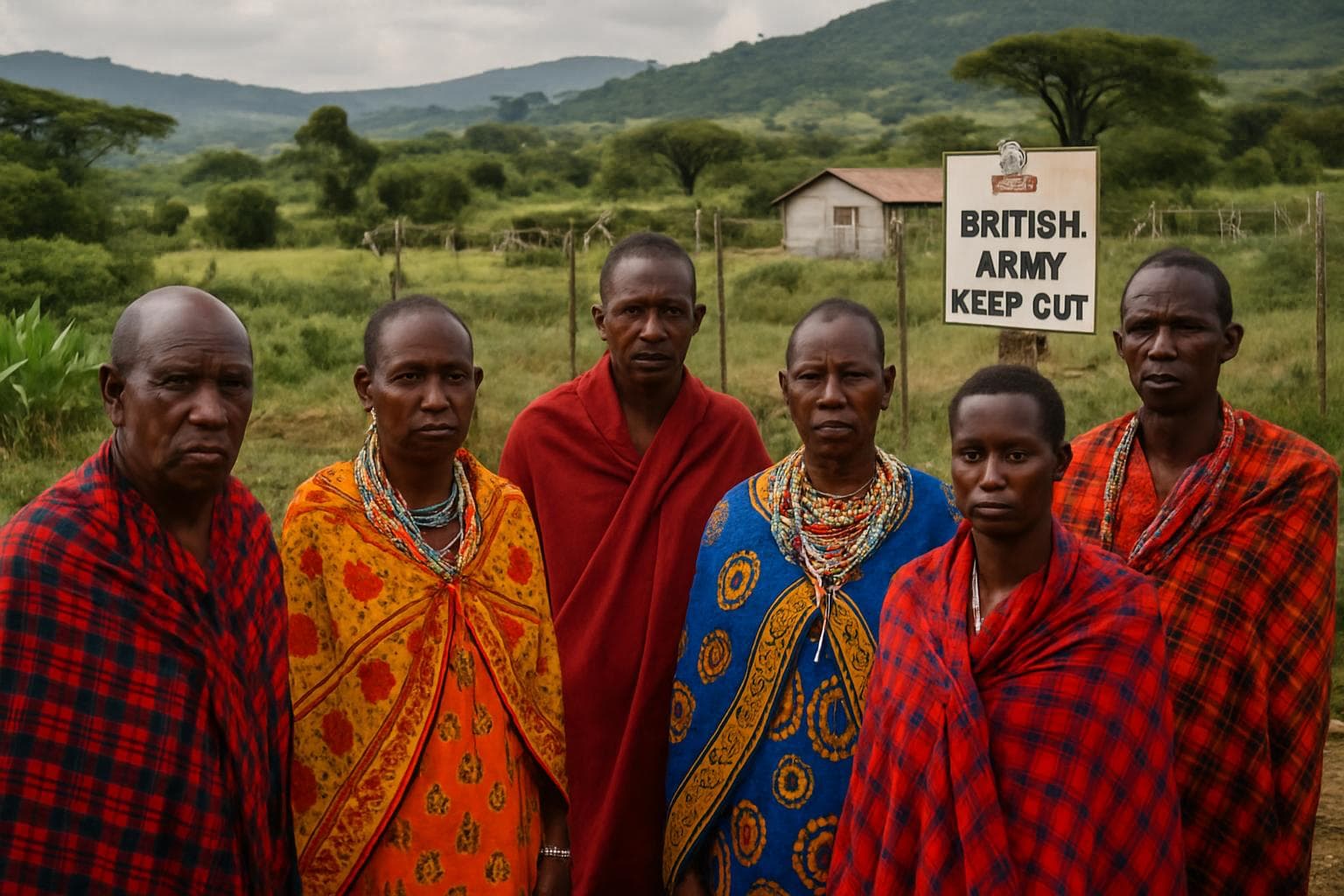
A comprehensive report by Kenya's parliamentary Committee on Defence, Intelligence, and Foreign Relations has accused British soldiers of committing human rights violations, sexual abuse, and environmental destruction over several decades. The British Army Training Unit in Kenya (Batuk), stationed near Nanyuki, has been at the center of these allegations, which have sparked significant controversy and calls for accountability.
Allegations of Misconduct and Abuse
The inquiry, which spanned two years and resulted in a 94-page report, gathered testimonies from affected communities in Laikipia and Samburu counties. It detailed numerous instances of misconduct, including sexual abuse, killings, and environmental negligence. The report highlighted the murder of Agnes Wanjiru in 2012, whose body was discovered in a hotel septic tank after she was last seen with British soldiers. A former British soldier has been arrested in connection with her death, with extradition proceedings underway.
Another case involved the shooting of herder Tilam Leresh by a Batuk sergeant, an incident that remains unresolved. The report criticized Batuk for its lack of cooperation, citing claims of diplomatic immunity and obstruction of justice.
Environmental and Social Impact
The committee also raised concerns about the environmental impact of Batuk's military exercises, which have reportedly caused ecological damage in training areas. Witnesses described how explosions and troop movements disrupted wildlife habitats, affecting local livelihoods and conservation efforts. The region, home to diverse wildlife, has suffered from these activities, leading to increased tensions between Batuk and local communities.
UK Response and Future Actions
The UK High Commission in Kenya acknowledged the allegations and expressed readiness to investigate them, provided evidence is forthcoming. However, the report noted that previous internal inquiries by Batuk had dismissed many complaints without publishing findings, further complicating the pursuit of justice for victims.
WHAT THIS MIGHT MEAN
The allegations against Batuk could strain UK-Kenya military relations, potentially impacting future training collaborations. If substantial evidence emerges, it may lead to legal proceedings against individuals involved, both in Kenya and the UK. The Kenyan government might push for stricter oversight of foreign military operations within its borders, emphasizing accountability and justice for affected communities. As the situation unfolds, international human rights organizations may increase pressure on both governments to address these serious allegations comprehensively.
Related Articles

British Soldier Faces Extradition to Kenya Over 2012 Murder Allegations
Deadly Clashes Erupt in Kenya as Protests Mark Anniversary of Anti-Government Unrest
Kenyan Nationals Recruited for Russia-Ukraine War Amid Allegations of Human Trafficking
South Africa Probes Mysterious Arrival of Palestinians Amidst Humanitarian Concerns
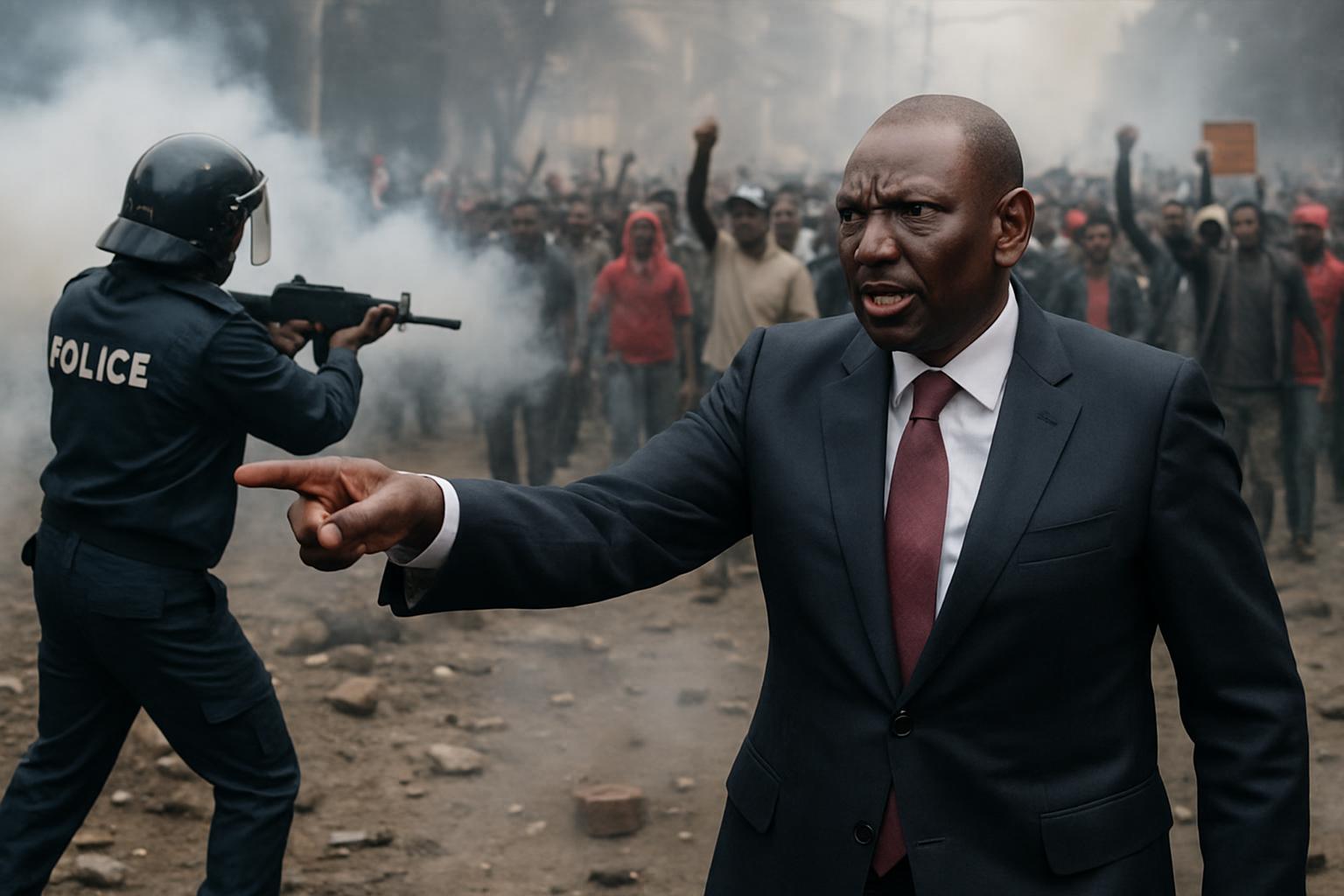
Kenyan President Orders Police to Shoot Protesters Amid Rising Unrest
Kenyan Inquiry Alleges Decades of Abuse by British Soldiers
In This Article
 Ethan Brooks| Published
 HIGHLIGHTS
- Kenya's parliament accuses British soldiers of decades-long human rights violations and environmental damage.
- The inquiry highlights sexual abuse, killings, and misconduct by British Army Training Unit in Kenya (Batuk).
- The UK High Commission in Kenya expresses willingness to investigate if evidence is provided.
- Notable cases include the murder of Agnes Wanjiru and the shooting of herder Tilam Leresh.
- The report criticizes Batuk for non-cooperation and claims of diplomatic immunity.
A comprehensive report by Kenya's parliamentary Committee on Defence, Intelligence, and Foreign Relations has accused British soldiers of committing human rights violations, sexual abuse, and environmental destruction over several decades. The British Army Training Unit in Kenya (Batuk), stationed near Nanyuki, has been at the center of these allegations, which have sparked significant controversy and calls for accountability.
Allegations of Misconduct and Abuse
The inquiry, which spanned two years and resulted in a 94-page report, gathered testimonies from affected communities in Laikipia and Samburu counties. It detailed numerous instances of misconduct, including sexual abuse, killings, and environmental negligence. The report highlighted the murder of Agnes Wanjiru in 2012, whose body was discovered in a hotel septic tank after she was last seen with British soldiers. A former British soldier has been arrested in connection with her death, with extradition proceedings underway.
Another case involved the shooting of herder Tilam Leresh by a Batuk sergeant, an incident that remains unresolved. The report criticized Batuk for its lack of cooperation, citing claims of diplomatic immunity and obstruction of justice.
Environmental and Social Impact
The committee also raised concerns about the environmental impact of Batuk's military exercises, which have reportedly caused ecological damage in training areas. Witnesses described how explosions and troop movements disrupted wildlife habitats, affecting local livelihoods and conservation efforts. The region, home to diverse wildlife, has suffered from these activities, leading to increased tensions between Batuk and local communities.
UK Response and Future Actions
The UK High Commission in Kenya acknowledged the allegations and expressed readiness to investigate them, provided evidence is forthcoming. However, the report noted that previous internal inquiries by Batuk had dismissed many complaints without publishing findings, further complicating the pursuit of justice for victims.
WHAT THIS MIGHT MEAN
The allegations against Batuk could strain UK-Kenya military relations, potentially impacting future training collaborations. If substantial evidence emerges, it may lead to legal proceedings against individuals involved, both in Kenya and the UK. The Kenyan government might push for stricter oversight of foreign military operations within its borders, emphasizing accountability and justice for affected communities. As the situation unfolds, international human rights organizations may increase pressure on both governments to address these serious allegations comprehensively.
Related Articles
British Soldier Faces Extradition to Kenya Over 2012 Murder Allegations
Deadly Clashes Erupt in Kenya as Protests Mark Anniversary of Anti-Government Unrest
Kenyan Nationals Recruited for Russia-Ukraine War Amid Allegations of Human Trafficking
South Africa Probes Mysterious Arrival of Palestinians Amidst Humanitarian Concerns
Kenyan President Orders Police to Shoot Protesters Amid Rising Unrest