
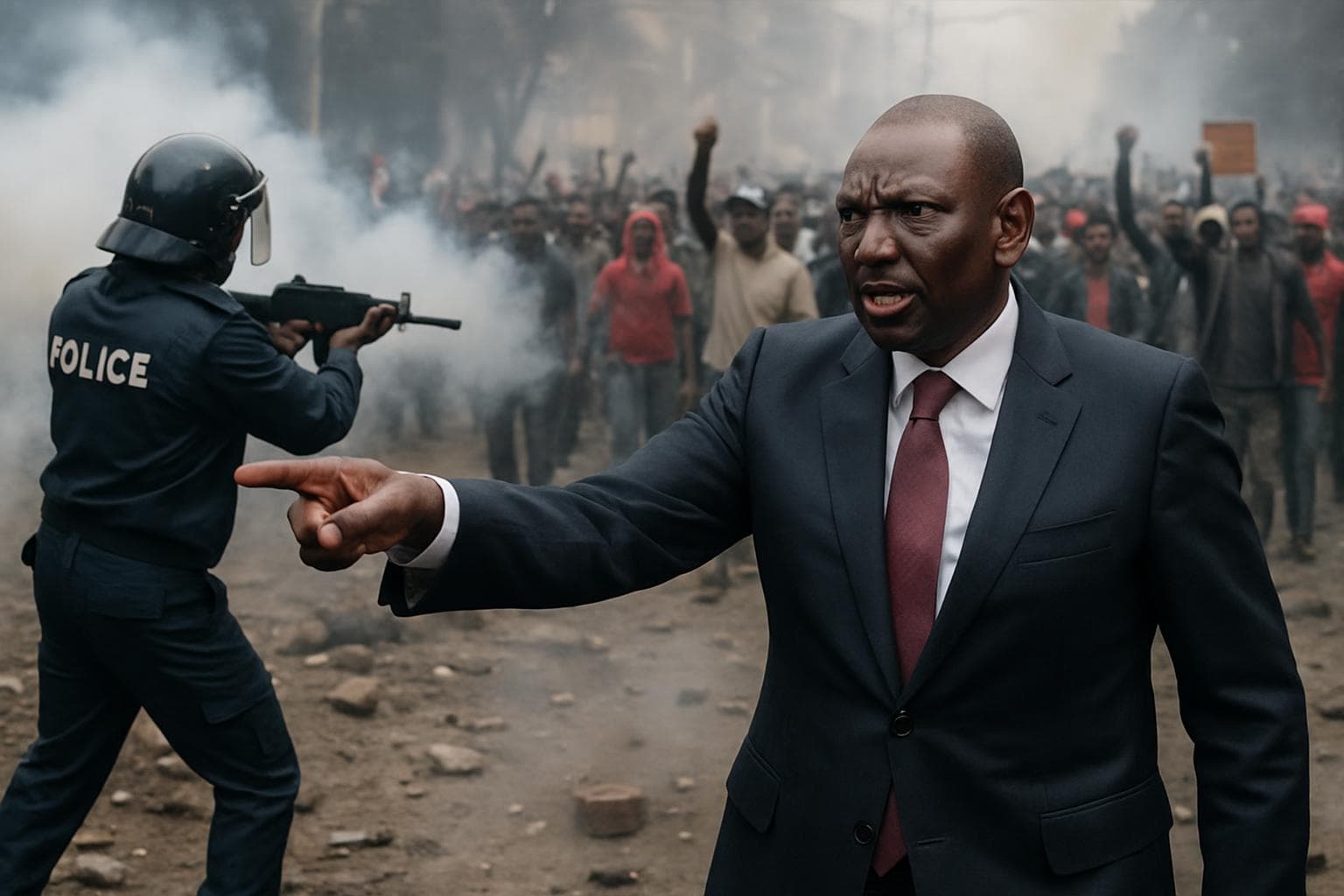
Kenyan President Orders Police to Shoot Protesters Amid Rising Unrest
In This Article
HIGHLIGHTS
- Kenyan President William Ruto has ordered police to shoot protesters in the legs to incapacitate them, amid rising anti-government protests.
- The protests, which began over economic issues and police brutality, have resulted in at least 31 deaths and over 100 injuries, according to the Kenya National Commission on Human Rights.
- The UN and human rights organizations have condemned the use of excessive force by police, including the killing of a 12-year-old girl by a stray bullet.
- Ruto has accused political opponents of orchestrating the protests and insists that any change in government should occur through elections, not demonstrations.
- Rising youth unemployment and economic challenges continue to fuel public discontent in Kenya.
In a controversial move, Kenyan President William Ruto has instructed police to shoot protesters in the legs to incapacitate them, as the nation grapples with escalating anti-government demonstrations. The protests, sparked by economic stagnation and allegations of police brutality, have resulted in significant casualties, with the Kenya National Commission on Human Rights reporting 31 deaths and over 100 injuries.
Rising Tensions and Human Rights Concerns
The unrest, which began as a youth-led movement against proposed tax increases, has grown into widespread calls for reform and President Ruto's resignation. The United Nations and various human rights groups have criticized the Kenyan police for their heavy-handed response, including the use of lethal ammunition. UNICEF has condemned the tragic death of a 12-year-old girl, killed by a stray bullet during the protests.
Political Accusations and Government Response
President Ruto has accused his political rivals of orchestrating the demonstrations, labeling attacks on police and security installations as acts of terrorism. "This country will not be destroyed by a few people who are impatient and who want a change of government using unconstitutional means," Ruto declared, emphasizing that any governmental change should occur through the ballot box in the 2027 elections.
Economic Challenges Fueling Discontent
The protests have been further fueled by Kenya's economic challenges, including high youth unemployment and rising living costs. The death of blogger Albert Ojwang in police custody last month has intensified public anger, drawing more people to the streets. Despite the government's efforts to quell the unrest, including dismissing nearly all of Ruto's cabinet, public dissatisfaction remains high.
WHAT THIS MIGHT MEAN
The ongoing unrest in Kenya presents significant challenges for President Ruto's administration. If the government continues to employ heavy-handed tactics, it risks further alienating the public and attracting international condemnation. Conversely, addressing the root causes of the protests, such as economic hardship and police reform, could help restore stability. As the 2027 elections approach, Ruto's handling of the situation may significantly impact his political future and the country's democratic trajectory.
Images from the Web
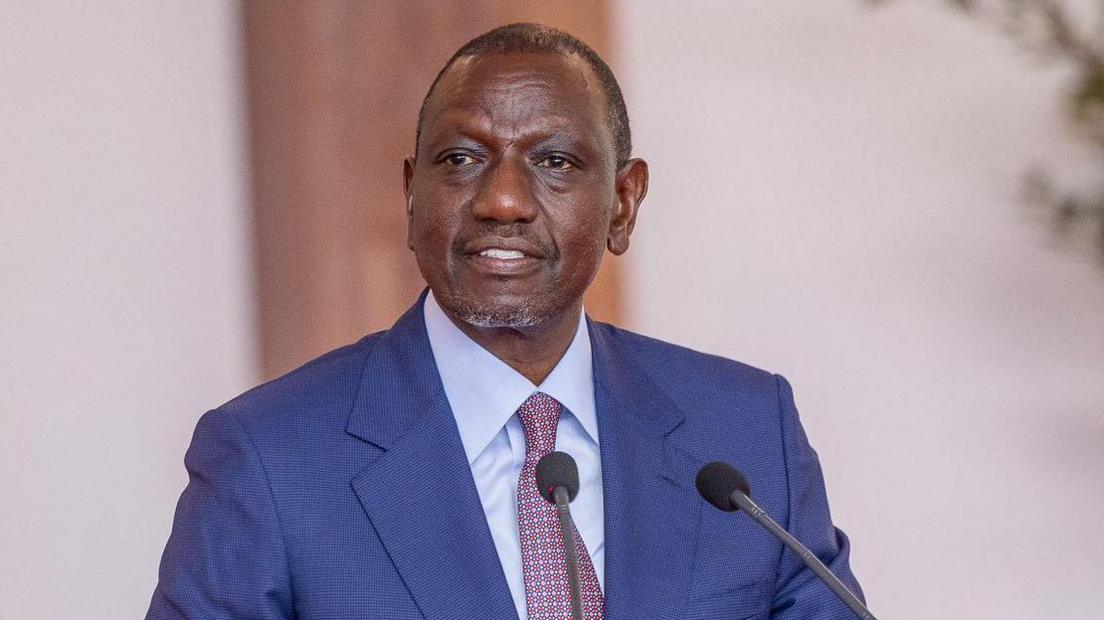
Related Articles
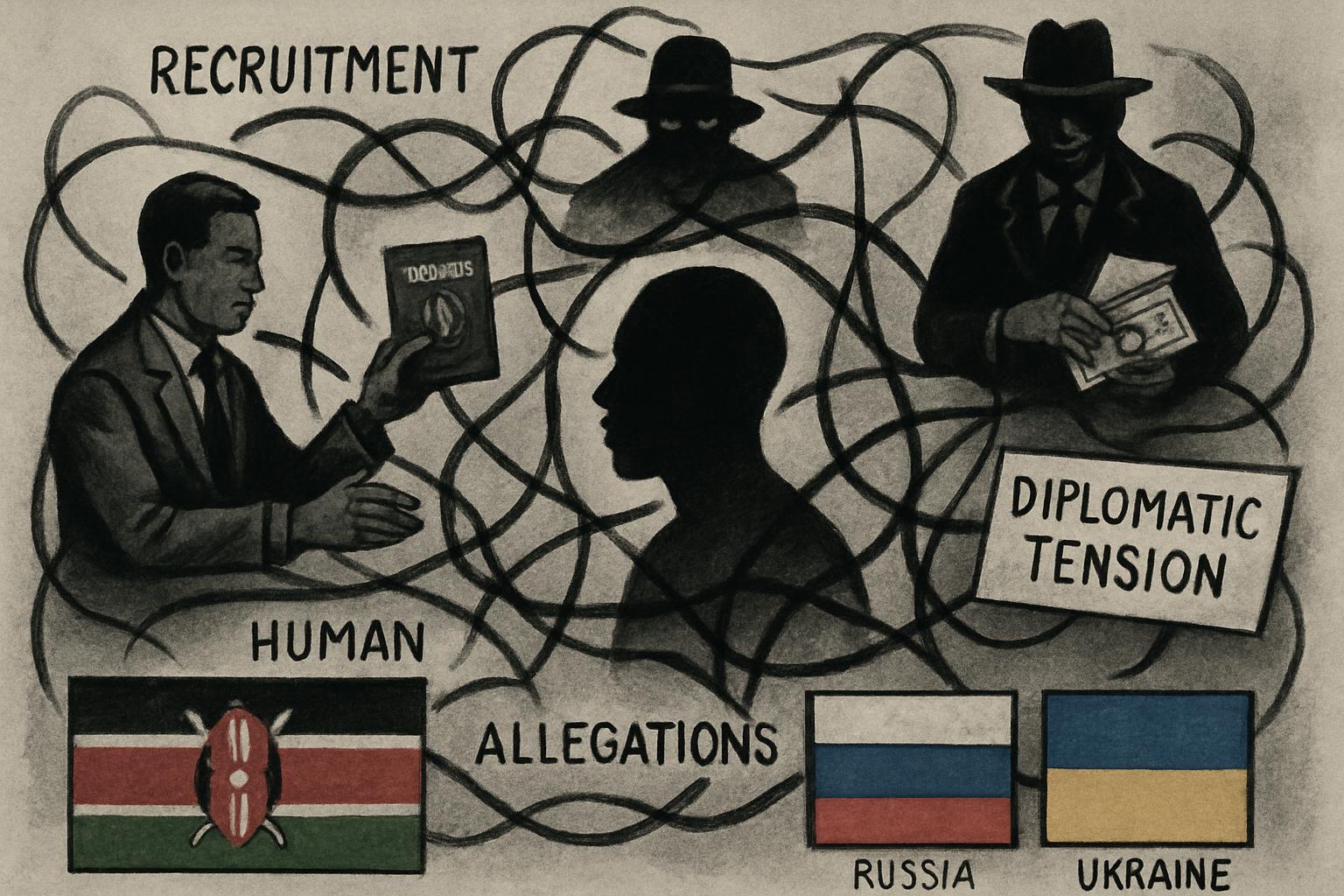
Kenyan Nationals Recruited for Russia-Ukraine War Amid Allegations of Human Trafficking
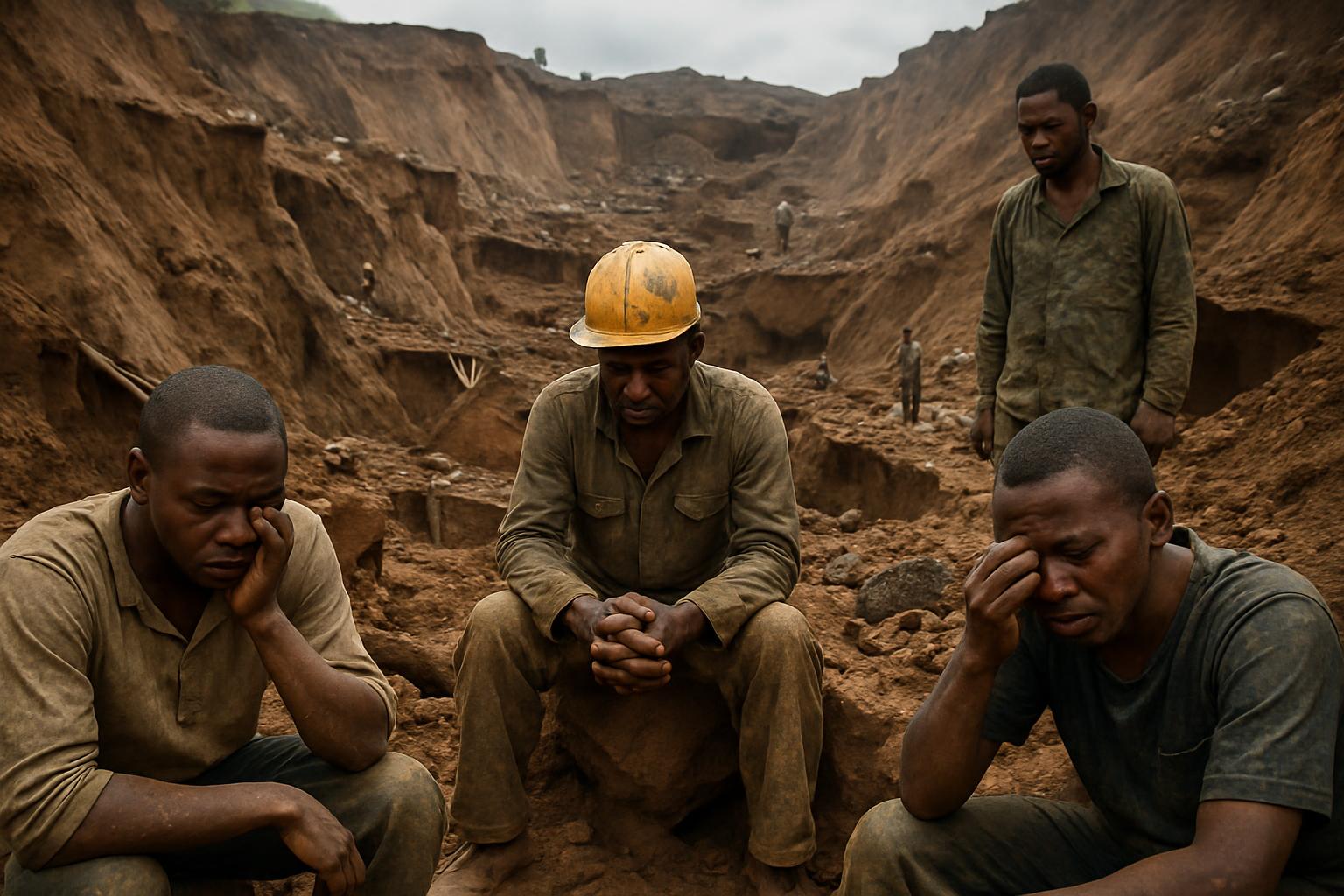
Tragedy Strikes as Over 200 Perish in DR Congo Coltan Mine Collapse
Intensified US-Israel Strikes on Iran Spark Global Outcry
Canada Calls for De-escalation Amid US-Israel Strikes on Iran

Palestinian-American Teen Killed by Israeli Settlers in West Bank Sparks Calls for Accountability

US-Iran Tensions Escalate Amid Military Buildup and Diplomatic Deadlock
Kenyan President Orders Police to Shoot Protesters Amid Rising Unrest
In This Article
 James Okoro| Published
 HIGHLIGHTS
- Kenyan President William Ruto has ordered police to shoot protesters in the legs to incapacitate them, amid rising anti-government protests.
- The protests, which began over economic issues and police brutality, have resulted in at least 31 deaths and over 100 injuries, according to the Kenya National Commission on Human Rights.
- The UN and human rights organizations have condemned the use of excessive force by police, including the killing of a 12-year-old girl by a stray bullet.
- Ruto has accused political opponents of orchestrating the protests and insists that any change in government should occur through elections, not demonstrations.
- Rising youth unemployment and economic challenges continue to fuel public discontent in Kenya.
In a controversial move, Kenyan President William Ruto has instructed police to shoot protesters in the legs to incapacitate them, as the nation grapples with escalating anti-government demonstrations. The protests, sparked by economic stagnation and allegations of police brutality, have resulted in significant casualties, with the Kenya National Commission on Human Rights reporting 31 deaths and over 100 injuries.
Rising Tensions and Human Rights Concerns
The unrest, which began as a youth-led movement against proposed tax increases, has grown into widespread calls for reform and President Ruto's resignation. The United Nations and various human rights groups have criticized the Kenyan police for their heavy-handed response, including the use of lethal ammunition. UNICEF has condemned the tragic death of a 12-year-old girl, killed by a stray bullet during the protests.
Political Accusations and Government Response
President Ruto has accused his political rivals of orchestrating the demonstrations, labeling attacks on police and security installations as acts of terrorism. "This country will not be destroyed by a few people who are impatient and who want a change of government using unconstitutional means," Ruto declared, emphasizing that any governmental change should occur through the ballot box in the 2027 elections.
Economic Challenges Fueling Discontent
The protests have been further fueled by Kenya's economic challenges, including high youth unemployment and rising living costs. The death of blogger Albert Ojwang in police custody last month has intensified public anger, drawing more people to the streets. Despite the government's efforts to quell the unrest, including dismissing nearly all of Ruto's cabinet, public dissatisfaction remains high.
WHAT THIS MIGHT MEAN
The ongoing unrest in Kenya presents significant challenges for President Ruto's administration. If the government continues to employ heavy-handed tactics, it risks further alienating the public and attracting international condemnation. Conversely, addressing the root causes of the protests, such as economic hardship and police reform, could help restore stability. As the 2027 elections approach, Ruto's handling of the situation may significantly impact his political future and the country's democratic trajectory.
Images from the Web
Related Articles
Kenyan Nationals Recruited for Russia-Ukraine War Amid Allegations of Human Trafficking
Tragedy Strikes as Over 200 Perish in DR Congo Coltan Mine Collapse
Intensified US-Israel Strikes on Iran Spark Global Outcry
Canada Calls for De-escalation Amid US-Israel Strikes on Iran
Palestinian-American Teen Killed by Israeli Settlers in West Bank Sparks Calls for Accountability
US-Iran Tensions Escalate Amid Military Buildup and Diplomatic Deadlock