
Kim Jong Un Attends Beijing Military Parade Amid Global Diplomatic Tensions

In This Article
HIGHLIGHTS
- North Korean leader Kim Jong Un is attending a military parade in Beijing, marking his first multilateral international meeting.
- Kim traveled to China on his signature armoured train, a tradition among North Korean leaders, which includes luxurious amenities.
- The parade commemorates the 80th anniversary of Japan's surrender in World War II and will feature China's latest military technology.
- Leaders from Russia, Myanmar, Iran, and Cuba will also attend, highlighting China's diplomatic ties with these nations.
- Western leaders are largely absent due to opposition to Russia's actions in Ukraine, with only Slovakia's Prime Minister attending from the EU.
North Korean leader Kim Jong Un has embarked on a rare international journey to attend a significant military parade in Beijing, marking a notable moment in global diplomacy. This event, commemorating the 80th anniversary of Japan's surrender in World War II, sees Kim joining a select group of world leaders, including China's President Xi Jinping and Russia's Vladimir Putin.
A Journey by Armoured Train
Kim's journey to China was made aboard his iconic armoured train, a mode of transport steeped in North Korean tradition. The train, described as a "moving fortress," offers a secure and comfortable environment, complete with luxurious amenities such as fine dining and conference facilities. This method of travel, favored by Kim's predecessors, underscores the North Korean leader's preference for security and tradition over speed.
Diplomatic Significance
The Beijing parade is not just a display of military might but a platform for diplomatic engagement. Kim's presence marks his first participation in a multilateral event, reflecting North Korea's strategic interest in strengthening ties with China and Russia. The parade will showcase China's latest military advancements, including cutting-edge aircraft and anti-drone systems, underscoring its growing military capabilities.
Global Reactions and Absences
While the parade draws leaders from countries like Myanmar, Iran, and Cuba, Western leaders are notably absent. This absence is largely attributed to their opposition to Russia's ongoing conflict in Ukraine, which has strained relations with Moscow. Slovakia's Prime Minister Robert Fico is the sole EU leader attending, highlighting the geopolitical divides that continue to shape international relations.
WHAT THIS MIGHT MEAN
Kim Jong Un's participation in the Beijing military parade could signal a shift in North Korea's diplomatic strategy, potentially paving the way for increased engagement with China and Russia. This development may lead to strengthened alliances among these nations, particularly in the face of Western opposition. Experts suggest that this alignment could influence future geopolitical dynamics, especially in the Asia-Pacific region.
The absence of Western leaders at the parade underscores the ongoing tensions between Russia and the West, particularly over the conflict in Ukraine. As China continues to bolster its military capabilities and diplomatic ties with neighboring countries, the global balance of power may experience further shifts, prompting new strategic alliances and rivalries.
Related Articles
Russian LNG Tanker Sinks in Mediterranean Amid Accusations of Ukrainian Drone Attack

UK Faces Dilemmas Amid Iran Conflict and China Spying Allegations
China Sets Lowest GDP Growth Target in Decades Amid Economic Challenges
Spain's Sánchez Stands Firm Against Trump's Trade Threat Over Iran Stance
Canada and Australia Forge Strategic Partnership Amid Global Uncertainty
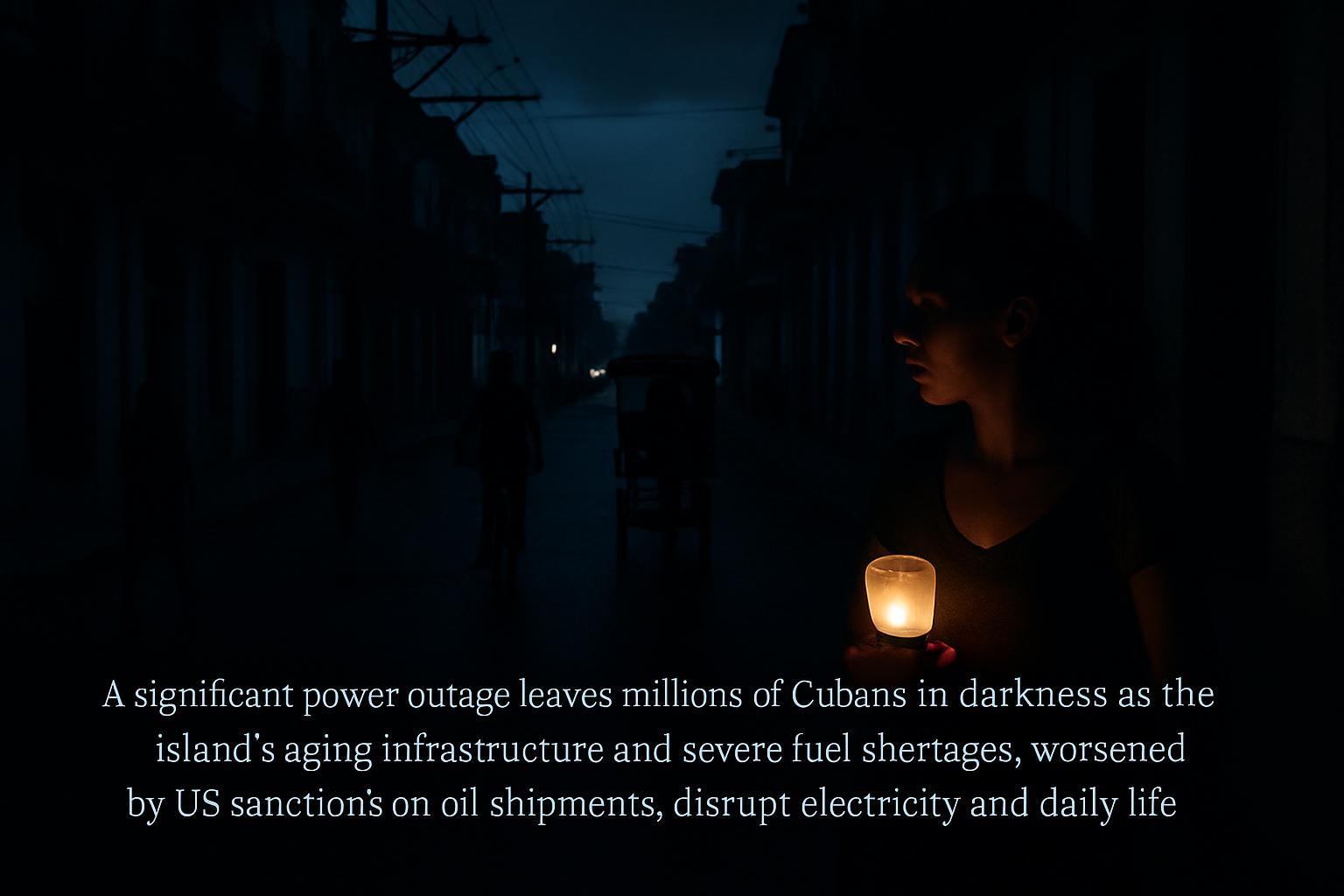
Cuba Faces Widespread Blackout Amid Deepening Fuel Crisis
Kim Jong Un Attends Beijing Military Parade Amid Global Diplomatic Tensions
In This Article
HIGHLIGHTS
- North Korean leader Kim Jong Un is attending a military parade in Beijing, marking his first multilateral international meeting.
- Kim traveled to China on his signature armoured train, a tradition among North Korean leaders, which includes luxurious amenities.
- The parade commemorates the 80th anniversary of Japan's surrender in World War II and will feature China's latest military technology.
- Leaders from Russia, Myanmar, Iran, and Cuba will also attend, highlighting China's diplomatic ties with these nations.
- Western leaders are largely absent due to opposition to Russia's actions in Ukraine, with only Slovakia's Prime Minister attending from the EU.
North Korean leader Kim Jong Un has embarked on a rare international journey to attend a significant military parade in Beijing, marking a notable moment in global diplomacy. This event, commemorating the 80th anniversary of Japan's surrender in World War II, sees Kim joining a select group of world leaders, including China's President Xi Jinping and Russia's Vladimir Putin.
A Journey by Armoured Train
Kim's journey to China was made aboard his iconic armoured train, a mode of transport steeped in North Korean tradition. The train, described as a "moving fortress," offers a secure and comfortable environment, complete with luxurious amenities such as fine dining and conference facilities. This method of travel, favored by Kim's predecessors, underscores the North Korean leader's preference for security and tradition over speed.
Diplomatic Significance
The Beijing parade is not just a display of military might but a platform for diplomatic engagement. Kim's presence marks his first participation in a multilateral event, reflecting North Korea's strategic interest in strengthening ties with China and Russia. The parade will showcase China's latest military advancements, including cutting-edge aircraft and anti-drone systems, underscoring its growing military capabilities.
Global Reactions and Absences
While the parade draws leaders from countries like Myanmar, Iran, and Cuba, Western leaders are notably absent. This absence is largely attributed to their opposition to Russia's ongoing conflict in Ukraine, which has strained relations with Moscow. Slovakia's Prime Minister Robert Fico is the sole EU leader attending, highlighting the geopolitical divides that continue to shape international relations.
WHAT THIS MIGHT MEAN
Kim Jong Un's participation in the Beijing military parade could signal a shift in North Korea's diplomatic strategy, potentially paving the way for increased engagement with China and Russia. This development may lead to strengthened alliances among these nations, particularly in the face of Western opposition. Experts suggest that this alignment could influence future geopolitical dynamics, especially in the Asia-Pacific region.
The absence of Western leaders at the parade underscores the ongoing tensions between Russia and the West, particularly over the conflict in Ukraine. As China continues to bolster its military capabilities and diplomatic ties with neighboring countries, the global balance of power may experience further shifts, prompting new strategic alliances and rivalries.
Related Articles
Russian LNG Tanker Sinks in Mediterranean Amid Accusations of Ukrainian Drone Attack
UK Faces Dilemmas Amid Iran Conflict and China Spying Allegations
China Sets Lowest GDP Growth Target in Decades Amid Economic Challenges
Spain's Sánchez Stands Firm Against Trump's Trade Threat Over Iran Stance
Canada and Australia Forge Strategic Partnership Amid Global Uncertainty
Cuba Faces Widespread Blackout Amid Deepening Fuel Crisis