
Labour MP Resigns Over Controversial Disability Benefit Cuts
In This Article
HIGHLIGHTS
- Labour MP Vicky Foxcroft resigned as a whip over proposed cuts to disability benefits, citing disagreement with the government's welfare reform plans.
- The government aims to tighten criteria for personal independence payments (PIPs) and reduce universal credit, sparking concern among over 100 Labour MPs.
- Culture Secretary Lisa Nandy downplayed the likelihood of a major rebellion, despite widespread unease within the party.
- Work and Pensions Secretary Liz Kendall defended the reforms, emphasizing the need to support those who can work while protecting the severely disabled.
- The proposed changes are part of a broader £4.8 billion welfare reduction initiative, aiming to address rising claimant levels.
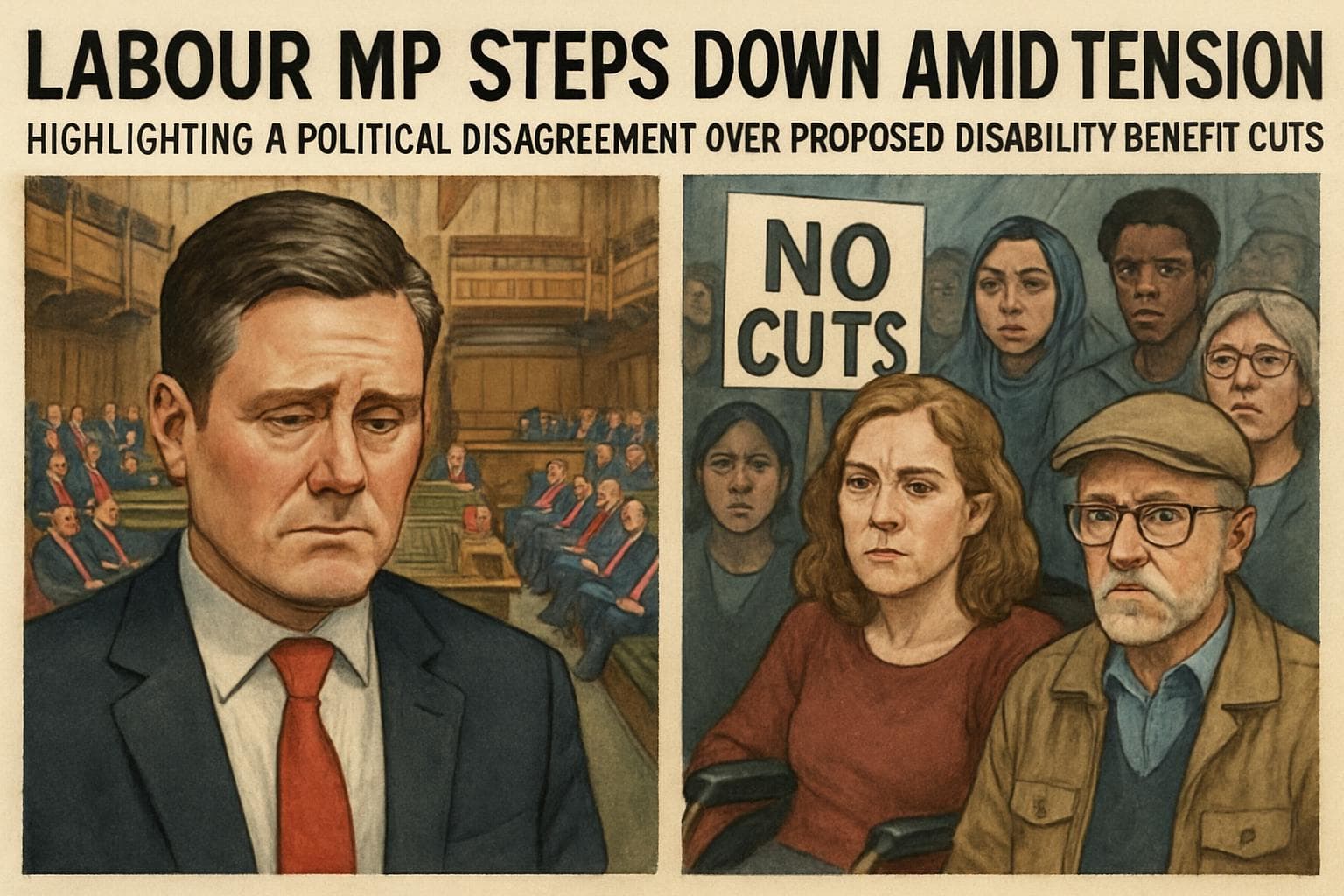
Labour MP Vicky Foxcroft has stepped down as a government whip in protest against the proposed cuts to disability benefits, a move that underscores the growing tension within the party over the government's welfare reform plans. Foxcroft, who previously served as the shadow disability minister, expressed her inability to support the cuts to personal independence payments (PIPs) and universal credit, arguing that such measures should not be part of the solution to the escalating welfare bill.
In her resignation letter to the Prime Minister, Foxcroft highlighted the struggles faced by disabled individuals, emphasizing that the current system leaves many in poverty and fear. "The last Conservative government left many in poverty and living life in fear of losing their support," she wrote, advocating for reforms that support more disabled people into work rather than cutting essential benefits.
Government Faces Potential Rebellion
The government's welfare bill, which aims to tighten the criteria for PIPs and reduce the sickness-related element of universal credit, has sparked concern among over 100 Labour MPs. Despite this, Culture Secretary Lisa Nandy has downplayed the likelihood of a major rebellion, stating that Foxcroft was the only frontbencher to discuss resignation with her. Nandy remains confident that the proposed reforms are the right approach to support those who can work while protecting the most vulnerable.
Defending the Reforms
Work and Pensions Secretary Liz Kendall defended the government's stance, stating that the welfare system is in desperate need of reform. She emphasized that the reforms are designed to ensure that those who can work are supported, while those with severe disabilities are protected. Kendall also pointed out that the number of PIP claimants has reached a record high of 3.7 million, necessitating changes to make the system more sustainable.
Impact on Disabled Individuals
The proposed changes, part of a broader £4.8 billion welfare reduction initiative, have raised concerns about their impact on disabled individuals. Critics argue that the cuts could leave many without the necessary support to live independently. Foxcroft's resignation highlights the ongoing debate within the Labour party about the best approach to welfare reform, with many MPs calling for a more compassionate and supportive system.
WHAT THIS MIGHT MEAN
As the government prepares for a vote on the welfare bill, the potential for a significant rebellion looms. If a substantial number of Labour MPs oppose the bill, it could force the government to reconsider its approach to welfare reform. Experts suggest that the government may need to engage in further dialogue with concerned MPs to address their concerns and ensure that the reforms do not disproportionately impact the most vulnerable.
Politically, the resignation of a prominent MP like Foxcroft could embolden other dissenting voices within the party, potentially leading to further resignations or public opposition. The government's ability to navigate this internal dissent will be crucial in determining the future of its welfare reform agenda and its broader political stability.
Related Articles

Anas Sarwar Denies Plot Against Starmer Amid Labour Party Turmoil
Keir Starmer Faces Pressure Over Appointments and Calls for Cultural Change
UK Government to Reform Asylum Seeker Support and Employment Policies

Labour MP's Husband Arrested in UK-China Espionage Probe
Chris Wormald Resigns as UK Cabinet Secretary Amid Political Reshuffle

UK Faces Dilemmas Amid Iran Conflict and China Spying Allegations
Labour MP Resigns Over Controversial Disability Benefit Cuts
In This Article
 Alex Carter| Published
 HIGHLIGHTS
- Labour MP Vicky Foxcroft resigned as a whip over proposed cuts to disability benefits, citing disagreement with the government's welfare reform plans.
- The government aims to tighten criteria for personal independence payments (PIPs) and reduce universal credit, sparking concern among over 100 Labour MPs.
- Culture Secretary Lisa Nandy downplayed the likelihood of a major rebellion, despite widespread unease within the party.
- Work and Pensions Secretary Liz Kendall defended the reforms, emphasizing the need to support those who can work while protecting the severely disabled.
- The proposed changes are part of a broader £4.8 billion welfare reduction initiative, aiming to address rising claimant levels.
Labour MP Vicky Foxcroft has stepped down as a government whip in protest against the proposed cuts to disability benefits, a move that underscores the growing tension within the party over the government's welfare reform plans. Foxcroft, who previously served as the shadow disability minister, expressed her inability to support the cuts to personal independence payments (PIPs) and universal credit, arguing that such measures should not be part of the solution to the escalating welfare bill.
In her resignation letter to the Prime Minister, Foxcroft highlighted the struggles faced by disabled individuals, emphasizing that the current system leaves many in poverty and fear. "The last Conservative government left many in poverty and living life in fear of losing their support," she wrote, advocating for reforms that support more disabled people into work rather than cutting essential benefits.
Government Faces Potential Rebellion
The government's welfare bill, which aims to tighten the criteria for PIPs and reduce the sickness-related element of universal credit, has sparked concern among over 100 Labour MPs. Despite this, Culture Secretary Lisa Nandy has downplayed the likelihood of a major rebellion, stating that Foxcroft was the only frontbencher to discuss resignation with her. Nandy remains confident that the proposed reforms are the right approach to support those who can work while protecting the most vulnerable.
Defending the Reforms
Work and Pensions Secretary Liz Kendall defended the government's stance, stating that the welfare system is in desperate need of reform. She emphasized that the reforms are designed to ensure that those who can work are supported, while those with severe disabilities are protected. Kendall also pointed out that the number of PIP claimants has reached a record high of 3.7 million, necessitating changes to make the system more sustainable.
Impact on Disabled Individuals
The proposed changes, part of a broader £4.8 billion welfare reduction initiative, have raised concerns about their impact on disabled individuals. Critics argue that the cuts could leave many without the necessary support to live independently. Foxcroft's resignation highlights the ongoing debate within the Labour party about the best approach to welfare reform, with many MPs calling for a more compassionate and supportive system.
WHAT THIS MIGHT MEAN
As the government prepares for a vote on the welfare bill, the potential for a significant rebellion looms. If a substantial number of Labour MPs oppose the bill, it could force the government to reconsider its approach to welfare reform. Experts suggest that the government may need to engage in further dialogue with concerned MPs to address their concerns and ensure that the reforms do not disproportionately impact the most vulnerable.
Politically, the resignation of a prominent MP like Foxcroft could embolden other dissenting voices within the party, potentially leading to further resignations or public opposition. The government's ability to navigate this internal dissent will be crucial in determining the future of its welfare reform agenda and its broader political stability.
Related Articles
Anas Sarwar Denies Plot Against Starmer Amid Labour Party Turmoil
Keir Starmer Faces Pressure Over Appointments and Calls for Cultural Change
UK Government to Reform Asylum Seeker Support and Employment Policies
Labour MP's Husband Arrested in UK-China Espionage Probe
Chris Wormald Resigns as UK Cabinet Secretary Amid Political Reshuffle
UK Faces Dilemmas Amid Iran Conflict and China Spying Allegations