
Labour MPs Rebel Against UK Government's Controversial Welfare Reforms
In This Article
HIGHLIGHTS
- Over 120 Labour MPs, including a quarter of Scottish Labour MPs, are rebelling against the UK government's proposed welfare reforms.
- The reforms aim to save £5 billion annually by 2030, primarily through cuts to disability and sickness-related benefits.
- Prime Minister Keir Starmer insists the current welfare system is "unsustainable" and plans to proceed with the changes despite internal opposition.
- Critics, including London Mayor Sadiq Khan, warn the changes could push hundreds of thousands into poverty and disproportionately affect disabled individuals.
- The proposed bill will be debated in the Commons next Tuesday, with a significant Labour rebellion threatening the government's majority.
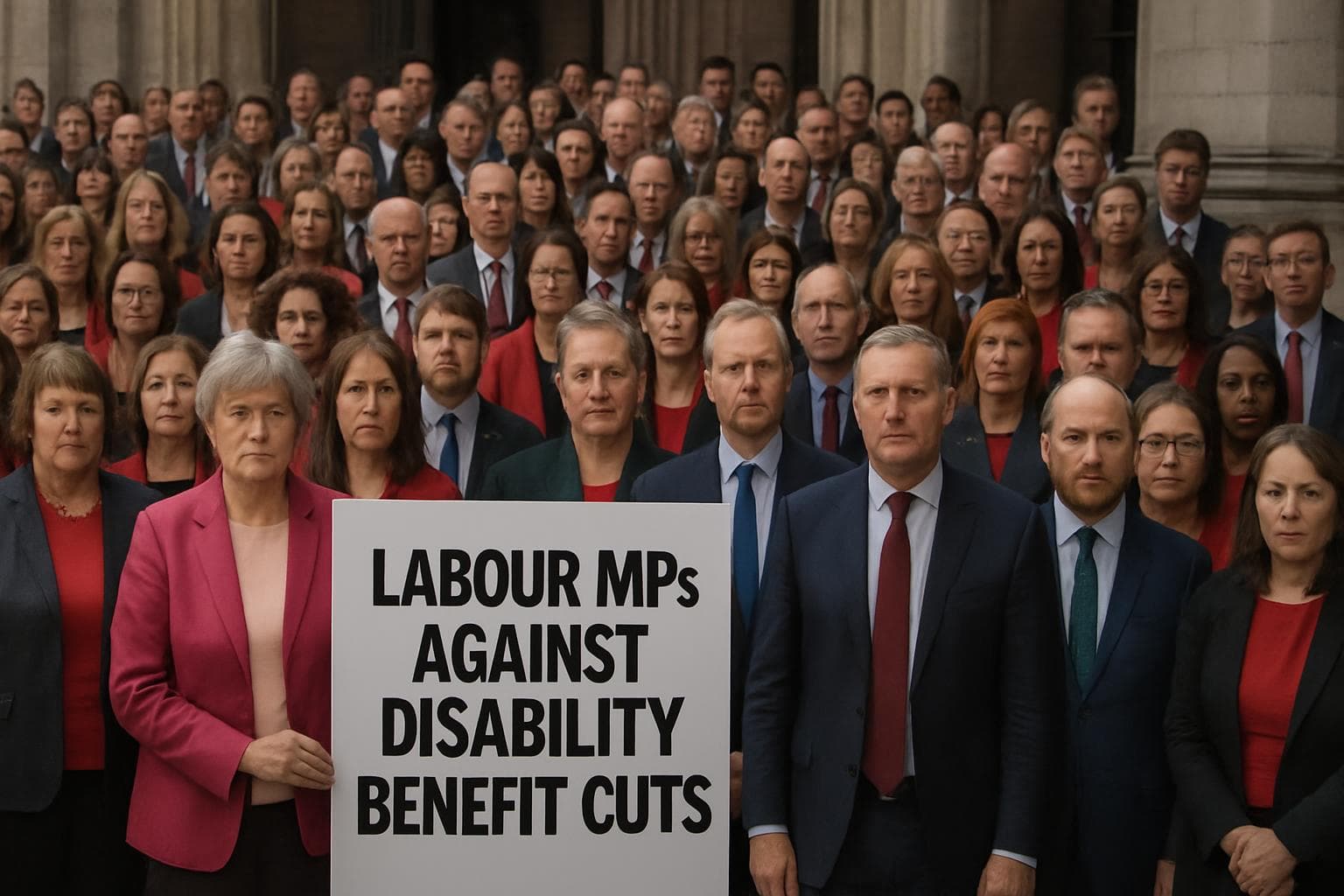
A significant rebellion is brewing within the Labour Party as over 120 MPs, including a substantial number from Scotland, oppose the UK government's proposed welfare reforms. The reforms, spearheaded by Prime Minister Keir Starmer, aim to cut disability and sickness-related benefits to save £5 billion annually by 2030. However, the plan has sparked widespread dissent, with critics arguing it could push vulnerable populations into poverty.
Growing Rebellion Among Labour MPs
The proposed changes to the welfare system have met with fierce resistance from within the Labour Party. More than a quarter of Scottish Labour MPs, alongside over 100 of their colleagues, have signed an amendment to block the reforms. The amendment highlights concerns about the potential for increased poverty and inadequate consultation with affected communities. Notable figures such as Glasgow West MP Patricia Ferguson and outspoken critic Brian Leishman have voiced their opposition, emphasizing the detrimental impact on disabled individuals.
Prime Minister's Stance on Welfare Reform
Despite the mounting opposition, Prime Minister Keir Starmer remains resolute in his commitment to the reforms. Speaking ahead of a NATO summit, Starmer described the current welfare system as "unsustainable," arguing that it traps individuals on benefits and requires urgent reform. He acknowledged the scale of the rebellion but maintained that the changes are necessary to ensure the system's future viability.
Concerns from Local Leaders and Experts
The proposed reforms have also drawn criticism from local leaders and experts. London Mayor Sadiq Khan has joined the chorus of opposition, warning that the changes could "destroy the financial safety net" for many Londoners. The Greater London Authority estimates that the reforms could result in significant financial losses for disabled residents. Similarly, Welsh ministers have expressed concerns about the potential economic impact and increased risk of mental health issues among affected individuals.
Impending Parliamentary Vote
The Universal Credit and Personal Independence Payment Bill is set to be debated in the House of Commons next Tuesday. The rebellion poses a significant threat to the government's working majority, with the potential to derail the proposed legislation. Labour MP Dame Meg Hillier, who tabled the amendment, has called for a pause in the bill's progression, urging the government to reconsider its approach and engage in meaningful consultation with stakeholders.
WHAT THIS MIGHT MEAN
As the parliamentary vote approaches, the outcome remains uncertain. If the rebellion succeeds, it could force the government to reconsider its approach to welfare reform, potentially leading to a more inclusive consultation process. However, if the bill passes, it may result in significant changes to the welfare system, impacting millions of recipients. The situation underscores the delicate balance between fiscal responsibility and social welfare, with implications for the Labour Party's unity and the government's legislative agenda. Experts suggest that a failure to address the concerns of dissenting MPs could lead to further political instability and challenges to Starmer's leadership.
Images from the Web

Related Articles

Labour MP's Husband Arrested in UK-China Espionage Probe

UK Faces Dilemmas Amid Iran Conflict and China Spying Allegations

UK-Iran Tensions: Starmer Defends Cautious Approach Amid Trump Criticism

Diplomatic Tensions Rise as Trump Criticizes Starmer's Iran Policy

UK Government to Reform Asylum Seeker Support and Employment Policies

Sisters Tragically Drown at Eryri National Park's Watkin Path
Labour MPs Rebel Against UK Government's Controversial Welfare Reforms
In This Article
 Ethan Brooks| Published
 HIGHLIGHTS
- Over 120 Labour MPs, including a quarter of Scottish Labour MPs, are rebelling against the UK government's proposed welfare reforms.
- The reforms aim to save £5 billion annually by 2030, primarily through cuts to disability and sickness-related benefits.
- Prime Minister Keir Starmer insists the current welfare system is "unsustainable" and plans to proceed with the changes despite internal opposition.
- Critics, including London Mayor Sadiq Khan, warn the changes could push hundreds of thousands into poverty and disproportionately affect disabled individuals.
- The proposed bill will be debated in the Commons next Tuesday, with a significant Labour rebellion threatening the government's majority.
A significant rebellion is brewing within the Labour Party as over 120 MPs, including a substantial number from Scotland, oppose the UK government's proposed welfare reforms. The reforms, spearheaded by Prime Minister Keir Starmer, aim to cut disability and sickness-related benefits to save £5 billion annually by 2030. However, the plan has sparked widespread dissent, with critics arguing it could push vulnerable populations into poverty.
Growing Rebellion Among Labour MPs
The proposed changes to the welfare system have met with fierce resistance from within the Labour Party. More than a quarter of Scottish Labour MPs, alongside over 100 of their colleagues, have signed an amendment to block the reforms. The amendment highlights concerns about the potential for increased poverty and inadequate consultation with affected communities. Notable figures such as Glasgow West MP Patricia Ferguson and outspoken critic Brian Leishman have voiced their opposition, emphasizing the detrimental impact on disabled individuals.
Prime Minister's Stance on Welfare Reform
Despite the mounting opposition, Prime Minister Keir Starmer remains resolute in his commitment to the reforms. Speaking ahead of a NATO summit, Starmer described the current welfare system as "unsustainable," arguing that it traps individuals on benefits and requires urgent reform. He acknowledged the scale of the rebellion but maintained that the changes are necessary to ensure the system's future viability.
Concerns from Local Leaders and Experts
The proposed reforms have also drawn criticism from local leaders and experts. London Mayor Sadiq Khan has joined the chorus of opposition, warning that the changes could "destroy the financial safety net" for many Londoners. The Greater London Authority estimates that the reforms could result in significant financial losses for disabled residents. Similarly, Welsh ministers have expressed concerns about the potential economic impact and increased risk of mental health issues among affected individuals.
Impending Parliamentary Vote
The Universal Credit and Personal Independence Payment Bill is set to be debated in the House of Commons next Tuesday. The rebellion poses a significant threat to the government's working majority, with the potential to derail the proposed legislation. Labour MP Dame Meg Hillier, who tabled the amendment, has called for a pause in the bill's progression, urging the government to reconsider its approach and engage in meaningful consultation with stakeholders.
WHAT THIS MIGHT MEAN
As the parliamentary vote approaches, the outcome remains uncertain. If the rebellion succeeds, it could force the government to reconsider its approach to welfare reform, potentially leading to a more inclusive consultation process. However, if the bill passes, it may result in significant changes to the welfare system, impacting millions of recipients. The situation underscores the delicate balance between fiscal responsibility and social welfare, with implications for the Labour Party's unity and the government's legislative agenda. Experts suggest that a failure to address the concerns of dissenting MPs could lead to further political instability and challenges to Starmer's leadership.
Images from the Web
Related Articles
Labour MP's Husband Arrested in UK-China Espionage Probe
UK Faces Dilemmas Amid Iran Conflict and China Spying Allegations
UK-Iran Tensions: Starmer Defends Cautious Approach Amid Trump Criticism
Diplomatic Tensions Rise as Trump Criticizes Starmer's Iran Policy
UK Government to Reform Asylum Seeker Support and Employment Policies
Sisters Tragically Drown at Eryri National Park's Watkin Path