
Labour Party Faces Internal Strife as NEC Blocks Andy Burnham's Byelection Bid

In This Article
HIGHLIGHTS
- Labour's NEC blocked Andy Burnham from standing in a byelection, sparking internal party tensions.
- Keir Starmer faces criticism and potential leadership challenges due to the decision.
- The move has been described as a "stitch-up" and has led to accusations of cowardice against Starmer.
- The decision has been framed as igniting a "Labour civil war" by several UK newspapers.
- Critics argue that blocking Burnham could weaken Labour's position in Greater Manchester.
The Labour Party is embroiled in controversy following the decision by its National Executive Committee (NEC) to prevent Andy Burnham from contesting a parliamentary byelection. This move has intensified scrutiny on party leader Keir Starmer, with accusations of internal discord and potential leadership challenges looming.
NEC Decision Sparks Outcry
The NEC's decision to block Burnham, the Mayor of Greater Manchester, from standing in the Gorton and Denton byelection has been met with widespread criticism. Burnham expressed his disappointment, criticizing the manner in which the Labour Party is currently managed. The decision, reportedly made in a 45-minute meeting, has been labeled a "stitch-up" by some party members, further fueling dissatisfaction within Labour ranks.
Starmer Under Fire
Keir Starmer, who sits on the NEC, has been accused of employing "Strong Starm tactics" to derail Burnham's potential leadership bid. Critics argue that this move could backfire, weakening Labour's influence in Greater Manchester and potentially leading to a leadership challenge. The Daily Mail warned that Starmer's actions might hasten his political demise, while the Daily Express highlighted the risk of a "Labour civil war."
Media Reaction and Political Implications
The decision has dominated UK headlines, with newspapers like The Guardian and The Sun framing it as a catalyst for internal conflict within Labour. The i Paper suggested that Health Secretary Wes Streeting might exploit these divisions to mount a leadership challenge. Meanwhile, allies of Starmer defended the decision, arguing that allowing Burnham to step down as mayor could have opened Greater Manchester to political rivals.
WHAT THIS MIGHT MEAN
The blocking of Andy Burnham's byelection bid could have significant implications for the Labour Party's future. If internal tensions continue to escalate, Keir Starmer may face a leadership challenge, potentially altering the party's direction. Additionally, the decision could impact Labour's standing in Greater Manchester, a key political region. As the situation unfolds, party unity and strategic positioning will be crucial in determining Labour's ability to navigate these challenges and maintain its political influence.
Related Articles

UK Government to Reform Asylum Seeker Support and Employment Policies
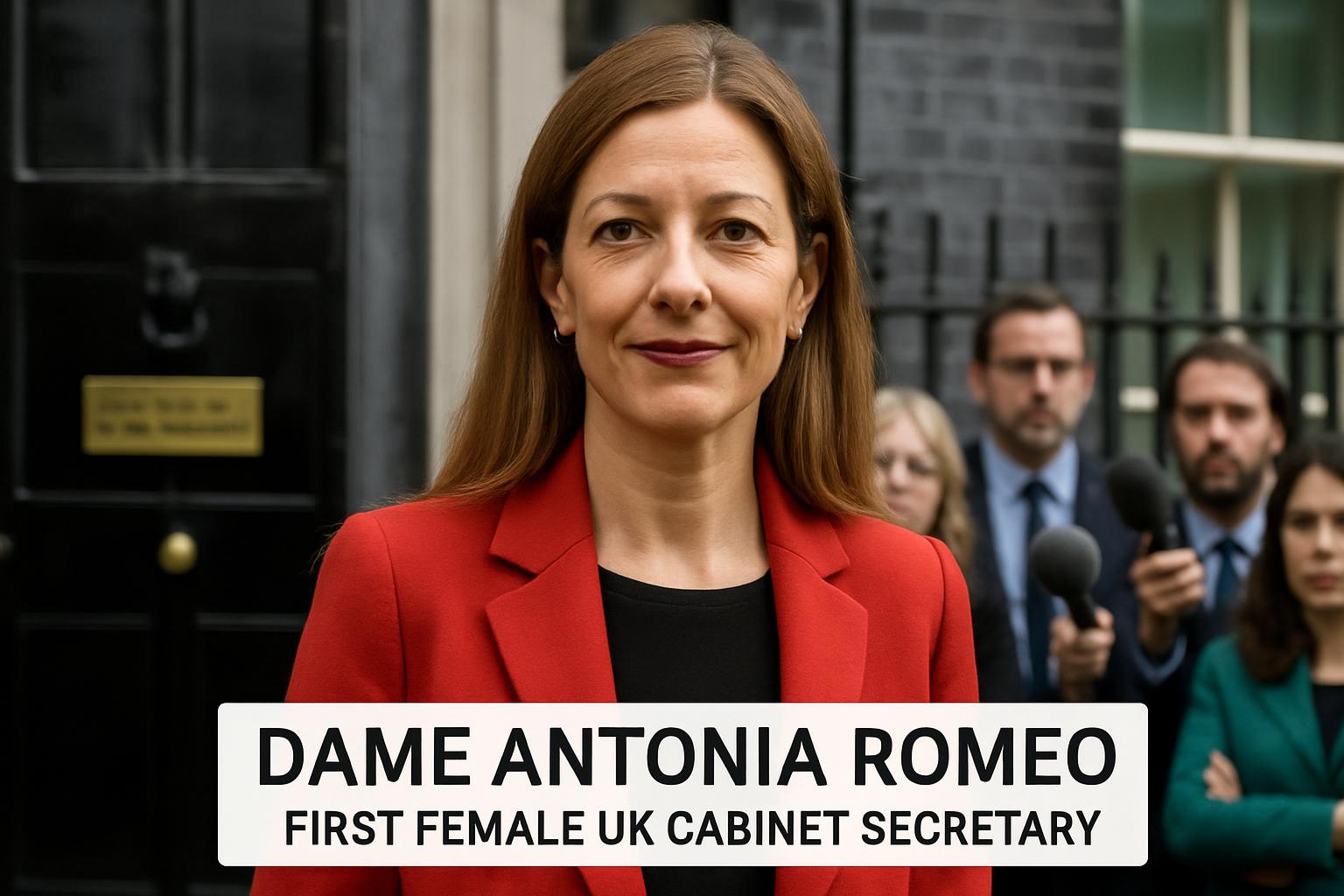
Antonia Romeo Appointed as First Female UK Cabinet Secretary Amid Controversy
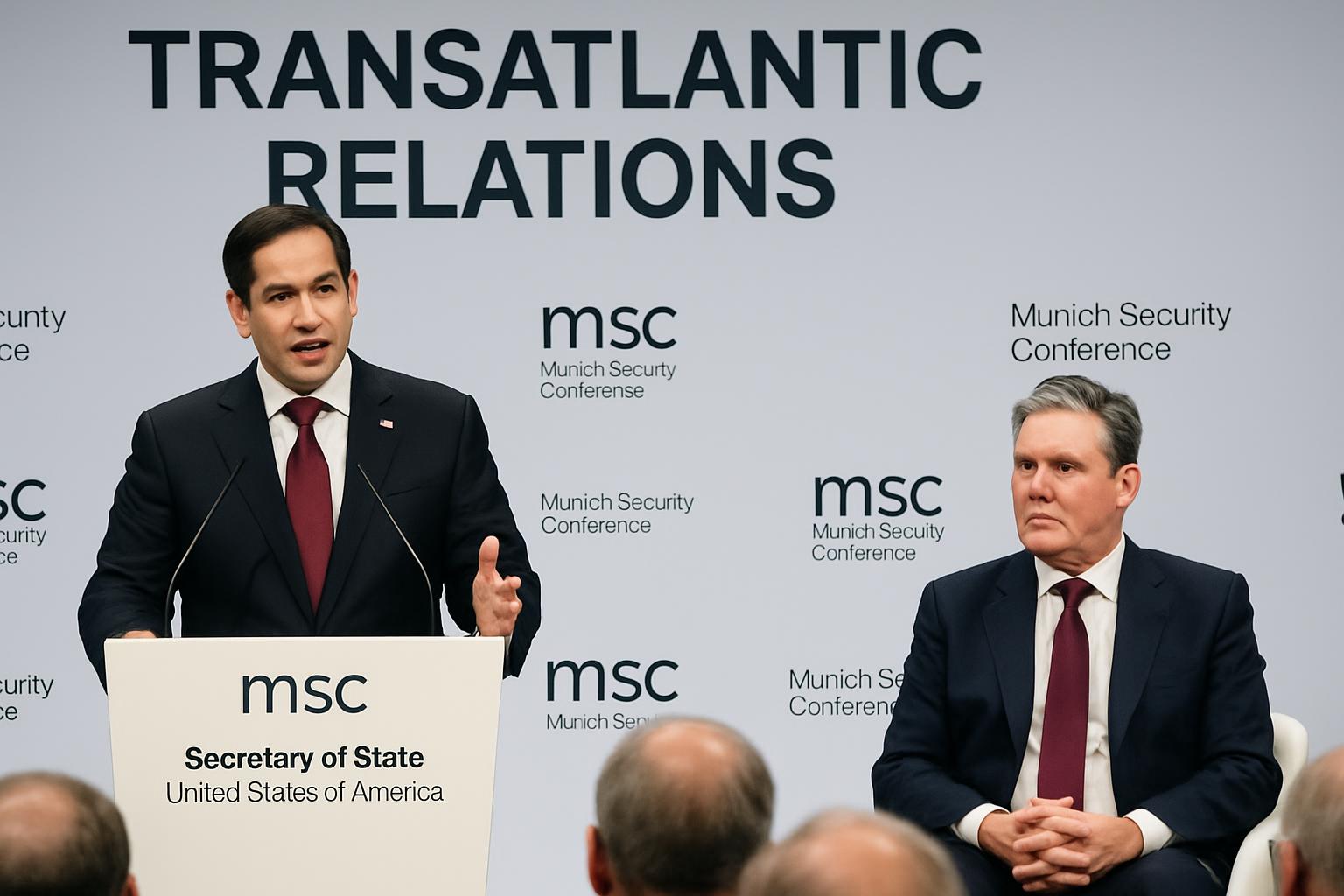
Munich Security Conference: A New Era in Transatlantic Relations

UK Faces Dilemmas Amid Iran Conflict and China Spying Allegations
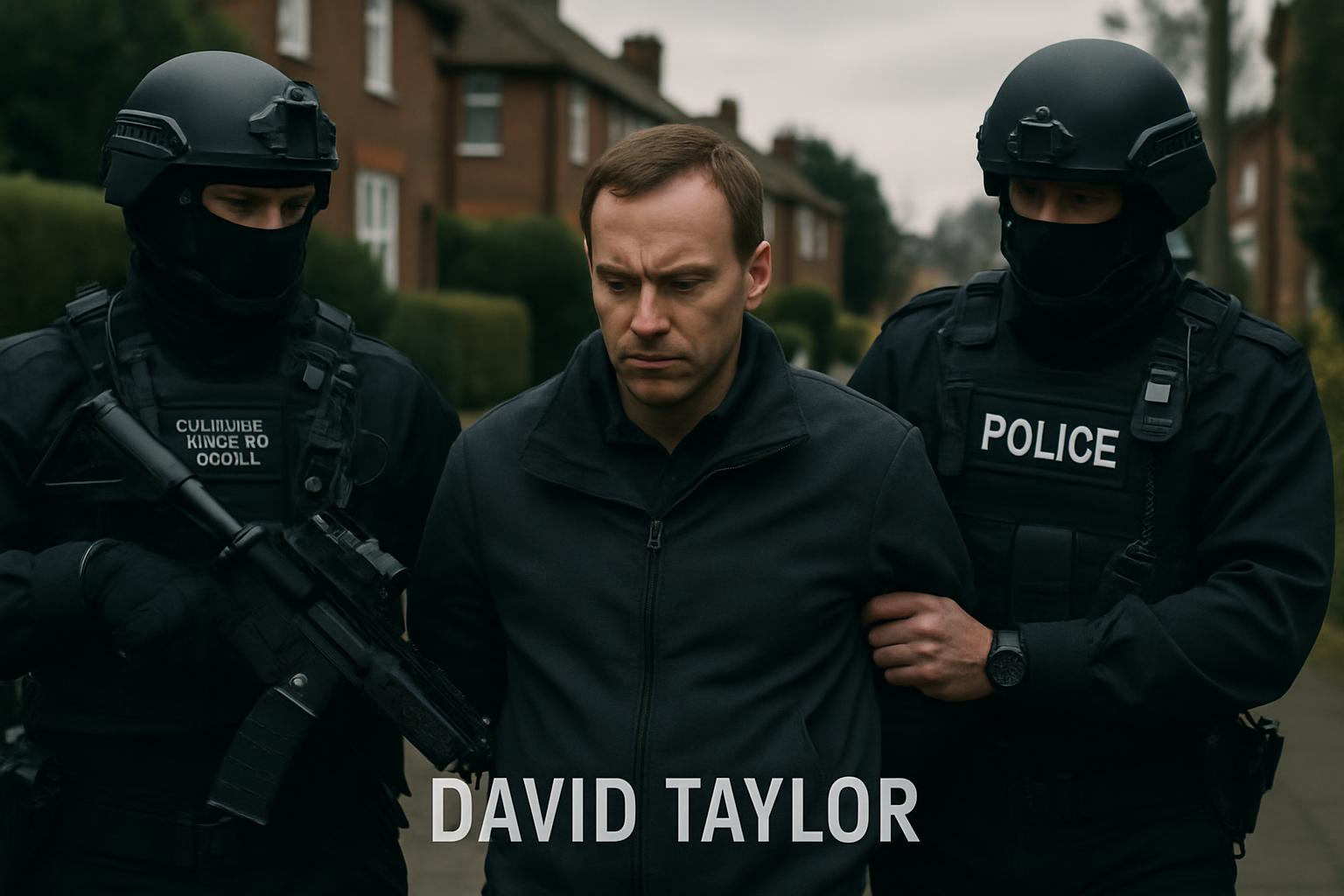
Labour MP's Husband Arrested in UK-China Espionage Probe
UK to Enforce Swift Removal of Non-Consensual Intimate Images by Tech Firms
Labour Party Faces Internal Strife as NEC Blocks Andy Burnham's Byelection Bid
In This Article
 Alex Carter| Published
 HIGHLIGHTS
- Labour's NEC blocked Andy Burnham from standing in a byelection, sparking internal party tensions.
- Keir Starmer faces criticism and potential leadership challenges due to the decision.
- The move has been described as a "stitch-up" and has led to accusations of cowardice against Starmer.
- The decision has been framed as igniting a "Labour civil war" by several UK newspapers.
- Critics argue that blocking Burnham could weaken Labour's position in Greater Manchester.
The Labour Party is embroiled in controversy following the decision by its National Executive Committee (NEC) to prevent Andy Burnham from contesting a parliamentary byelection. This move has intensified scrutiny on party leader Keir Starmer, with accusations of internal discord and potential leadership challenges looming.
NEC Decision Sparks Outcry
The NEC's decision to block Burnham, the Mayor of Greater Manchester, from standing in the Gorton and Denton byelection has been met with widespread criticism. Burnham expressed his disappointment, criticizing the manner in which the Labour Party is currently managed. The decision, reportedly made in a 45-minute meeting, has been labeled a "stitch-up" by some party members, further fueling dissatisfaction within Labour ranks.
Starmer Under Fire
Keir Starmer, who sits on the NEC, has been accused of employing "Strong Starm tactics" to derail Burnham's potential leadership bid. Critics argue that this move could backfire, weakening Labour's influence in Greater Manchester and potentially leading to a leadership challenge. The Daily Mail warned that Starmer's actions might hasten his political demise, while the Daily Express highlighted the risk of a "Labour civil war."
Media Reaction and Political Implications
The decision has dominated UK headlines, with newspapers like The Guardian and The Sun framing it as a catalyst for internal conflict within Labour. The i Paper suggested that Health Secretary Wes Streeting might exploit these divisions to mount a leadership challenge. Meanwhile, allies of Starmer defended the decision, arguing that allowing Burnham to step down as mayor could have opened Greater Manchester to political rivals.
WHAT THIS MIGHT MEAN
The blocking of Andy Burnham's byelection bid could have significant implications for the Labour Party's future. If internal tensions continue to escalate, Keir Starmer may face a leadership challenge, potentially altering the party's direction. Additionally, the decision could impact Labour's standing in Greater Manchester, a key political region. As the situation unfolds, party unity and strategic positioning will be crucial in determining Labour's ability to navigate these challenges and maintain its political influence.
Related Articles
UK Government to Reform Asylum Seeker Support and Employment Policies
Antonia Romeo Appointed as First Female UK Cabinet Secretary Amid Controversy
Munich Security Conference: A New Era in Transatlantic Relations
UK Faces Dilemmas Amid Iran Conflict and China Spying Allegations
Labour MP's Husband Arrested in UK-China Espionage Probe
UK to Enforce Swift Removal of Non-Consensual Intimate Images by Tech Firms