
Labour Party Excludes Trans Women from Main Women's Conference Events
In This Article
HIGHLIGHTS
- Trans women will be excluded from the main sessions of the Labour Women's Conference in 2026, following a Supreme Court ruling on gender identity.
- The decision comes after a comprehensive legal review by the Labour Party to ensure compliance with the Equality Act.
- Trans women can attend fringe events, but will not have voting rights or access to main policy debates.
- The Equality and Human Rights Commission has submitted a new code of practice to the government, pending approval.
- The decision has sparked criticism from trans rights advocates and support from gender-critical groups.
The Labour Party has announced that trans women will not be permitted to participate in the main sessions of its Women's Conference in 2026. This decision follows a Supreme Court ruling that defines a woman by biological sex under the Equality Act, prompting the party to conduct a comprehensive legal review.
Legal Context and Compliance
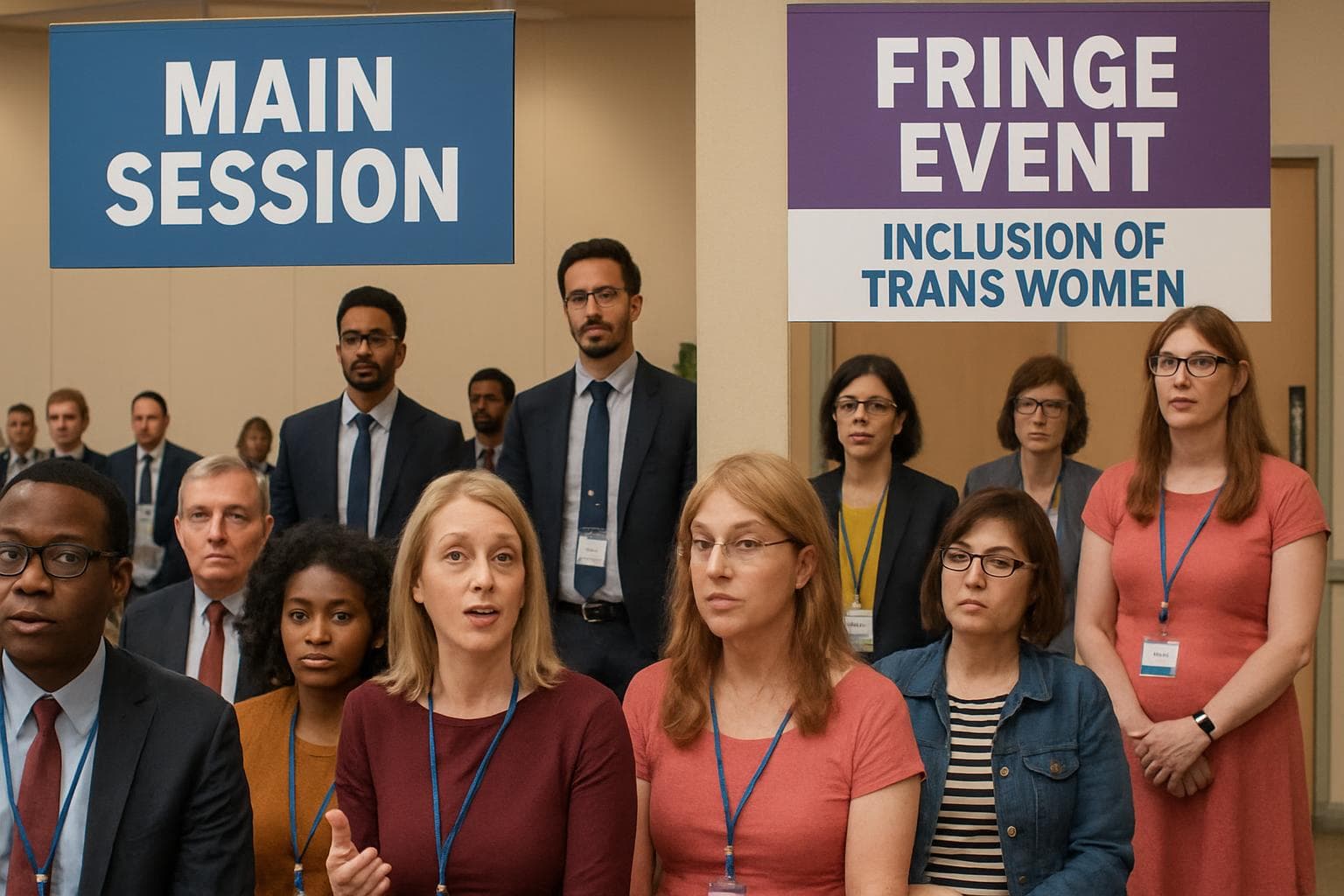
The Labour Party's decision aims to balance inclusivity with legal compliance. Trans women will be barred from voting on policy debates and attending main hall speeches but will be welcome at fringe events and receptions. A Labour spokesperson stated, "This reflects our commitment to addressing the under-representation of women in the Party and compliance with the law."
The Supreme Court ruling has led to a broader reevaluation of gender identity policies across the UK. The Equality and Human Rights Commission (EHRC) has drafted a new code of practice to guide public bodies and businesses in applying the Equality Act. Equalities Minister Bridget Phillipson is currently reviewing the draft, emphasizing the need for "legally sound guidance."
Reactions and Implications
The decision has drawn mixed reactions. A spokesperson for Labour for Trans Rights criticized the move, arguing that it excludes trans members from democratic processes. Conversely, the Labour Women's Declaration group welcomed the decision, viewing it as a necessary step to uphold the Equality Act.
The EHRC's outgoing head, Baroness Falkner, expressed concern over the delay in implementing the new guidance, suggesting it creates uncertainty around single-sex spaces. The government, however, insists on taking the necessary time to ensure the guidance is robust and effective.
WHAT THIS MIGHT MEAN
The Labour Party's decision could set a precedent for other political and social organizations grappling with gender identity issues. As the government reviews the EHRC's draft guidance, the outcome could significantly impact how the Equality Act is applied across various sectors. Experts suggest that the ongoing debate may influence future legislative changes concerning transgender rights and gender identity. The Labour Party's approach will likely be scrutinized as it navigates the complex intersection of legal compliance and inclusivity.
Related Articles

UK Government to Reform Asylum Seeker Support and Employment Policies

UK Faces Dilemmas Amid Iran Conflict and China Spying Allegations

Labour MP's Husband Arrested in UK-China Espionage Probe

Prince Andrew's Ties to Epstein Under Scrutiny Amid Calls for Inquiry

Starmer Condemns Reform UK's Plan to Repeal Equality Act as Un-British

US Congress Seeks Testimony from Peter Mandelson Over Epstein Ties
Labour Party Excludes Trans Women from Main Women's Conference Events
In This Article
 Ethan Brooks| Published
 HIGHLIGHTS
- Trans women will be excluded from the main sessions of the Labour Women's Conference in 2026, following a Supreme Court ruling on gender identity.
- The decision comes after a comprehensive legal review by the Labour Party to ensure compliance with the Equality Act.
- Trans women can attend fringe events, but will not have voting rights or access to main policy debates.
- The Equality and Human Rights Commission has submitted a new code of practice to the government, pending approval.
- The decision has sparked criticism from trans rights advocates and support from gender-critical groups.
The Labour Party has announced that trans women will not be permitted to participate in the main sessions of its Women's Conference in 2026. This decision follows a Supreme Court ruling that defines a woman by biological sex under the Equality Act, prompting the party to conduct a comprehensive legal review.
Legal Context and Compliance
The Labour Party's decision aims to balance inclusivity with legal compliance. Trans women will be barred from voting on policy debates and attending main hall speeches but will be welcome at fringe events and receptions. A Labour spokesperson stated, "This reflects our commitment to addressing the under-representation of women in the Party and compliance with the law."
The Supreme Court ruling has led to a broader reevaluation of gender identity policies across the UK. The Equality and Human Rights Commission (EHRC) has drafted a new code of practice to guide public bodies and businesses in applying the Equality Act. Equalities Minister Bridget Phillipson is currently reviewing the draft, emphasizing the need for "legally sound guidance."
Reactions and Implications
The decision has drawn mixed reactions. A spokesperson for Labour for Trans Rights criticized the move, arguing that it excludes trans members from democratic processes. Conversely, the Labour Women's Declaration group welcomed the decision, viewing it as a necessary step to uphold the Equality Act.
The EHRC's outgoing head, Baroness Falkner, expressed concern over the delay in implementing the new guidance, suggesting it creates uncertainty around single-sex spaces. The government, however, insists on taking the necessary time to ensure the guidance is robust and effective.
WHAT THIS MIGHT MEAN
The Labour Party's decision could set a precedent for other political and social organizations grappling with gender identity issues. As the government reviews the EHRC's draft guidance, the outcome could significantly impact how the Equality Act is applied across various sectors. Experts suggest that the ongoing debate may influence future legislative changes concerning transgender rights and gender identity. The Labour Party's approach will likely be scrutinized as it navigates the complex intersection of legal compliance and inclusivity.
Related Articles
UK Government to Reform Asylum Seeker Support and Employment Policies
UK Faces Dilemmas Amid Iran Conflict and China Spying Allegations
Labour MP's Husband Arrested in UK-China Espionage Probe
Prince Andrew's Ties to Epstein Under Scrutiny Amid Calls for Inquiry
Starmer Condemns Reform UK's Plan to Repeal Equality Act as Un-British
US Congress Seeks Testimony from Peter Mandelson Over Epstein Ties