
Government Faces Labour Rebellion Over Controversial Welfare Reform Bill
In This Article
HIGHLIGHTS
- Labour MP Samantha Niblett withdrew support for a rebellion against the government's welfare bill, citing potential harm to vulnerable groups.
- The government is in discussions with Labour MPs to address concerns over welfare reforms, aiming to pass the bill in a scheduled vote.
- Over 120 Labour MPs have signed an amendment opposing the welfare bill, with growing pressure on the government to offer concessions.
- The welfare bill aims to save £5bn annually by 2030, but critics argue it could push 250,000 people into poverty.
- Keir Starmer faces significant internal party dissent, yet insists on the necessity of welfare reform for a sustainable future.
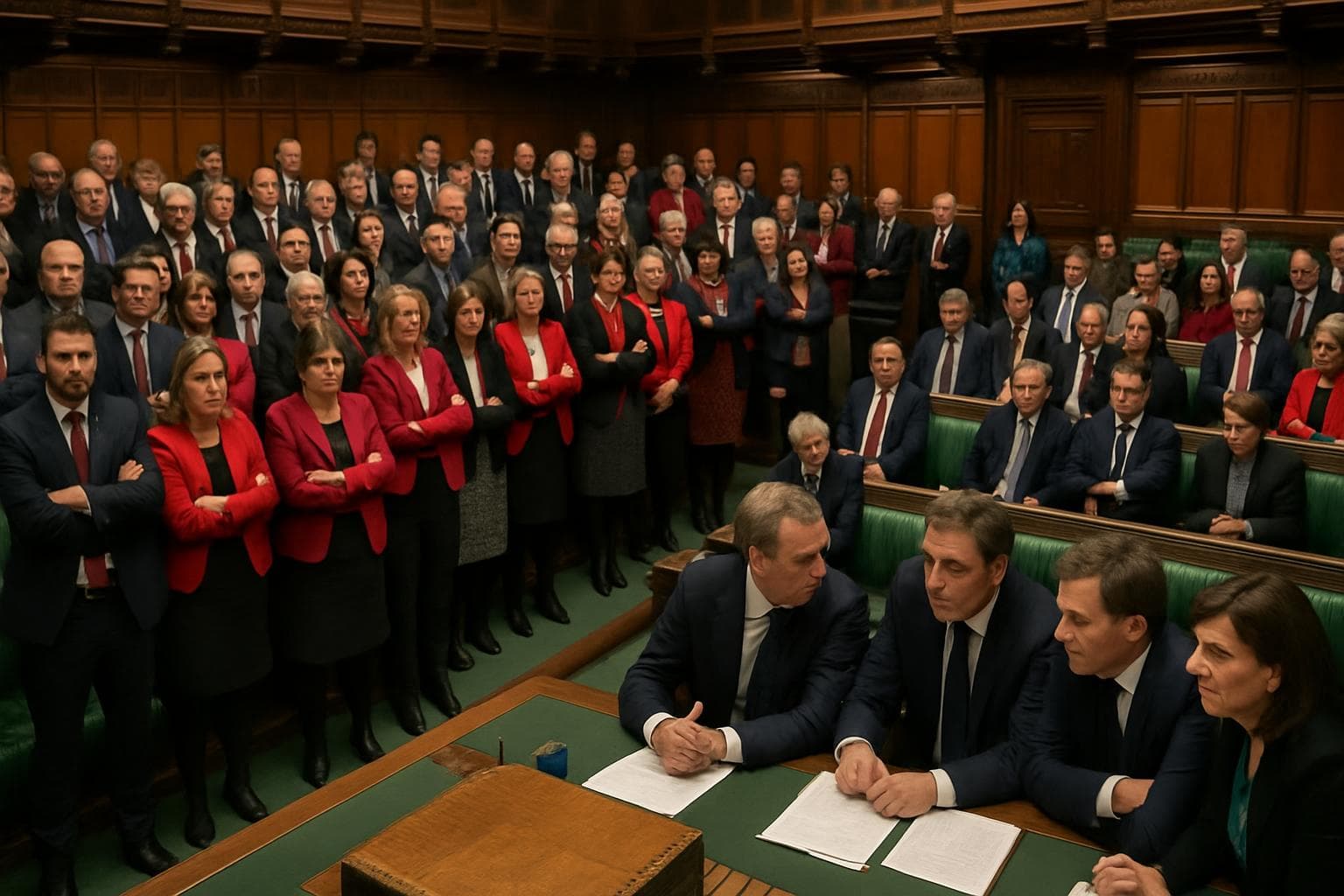
The UK government is grappling with significant opposition from Labour MPs over its proposed welfare reform bill, which seeks to overhaul the Universal Credit and Personal Independence Payment (PIP) systems. The bill, designed to save £5 billion annually by 2030, has sparked a rebellion among more than 120 Labour MPs who have signed an amendment calling for the proposals to be scrapped.
Labour MP Withdraws Support Amid Concerns
Samantha Niblett, Labour MP for South Derbyshire, recently withdrew her support for the amendment, citing concerns about the potential negative impact on vulnerable groups. In a Facebook post, Niblett expressed her regret, stating, "The stakes are just too high if the amendment passes." She emphasized the need for more scrutiny and urged the government to consider the concerns of those affected by the changes.
Government Engages in Talks to Address Concerns
In response to the mounting pressure, Downing Street has confirmed ongoing discussions with Labour MPs to address their concerns. A No 10 source acknowledged the complexity of delivering fundamental change, stating, "We all want to get it right." The government aims to proceed with a scheduled vote on the bill, despite the risk of an embarrassing defeat.
Potential Concessions on the Horizon
As the rebellion gains momentum, the government is reportedly considering concessions, particularly regarding the tightened eligibility criteria for PIP. Prime Minister's chief of staff, Morgan McSweeney, has been engaging in one-on-one talks with senior rebels to find common ground. However, divisions remain within the government, with some ministers advocating for concessions while others push to proceed with the bill as is.
Starmer Faces Internal Party Dissent
Labour leader Keir Starmer is facing the largest revolt of his leadership over the welfare reform bill. Despite the dissent, Starmer maintains that welfare reform is a progressive cause, asserting that a Labour government is best positioned to implement necessary changes. He insists that the party is "pretty united" in its commitment to modernizing the welfare system.
WHAT THIS MIGHT MEAN
As the government navigates this contentious issue, the outcome of the scheduled vote will be pivotal. If the bill passes, it could lead to significant changes in the welfare system, impacting millions of families. However, failure to address the concerns of Labour MPs may result in further political fallout for the government. Experts suggest that meaningful concessions could mitigate the rebellion and pave the way for a more collaborative approach to welfare reform. The situation remains fluid, with potential implications for both the government's legislative agenda and the future of the welfare state in the UK.
Related Articles

UK Faces Dilemmas Amid Iran Conflict and China Spying Allegations

Labour MP's Husband Arrested in UK-China Espionage Probe

Diplomatic Tensions Rise as Trump Criticizes Starmer's Iran Policy
UK Government to Reform Asylum Seeker Support and Employment Policies

UK-Iran Tensions: Starmer Defends Cautious Approach Amid Trump Criticism

Prince Andrew's Ties to Epstein Under Scrutiny Amid Calls for Inquiry
Government Faces Labour Rebellion Over Controversial Welfare Reform Bill
In This Article
 Ethan Brooks| Published
 HIGHLIGHTS
- Labour MP Samantha Niblett withdrew support for a rebellion against the government's welfare bill, citing potential harm to vulnerable groups.
- The government is in discussions with Labour MPs to address concerns over welfare reforms, aiming to pass the bill in a scheduled vote.
- Over 120 Labour MPs have signed an amendment opposing the welfare bill, with growing pressure on the government to offer concessions.
- The welfare bill aims to save £5bn annually by 2030, but critics argue it could push 250,000 people into poverty.
- Keir Starmer faces significant internal party dissent, yet insists on the necessity of welfare reform for a sustainable future.
The UK government is grappling with significant opposition from Labour MPs over its proposed welfare reform bill, which seeks to overhaul the Universal Credit and Personal Independence Payment (PIP) systems. The bill, designed to save £5 billion annually by 2030, has sparked a rebellion among more than 120 Labour MPs who have signed an amendment calling for the proposals to be scrapped.
Labour MP Withdraws Support Amid Concerns
Samantha Niblett, Labour MP for South Derbyshire, recently withdrew her support for the amendment, citing concerns about the potential negative impact on vulnerable groups. In a Facebook post, Niblett expressed her regret, stating, "The stakes are just too high if the amendment passes." She emphasized the need for more scrutiny and urged the government to consider the concerns of those affected by the changes.
Government Engages in Talks to Address Concerns
In response to the mounting pressure, Downing Street has confirmed ongoing discussions with Labour MPs to address their concerns. A No 10 source acknowledged the complexity of delivering fundamental change, stating, "We all want to get it right." The government aims to proceed with a scheduled vote on the bill, despite the risk of an embarrassing defeat.
Potential Concessions on the Horizon
As the rebellion gains momentum, the government is reportedly considering concessions, particularly regarding the tightened eligibility criteria for PIP. Prime Minister's chief of staff, Morgan McSweeney, has been engaging in one-on-one talks with senior rebels to find common ground. However, divisions remain within the government, with some ministers advocating for concessions while others push to proceed with the bill as is.
Starmer Faces Internal Party Dissent
Labour leader Keir Starmer is facing the largest revolt of his leadership over the welfare reform bill. Despite the dissent, Starmer maintains that welfare reform is a progressive cause, asserting that a Labour government is best positioned to implement necessary changes. He insists that the party is "pretty united" in its commitment to modernizing the welfare system.
WHAT THIS MIGHT MEAN
As the government navigates this contentious issue, the outcome of the scheduled vote will be pivotal. If the bill passes, it could lead to significant changes in the welfare system, impacting millions of families. However, failure to address the concerns of Labour MPs may result in further political fallout for the government. Experts suggest that meaningful concessions could mitigate the rebellion and pave the way for a more collaborative approach to welfare reform. The situation remains fluid, with potential implications for both the government's legislative agenda and the future of the welfare state in the UK.
Related Articles
UK Faces Dilemmas Amid Iran Conflict and China Spying Allegations
Labour MP's Husband Arrested in UK-China Espionage Probe
Diplomatic Tensions Rise as Trump Criticizes Starmer's Iran Policy
UK Government to Reform Asylum Seeker Support and Employment Policies
UK-Iran Tensions: Starmer Defends Cautious Approach Amid Trump Criticism
Prince Andrew's Ties to Epstein Under Scrutiny Amid Calls for Inquiry