
Labour's 10-Year Health Plan: A New Era for the NHS?
In This Article
HIGHLIGHTS
- Labour's 10-year health plan aims to modernize the NHS, focusing on community healthcare and preventive health.
- NHS leaders acknowledge the system's crisis, emphasizing the need for immediate reform and increased funding.
- The plan proposes a shift towards tech-based solutions and community settings to alleviate hospital pressures.
- Historical NHS reforms have faced challenges, highlighting the difficulty of implementing systemic change.
- The success of the plan is crucial for Labour, as it was a central election manifesto promise.
The Labour government has unveiled an ambitious 10-year health plan aimed at transforming the National Health Service (NHS) in England, promising a "new era" of patient care. This comprehensive strategy seeks to address the ongoing crisis within the NHS by emphasizing community healthcare, preventive health, and technological advancements.
A System in Crisis
NHS leaders, including Nick Hulme, Chief Executive of East Suffolk and North Essex NHS Foundation Trust, have openly acknowledged the severe challenges facing the health service. "We are not in crisis yet, but we are in a really, really tricky situation," Hulme stated, highlighting the urgent need for reform. The plan aims to alleviate pressures on hospitals by shifting significant amounts of care into community settings, thereby reducing waiting times and improving patient outcomes.
Key Components of the Plan
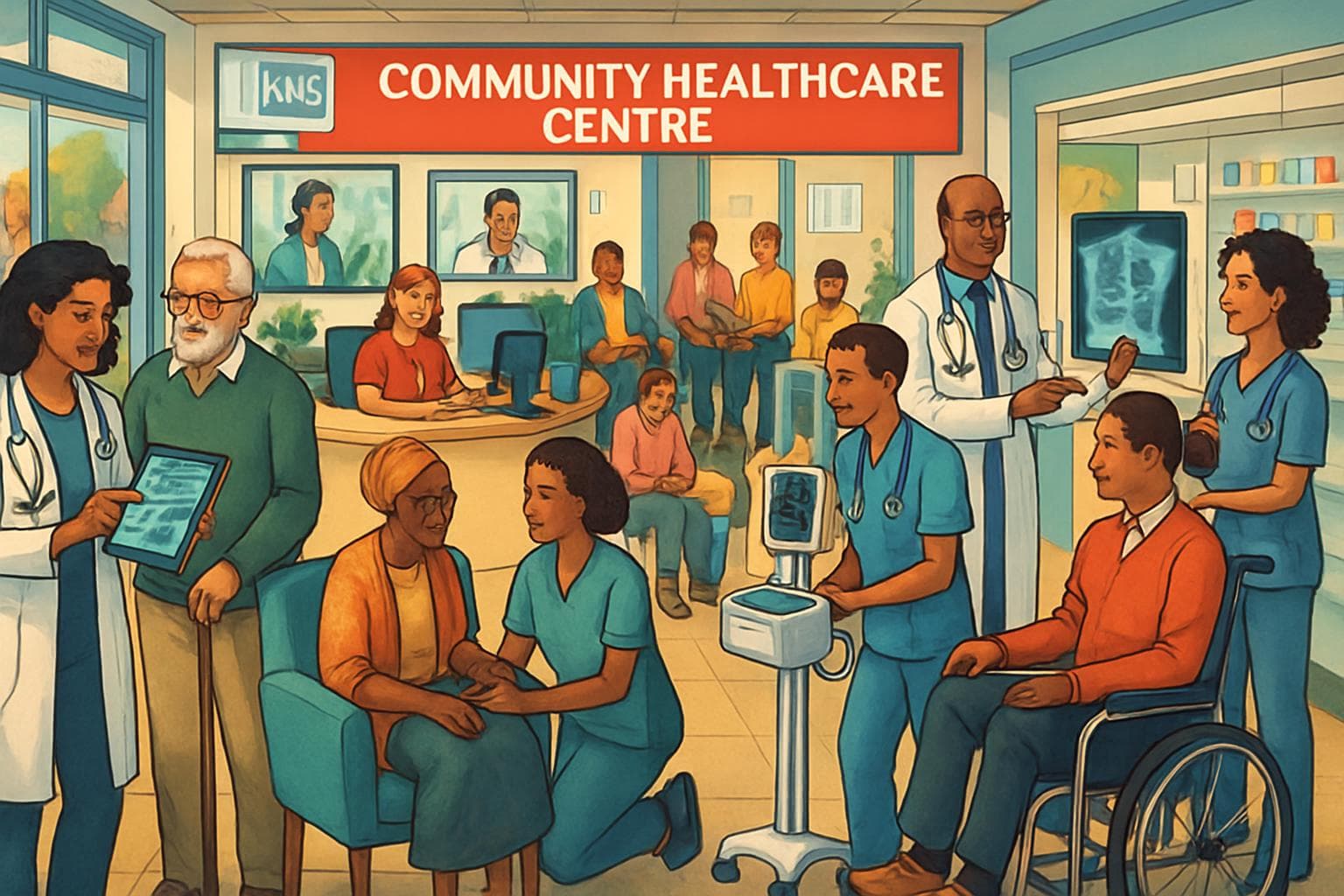
The Labour health plan introduces three major shifts: increased use of healthcare technology, a focus on community-based services, and prioritization of preventive health measures. By encouraging the use of the NHS app and electronic appointment bookings, the plan aims to bring the NHS into the 21st century. Additionally, it seeks to provide a broader range of services in community settings, allowing for earlier detection and treatment of illnesses.
Historical Context and Challenges
Previous NHS reforms, such as those introduced by Tony Blair in 2000 and Theresa May in 2019, have faced significant hurdles. Despite ambitious goals, these plans often struggled with implementation, particularly in integrating health and social care services. Dr. Jennifer Dixon of the Health Foundation noted that these ambitions have been part of NHS plans for decades, underscoring the complexity of achieving meaningful change.
Political Stakes and Future Prospects
For Labour, the success of this health plan is politically critical. Health Secretary Wes Streeting has described the NHS as "broken," and Prime Minister Keir Starmer has emphasized the necessity of reform. As the government seeks to deliver on its election promises, the plan's effectiveness will be closely scrutinized by voters and stakeholders alike.
WHAT THIS MIGHT MEAN
The Labour government's 10-year health plan represents a pivotal moment for the NHS. If successful, it could significantly improve patient care and modernize the health service. However, the challenges of implementing such comprehensive reforms should not be underestimated. Historical precedents suggest that integrating community healthcare and technology will require substantial investment and coordination.
Politically, the plan's success is crucial for Labour's credibility and future electoral prospects. Failure to deliver meaningful change could undermine public confidence in the government's ability to manage the NHS. As the plan unfolds, it will be essential for the government to maintain transparency and engage with key stakeholders to ensure its objectives are met.
Images from the Web

Related Articles

UK Faces Dilemmas Amid Iran Conflict and China Spying Allegations

Labour MP's Husband Arrested in UK-China Espionage Probe

UK-Iran Tensions: Starmer Defends Cautious Approach Amid Trump Criticism

Saharan Dust to Illuminate UK Skies with Vivid Sunrises and Sunsets

Diplomatic Tensions Rise as Trump Criticizes Starmer's Iran Policy

Government Announces £4 Billion Overhaul of SEND Support in England
Labour's 10-Year Health Plan: A New Era for the NHS?
In This Article
 Maya Singh| Published
 HIGHLIGHTS
- Labour's 10-year health plan aims to modernize the NHS, focusing on community healthcare and preventive health.
- NHS leaders acknowledge the system's crisis, emphasizing the need for immediate reform and increased funding.
- The plan proposes a shift towards tech-based solutions and community settings to alleviate hospital pressures.
- Historical NHS reforms have faced challenges, highlighting the difficulty of implementing systemic change.
- The success of the plan is crucial for Labour, as it was a central election manifesto promise.
The Labour government has unveiled an ambitious 10-year health plan aimed at transforming the National Health Service (NHS) in England, promising a "new era" of patient care. This comprehensive strategy seeks to address the ongoing crisis within the NHS by emphasizing community healthcare, preventive health, and technological advancements.
A System in Crisis
NHS leaders, including Nick Hulme, Chief Executive of East Suffolk and North Essex NHS Foundation Trust, have openly acknowledged the severe challenges facing the health service. "We are not in crisis yet, but we are in a really, really tricky situation," Hulme stated, highlighting the urgent need for reform. The plan aims to alleviate pressures on hospitals by shifting significant amounts of care into community settings, thereby reducing waiting times and improving patient outcomes.
Key Components of the Plan
The Labour health plan introduces three major shifts: increased use of healthcare technology, a focus on community-based services, and prioritization of preventive health measures. By encouraging the use of the NHS app and electronic appointment bookings, the plan aims to bring the NHS into the 21st century. Additionally, it seeks to provide a broader range of services in community settings, allowing for earlier detection and treatment of illnesses.
Historical Context and Challenges
Previous NHS reforms, such as those introduced by Tony Blair in 2000 and Theresa May in 2019, have faced significant hurdles. Despite ambitious goals, these plans often struggled with implementation, particularly in integrating health and social care services. Dr. Jennifer Dixon of the Health Foundation noted that these ambitions have been part of NHS plans for decades, underscoring the complexity of achieving meaningful change.
Political Stakes and Future Prospects
For Labour, the success of this health plan is politically critical. Health Secretary Wes Streeting has described the NHS as "broken," and Prime Minister Keir Starmer has emphasized the necessity of reform. As the government seeks to deliver on its election promises, the plan's effectiveness will be closely scrutinized by voters and stakeholders alike.
WHAT THIS MIGHT MEAN
The Labour government's 10-year health plan represents a pivotal moment for the NHS. If successful, it could significantly improve patient care and modernize the health service. However, the challenges of implementing such comprehensive reforms should not be underestimated. Historical precedents suggest that integrating community healthcare and technology will require substantial investment and coordination.
Politically, the plan's success is crucial for Labour's credibility and future electoral prospects. Failure to deliver meaningful change could undermine public confidence in the government's ability to manage the NHS. As the plan unfolds, it will be essential for the government to maintain transparency and engage with key stakeholders to ensure its objectives are met.
Images from the Web
Related Articles
UK Faces Dilemmas Amid Iran Conflict and China Spying Allegations
Labour MP's Husband Arrested in UK-China Espionage Probe
UK-Iran Tensions: Starmer Defends Cautious Approach Amid Trump Criticism
Saharan Dust to Illuminate UK Skies with Vivid Sunrises and Sunsets
Diplomatic Tensions Rise as Trump Criticizes Starmer's Iran Policy
Government Announces £4 Billion Overhaul of SEND Support in England