
Libyan Army Chief Dies in Tragic Plane Crash in Turkey
In This Article
HIGHLIGHTS
- Libyan army chief Gen Mohammed Ali Ahmed al-Haddad died in a plane crash in Turkey, along with four others.
- The Falcon 50 aircraft lost contact 42 minutes after departing Ankara, with wreckage found near Kesikkavak village.
- An emergency landing was requested due to an electrical failure, according to Turkish officials.
- The crash follows recent military cooperation talks between Libya and Turkey, highlighting their close ties.
- Turkey's parliament recently extended the deployment of Turkish troops in Libya, underscoring ongoing military support.
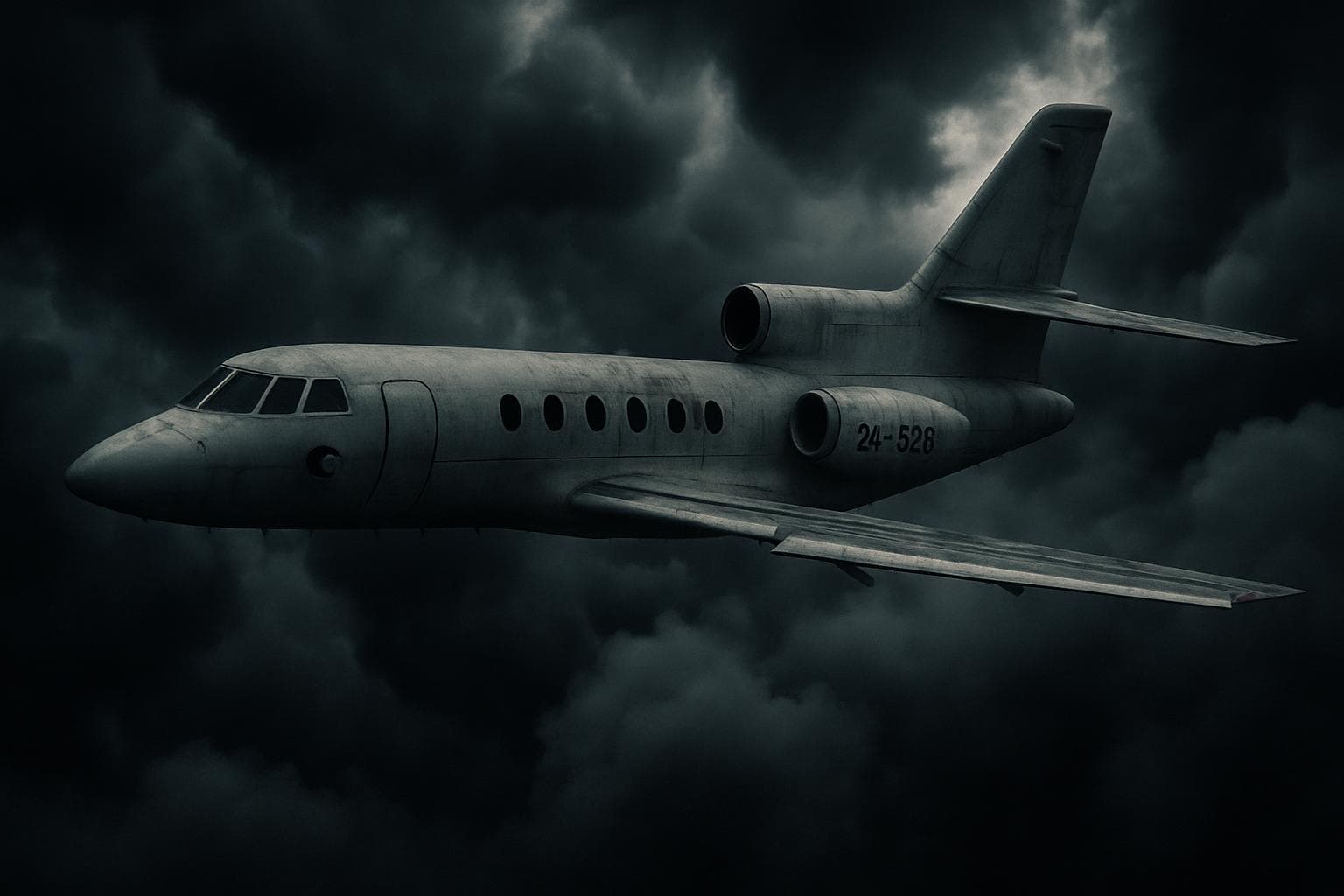
In a devastating incident, Libya's army chief, Gen Mohammed Ali Ahmed al-Haddad, was killed in a plane crash in Turkey, along with four other senior Libyan military officials. The tragedy occurred on Tuesday evening when their Falcon 50 aircraft lost contact with air traffic control shortly after departing Ankara's Esenboğa airport.
Details of the Crash
The aircraft, bound for Tripoli, issued an emergency landing request due to an electrical failure, according to Turkish Interior Minister Ali Yerlikaya. Contact was lost 42 minutes after takeoff, and the wreckage was later discovered near the village of Kesikkavak in the Haymana district. An investigation is underway to determine the cause of the crash.
Libya-Turkey Military Cooperation
Gen Haddad and his team were returning from official talks in Turkey aimed at strengthening military and security cooperation between the two nations. Libya's Prime Minister Abdul Hamid Dbeibeh expressed profound sorrow over the loss, describing it as a "great loss" for the nation and its military institution. Turkey has played a significant role in supporting Libya's internationally recognized government, particularly since 2019, when it intervened to prevent eastern forces from seizing Tripoli.
Political and Military Context
The crash occurred shortly after Turkey's parliament extended the mandate for Turkish troops in Libya by two years, reflecting ongoing military support. Turkey has been a key ally of Libya's Tripoli-based government, providing military training and support. The two countries have also engaged in energy exploration agreements, although these have faced opposition from neighboring Egypt and Greece.
WHAT THIS MIGHT MEAN
The tragic loss of Gen Haddad could impact Libya's military leadership and its ongoing cooperation with Turkey. As investigations continue, the findings may influence future aviation safety protocols and military travel arrangements between the two nations. Politically, the incident underscores the complex dynamics of Libya-Turkey relations, particularly as Turkey balances its "One Libya" policy with its support for the Tripoli government. The extension of Turkish troop deployment in Libya signals continued military collaboration, which may face scrutiny in light of the crash.
Related Articles
US Ambassador's Biblical Land Remarks Spark Outcry from Arab Nations
Indonesia Prepares Historic Troop Deployment to Gaza Under US Peace Plan
Israel's New West Bank Measures Spark Global Outcry
Rafah Border Crossing Reopens, Offering Limited Relief to Gaza's Sick and Wounded
Russian LNG Tanker Sinks in Mediterranean Amid Accusations of Ukrainian Drone Attack

British Steel Secures Major Turkish Rail Contract, Reviving Scunthorpe Operations
Libyan Army Chief Dies in Tragic Plane Crash in Turkey
In This Article
 James Okoro| Published
 HIGHLIGHTS
- Libyan army chief Gen Mohammed Ali Ahmed al-Haddad died in a plane crash in Turkey, along with four others.
- The Falcon 50 aircraft lost contact 42 minutes after departing Ankara, with wreckage found near Kesikkavak village.
- An emergency landing was requested due to an electrical failure, according to Turkish officials.
- The crash follows recent military cooperation talks between Libya and Turkey, highlighting their close ties.
- Turkey's parliament recently extended the deployment of Turkish troops in Libya, underscoring ongoing military support.
In a devastating incident, Libya's army chief, Gen Mohammed Ali Ahmed al-Haddad, was killed in a plane crash in Turkey, along with four other senior Libyan military officials. The tragedy occurred on Tuesday evening when their Falcon 50 aircraft lost contact with air traffic control shortly after departing Ankara's Esenboğa airport.
Details of the Crash
The aircraft, bound for Tripoli, issued an emergency landing request due to an electrical failure, according to Turkish Interior Minister Ali Yerlikaya. Contact was lost 42 minutes after takeoff, and the wreckage was later discovered near the village of Kesikkavak in the Haymana district. An investigation is underway to determine the cause of the crash.
Libya-Turkey Military Cooperation
Gen Haddad and his team were returning from official talks in Turkey aimed at strengthening military and security cooperation between the two nations. Libya's Prime Minister Abdul Hamid Dbeibeh expressed profound sorrow over the loss, describing it as a "great loss" for the nation and its military institution. Turkey has played a significant role in supporting Libya's internationally recognized government, particularly since 2019, when it intervened to prevent eastern forces from seizing Tripoli.
Political and Military Context
The crash occurred shortly after Turkey's parliament extended the mandate for Turkish troops in Libya by two years, reflecting ongoing military support. Turkey has been a key ally of Libya's Tripoli-based government, providing military training and support. The two countries have also engaged in energy exploration agreements, although these have faced opposition from neighboring Egypt and Greece.
WHAT THIS MIGHT MEAN
The tragic loss of Gen Haddad could impact Libya's military leadership and its ongoing cooperation with Turkey. As investigations continue, the findings may influence future aviation safety protocols and military travel arrangements between the two nations. Politically, the incident underscores the complex dynamics of Libya-Turkey relations, particularly as Turkey balances its "One Libya" policy with its support for the Tripoli government. The extension of Turkish troop deployment in Libya signals continued military collaboration, which may face scrutiny in light of the crash.
Related Articles
US Ambassador's Biblical Land Remarks Spark Outcry from Arab Nations
Indonesia Prepares Historic Troop Deployment to Gaza Under US Peace Plan
Israel's New West Bank Measures Spark Global Outcry
Rafah Border Crossing Reopens, Offering Limited Relief to Gaza's Sick and Wounded
Russian LNG Tanker Sinks in Mediterranean Amid Accusations of Ukrainian Drone Attack
British Steel Secures Major Turkish Rail Contract, Reviving Scunthorpe Operations