
London Homicide Rate Hits 11-Year Low Amidst Targeted Crime Prevention Efforts

In This Article
HIGHLIGHTS
- London's homicide rate fell to 97 in 2025, the lowest in over a decade, according to the Metropolitan Police.
- The city's homicide rate is 1.1 per 100,000 people, lower than major cities like New York and Berlin.
- Teenage homicides dropped significantly, with only eight recorded in 2025, the lowest since 2012.
- The decline is attributed to targeted police action and initiatives by the Violence Reduction Unit.
- Mayor Sadiq Khan credits a "public health" approach for the reduction in violent crime.
London has witnessed a significant decline in its homicide rate, reaching the lowest level in over a decade, as reported by the Metropolitan Police. In 2025, the city recorded 97 homicides, a stark decrease from previous years, positioning London as one of the safest major cities in the Western world. The homicide rate now stands at 1.1 per 100,000 people, notably lower than cities such as New York, Berlin, and Milan.
Decline in Teenage Homicides
A particularly noteworthy aspect of this decline is the reduction in teenage homicides. In 2025, only eight teenagers were victims of homicide, the lowest number since 2012. This marks a significant improvement from 2021, when teenage homicides reached a record high. The youngest victim last year was 14-year-old Kelyan Bokassa, who tragically lost his life in a stabbing incident.
Strategic Police and Community Initiatives
Metropolitan Police Commissioner Sir Mark Rowley attributes this positive trend to strategic police actions targeting organized crime and the use of advanced technology like live facial recognition. "It's the product of amazing police work as we attack with ever more precision the most dangerous men who carry weapons," he stated. The Violence Reduction Unit (VRU), established by Mayor Sadiq Khan in 2019, has played a crucial role in this success. The VRU focuses on preventing youth involvement in gangs and violence through interventions in schools, police custody, and hospitals.
Political and Social Context
Mayor Sadiq Khan has championed a "public health" approach to tackling violent crime, addressing root causes such as poverty and lack of opportunities. He emphasized that London's crime statistics contradict claims by right-wing critics who argue the city has a crime problem. "The evidence shows that violent crime rates are proportionately lower in London than in any other UK city," Khan asserted.
WHAT THIS MIGHT MEAN
The continued decline in London's homicide rate could bolster public confidence in the city's safety measures and influence similar strategies in other urban areas. However, challenges remain, particularly in addressing other forms of crime, such as violence against women and girls. Experts suggest that maintaining this downward trend will require sustained investment in community-based prevention programs and technological advancements in policing. As London navigates these complexities, the city's approach may serve as a model for balancing enforcement with social interventions in crime prevention.
Related Articles

UK Police Intensify Investigation into Andrew Mountbatten-Windsor Amid Misconduct Allegations
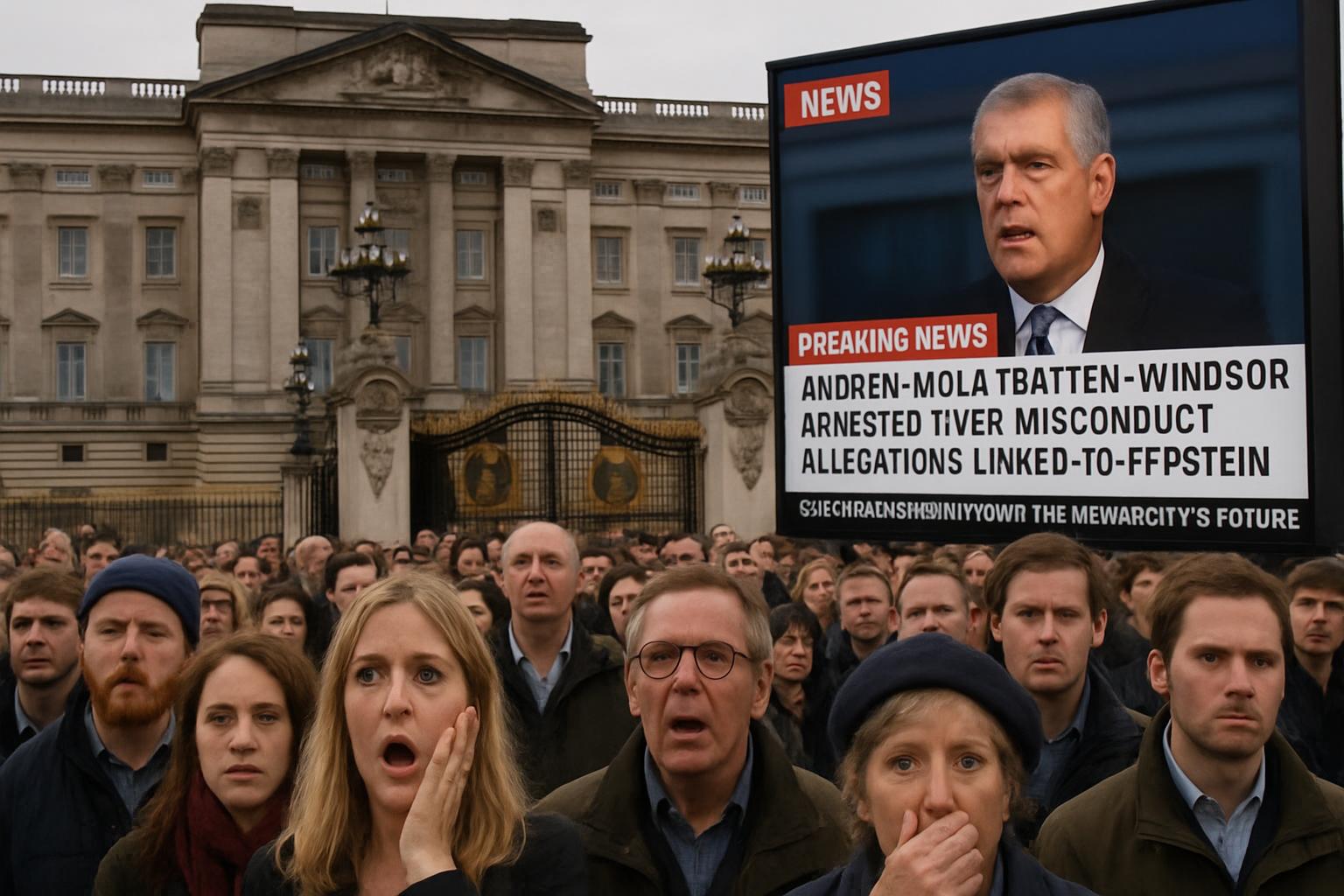
Prince Andrew's Arrest Raises Questions About Royal Succession and Monarchy's Future

Labour MP's Husband Arrested in UK-China Espionage Probe

Nottingham Attacks Inquiry: Families Demand Accountability and Truth

Prince Andrew's Ties to Epstein Under Scrutiny Amid Calls for Inquiry

Global Counsel Faces Collapse Amidst Epstein Scandal Fallout
London Homicide Rate Hits 11-Year Low Amidst Targeted Crime Prevention Efforts
In This Article
 Sofia Romano| Published
 HIGHLIGHTS
- London's homicide rate fell to 97 in 2025, the lowest in over a decade, according to the Metropolitan Police.
- The city's homicide rate is 1.1 per 100,000 people, lower than major cities like New York and Berlin.
- Teenage homicides dropped significantly, with only eight recorded in 2025, the lowest since 2012.
- The decline is attributed to targeted police action and initiatives by the Violence Reduction Unit.
- Mayor Sadiq Khan credits a "public health" approach for the reduction in violent crime.
London has witnessed a significant decline in its homicide rate, reaching the lowest level in over a decade, as reported by the Metropolitan Police. In 2025, the city recorded 97 homicides, a stark decrease from previous years, positioning London as one of the safest major cities in the Western world. The homicide rate now stands at 1.1 per 100,000 people, notably lower than cities such as New York, Berlin, and Milan.
Decline in Teenage Homicides
A particularly noteworthy aspect of this decline is the reduction in teenage homicides. In 2025, only eight teenagers were victims of homicide, the lowest number since 2012. This marks a significant improvement from 2021, when teenage homicides reached a record high. The youngest victim last year was 14-year-old Kelyan Bokassa, who tragically lost his life in a stabbing incident.
Strategic Police and Community Initiatives
Metropolitan Police Commissioner Sir Mark Rowley attributes this positive trend to strategic police actions targeting organized crime and the use of advanced technology like live facial recognition. "It's the product of amazing police work as we attack with ever more precision the most dangerous men who carry weapons," he stated. The Violence Reduction Unit (VRU), established by Mayor Sadiq Khan in 2019, has played a crucial role in this success. The VRU focuses on preventing youth involvement in gangs and violence through interventions in schools, police custody, and hospitals.
Political and Social Context
Mayor Sadiq Khan has championed a "public health" approach to tackling violent crime, addressing root causes such as poverty and lack of opportunities. He emphasized that London's crime statistics contradict claims by right-wing critics who argue the city has a crime problem. "The evidence shows that violent crime rates are proportionately lower in London than in any other UK city," Khan asserted.
WHAT THIS MIGHT MEAN
The continued decline in London's homicide rate could bolster public confidence in the city's safety measures and influence similar strategies in other urban areas. However, challenges remain, particularly in addressing other forms of crime, such as violence against women and girls. Experts suggest that maintaining this downward trend will require sustained investment in community-based prevention programs and technological advancements in policing. As London navigates these complexities, the city's approach may serve as a model for balancing enforcement with social interventions in crime prevention.
Related Articles
UK Police Intensify Investigation into Andrew Mountbatten-Windsor Amid Misconduct Allegations
Prince Andrew's Arrest Raises Questions About Royal Succession and Monarchy's Future
Labour MP's Husband Arrested in UK-China Espionage Probe
Nottingham Attacks Inquiry: Families Demand Accountability and Truth
Prince Andrew's Ties to Epstein Under Scrutiny Amid Calls for Inquiry
Global Counsel Faces Collapse Amidst Epstein Scandal Fallout