
Mandelson's US Ambassador Appointment Sparks Scrutiny Over Epstein Ties
In This Article
HIGHLIGHTS
- Lord Mandelson was directly appointed as UK ambassador to the US without a formal interview, raising concerns about the diplomatic appointment process.
- Prime Minister Keir Starmer was briefed on Mandelson's links to Jeffrey Epstein before his appointment, highlighting reputational risks.
- Mandelson's dismissal followed the release of emails showing supportive messages to Epstein, which were previously unknown to Starmer.
- Changes have been made to the civil service procedures to ensure formal interviews for direct appointments, addressing past oversights.
- The Foreign Office confirmed Mandelson's employment termination, but details on severance remain undisclosed.
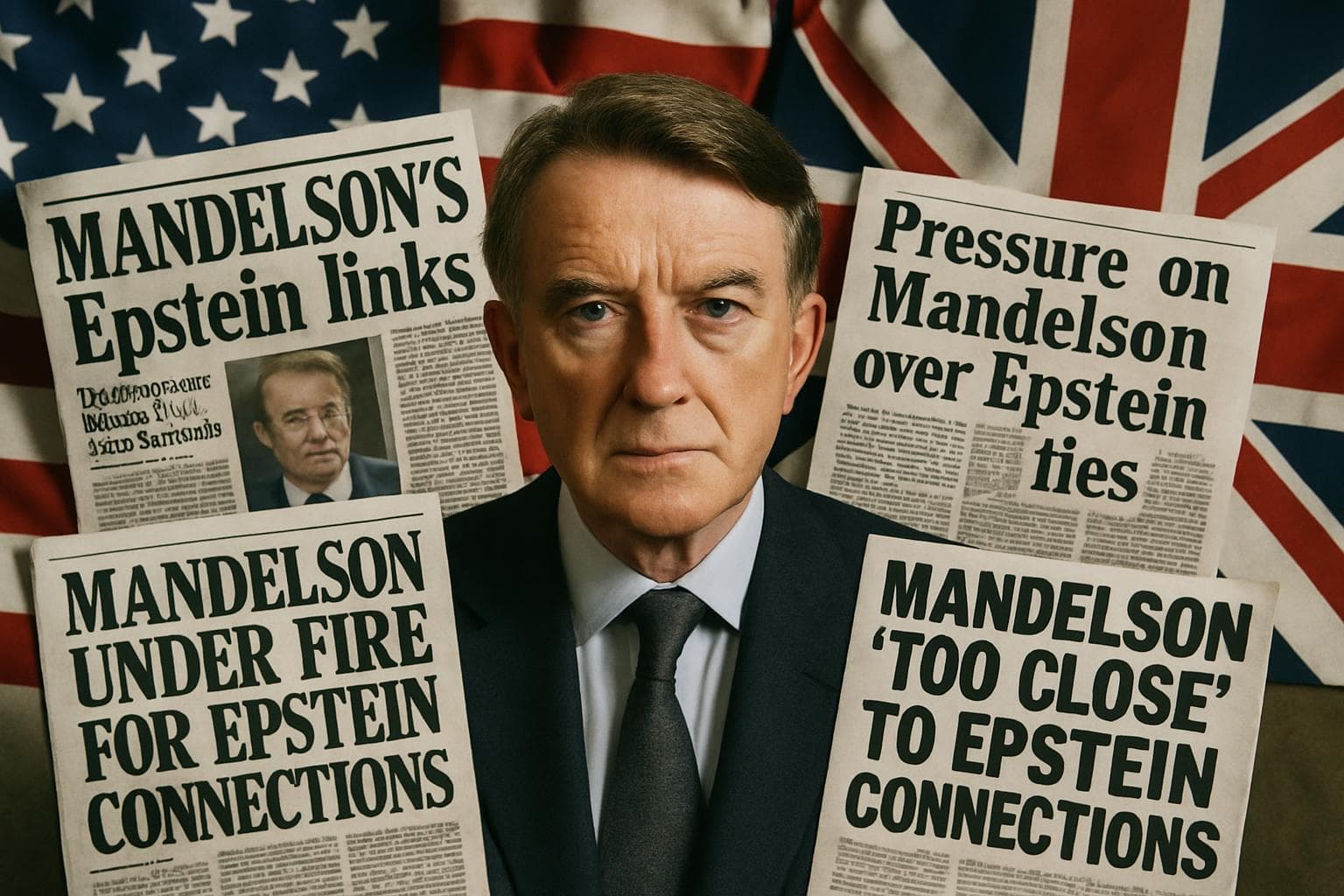
The appointment of Lord Peter Mandelson as the UK ambassador to the United States has come under intense scrutiny following revelations about his past connections with convicted sex offender Jeffrey Epstein. Civil service leaders have disclosed that Mandelson was directly appointed to the role without undergoing a formal interview, a process that has since been revised to prevent similar oversights.
Direct Appointment Raises Questions
In December 2024, Mandelson replaced Dame Karen Pierce in Washington, D.C., a decision made by Prime Minister Keir Starmer, who sought to leverage Mandelson's political acumen to foster relations with the newly-elected Trump administration. However, concerns about Mandelson's friendship with Epstein were raised, particularly after emails surfaced showing Mandelson's supportive messages to Epstein during his 2008 legal troubles. These revelations led to Mandelson's dismissal in September, a day after Starmer publicly expressed confidence in him.
Briefing and Reputational Risks
Senior civil servants have confirmed that Starmer was briefed on Mandelson's ties to Epstein before the appointment. The briefing included a Cabinet Office report outlining reputational risks, which noted Mandelson's past resignations as a Labour minister and his documented interactions with Epstein. Despite this, the decision to appoint Mandelson was ultimately Starmer's, based on advice and his own judgment.
Procedural Changes and Accountability
The lack of a formal interview for Mandelson's appointment has prompted changes in civil service procedures. Sir Chris Wormald, head of the civil service, explained to MPs that the process now includes a formal, minuted interview to replicate standard practices for direct ministerial appointments. Sir Oliver Robbins, head of the Foreign Office, confirmed that Mandelson completed a conflict of interest form, though it did not address reputational conflicts.
Termination and Future Implications
Following the email revelations, Mandelson's employment with the government was terminated, though details of any severance package remain undisclosed. The Foreign Office has acknowledged that Mandelson's appointment was announced before the completion of a developed vetting process, highlighting gaps in the diplomatic appointment process.
WHAT THIS MIGHT MEAN
The fallout from Mandelson's appointment and subsequent dismissal underscores the need for rigorous vetting and transparency in diplomatic appointments. The procedural changes implemented by the civil service aim to prevent similar controversies in the future, ensuring that reputational risks are thoroughly assessed. Politically, this incident may prompt further scrutiny of Starmer's decision-making processes and his handling of sensitive information. As the government seeks to restore public confidence, the emphasis will likely be on reinforcing accountability and refining appointment protocols to safeguard against potential conflicts of interest.
Related Articles

Iran Postpones Khamenei Funeral Amid Escalating US-Israeli Strikes

US-Iran Tensions Escalate Amid Renewed Nuclear Talks and Protests
Congress Subpoenas Attorney General Bondi in Epstein Investigation

UK Faces Dilemmas Amid Iran Conflict and China Spying Allegations
UK-Iran Tensions: Starmer Defends Cautious Approach Amid Trump Criticism
Diplomatic Tensions Rise as Trump Criticizes Starmer's Iran Policy
Mandelson's US Ambassador Appointment Sparks Scrutiny Over Epstein Ties
In This Article
 Ethan Brooks| Published
 HIGHLIGHTS
- Lord Mandelson was directly appointed as UK ambassador to the US without a formal interview, raising concerns about the diplomatic appointment process.
- Prime Minister Keir Starmer was briefed on Mandelson's links to Jeffrey Epstein before his appointment, highlighting reputational risks.
- Mandelson's dismissal followed the release of emails showing supportive messages to Epstein, which were previously unknown to Starmer.
- Changes have been made to the civil service procedures to ensure formal interviews for direct appointments, addressing past oversights.
- The Foreign Office confirmed Mandelson's employment termination, but details on severance remain undisclosed.
The appointment of Lord Peter Mandelson as the UK ambassador to the United States has come under intense scrutiny following revelations about his past connections with convicted sex offender Jeffrey Epstein. Civil service leaders have disclosed that Mandelson was directly appointed to the role without undergoing a formal interview, a process that has since been revised to prevent similar oversights.
Direct Appointment Raises Questions
In December 2024, Mandelson replaced Dame Karen Pierce in Washington, D.C., a decision made by Prime Minister Keir Starmer, who sought to leverage Mandelson's political acumen to foster relations with the newly-elected Trump administration. However, concerns about Mandelson's friendship with Epstein were raised, particularly after emails surfaced showing Mandelson's supportive messages to Epstein during his 2008 legal troubles. These revelations led to Mandelson's dismissal in September, a day after Starmer publicly expressed confidence in him.
Briefing and Reputational Risks
Senior civil servants have confirmed that Starmer was briefed on Mandelson's ties to Epstein before the appointment. The briefing included a Cabinet Office report outlining reputational risks, which noted Mandelson's past resignations as a Labour minister and his documented interactions with Epstein. Despite this, the decision to appoint Mandelson was ultimately Starmer's, based on advice and his own judgment.
Procedural Changes and Accountability
The lack of a formal interview for Mandelson's appointment has prompted changes in civil service procedures. Sir Chris Wormald, head of the civil service, explained to MPs that the process now includes a formal, minuted interview to replicate standard practices for direct ministerial appointments. Sir Oliver Robbins, head of the Foreign Office, confirmed that Mandelson completed a conflict of interest form, though it did not address reputational conflicts.
Termination and Future Implications
Following the email revelations, Mandelson's employment with the government was terminated, though details of any severance package remain undisclosed. The Foreign Office has acknowledged that Mandelson's appointment was announced before the completion of a developed vetting process, highlighting gaps in the diplomatic appointment process.
WHAT THIS MIGHT MEAN
The fallout from Mandelson's appointment and subsequent dismissal underscores the need for rigorous vetting and transparency in diplomatic appointments. The procedural changes implemented by the civil service aim to prevent similar controversies in the future, ensuring that reputational risks are thoroughly assessed. Politically, this incident may prompt further scrutiny of Starmer's decision-making processes and his handling of sensitive information. As the government seeks to restore public confidence, the emphasis will likely be on reinforcing accountability and refining appointment protocols to safeguard against potential conflicts of interest.
Related Articles
Iran Postpones Khamenei Funeral Amid Escalating US-Israeli Strikes
US-Iran Tensions Escalate Amid Renewed Nuclear Talks and Protests
Congress Subpoenas Attorney General Bondi in Epstein Investigation
UK Faces Dilemmas Amid Iran Conflict and China Spying Allegations
UK-Iran Tensions: Starmer Defends Cautious Approach Amid Trump Criticism
Diplomatic Tensions Rise as Trump Criticizes Starmer's Iran Policy