
Massive 100-Tonne Fatberg Discovered in East London Sewers

In This Article
HIGHLIGHTS
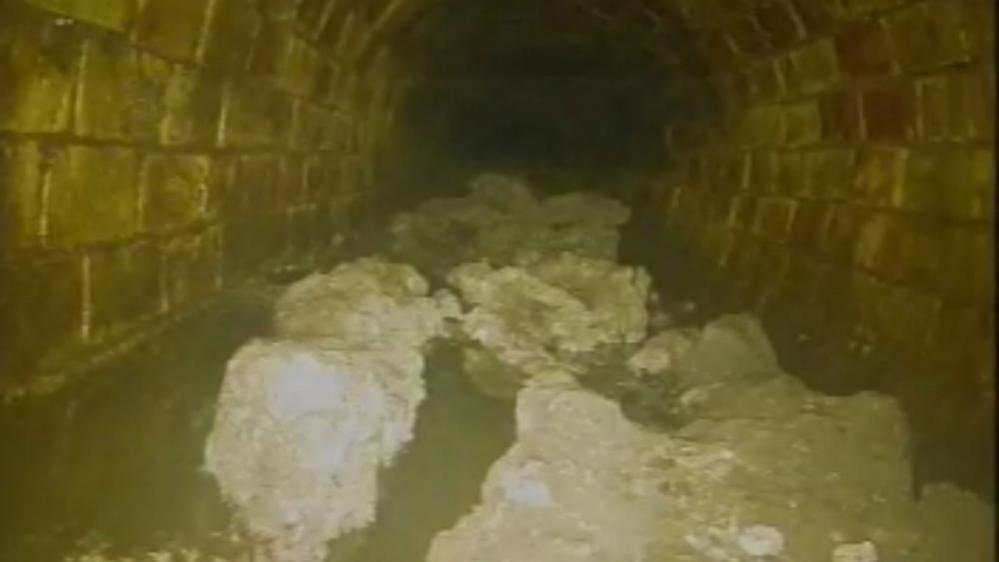
- A massive 100-tonne fatberg has been discovered in the sewers of east London, specifically in the Whitechapel area.
- Thames Water estimates the blockage, composed of fats, oils, and grease, measures around 100 meters long.
- The company warns that clearing such blockages costs millions annually, urging residents to be mindful of what they dispose of down drains.
- This fatberg is dubbed the "grandchild" of the 2017 Whitechapel fatberg, which was even larger at 130 tonnes.
- Thames Water highlights an increase in blockages during December and January, with clearance costs reaching £2.1 million over the festive period.
A colossal fatberg weighing approximately 100 tonnes has been unearthed in the sewers beneath Whitechapel, east London, Thames Water officials have reported. This massive accumulation of congealed fats, oils, and grease stretches about 100 meters, posing a significant challenge to waste management teams tasked with its removal.
The Fatberg Phenomenon
Dubbed the "grandchild" of the infamous 2017 Whitechapel fatberg, which weighed 130 tonnes and extended over 250 meters, this latest discovery underscores the persistent issue of improper waste disposal in urban drainage systems. Tim Davies, head of waste operations for north London at Thames Water, emphasized the gravity of the situation: "This latest fatberg shows exactly what happens when fats, oils, and wipes go down our drains – they don't disappear, they build up and cause serious damage."
Economic and Environmental Impact
The financial implications of such blockages are substantial. Thames Water estimates that the cost of clearing blockages and repairing sewers runs into tens of millions of pounds each year, a burden ultimately borne by customers. The company has noted a seasonal spike in blockages during December and January, with clearance costs reaching £2.1 million over this period alone.
Public Awareness and Prevention
In response to this recurring issue, Thames Water is urging the public to adopt better waste disposal habits. Residents are encouraged to scrape food scraps from plates, use sink strainers, and avoid pouring liquid foods like gravy or cream down the sink. The company hopes that increased awareness will help mitigate the environmental impact and financial costs associated with these fatbergs.
WHAT THIS MIGHT MEAN
The discovery of this latest fatberg highlights the ongoing challenges faced by urban waste management systems. If public awareness campaigns prove effective, there could be a reduction in such blockages, leading to decreased maintenance costs and environmental impact. However, if improper disposal practices persist, cities may need to invest in more advanced waste management technologies or stricter regulations to prevent future occurrences. Experts suggest that a combination of public education and technological innovation will be crucial in addressing the fatberg phenomenon and ensuring the sustainability of urban drainage systems.
Images from the Web
Related Articles

Abandoned Siblings in East London Find New Families and Reunite

European Court Challenges UK Over Shamima Begum Citizenship Revocation

Water Companies Face Bonus Ban Amid Pollution Concerns
New Swimming Sites Proposed to Boost Water Quality Across England
UK Rail Timetable Overhaul Sparks Service Reductions and Passenger Concerns
Thames Water's Future Uncertain Amid Debt Crisis and Rising Bills
Massive 100-Tonne Fatberg Discovered in East London Sewers
In This Article
 Ethan Brooks| Published
 HIGHLIGHTS
- A massive 100-tonne fatberg has been discovered in the sewers of east London, specifically in the Whitechapel area.
- Thames Water estimates the blockage, composed of fats, oils, and grease, measures around 100 meters long.
- The company warns that clearing such blockages costs millions annually, urging residents to be mindful of what they dispose of down drains.
- This fatberg is dubbed the "grandchild" of the 2017 Whitechapel fatberg, which was even larger at 130 tonnes.
- Thames Water highlights an increase in blockages during December and January, with clearance costs reaching £2.1 million over the festive period.
A colossal fatberg weighing approximately 100 tonnes has been unearthed in the sewers beneath Whitechapel, east London, Thames Water officials have reported. This massive accumulation of congealed fats, oils, and grease stretches about 100 meters, posing a significant challenge to waste management teams tasked with its removal.
The Fatberg Phenomenon
Dubbed the "grandchild" of the infamous 2017 Whitechapel fatberg, which weighed 130 tonnes and extended over 250 meters, this latest discovery underscores the persistent issue of improper waste disposal in urban drainage systems. Tim Davies, head of waste operations for north London at Thames Water, emphasized the gravity of the situation: "This latest fatberg shows exactly what happens when fats, oils, and wipes go down our drains – they don't disappear, they build up and cause serious damage."
Economic and Environmental Impact
The financial implications of such blockages are substantial. Thames Water estimates that the cost of clearing blockages and repairing sewers runs into tens of millions of pounds each year, a burden ultimately borne by customers. The company has noted a seasonal spike in blockages during December and January, with clearance costs reaching £2.1 million over this period alone.
Public Awareness and Prevention
In response to this recurring issue, Thames Water is urging the public to adopt better waste disposal habits. Residents are encouraged to scrape food scraps from plates, use sink strainers, and avoid pouring liquid foods like gravy or cream down the sink. The company hopes that increased awareness will help mitigate the environmental impact and financial costs associated with these fatbergs.
WHAT THIS MIGHT MEAN
The discovery of this latest fatberg highlights the ongoing challenges faced by urban waste management systems. If public awareness campaigns prove effective, there could be a reduction in such blockages, leading to decreased maintenance costs and environmental impact. However, if improper disposal practices persist, cities may need to invest in more advanced waste management technologies or stricter regulations to prevent future occurrences. Experts suggest that a combination of public education and technological innovation will be crucial in addressing the fatberg phenomenon and ensuring the sustainability of urban drainage systems.
Images from the Web
Related Articles
Abandoned Siblings in East London Find New Families and Reunite
European Court Challenges UK Over Shamima Begum Citizenship Revocation
Water Companies Face Bonus Ban Amid Pollution Concerns
New Swimming Sites Proposed to Boost Water Quality Across England
UK Rail Timetable Overhaul Sparks Service Reductions and Passenger Concerns
Thames Water's Future Uncertain Amid Debt Crisis and Rising Bills