
Massive Winter Storm to Blanket US with Snow, Ice, and Extreme Cold
In This Article
HIGHLIGHTS
- A massive winter storm is set to impact over 200 million people across the US, bringing snow, ice, and subzero temperatures.
- The storm will stretch from the southwest to the east coast, affecting major cities like Dallas, New York, and Washington, DC.
- The National Weather Service warns of hazardous travel conditions, potential power outages, and extreme cold due to the polar vortex.
- States like Texas and the Carolinas may experience severe ice storms, prompting emergency declarations and mobilization of resources.
- The storm is expected to peak on Sunday, with lingering cold temperatures persisting into next week.
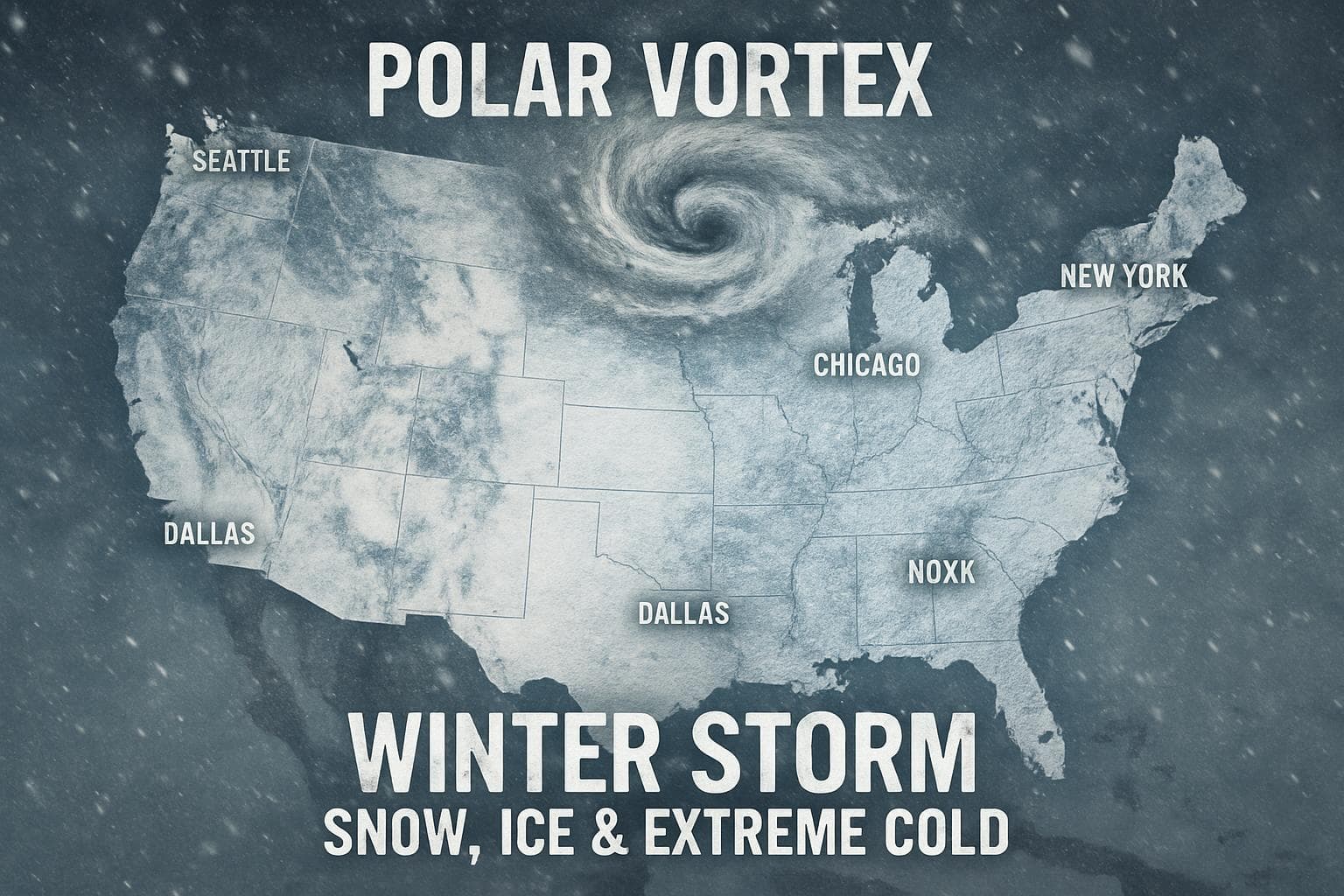
A formidable winter storm is poised to sweep across the United States, affecting over 200 million people with snow, ice, and dangerously low temperatures. The storm, driven by a powerful polar vortex, is expected to stretch nearly 2,000 miles from the southwest to the east coast, impacting major cities including Dallas, New York, and Washington, DC.
Polar Vortex and Travel Disruptions
Meteorologists predict that the storm will begin to take shape on Friday, starting in the Rocky Mountain states and moving eastward over the weekend. As the polar vortex plunges southward, temperatures in parts of the Midwest, Great Lakes, and New England could drop below minus 30°F. The National Weather Service (NWS) has issued warnings for hazardous travel conditions, with snow and ice expected to disrupt transportation and lead to potential power outages.
Emergency Declarations and Preparations
In response to the impending storm, governors in several states, including Texas and the Carolinas, have declared states of emergency. This allows for the mobilization of emergency resources, including National Guard troops, to assist in response efforts. Texas Governor Greg Abbott emphasized the state's readiness to provide necessary resources to residents ahead of the severe weather.
Impact on Major Cities and Regions
The storm is expected to affect a wide range of cities, from Dallas and Oklahoma City to Memphis, Nashville, and beyond. As it moves eastward, it will reach the Great Lakes and New England, impacting cities like Pittsburgh, Cleveland, and Boston. Some areas could see over a foot of snow, while others may face severe ice buildup, increasing the risk of power outages and hazardous road conditions.
Public Safety and Precautions
Residents in the most affected areas have been advised to prepare for the storm by fueling generators, securing water and non-perishable food, and picking up necessary medications. Gusty winds could exacerbate conditions, leading to blowing snow and ice-coated branches. The storm is expected to peak on Sunday, with its effects lingering into early next week.
WHAT THIS MIGHT MEAN
As the storm progresses, the immediate concern will be the safety and well-being of those in its path. Emergency services and local governments will need to coordinate effectively to manage power outages and ensure that vulnerable populations are protected. The storm's impact on transportation and infrastructure could have lasting effects, particularly in regions unaccustomed to severe winter weather.
Looking ahead, the storm may prompt discussions on improving infrastructure resilience and emergency preparedness, especially in states like Texas that experienced significant challenges during the 2021 winter storm. Experts may also explore the broader implications of climate change on the frequency and intensity of such extreme weather events.
Related Articles
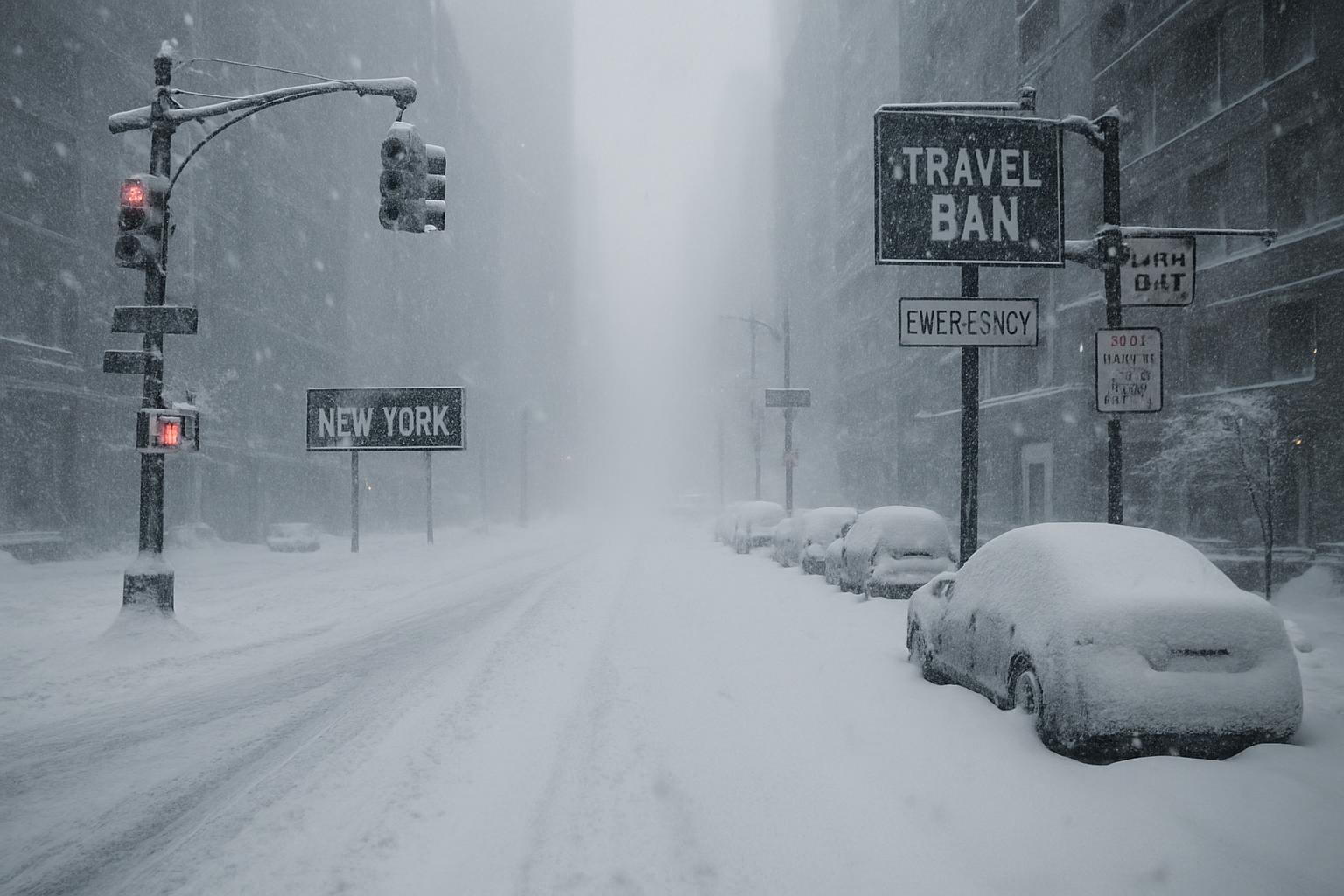
Historic Nor'easter Storm Paralyzes US North-East with Blizzard Warnings and Travel Bans

James Talarico Secures Democratic Nomination in Texas Senate Race Amidst Republican Runoff

China Sets Lowest GDP Growth Target in Decades Amid Economic Challenges
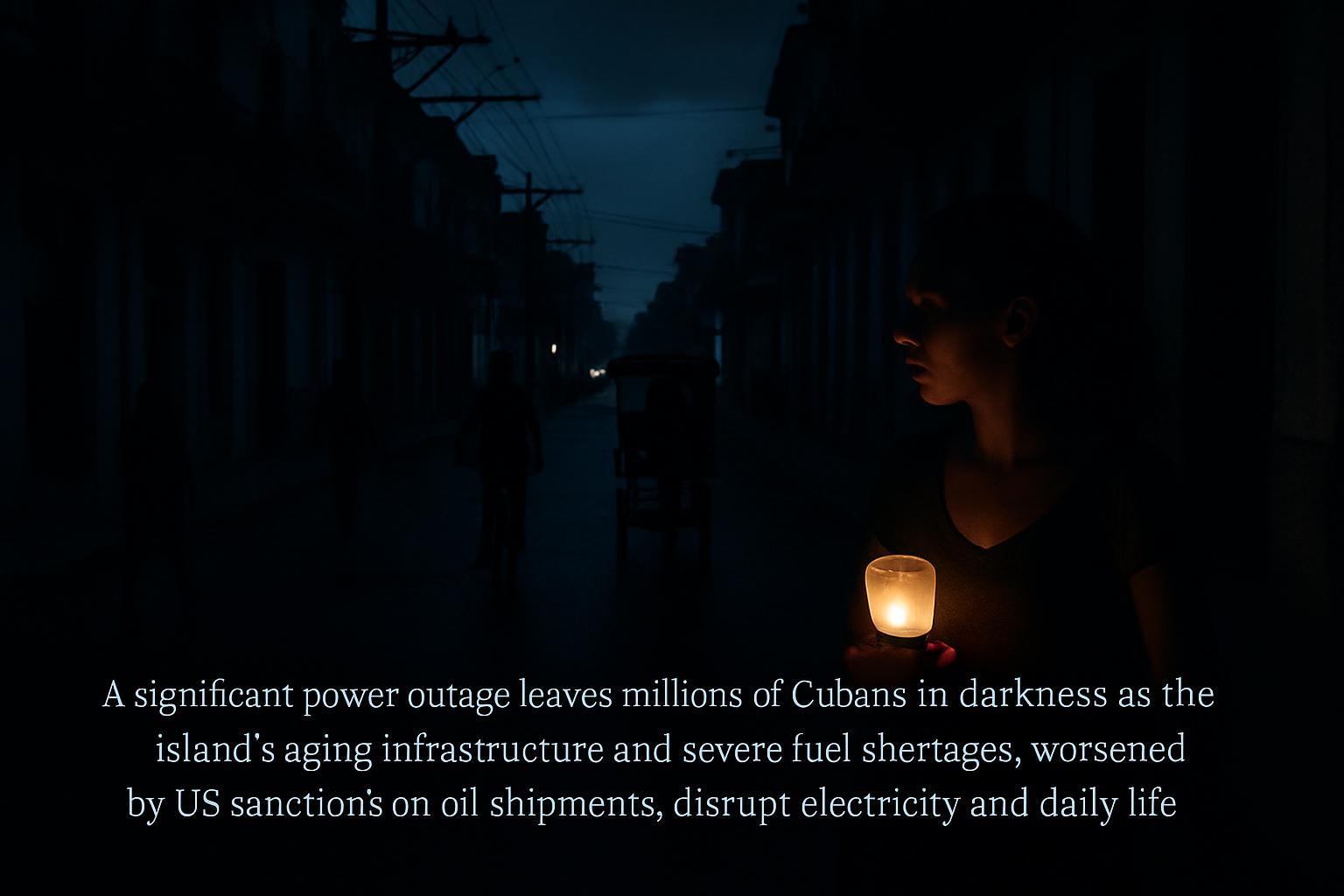
Cuba Faces Widespread Blackout Amid Deepening Fuel Crisis

UK Faces Dilemmas Amid Iran Conflict and China Spying Allegations

Google Faces Legal Battle Over AI Chatbot's Alleged Role in Tragic Death
Massive Winter Storm to Blanket US with Snow, Ice, and Extreme Cold
In This Article
 Leila Hassan| Published
 HIGHLIGHTS
- A massive winter storm is set to impact over 200 million people across the US, bringing snow, ice, and subzero temperatures.
- The storm will stretch from the southwest to the east coast, affecting major cities like Dallas, New York, and Washington, DC.
- The National Weather Service warns of hazardous travel conditions, potential power outages, and extreme cold due to the polar vortex.
- States like Texas and the Carolinas may experience severe ice storms, prompting emergency declarations and mobilization of resources.
- The storm is expected to peak on Sunday, with lingering cold temperatures persisting into next week.
A formidable winter storm is poised to sweep across the United States, affecting over 200 million people with snow, ice, and dangerously low temperatures. The storm, driven by a powerful polar vortex, is expected to stretch nearly 2,000 miles from the southwest to the east coast, impacting major cities including Dallas, New York, and Washington, DC.
Polar Vortex and Travel Disruptions
Meteorologists predict that the storm will begin to take shape on Friday, starting in the Rocky Mountain states and moving eastward over the weekend. As the polar vortex plunges southward, temperatures in parts of the Midwest, Great Lakes, and New England could drop below minus 30°F. The National Weather Service (NWS) has issued warnings for hazardous travel conditions, with snow and ice expected to disrupt transportation and lead to potential power outages.
Emergency Declarations and Preparations
In response to the impending storm, governors in several states, including Texas and the Carolinas, have declared states of emergency. This allows for the mobilization of emergency resources, including National Guard troops, to assist in response efforts. Texas Governor Greg Abbott emphasized the state's readiness to provide necessary resources to residents ahead of the severe weather.
Impact on Major Cities and Regions
The storm is expected to affect a wide range of cities, from Dallas and Oklahoma City to Memphis, Nashville, and beyond. As it moves eastward, it will reach the Great Lakes and New England, impacting cities like Pittsburgh, Cleveland, and Boston. Some areas could see over a foot of snow, while others may face severe ice buildup, increasing the risk of power outages and hazardous road conditions.
Public Safety and Precautions
Residents in the most affected areas have been advised to prepare for the storm by fueling generators, securing water and non-perishable food, and picking up necessary medications. Gusty winds could exacerbate conditions, leading to blowing snow and ice-coated branches. The storm is expected to peak on Sunday, with its effects lingering into early next week.
WHAT THIS MIGHT MEAN
As the storm progresses, the immediate concern will be the safety and well-being of those in its path. Emergency services and local governments will need to coordinate effectively to manage power outages and ensure that vulnerable populations are protected. The storm's impact on transportation and infrastructure could have lasting effects, particularly in regions unaccustomed to severe winter weather.
Looking ahead, the storm may prompt discussions on improving infrastructure resilience and emergency preparedness, especially in states like Texas that experienced significant challenges during the 2021 winter storm. Experts may also explore the broader implications of climate change on the frequency and intensity of such extreme weather events.
Related Articles
Historic Nor'easter Storm Paralyzes US North-East with Blizzard Warnings and Travel Bans
James Talarico Secures Democratic Nomination in Texas Senate Race Amidst Republican Runoff
China Sets Lowest GDP Growth Target in Decades Amid Economic Challenges
Cuba Faces Widespread Blackout Amid Deepening Fuel Crisis
UK Faces Dilemmas Amid Iran Conflict and China Spying Allegations
Google Faces Legal Battle Over AI Chatbot's Alleged Role in Tragic Death