
Met Police's Freemason Disclosure Policy Sparks Legal Battle
In This Article
HIGHLIGHTS
- Over 300 Metropolitan Police officers and staff have declared membership in Freemasons or similar hierarchical associations.
- The Met's policy requires disclosure of membership in any hierarchical organization, sparking legal action from Freemason groups.
- The United Grand Lodge of England argues the policy breaches human rights and data privacy laws.
- A High Court judge stated there is no immediate need for interim relief as the Met considers withdrawing the decision.
- The Met defends the policy as a measure to enhance police transparency and public trust.
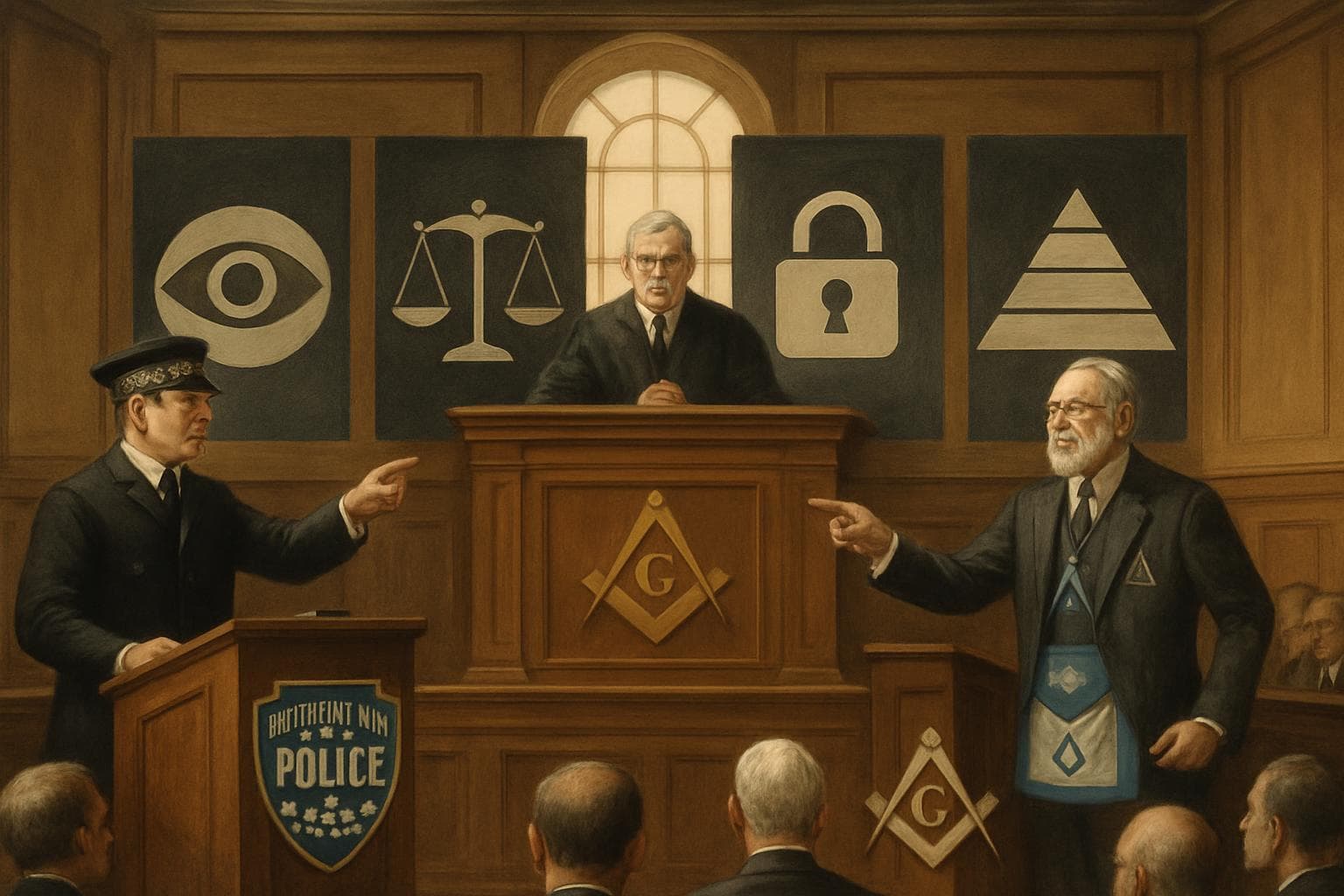
In a move aimed at bolstering transparency, the Metropolitan Police has mandated that its officers and staff disclose any affiliations with hierarchical organizations, including the Freemasons. This decision has led to over 300 personnel declaring their involvement, igniting a legal challenge from Freemason groups who argue the policy infringes on human rights and data privacy laws.
Background and Legal Challenge
The policy, announced in December, requires officers and staff to declare past or present membership in any organization characterized by a hierarchical structure, confidential membership, and mutual support among members. This has prompted the United Grand Lodge of England (UGLE), alongside the Order of Women Freemasons and the Honourable Fraternity of Ancient Freemasons, to seek an injunction against the policy. They contend that the requirement amounts to religious discrimination and violates privacy rights.
Court Proceedings and Reactions
Mr. Justice Chamberlain, presiding over the case, indicated that there is no urgent need for interim relief, as the Met has agreed to reconsider the policy in light of the Freemasons' representations. The court will also decide on the anonymity of a fourth party involved in the case, known as FSK, whose association with the Freemasons may have been publicly disclosed.
Metropolitan Police's Stance
The Metropolitan Police maintains that the policy is crucial for restoring public trust and ensuring police impartiality. A survey conducted by the Met revealed that two-thirds of respondents believed membership in such organizations could affect public perception of the force. Despite the legal challenge, the Met is committed to defending the policy, emphasizing its role in enhancing transparency.
Freemasons' Concerns
The Freemasons argue that the policy unjustly stigmatizes their members, many of whom are openly proud of their affiliation. They also highlight that only a small fraction of Met staff participated in the survey that informed the policy decision. Adrian Marsh, grand secretary of UGLE, expressed regret over the potential disciplinary actions faced by those wishing to keep their membership private.
WHAT THIS MIGHT MEAN
The outcome of this legal battle could have significant implications for both the Metropolitan Police and the Freemasons. If the court rules in favor of the Freemasons, it may set a precedent for how organizations balance transparency with privacy rights. Conversely, if the Met's policy is upheld, it could lead to broader disclosure requirements across other public institutions. Experts suggest that this case underscores the ongoing tension between institutional transparency and individual privacy, a debate likely to persist in the public sector.
Related Articles
High Court Upholds Met Police's Freemasons Disclosure Policy
Labour MP's Husband Arrested in UK-China Espionage Probe
Prince Andrew's Ties to Epstein Under Scrutiny Amid Calls for Inquiry

UK Police Assess Epstein's Use of Private Flights Amid Trafficking Allegations
Allegations of Unlawful Reporting Methods in Stephen Lawrence Case Denied by Ex-Daily Mail Reporter
US Congress Seeks Testimony from Peter Mandelson Over Epstein Ties
Met Police's Freemason Disclosure Policy Sparks Legal Battle
In This Article
 Ethan Brooks| Published
 HIGHLIGHTS
- Over 300 Metropolitan Police officers and staff have declared membership in Freemasons or similar hierarchical associations.
- The Met's policy requires disclosure of membership in any hierarchical organization, sparking legal action from Freemason groups.
- The United Grand Lodge of England argues the policy breaches human rights and data privacy laws.
- A High Court judge stated there is no immediate need for interim relief as the Met considers withdrawing the decision.
- The Met defends the policy as a measure to enhance police transparency and public trust.
In a move aimed at bolstering transparency, the Metropolitan Police has mandated that its officers and staff disclose any affiliations with hierarchical organizations, including the Freemasons. This decision has led to over 300 personnel declaring their involvement, igniting a legal challenge from Freemason groups who argue the policy infringes on human rights and data privacy laws.
Background and Legal Challenge
The policy, announced in December, requires officers and staff to declare past or present membership in any organization characterized by a hierarchical structure, confidential membership, and mutual support among members. This has prompted the United Grand Lodge of England (UGLE), alongside the Order of Women Freemasons and the Honourable Fraternity of Ancient Freemasons, to seek an injunction against the policy. They contend that the requirement amounts to religious discrimination and violates privacy rights.
Court Proceedings and Reactions
Mr. Justice Chamberlain, presiding over the case, indicated that there is no urgent need for interim relief, as the Met has agreed to reconsider the policy in light of the Freemasons' representations. The court will also decide on the anonymity of a fourth party involved in the case, known as FSK, whose association with the Freemasons may have been publicly disclosed.
Metropolitan Police's Stance
The Metropolitan Police maintains that the policy is crucial for restoring public trust and ensuring police impartiality. A survey conducted by the Met revealed that two-thirds of respondents believed membership in such organizations could affect public perception of the force. Despite the legal challenge, the Met is committed to defending the policy, emphasizing its role in enhancing transparency.
Freemasons' Concerns
The Freemasons argue that the policy unjustly stigmatizes their members, many of whom are openly proud of their affiliation. They also highlight that only a small fraction of Met staff participated in the survey that informed the policy decision. Adrian Marsh, grand secretary of UGLE, expressed regret over the potential disciplinary actions faced by those wishing to keep their membership private.
WHAT THIS MIGHT MEAN
The outcome of this legal battle could have significant implications for both the Metropolitan Police and the Freemasons. If the court rules in favor of the Freemasons, it may set a precedent for how organizations balance transparency with privacy rights. Conversely, if the Met's policy is upheld, it could lead to broader disclosure requirements across other public institutions. Experts suggest that this case underscores the ongoing tension between institutional transparency and individual privacy, a debate likely to persist in the public sector.
Related Articles
High Court Upholds Met Police's Freemasons Disclosure Policy
Labour MP's Husband Arrested in UK-China Espionage Probe
Prince Andrew's Ties to Epstein Under Scrutiny Amid Calls for Inquiry
UK Police Assess Epstein's Use of Private Flights Amid Trafficking Allegations
Allegations of Unlawful Reporting Methods in Stephen Lawrence Case Denied by Ex-Daily Mail Reporter
US Congress Seeks Testimony from Peter Mandelson Over Epstein Ties