
MI6 Chief Warns of Russia's Expanding Threat Amid Ongoing Ukraine Conflict
In This Article
HIGHLIGHTS
- Blaise Metreweli, the new MI6 chief, warns of Russia's "aggressive, expansionist, and revisionist" threat in her first public speech.
- Metreweli emphasizes the importance of mastering technology in espionage, highlighting the role of cyber attacks and hybrid warfare.
- The UK remains committed to supporting Ukraine against Russian aggression, with ongoing pressure on President Putin.
- Richard Knighton, Chief of the Defence Staff, calls for a "whole of society approach" to enhance national resilience amid growing threats.
- Talks in Berlin, involving Ukraine's President Zelenskyy, focus on achieving a dignified peace with Russia, with US and European leaders participating.
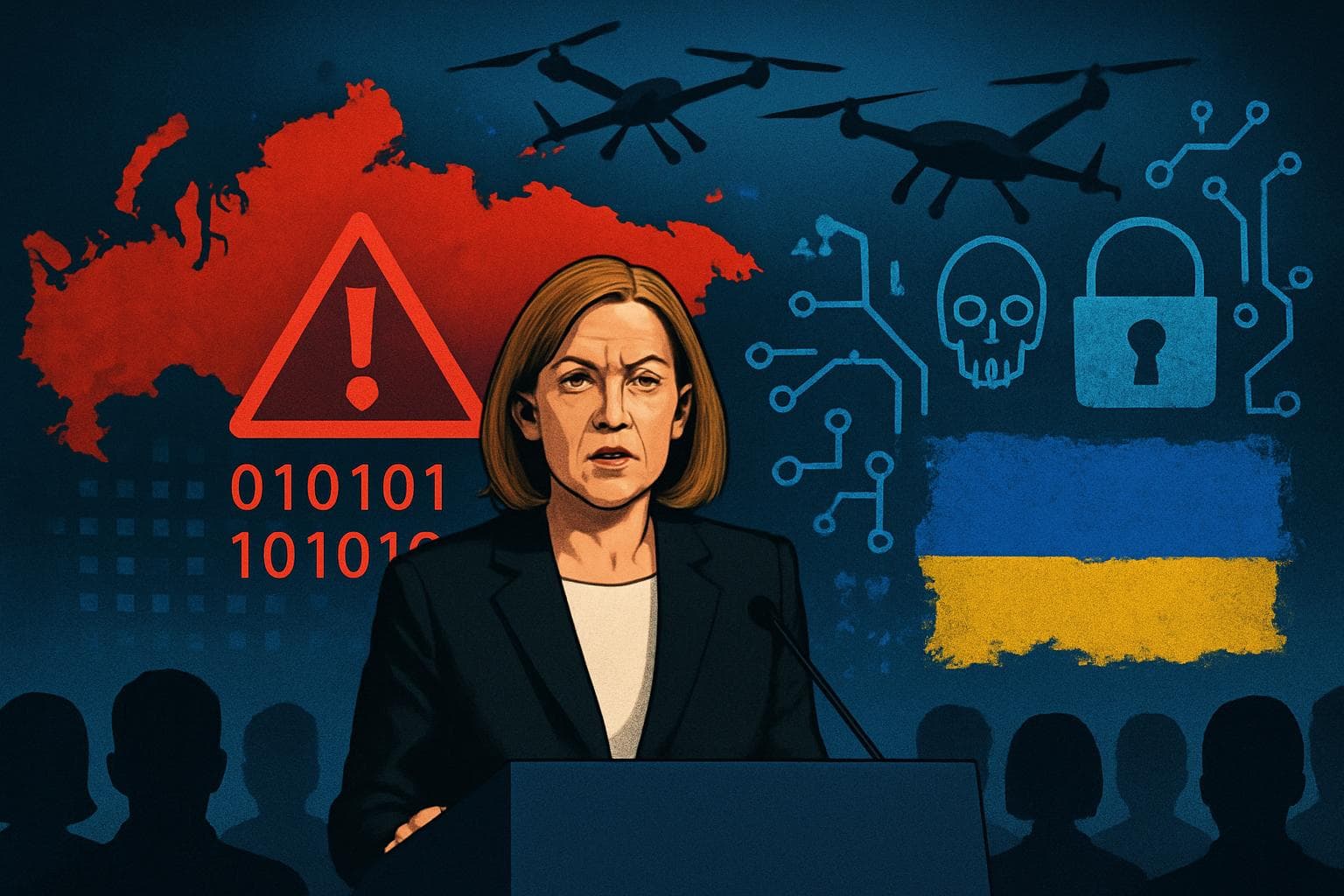
In her inaugural public address, Blaise Metreweli, the newly appointed chief of MI6, has issued a stark warning about the "aggressive, expansionist, and revisionist" threat posed by Russia. Metreweli, who took over from Sir Richard Moore on October 1, emphasized the acute danger represented by Russia's hybrid warfare tactics, including cyber attacks and drone operations near critical infrastructure. Her speech underscores the UK's unwavering support for Ukraine in its ongoing conflict with Russia, asserting that pressure on President Vladimir Putin will persist.
The Technological Frontier
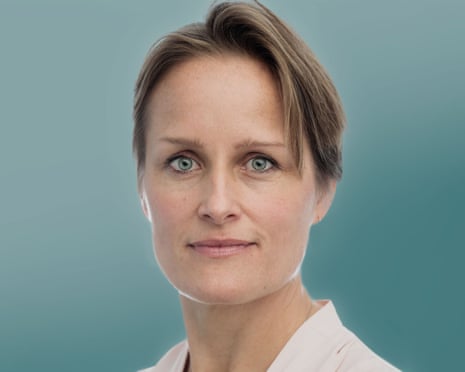
Metreweli, the first woman to lead Britain's overseas intelligence agency, highlighted the critical role of technology in modern espionage. Drawing from her experience in MI6's Q Branch, she stressed the necessity for intelligence officers to be adept in both human intelligence and technological skills, including programming languages like Python. "We must be as comfortable with lines of code as we are with human sources," she stated, underscoring the evolving nature of international security threats.
National Resilience and Defence
In a parallel address, Sir Richard Knighton, Chief of the Defence Staff, advocated for a "whole of society approach" to bolster national resilience. He emphasized the need for collective efforts beyond the military to address the increasing threats and uncertainties posed by Russia. Knighton's remarks come amid heightened concerns about the potential for Russian aggression towards NATO countries.
Diplomatic Efforts in Berlin
Meanwhile, diplomatic efforts continue in Berlin, where Ukrainian President Volodymyr Zelenskyy is engaged in talks with US and European leaders, including US special envoy Steve Witkoff. The discussions aim to secure a dignified peace with Russia, with Zelenskyy emphasizing the need for reliable security guarantees. "Ukraine needs peace on dignified terms," Zelenskyy stated, as he seeks to navigate the complex geopolitical landscape.
WHAT THIS MIGHT MEAN
The warnings from MI6 and the UK Defence Staff highlight the persistent and evolving threat posed by Russia, suggesting that international security dynamics are likely to remain tense. As the UK and its allies continue to support Ukraine, the potential for further escalation in the region remains a concern. The ongoing diplomatic talks in Berlin could play a crucial role in shaping the future of the Ukraine conflict, with the possibility of a negotiated peace hinging on the ability to secure reliable security guarantees. As these developments unfold, the international community will need to remain vigilant and adaptable to the changing security landscape.
Images from the Web
Related Articles
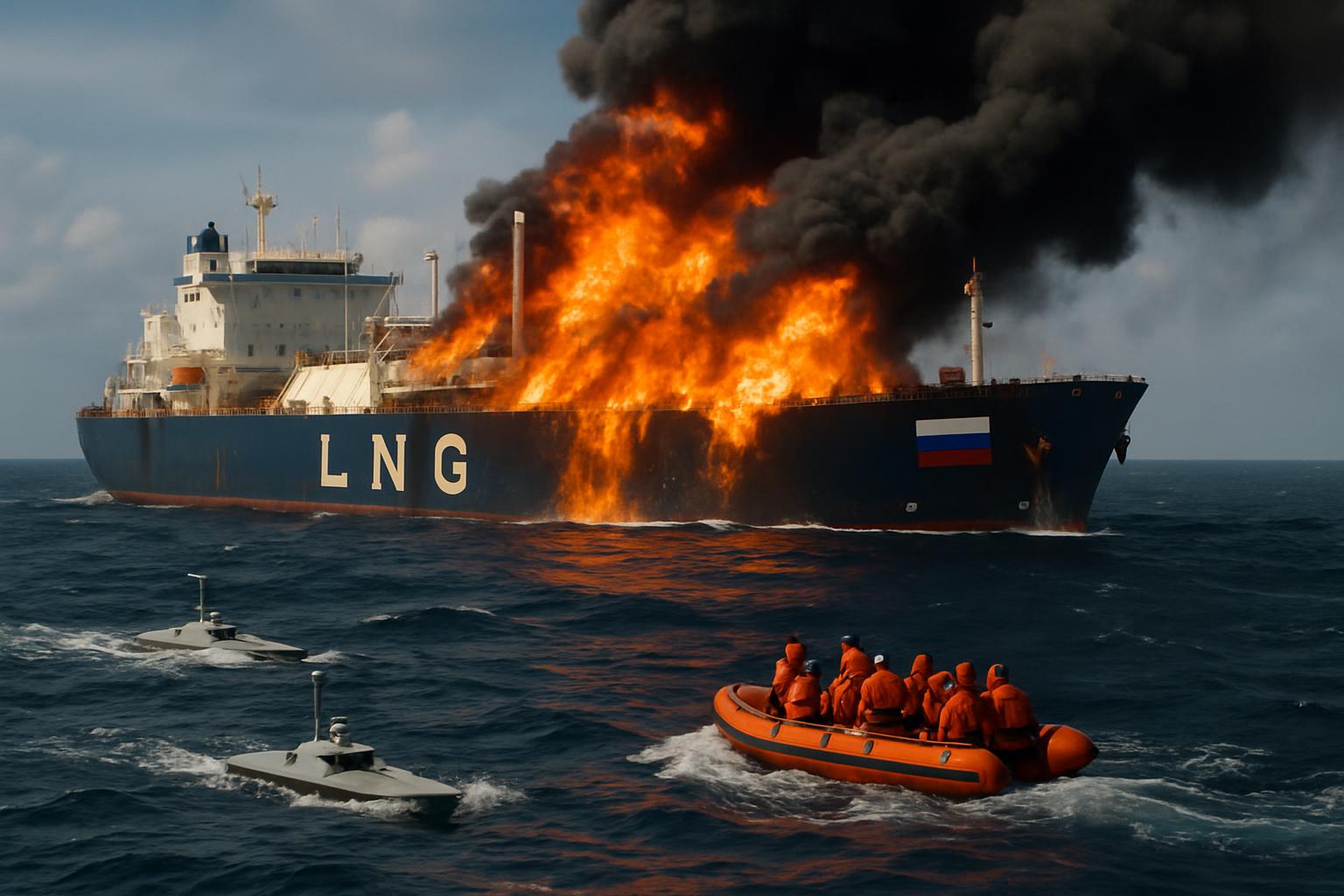
Russian LNG Tanker Sinks in Mediterranean Amid Accusations of Ukrainian Drone Attack

Google Faces Legal Battle Over AI Chatbot's Alleged Role in Tragic Death
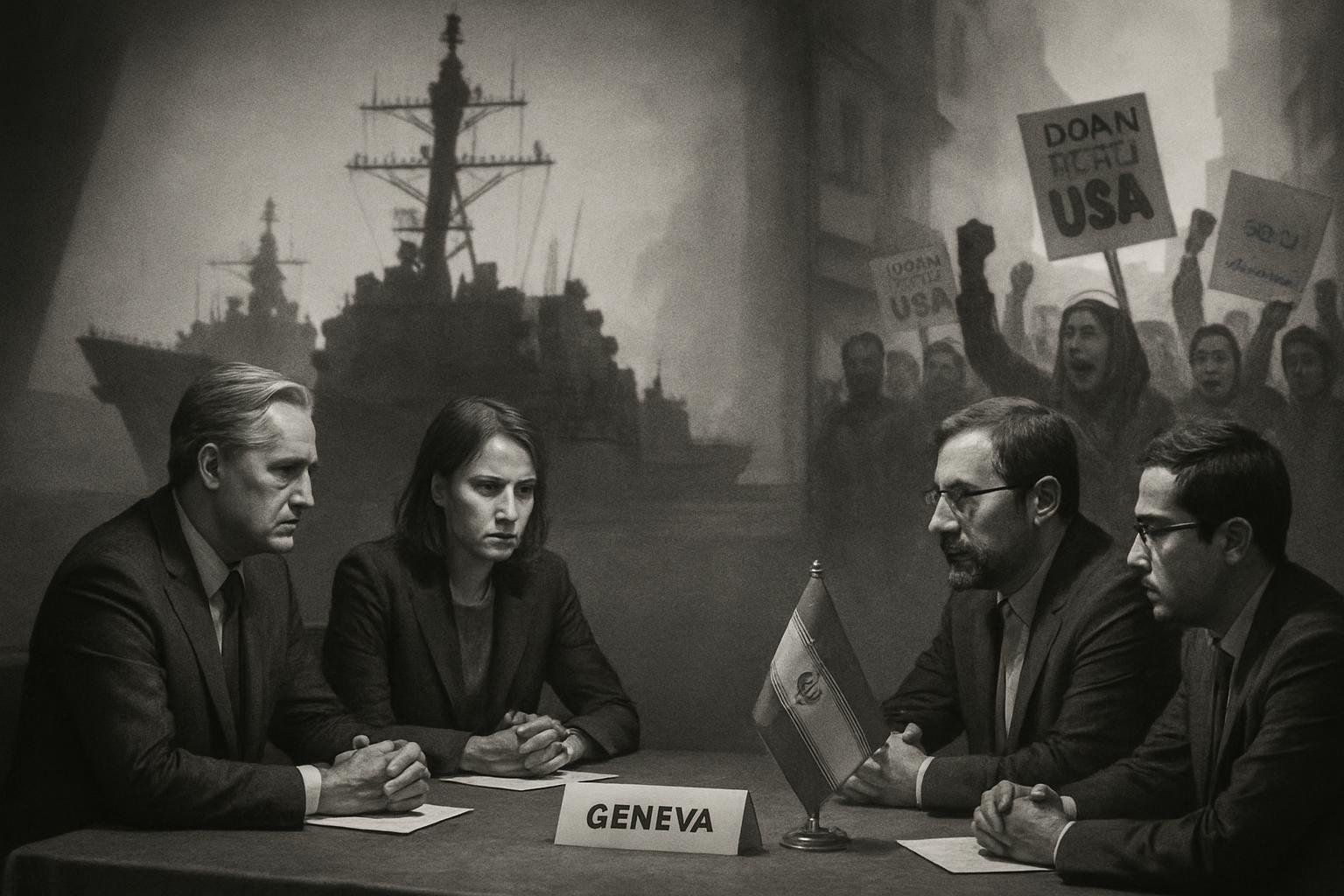
US-Iran Tensions Escalate Amid Renewed Nuclear Talks and Protests
Russia-Ukraine Conflict: Four Years of Unyielding Struggle and Human Resilience
China Sets Lowest GDP Growth Target in Decades Amid Economic Challenges

Breakthrough Drug Offers Hope for Children with Severe Epilepsy
MI6 Chief Warns of Russia's Expanding Threat Amid Ongoing Ukraine Conflict
In This Article
 Himanshu Kaushik| Published
 HIGHLIGHTS
- Blaise Metreweli, the new MI6 chief, warns of Russia's "aggressive, expansionist, and revisionist" threat in her first public speech.
- Metreweli emphasizes the importance of mastering technology in espionage, highlighting the role of cyber attacks and hybrid warfare.
- The UK remains committed to supporting Ukraine against Russian aggression, with ongoing pressure on President Putin.
- Richard Knighton, Chief of the Defence Staff, calls for a "whole of society approach" to enhance national resilience amid growing threats.
- Talks in Berlin, involving Ukraine's President Zelenskyy, focus on achieving a dignified peace with Russia, with US and European leaders participating.
In her inaugural public address, Blaise Metreweli, the newly appointed chief of MI6, has issued a stark warning about the "aggressive, expansionist, and revisionist" threat posed by Russia. Metreweli, who took over from Sir Richard Moore on October 1, emphasized the acute danger represented by Russia's hybrid warfare tactics, including cyber attacks and drone operations near critical infrastructure. Her speech underscores the UK's unwavering support for Ukraine in its ongoing conflict with Russia, asserting that pressure on President Vladimir Putin will persist.
The Technological Frontier
Metreweli, the first woman to lead Britain's overseas intelligence agency, highlighted the critical role of technology in modern espionage. Drawing from her experience in MI6's Q Branch, she stressed the necessity for intelligence officers to be adept in both human intelligence and technological skills, including programming languages like Python. "We must be as comfortable with lines of code as we are with human sources," she stated, underscoring the evolving nature of international security threats.
National Resilience and Defence
In a parallel address, Sir Richard Knighton, Chief of the Defence Staff, advocated for a "whole of society approach" to bolster national resilience. He emphasized the need for collective efforts beyond the military to address the increasing threats and uncertainties posed by Russia. Knighton's remarks come amid heightened concerns about the potential for Russian aggression towards NATO countries.
Diplomatic Efforts in Berlin
Meanwhile, diplomatic efforts continue in Berlin, where Ukrainian President Volodymyr Zelenskyy is engaged in talks with US and European leaders, including US special envoy Steve Witkoff. The discussions aim to secure a dignified peace with Russia, with Zelenskyy emphasizing the need for reliable security guarantees. "Ukraine needs peace on dignified terms," Zelenskyy stated, as he seeks to navigate the complex geopolitical landscape.
WHAT THIS MIGHT MEAN
The warnings from MI6 and the UK Defence Staff highlight the persistent and evolving threat posed by Russia, suggesting that international security dynamics are likely to remain tense. As the UK and its allies continue to support Ukraine, the potential for further escalation in the region remains a concern. The ongoing diplomatic talks in Berlin could play a crucial role in shaping the future of the Ukraine conflict, with the possibility of a negotiated peace hinging on the ability to secure reliable security guarantees. As these developments unfold, the international community will need to remain vigilant and adaptable to the changing security landscape.
Images from the Web
Related Articles
Russian LNG Tanker Sinks in Mediterranean Amid Accusations of Ukrainian Drone Attack
Google Faces Legal Battle Over AI Chatbot's Alleged Role in Tragic Death
US-Iran Tensions Escalate Amid Renewed Nuclear Talks and Protests
Russia-Ukraine Conflict: Four Years of Unyielding Struggle and Human Resilience
China Sets Lowest GDP Growth Target in Decades Amid Economic Challenges
Breakthrough Drug Offers Hope for Children with Severe Epilepsy