
Tragedy in the Mediterranean: 53 Feared Dead After Migrant Boat Capsizes Off Libyan Coast
In This Article
HIGHLIGHTS
- A migrant boat capsized off Libya, leaving 53 dead or missing, with only two Nigerian women surviving.
- The boat, carrying migrants from various African countries, sank six hours after departing from al-Zawiya, Libya.
- The International Organization for Migration (IOM) highlights the exploitation by smuggling networks and calls for international cooperation.
- Over 500 migrants have died or gone missing in the Mediterranean from Libya in 2026 alone, amid dire conditions in Libyan detention centers.
- The European Commission emphasizes the need for legal migration pathways to prevent such tragedies.
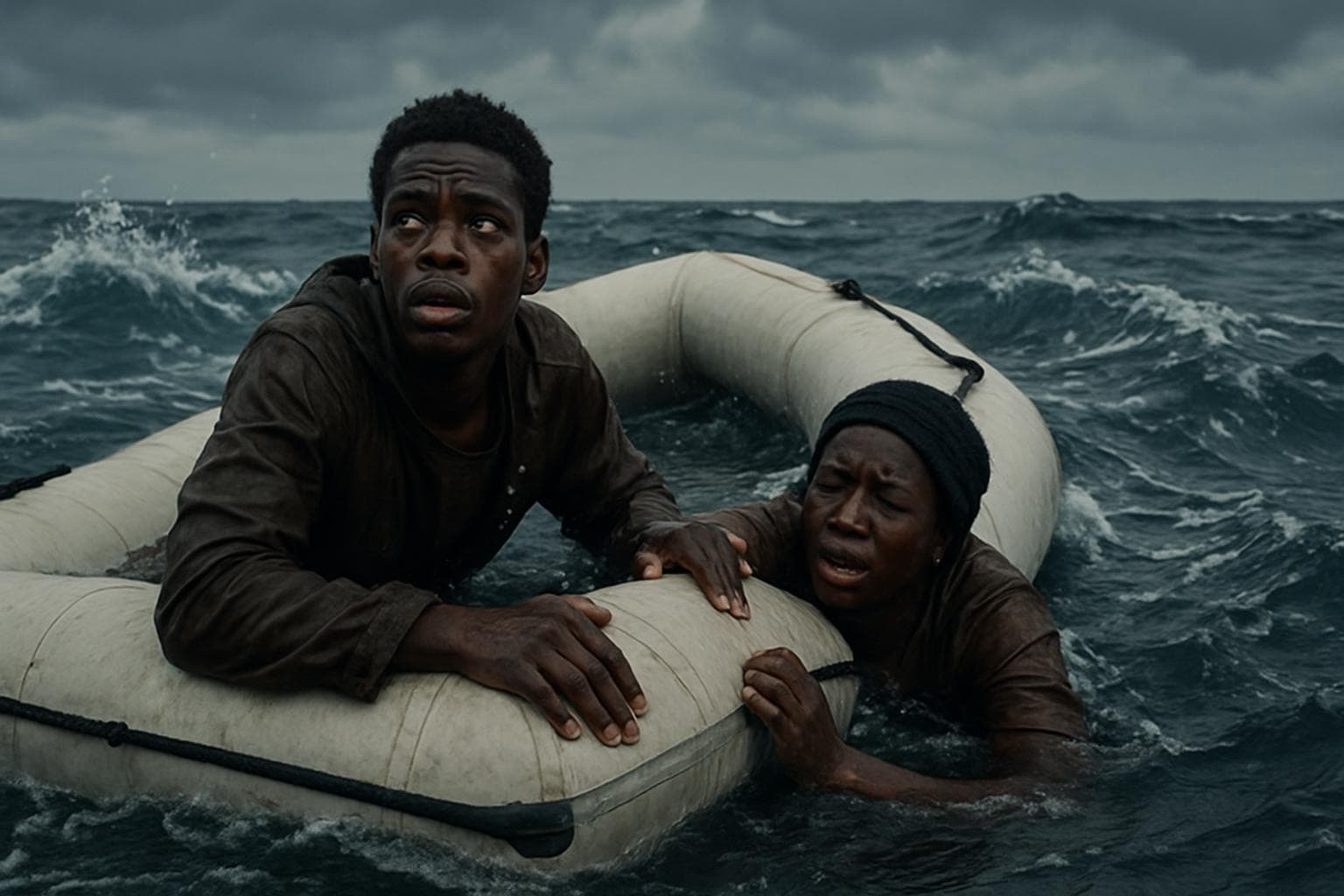
In a devastating incident highlighting the ongoing Mediterranean migration crisis, a rubber boat carrying 55 passengers capsized off the coast of Libya, leaving 53 people dead or missing. The tragedy unfolded as the boat, filled with migrants and refugees from various African nations, sank approximately six hours after departing from the coastal city of al-Zawiya in north-western Libya. Only two Nigerian women survived the ordeal, rescued by Libyan authorities, according to the International Organization for Migration (IOM).
The Perilous Journey
The ill-fated vessel embarked on its journey around 11 p.m. local time, aiming to reach European shores. However, it capsized in the early hours of Friday north of Zuwara. Survivors recounted harrowing tales of loss, with one woman losing her husband and the other her two babies. The IOM provided emergency medical care to the survivors upon their rescue.
A Call for Action
The IOM has expressed deep concern over the exploitation of migrants by smuggling networks, which profit from dangerous crossings in unseaworthy boats. The agency has urged stronger international cooperation to dismantle these networks and establish safe and legal migration pathways. "These tragic events underline the urgent need for joint efforts to prevent such dangerous journeys," a European Commission spokesperson stated.
A Grim Toll
The Mediterranean Sea remains one of the deadliest migration routes, with over 500 migrants reported dead or missing from Libya in 2026 alone. The IOM's Missing Migrants Project reports that more than 33,000 migrants have died or disappeared in the Mediterranean since 2014. Despite the risks, many continue to attempt the crossing, driven by dire conditions in Libyan detention centers, where reports of torture, trafficking, and abuse are rampant.
WHAT THIS MIGHT MEAN
The recent tragedy off the Libyan coast underscores the urgent need for comprehensive international strategies to address the Mediterranean migration crisis. Experts suggest that without significant intervention, the death toll will continue to rise. The European Union's efforts to promote legal migration pathways and combat smuggling networks are crucial steps, but they require robust collaboration with North African countries, including Libya.
The international community faces a complex challenge: balancing border security with humanitarian obligations. As long as conditions in Libya remain dire and opportunities in Europe alluring, migrants will continue to risk their lives on perilous sea journeys. Enhanced cooperation and investment in addressing the root causes of migration, such as poverty and conflict in sub-Saharan Africa, are essential to prevent future tragedies.
Related Articles
Russian LNG Tanker Sinks in Mediterranean Amid Accusations of Ukrainian Drone Attack
France Releases Russian 'Shadow Fleet' Tanker Amid Rising Tensions
Tragic Collision in Aegean Sea Claims 14 Migrant Lives

EU Launches Investigation into Shein Over Alleged Digital Law Breaches

EU Challenges Meta Over AI Chatbot Restrictions on WhatsApp

Spain's Sánchez Stands Firm Against Trump's Trade Threat Over Iran Stance
Tragedy in the Mediterranean: 53 Feared Dead After Migrant Boat Capsizes Off Libyan Coast
In This Article
 Leila Hassan| Published
 HIGHLIGHTS
- A migrant boat capsized off Libya, leaving 53 dead or missing, with only two Nigerian women surviving.
- The boat, carrying migrants from various African countries, sank six hours after departing from al-Zawiya, Libya.
- The International Organization for Migration (IOM) highlights the exploitation by smuggling networks and calls for international cooperation.
- Over 500 migrants have died or gone missing in the Mediterranean from Libya in 2026 alone, amid dire conditions in Libyan detention centers.
- The European Commission emphasizes the need for legal migration pathways to prevent such tragedies.
In a devastating incident highlighting the ongoing Mediterranean migration crisis, a rubber boat carrying 55 passengers capsized off the coast of Libya, leaving 53 people dead or missing. The tragedy unfolded as the boat, filled with migrants and refugees from various African nations, sank approximately six hours after departing from the coastal city of al-Zawiya in north-western Libya. Only two Nigerian women survived the ordeal, rescued by Libyan authorities, according to the International Organization for Migration (IOM).
The Perilous Journey
The ill-fated vessel embarked on its journey around 11 p.m. local time, aiming to reach European shores. However, it capsized in the early hours of Friday north of Zuwara. Survivors recounted harrowing tales of loss, with one woman losing her husband and the other her two babies. The IOM provided emergency medical care to the survivors upon their rescue.
A Call for Action
The IOM has expressed deep concern over the exploitation of migrants by smuggling networks, which profit from dangerous crossings in unseaworthy boats. The agency has urged stronger international cooperation to dismantle these networks and establish safe and legal migration pathways. "These tragic events underline the urgent need for joint efforts to prevent such dangerous journeys," a European Commission spokesperson stated.
A Grim Toll
The Mediterranean Sea remains one of the deadliest migration routes, with over 500 migrants reported dead or missing from Libya in 2026 alone. The IOM's Missing Migrants Project reports that more than 33,000 migrants have died or disappeared in the Mediterranean since 2014. Despite the risks, many continue to attempt the crossing, driven by dire conditions in Libyan detention centers, where reports of torture, trafficking, and abuse are rampant.
WHAT THIS MIGHT MEAN
The recent tragedy off the Libyan coast underscores the urgent need for comprehensive international strategies to address the Mediterranean migration crisis. Experts suggest that without significant intervention, the death toll will continue to rise. The European Union's efforts to promote legal migration pathways and combat smuggling networks are crucial steps, but they require robust collaboration with North African countries, including Libya.
The international community faces a complex challenge: balancing border security with humanitarian obligations. As long as conditions in Libya remain dire and opportunities in Europe alluring, migrants will continue to risk their lives on perilous sea journeys. Enhanced cooperation and investment in addressing the root causes of migration, such as poverty and conflict in sub-Saharan Africa, are essential to prevent future tragedies.
Related Articles
Russian LNG Tanker Sinks in Mediterranean Amid Accusations of Ukrainian Drone Attack
France Releases Russian 'Shadow Fleet' Tanker Amid Rising Tensions
Tragic Collision in Aegean Sea Claims 14 Migrant Lives
EU Launches Investigation into Shein Over Alleged Digital Law Breaches
EU Challenges Meta Over AI Chatbot Restrictions on WhatsApp
Spain's Sánchez Stands Firm Against Trump's Trade Threat Over Iran Stance