
Minnesota Challenges Federal ICE Surge Amid Controversial Shooting
In This Article
HIGHLIGHTS
- Minnesota has filed a lawsuit against the Trump administration to halt the deployment of federal immigration agents, citing constitutional violations.
- The shooting of Renee Good by an ICE agent has sparked nationwide protests and intensified scrutiny of federal law enforcement practices.
- Videos of the incident present conflicting narratives, with federal officials claiming Good was a threat and local officials disputing this.
- Minnesota's Attorney General Keith Ellison argues the federal presence disrupts state sovereignty and public safety.
- The lawsuit seeks a temporary restraining order to prevent further deployment of agents under Operation Metro Surge.
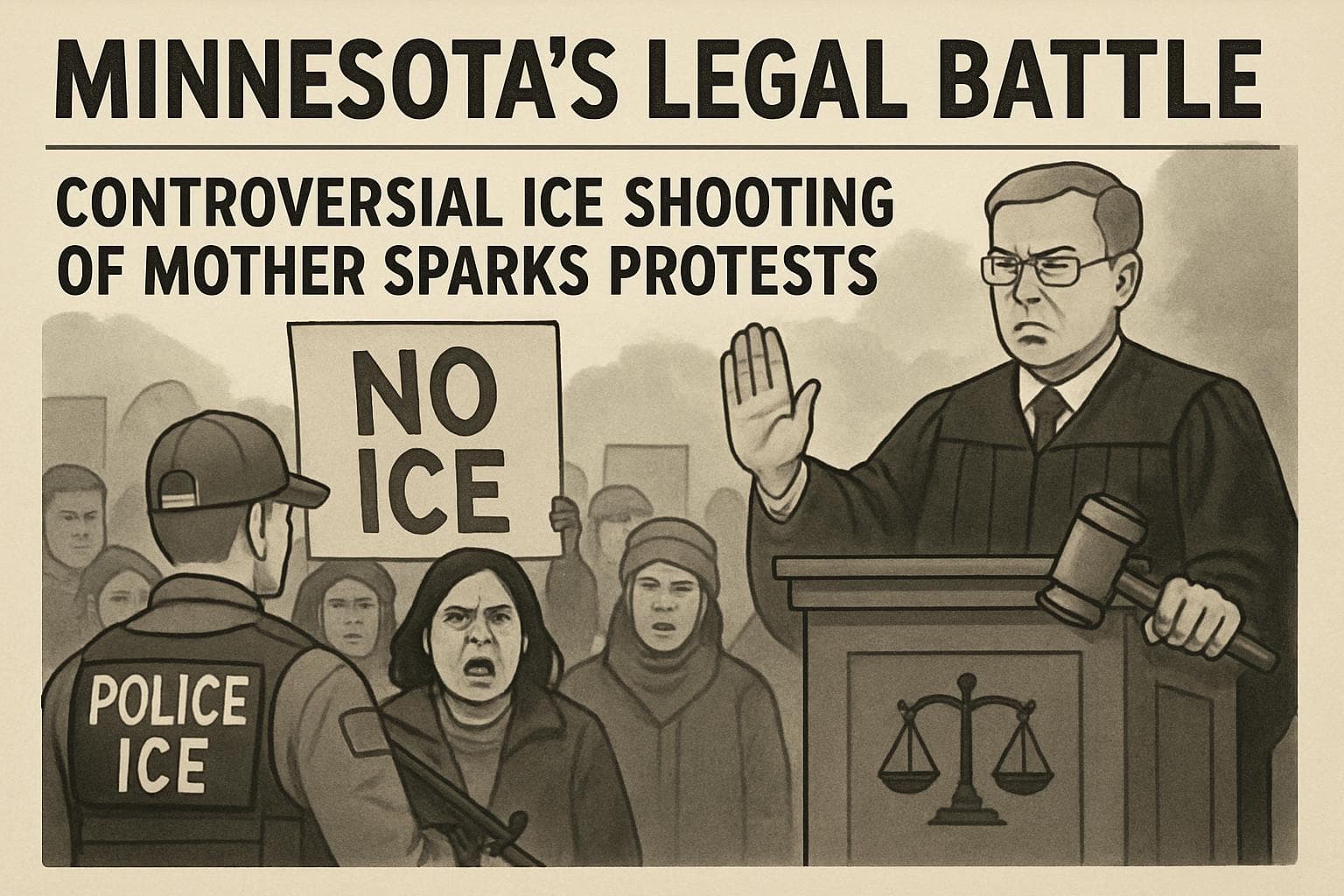
The state of Minnesota has taken legal action against the Trump administration, seeking to block the influx of federal immigration agents following the controversial shooting of Renee Good by an ICE agent. The lawsuit, spearheaded by Minnesota Attorney General Keith Ellison, argues that the deployment constitutes an unconstitutional federal invasion, disrupting the state's sovereignty and public safety.
Controversial Shooting Sparks Protests
The incident involving Renee Good, a 37-year-old mother of three, has ignited protests across Minneapolis and beyond. Videos of the shooting show ICE agent Jonathan Ross firing at Good as she attempted to drive away, with federal officials labeling her a "domestic terrorist." However, local authorities dispute this characterization, asserting that Good posed no threat as she was turning away from the agents.
Legal and Political Ramifications
The lawsuit filed by Minnesota contends that the surge of federal agents violates the Administrative Procedures Act by engaging in arbitrary and capricious actions. Ellison highlighted the detrimental impact on local communities, citing increased 911 calls and the strain on local law enforcement. The state seeks a temporary restraining order to halt further deployments under the Department of Homeland Security's Operation Metro Surge.
Conflicting Narratives and Legal Challenges
The shooting has underscored the tension between federal and local authorities, with both sides presenting conflicting interpretations of the incident. Former law enforcement officials caution against premature conclusions, emphasizing the need for a thorough investigation. Meanwhile, the Trump administration defends the deployment as necessary for combating illegal immigration and ensuring agent safety.
WHAT THIS MIGHT MEAN
The legal battle between Minnesota and the Trump administration could set a precedent for other states challenging federal immigration enforcement practices. If successful, the lawsuit may curtail the deployment of federal agents and influence future policy decisions. Conversely, a ruling in favor of the federal government could embolden similar operations in other states. As the case unfolds, the broader implications for state sovereignty and federal authority will likely be scrutinized by legal experts and policymakers alike.
Related Articles

Trump Administration Ends Controversial Immigration Enforcement Surge in Minnesota
Don Lemon Pleads Not Guilty in Minnesota Church Protest Case
US Immigration Policy Under Scrutiny Amid Rising Tensions and Calls for Transparency

DHS Spokesperson Tricia McLaughlin to Depart Amidst Immigration Policy Controversy
ICE Agents Under Investigation for Alleged False Testimony in Minneapolis Shooting
Senate Stalemate Over DHS Funding Amid Immigration Reform Dispute
Minnesota Challenges Federal ICE Surge Amid Controversial Shooting
In This Article
 Ethan Brooks| Published
 HIGHLIGHTS
- Minnesota has filed a lawsuit against the Trump administration to halt the deployment of federal immigration agents, citing constitutional violations.
- The shooting of Renee Good by an ICE agent has sparked nationwide protests and intensified scrutiny of federal law enforcement practices.
- Videos of the incident present conflicting narratives, with federal officials claiming Good was a threat and local officials disputing this.
- Minnesota's Attorney General Keith Ellison argues the federal presence disrupts state sovereignty and public safety.
- The lawsuit seeks a temporary restraining order to prevent further deployment of agents under Operation Metro Surge.
The state of Minnesota has taken legal action against the Trump administration, seeking to block the influx of federal immigration agents following the controversial shooting of Renee Good by an ICE agent. The lawsuit, spearheaded by Minnesota Attorney General Keith Ellison, argues that the deployment constitutes an unconstitutional federal invasion, disrupting the state's sovereignty and public safety.
Controversial Shooting Sparks Protests
The incident involving Renee Good, a 37-year-old mother of three, has ignited protests across Minneapolis and beyond. Videos of the shooting show ICE agent Jonathan Ross firing at Good as she attempted to drive away, with federal officials labeling her a "domestic terrorist." However, local authorities dispute this characterization, asserting that Good posed no threat as she was turning away from the agents.
Legal and Political Ramifications
The lawsuit filed by Minnesota contends that the surge of federal agents violates the Administrative Procedures Act by engaging in arbitrary and capricious actions. Ellison highlighted the detrimental impact on local communities, citing increased 911 calls and the strain on local law enforcement. The state seeks a temporary restraining order to halt further deployments under the Department of Homeland Security's Operation Metro Surge.
Conflicting Narratives and Legal Challenges
The shooting has underscored the tension between federal and local authorities, with both sides presenting conflicting interpretations of the incident. Former law enforcement officials caution against premature conclusions, emphasizing the need for a thorough investigation. Meanwhile, the Trump administration defends the deployment as necessary for combating illegal immigration and ensuring agent safety.
WHAT THIS MIGHT MEAN
The legal battle between Minnesota and the Trump administration could set a precedent for other states challenging federal immigration enforcement practices. If successful, the lawsuit may curtail the deployment of federal agents and influence future policy decisions. Conversely, a ruling in favor of the federal government could embolden similar operations in other states. As the case unfolds, the broader implications for state sovereignty and federal authority will likely be scrutinized by legal experts and policymakers alike.
Related Articles
Trump Administration Ends Controversial Immigration Enforcement Surge in Minnesota
Don Lemon Pleads Not Guilty in Minnesota Church Protest Case
US Immigration Policy Under Scrutiny Amid Rising Tensions and Calls for Transparency
DHS Spokesperson Tricia McLaughlin to Depart Amidst Immigration Policy Controversy
ICE Agents Under Investigation for Alleged False Testimony in Minneapolis Shooting
Senate Stalemate Over DHS Funding Amid Immigration Reform Dispute