
MPs Push for Higher Gambling Taxes Amid Industry Concerns
In This Article
HIGHLIGHTS
- MPs urge Chancellor Rachel Reeves to raise taxes on the UK's £11bn gambling sector, focusing on its most harmful products.
- The Treasury committee report criticizes the gambling industry's "scaremongering" and highlights the social ills linked to online betting.
- The Betting and Gaming Council argues that increased taxes could lead to job losses and closures of betting shops.
- The committee suggests higher taxes on addictive products like online casino games and slot machines, which are rapidly growing.
- Nearly a quarter of Labour MPs support using increased gambling taxes to lift benefit restrictions on families with more than two children.
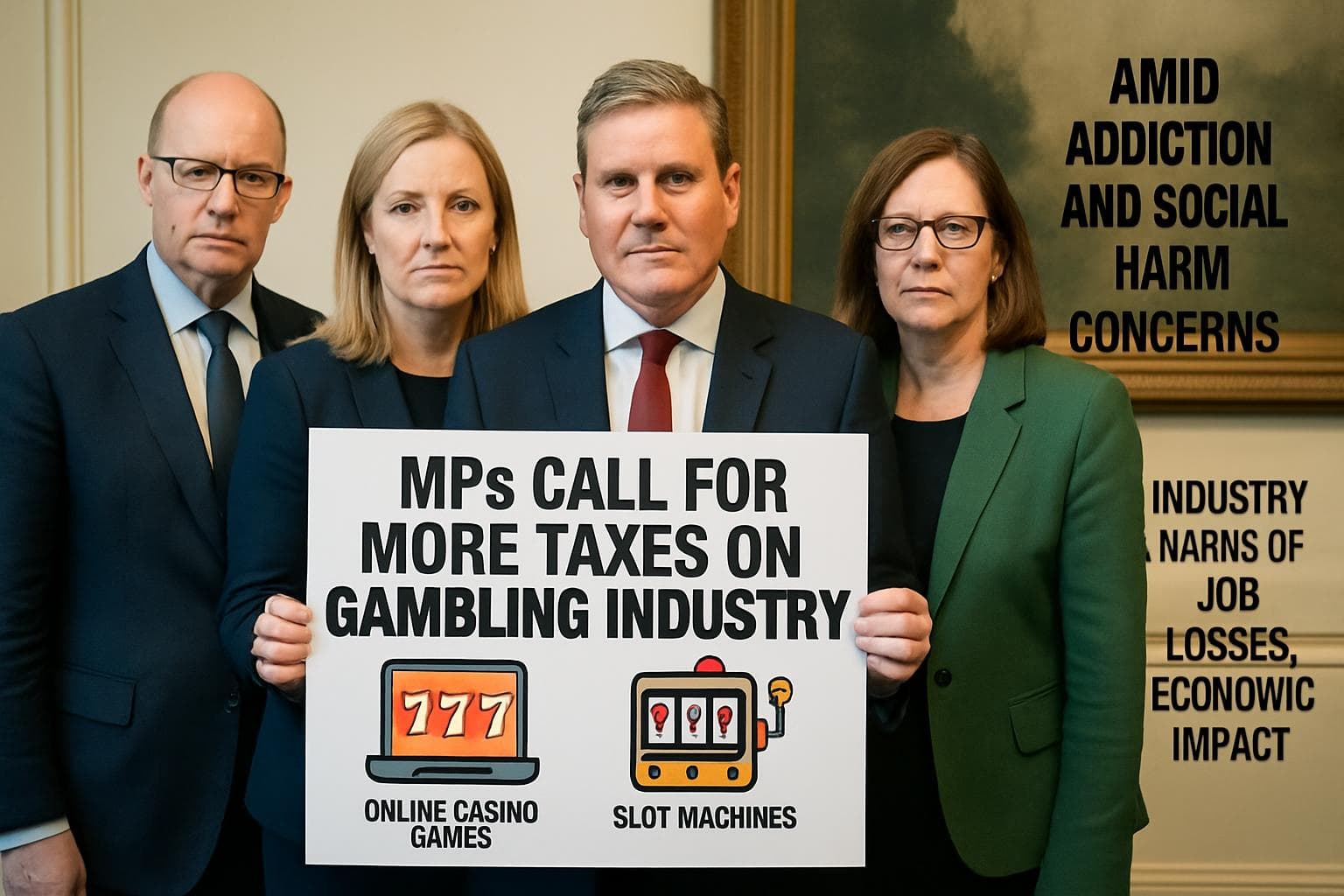
In a bold move, a committee of MPs has called on Chancellor Rachel Reeves to increase taxes on the UK's £11bn gambling industry, despite warnings from betting firms about potential job losses and shop closures. The Treasury select committee's report, released ahead of Reeves's upcoming budget, emphasizes the need to tax the most harmful gambling products, such as online casino games and slot machines, which have been linked to addictive behaviors.
Industry's Response and Economic Impact
The Betting and Gaming Council (BGC), representing the industry, has voiced strong opposition to the proposed tax hikes. Grainne Hurst, BGC's chief executive, highlighted the sector's significant economic contributions, including £6.8 billion to the economy and £4 billion in taxes, while supporting 109,000 jobs. Hurst cited NHS research indicating that only 0.4% of adults are problem gamblers, arguing that increased taxes could jeopardize the industry's viability.
Social Concerns and Legislative Support
The committee's report rejects the industry's claims that gambling does not cause social harm, pointing to evidence of addiction and its impact on families and communities. Chair Dame Meg Hillier criticized the industry's tactics, stating that gambling firms often hide harmful products behind traditional activities like horse racing. The report has garnered support from nearly a quarter of Labour MPs, who advocate using the additional tax revenue to address benefit restrictions affecting larger families.
Potential Changes in Tax Policy
Currently, the gambling industry faces various tax rates, including a 21% duty on online casino gaming and a 20% duty on slot machines. The committee recommends increasing these rates to reflect the risks associated with different gambling products. While the Treasury has considered harmonizing these duties, the committee, along with think tanks SMF and IPPR, advises against this approach.
WHAT THIS MIGHT MEAN
The push for higher gambling taxes could lead to significant changes in the UK's gambling landscape. If the Chancellor adopts the committee's recommendations, the industry may face increased financial pressure, potentially resulting in job losses and shop closures. However, the additional tax revenue could provide much-needed funds for social programs, such as lifting benefit restrictions on larger families. As the debate continues, the government must balance economic interests with social responsibility, ensuring that gambling regulations protect vulnerable individuals while supporting the industry's contributions to the economy.
Related Articles
UK Government to Reform Asylum Seeker Support and Employment Policies
Middle East Conflict Drives UK Energy Prices to New Highs
Persistent Safety Concerns in Nottingham Maternity Services Amidst Calls for Systemic Reform
Canada and Australia Forge Strategic Partnership Amid Global Uncertainty

UK Faces Dilemmas Amid Iran Conflict and China Spying Allegations

UK Reinforces Military Presence in Cyprus Amid Middle East Tensions
MPs Push for Higher Gambling Taxes Amid Industry Concerns
In This Article
 Marcus Blake| Published
 HIGHLIGHTS
- MPs urge Chancellor Rachel Reeves to raise taxes on the UK's £11bn gambling sector, focusing on its most harmful products.
- The Treasury committee report criticizes the gambling industry's "scaremongering" and highlights the social ills linked to online betting.
- The Betting and Gaming Council argues that increased taxes could lead to job losses and closures of betting shops.
- The committee suggests higher taxes on addictive products like online casino games and slot machines, which are rapidly growing.
- Nearly a quarter of Labour MPs support using increased gambling taxes to lift benefit restrictions on families with more than two children.
In a bold move, a committee of MPs has called on Chancellor Rachel Reeves to increase taxes on the UK's £11bn gambling industry, despite warnings from betting firms about potential job losses and shop closures. The Treasury select committee's report, released ahead of Reeves's upcoming budget, emphasizes the need to tax the most harmful gambling products, such as online casino games and slot machines, which have been linked to addictive behaviors.
Industry's Response and Economic Impact
The Betting and Gaming Council (BGC), representing the industry, has voiced strong opposition to the proposed tax hikes. Grainne Hurst, BGC's chief executive, highlighted the sector's significant economic contributions, including £6.8 billion to the economy and £4 billion in taxes, while supporting 109,000 jobs. Hurst cited NHS research indicating that only 0.4% of adults are problem gamblers, arguing that increased taxes could jeopardize the industry's viability.
Social Concerns and Legislative Support
The committee's report rejects the industry's claims that gambling does not cause social harm, pointing to evidence of addiction and its impact on families and communities. Chair Dame Meg Hillier criticized the industry's tactics, stating that gambling firms often hide harmful products behind traditional activities like horse racing. The report has garnered support from nearly a quarter of Labour MPs, who advocate using the additional tax revenue to address benefit restrictions affecting larger families.
Potential Changes in Tax Policy
Currently, the gambling industry faces various tax rates, including a 21% duty on online casino gaming and a 20% duty on slot machines. The committee recommends increasing these rates to reflect the risks associated with different gambling products. While the Treasury has considered harmonizing these duties, the committee, along with think tanks SMF and IPPR, advises against this approach.
WHAT THIS MIGHT MEAN
The push for higher gambling taxes could lead to significant changes in the UK's gambling landscape. If the Chancellor adopts the committee's recommendations, the industry may face increased financial pressure, potentially resulting in job losses and shop closures. However, the additional tax revenue could provide much-needed funds for social programs, such as lifting benefit restrictions on larger families. As the debate continues, the government must balance economic interests with social responsibility, ensuring that gambling regulations protect vulnerable individuals while supporting the industry's contributions to the economy.
Related Articles
UK Government to Reform Asylum Seeker Support and Employment Policies
Middle East Conflict Drives UK Energy Prices to New Highs
Persistent Safety Concerns in Nottingham Maternity Services Amidst Calls for Systemic Reform
Canada and Australia Forge Strategic Partnership Amid Global Uncertainty
UK Faces Dilemmas Amid Iran Conflict and China Spying Allegations
UK Reinforces Military Presence in Cyprus Amid Middle East Tensions