
Najib Razak Sentenced to 15 More Years in Expanding 1MDB Scandal
In This Article
HIGHLIGHTS
- Former Malaysian Prime Minister Najib Razak received a 15-year jail sentence for his role in the 1MDB scandal, adding to his existing prison term.
- Najib was found guilty of four counts of abuse of power and 21 counts of money laundering, involving nearly 2.3 billion ringgit ($569 million).
- The 1MDB scandal, one of the world's largest financial frauds, saw at least $4.5 billion siphoned from the state fund, impacting Malaysia's global image.
- Najib's defense claimed he was misled by financier Jho Low, but the court dismissed these arguments, citing strong evidence of his involvement.
- The verdict has intensified political tensions within Malaysia's ruling coalition, which includes Najib's party, the United Malays National Organisation (UMNO).
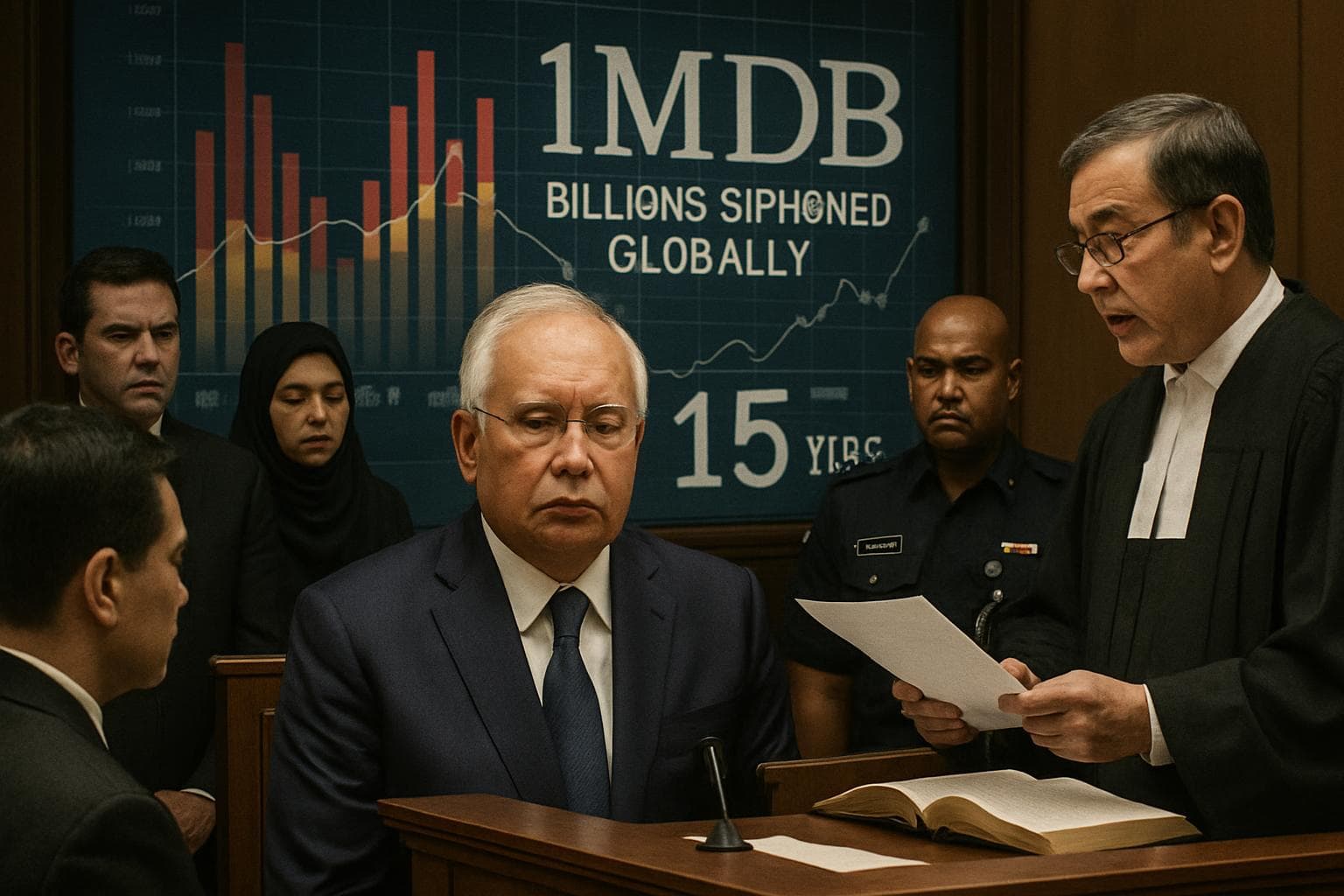
Former Malaysian Prime Minister Najib Razak has been sentenced to an additional 15 years in prison following his conviction for abuse of power and money laundering in the ongoing 1MDB scandal. This latest verdict, delivered in Malaysia's administrative capital, Putrajaya, marks a significant development in a case that has reverberated globally, involving billions of dollars misappropriated from the sovereign wealth fund 1Malaysia Development Berhad (1MDB).
A Landmark Conviction
Najib, aged 72, was found guilty on four counts of abuse of power and 21 counts of money laundering, with the court ruling that he illegally received approximately 2.3 billion ringgit ($569 million) from 1MDB. This conviction adds to the six-year sentence he is already serving for a separate case linked to the same scandal. Judge Collin Lawrence Sequerah, who presided over the trial, emphasized the "cold, hard and incontrovertible evidence" against Najib, dismissing his claims of being a victim of a political witch-hunt.
Global Implications and Political Repercussions
The 1MDB scandal, which emerged over a decade ago, has implicated high-profile figures worldwide, from Hollywood to Wall Street. Investigators estimate that at least $4.5 billion was siphoned from the fund, with more than $1 billion allegedly funneled into accounts linked to Najib. The scandal has not only tarnished Malaysia's international reputation but also led to a historic political shift in 2018, when Najib's party, the United Malays National Organisation (UMNO), suffered a significant electoral defeat.
Defense and Denial
Throughout the trial, Najib maintained his innocence, arguing that he was misled by his advisers, particularly the fugitive financier Jho Low. Low, who remains at large, has denied any wrongdoing. However, the court found these defenses unconvincing, reinforcing Najib's culpability in the embezzlement of funds. Najib's wife, Rosmah Mansor, also faces legal challenges, having been sentenced to ten years for bribery, though she remains free on bail pending appeal.
Political Tensions and Future Prospects
The recent verdict has further strained the ruling coalition led by Prime Minister Anwar Ibrahim, which includes UMNO. Najib's enduring influence within the party poses challenges for the coalition's stability. As Malaysia grapples with the fallout from the 1MDB scandal, the political landscape remains volatile, with potential implications for future governance and reform efforts.
WHAT THIS MIGHT MEAN
The sentencing of Najib Razak could lead to increased scrutiny of Malaysia's political and financial systems, potentially prompting reforms aimed at preventing similar scandals. The ruling may also exacerbate tensions within the governing coalition, as factions vie for influence in the wake of Najib's conviction. Internationally, the case underscores the importance of cross-border cooperation in tackling financial crimes, with ongoing investigations likely to yield further revelations. As Malaysia navigates these challenges, the country's commitment to transparency and accountability will be crucial in restoring public trust and international credibility.
Related Articles
India Considers Social Media Ban for Under-16s Amid Global Trend
California Launches Investigation into Elon Musk's Grok AI Over Deepfake Controversy

Global Backlash Forces X to Restrict Grok AI Amid Deepfake Controversy
UK Investigates Elon Musk's X Over Grok AI Deepfake Concerns
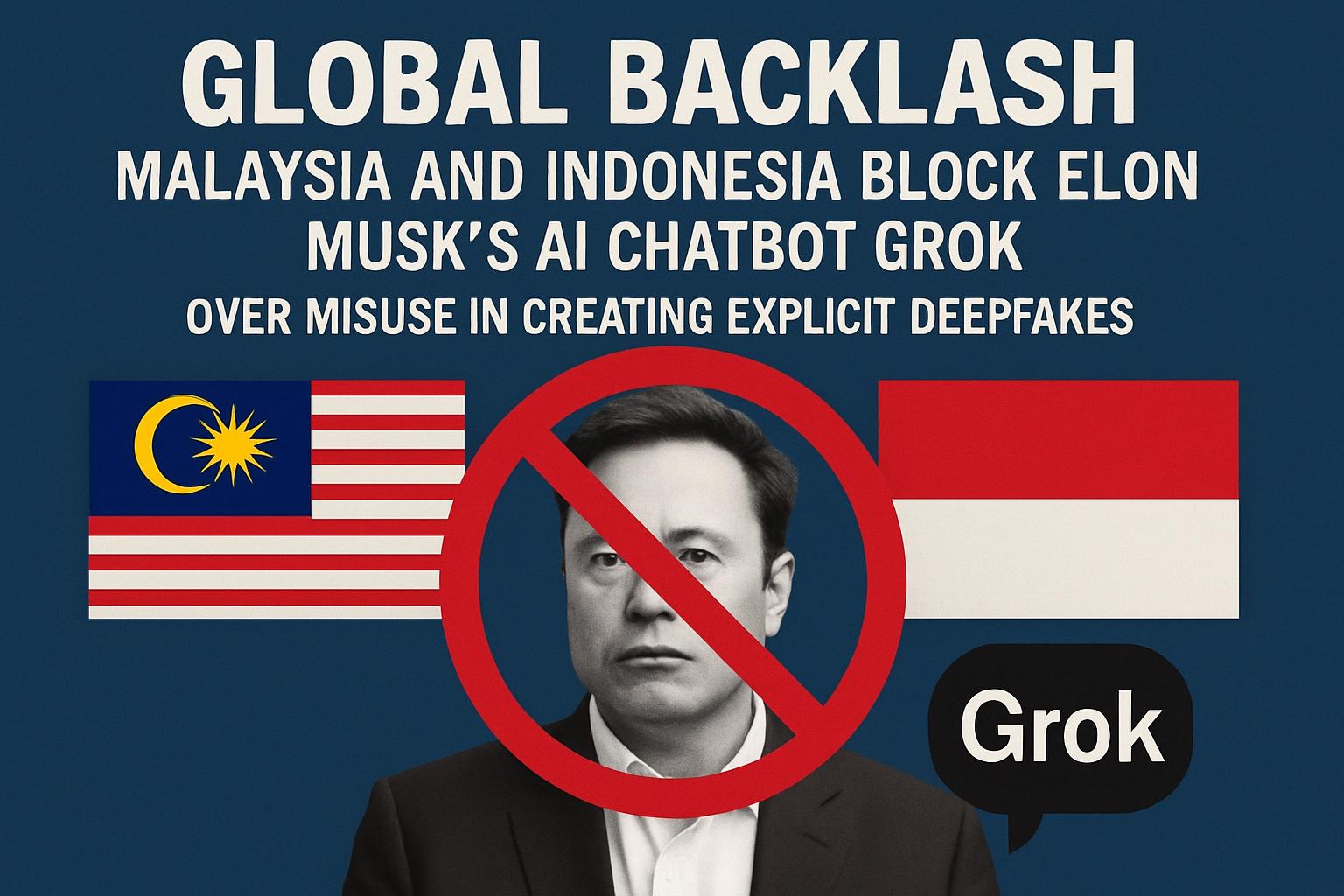
Global Backlash Against Elon Musk's Grok AI Over Deepfake Concerns

Global Scrutiny Intensifies Over Grok AI's Role in Creating Sexualized Images
Najib Razak Sentenced to 15 More Years in Expanding 1MDB Scandal
In This Article
 Sofia Romano| Published
 HIGHLIGHTS
- Former Malaysian Prime Minister Najib Razak received a 15-year jail sentence for his role in the 1MDB scandal, adding to his existing prison term.
- Najib was found guilty of four counts of abuse of power and 21 counts of money laundering, involving nearly 2.3 billion ringgit ($569 million).
- The 1MDB scandal, one of the world's largest financial frauds, saw at least $4.5 billion siphoned from the state fund, impacting Malaysia's global image.
- Najib's defense claimed he was misled by financier Jho Low, but the court dismissed these arguments, citing strong evidence of his involvement.
- The verdict has intensified political tensions within Malaysia's ruling coalition, which includes Najib's party, the United Malays National Organisation (UMNO).
Former Malaysian Prime Minister Najib Razak has been sentenced to an additional 15 years in prison following his conviction for abuse of power and money laundering in the ongoing 1MDB scandal. This latest verdict, delivered in Malaysia's administrative capital, Putrajaya, marks a significant development in a case that has reverberated globally, involving billions of dollars misappropriated from the sovereign wealth fund 1Malaysia Development Berhad (1MDB).
A Landmark Conviction
Najib, aged 72, was found guilty on four counts of abuse of power and 21 counts of money laundering, with the court ruling that he illegally received approximately 2.3 billion ringgit ($569 million) from 1MDB. This conviction adds to the six-year sentence he is already serving for a separate case linked to the same scandal. Judge Collin Lawrence Sequerah, who presided over the trial, emphasized the "cold, hard and incontrovertible evidence" against Najib, dismissing his claims of being a victim of a political witch-hunt.
Global Implications and Political Repercussions
The 1MDB scandal, which emerged over a decade ago, has implicated high-profile figures worldwide, from Hollywood to Wall Street. Investigators estimate that at least $4.5 billion was siphoned from the fund, with more than $1 billion allegedly funneled into accounts linked to Najib. The scandal has not only tarnished Malaysia's international reputation but also led to a historic political shift in 2018, when Najib's party, the United Malays National Organisation (UMNO), suffered a significant electoral defeat.
Defense and Denial
Throughout the trial, Najib maintained his innocence, arguing that he was misled by his advisers, particularly the fugitive financier Jho Low. Low, who remains at large, has denied any wrongdoing. However, the court found these defenses unconvincing, reinforcing Najib's culpability in the embezzlement of funds. Najib's wife, Rosmah Mansor, also faces legal challenges, having been sentenced to ten years for bribery, though she remains free on bail pending appeal.
Political Tensions and Future Prospects
The recent verdict has further strained the ruling coalition led by Prime Minister Anwar Ibrahim, which includes UMNO. Najib's enduring influence within the party poses challenges for the coalition's stability. As Malaysia grapples with the fallout from the 1MDB scandal, the political landscape remains volatile, with potential implications for future governance and reform efforts.
WHAT THIS MIGHT MEAN
The sentencing of Najib Razak could lead to increased scrutiny of Malaysia's political and financial systems, potentially prompting reforms aimed at preventing similar scandals. The ruling may also exacerbate tensions within the governing coalition, as factions vie for influence in the wake of Najib's conviction. Internationally, the case underscores the importance of cross-border cooperation in tackling financial crimes, with ongoing investigations likely to yield further revelations. As Malaysia navigates these challenges, the country's commitment to transparency and accountability will be crucial in restoring public trust and international credibility.
Related Articles
India Considers Social Media Ban for Under-16s Amid Global Trend
California Launches Investigation into Elon Musk's Grok AI Over Deepfake Controversy
Global Backlash Forces X to Restrict Grok AI Amid Deepfake Controversy
UK Investigates Elon Musk's X Over Grok AI Deepfake Concerns
Global Backlash Against Elon Musk's Grok AI Over Deepfake Concerns
Global Scrutiny Intensifies Over Grok AI's Role in Creating Sexualized Images