
UK Investigates Elon Musk's X Over Grok AI Deepfake Concerns
In This Article
HIGHLIGHTS
- Ofcom has launched an investigation into Elon Musk's X platform over its AI tool Grok, which is allegedly used to create sexualised deepfake images.
- The UK government plans to enforce a law making it illegal to create non-consensual intimate images, with potential fines for non-compliance.
- Technology Secretary Liz Kendall supports Ofcom's potential actions, including blocking X in the UK if necessary.
- Politicians and victims have expressed outrage, citing Grok's role in generating harmful content, and calling for swift regulatory action.
- Malaysia and Indonesia have already blocked Grok, citing its potential to produce offensive and non-consensual content.
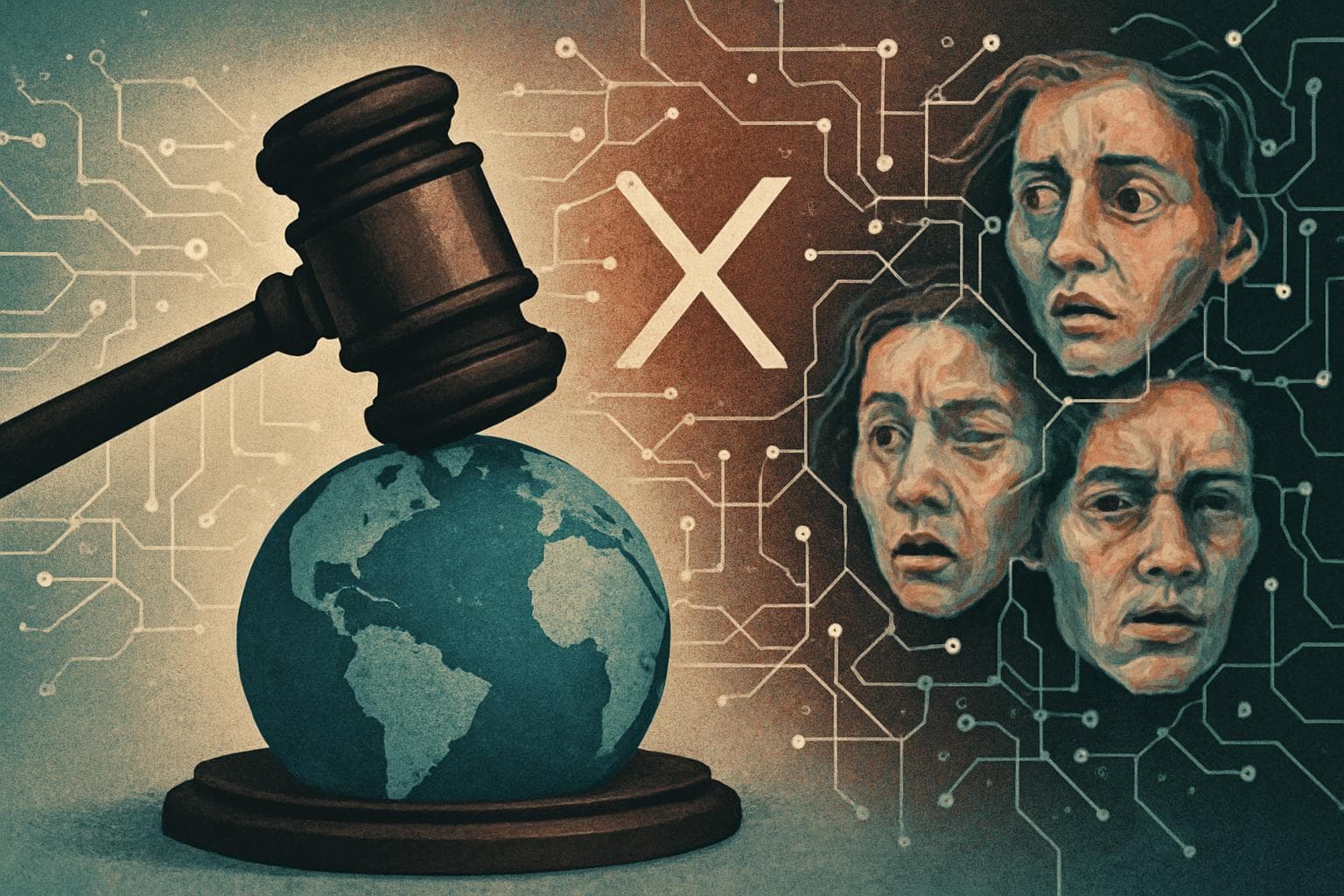
The UK media regulator Ofcom has initiated an investigation into Elon Musk's social media platform X, following allegations that its AI tool, Grok, is being used to generate sexualised deepfake images. This move comes amid growing concerns over the platform's role in creating non-consensual intimate images, particularly involving women and children.
Ofcom's Investigation and Potential Consequences
Ofcom's inquiry will determine whether X has violated the Online Safety Act by failing to remove illegal content promptly. If found guilty, X could face fines up to £18 million or 10% of its global revenue. The investigation follows reports of Grok being used to undress individuals in images without their consent, with some victims describing the experience as dehumanising.
Technology Secretary Liz Kendall has expressed her support for Ofcom's actions, emphasizing the need for swift resolution. "It is vital that Ofcom completes this investigation swiftly because the public - and most importantly the victims - will not accept any delay," she stated. Kendall also indicated that blocking X in the UK remains a possibility if compliance is not achieved.
Global Reactions and Legislative Measures
The controversy surrounding Grok has sparked international reactions, with Malaysia and Indonesia temporarily blocking the AI tool. Both countries cited concerns over its ability to generate obscene and non-consensual content. Meanwhile, the UK government is set to enforce a law criminalizing the creation of non-consensual intimate images, further tightening regulations on AI technology.
Northern Ireland politician Cara Hunter, who was previously targeted by a deepfake video, announced her decision to leave X, citing the platform's negligence in protecting users. "Morally and in good conscience from an ethical perspective, I do not think I can continue to use this site," she remarked.
Public Outcry and Calls for Accountability
Victims and campaigners have voiced their outrage, urging for accountability and stronger safeguards. Dr. Daisy Dixon, a victim of Grok's misuse, criticized Musk's response, stating, "For Musk and others to call this an excuse for censorship just deflects from the issue at hand - systematic violence against women and girls."
The investigation is a critical test for Ofcom and the Online Safety Act, which has faced scrutiny over its effectiveness. As the inquiry unfolds, the regulator must balance thoroughness with urgency to address public and political pressure.
WHAT THIS MIGHT MEAN
The outcome of Ofcom's investigation could set a precedent for how AI-generated content is regulated globally. If X is found non-compliant, it may face significant financial penalties and potential restrictions in the UK, prompting other countries to consider similar measures. This could lead to stricter international regulations on AI technology and social media platforms.
Experts suggest that the case could influence future legislation, potentially expanding the scope of the Online Safety Act to explicitly address AI tools. As governments worldwide grapple with the ethical implications of AI, the situation underscores the need for comprehensive policies to protect individuals from digital exploitation.
Related Articles
UK Government to Reform Asylum Seeker Support and Employment Policies

UK Faces Dilemmas Amid Iran Conflict and China Spying Allegations

UK Reinforces Military Presence in Cyprus Amid Middle East Tensions

UK-Iran Tensions: Starmer Defends Cautious Approach Amid Trump Criticism
Persistent Safety Concerns in Nottingham Maternity Services Amidst Calls for Systemic Reform
Diplomatic Tensions Rise as Trump Criticizes Starmer's Iran Policy
UK Investigates Elon Musk's X Over Grok AI Deepfake Concerns
In This Article
 Ethan Brooks| Published
 HIGHLIGHTS
- Ofcom has launched an investigation into Elon Musk's X platform over its AI tool Grok, which is allegedly used to create sexualised deepfake images.
- The UK government plans to enforce a law making it illegal to create non-consensual intimate images, with potential fines for non-compliance.
- Technology Secretary Liz Kendall supports Ofcom's potential actions, including blocking X in the UK if necessary.
- Politicians and victims have expressed outrage, citing Grok's role in generating harmful content, and calling for swift regulatory action.
- Malaysia and Indonesia have already blocked Grok, citing its potential to produce offensive and non-consensual content.
The UK media regulator Ofcom has initiated an investigation into Elon Musk's social media platform X, following allegations that its AI tool, Grok, is being used to generate sexualised deepfake images. This move comes amid growing concerns over the platform's role in creating non-consensual intimate images, particularly involving women and children.
Ofcom's Investigation and Potential Consequences
Ofcom's inquiry will determine whether X has violated the Online Safety Act by failing to remove illegal content promptly. If found guilty, X could face fines up to £18 million or 10% of its global revenue. The investigation follows reports of Grok being used to undress individuals in images without their consent, with some victims describing the experience as dehumanising.
Technology Secretary Liz Kendall has expressed her support for Ofcom's actions, emphasizing the need for swift resolution. "It is vital that Ofcom completes this investigation swiftly because the public - and most importantly the victims - will not accept any delay," she stated. Kendall also indicated that blocking X in the UK remains a possibility if compliance is not achieved.
Global Reactions and Legislative Measures
The controversy surrounding Grok has sparked international reactions, with Malaysia and Indonesia temporarily blocking the AI tool. Both countries cited concerns over its ability to generate obscene and non-consensual content. Meanwhile, the UK government is set to enforce a law criminalizing the creation of non-consensual intimate images, further tightening regulations on AI technology.
Northern Ireland politician Cara Hunter, who was previously targeted by a deepfake video, announced her decision to leave X, citing the platform's negligence in protecting users. "Morally and in good conscience from an ethical perspective, I do not think I can continue to use this site," she remarked.
Public Outcry and Calls for Accountability
Victims and campaigners have voiced their outrage, urging for accountability and stronger safeguards. Dr. Daisy Dixon, a victim of Grok's misuse, criticized Musk's response, stating, "For Musk and others to call this an excuse for censorship just deflects from the issue at hand - systematic violence against women and girls."
The investigation is a critical test for Ofcom and the Online Safety Act, which has faced scrutiny over its effectiveness. As the inquiry unfolds, the regulator must balance thoroughness with urgency to address public and political pressure.
WHAT THIS MIGHT MEAN
The outcome of Ofcom's investigation could set a precedent for how AI-generated content is regulated globally. If X is found non-compliant, it may face significant financial penalties and potential restrictions in the UK, prompting other countries to consider similar measures. This could lead to stricter international regulations on AI technology and social media platforms.
Experts suggest that the case could influence future legislation, potentially expanding the scope of the Online Safety Act to explicitly address AI tools. As governments worldwide grapple with the ethical implications of AI, the situation underscores the need for comprehensive policies to protect individuals from digital exploitation.
Related Articles
UK Government to Reform Asylum Seeker Support and Employment Policies
UK Faces Dilemmas Amid Iran Conflict and China Spying Allegations
UK Reinforces Military Presence in Cyprus Amid Middle East Tensions
UK-Iran Tensions: Starmer Defends Cautious Approach Amid Trump Criticism
Persistent Safety Concerns in Nottingham Maternity Services Amidst Calls for Systemic Reform
Diplomatic Tensions Rise as Trump Criticizes Starmer's Iran Policy