
National Trust's Ambitious Plan to Preserve Cerne Abbas Giant's Surroundings
In This Article
HIGHLIGHTS
- The National Trust has launched a £330,000 fundraising appeal to purchase 138 hectares around the Cerne Abbas Giant in Dorset.
- The land acquisition aims to protect the biodiversity and archaeological significance of the area, including rare species like the Duke of Burgundy butterfly.
- The purchase will facilitate further archaeological research and improve public access to the site, enhancing opportunities for exploration and education.
- Notable supporters of the campaign include Sir Stephen Fry and Sean Fletcher, who emphasize the ecological and cultural importance of the project.
- The National Trust has already secured over £2 million for the purchase, with plans to complete the fundraising by January 2026.
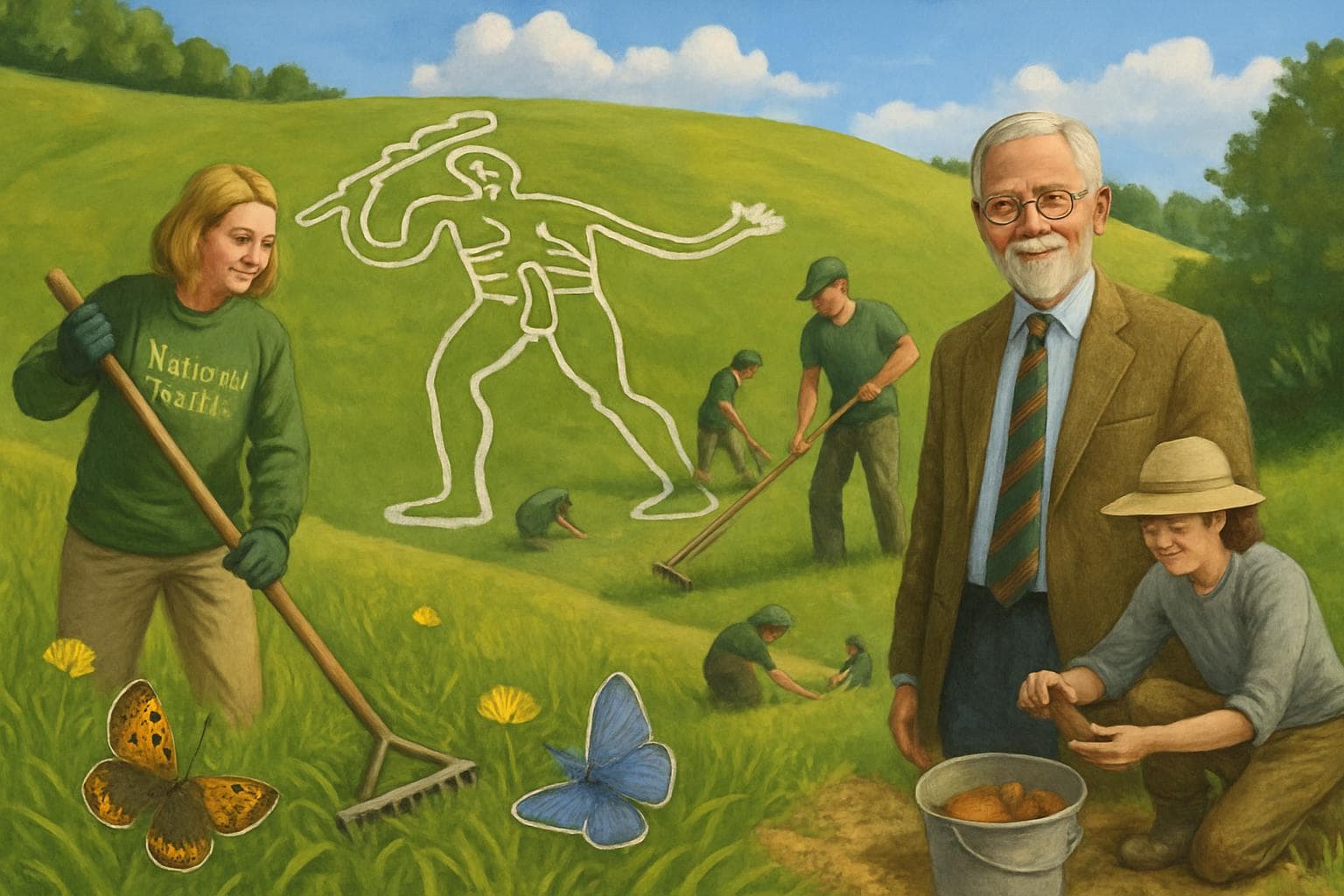
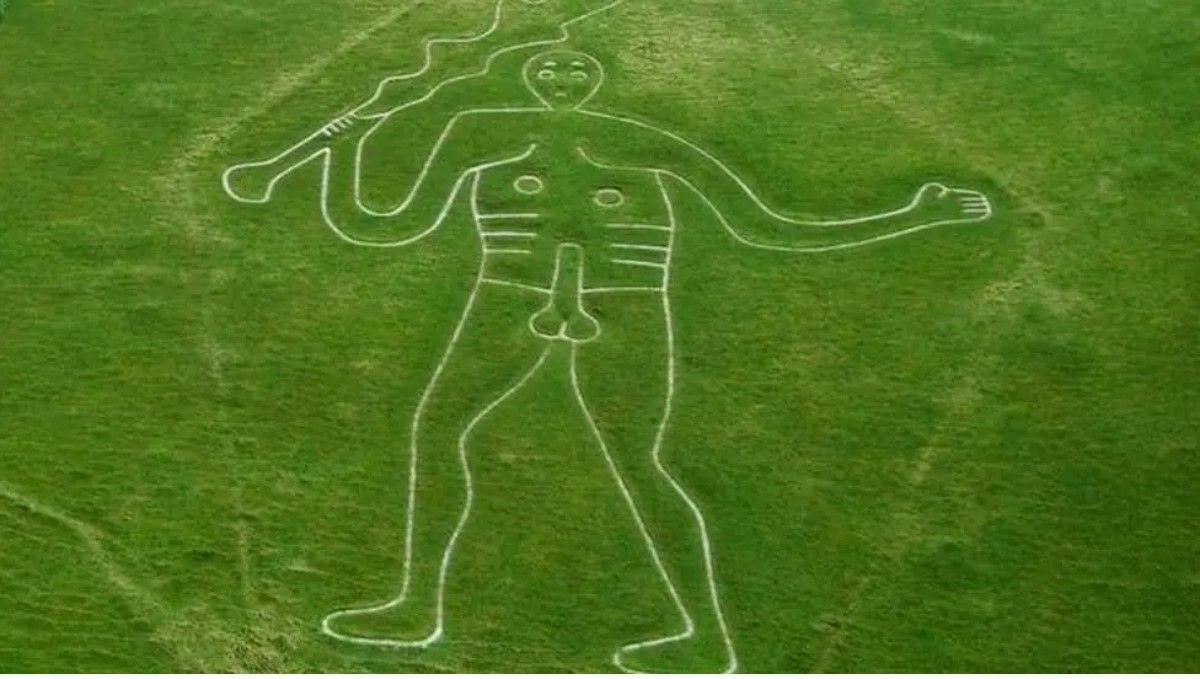
The National Trust has embarked on a significant fundraising campaign to secure the future of the land surrounding the iconic Cerne Abbas Giant in Dorset. The charity aims to raise £330,000 to purchase 138 hectares (341 acres) of land, known as the giant's lair, which encompasses the ancient chalk figure and the ecologically rich Giant Hill.
Preserving a Cultural and Ecological Treasure
The Cerne Abbas Giant, a 180-foot tall chalk figure etched into the hillside, has long been a source of intrigue and mystery. The National Trust's initiative seeks to protect this cultural landmark and its surrounding environment, which is home to 36 butterfly species, including the rare Duke of Burgundy. The land acquisition will enable the restoration of chalk grasslands, the creation of new woodland, and the development of habitats for threatened species.
Support from Prominent Figures
The campaign has garnered support from notable personalities such as actor and writer Sir Stephen Fry and TV presenter Sean Fletcher. Sir Stephen Fry highlighted the project's significance, stating, "This is a very rare opportunity to protect a huge swathe of beautiful and biodiverse countryside surrounding the Cerne Abbas Giant."
Enhancing Archaeological and Public Engagement
Beyond ecological benefits, the purchase will open avenues for archaeological research, potentially unraveling the mysteries of the giant's origins. Steve Timms, an archaeologist, emphasized the opportunity for landscape-scale investigations that could shed light on historical settlement and ritual activities. Additionally, the acquisition promises improved public access, offering new opportunities for exploration and educational engagement with the site.
A Community Effort
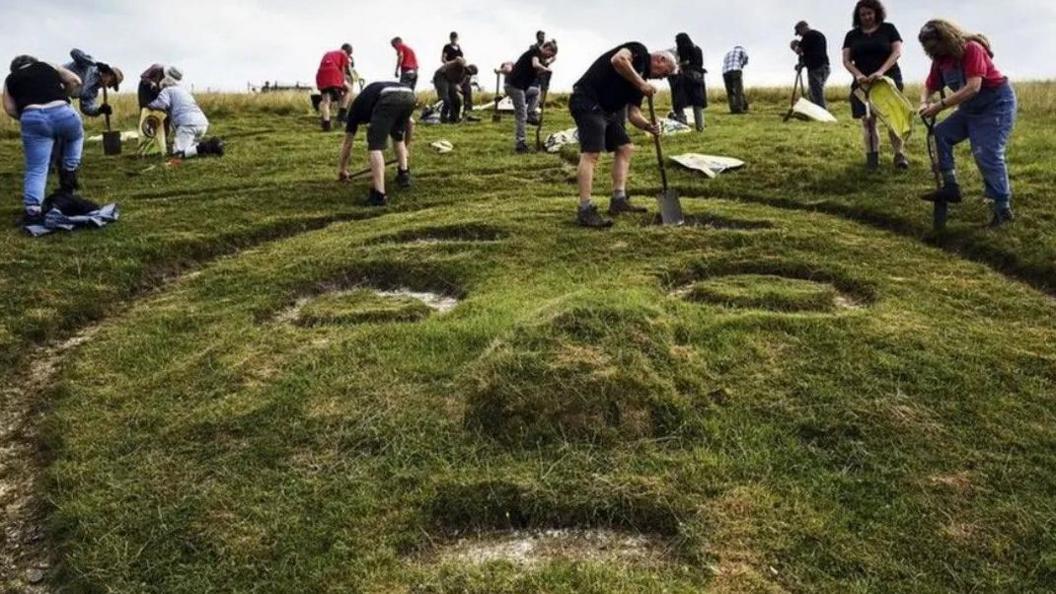
The National Trust has already secured over £2 million through its funds, grants, and bequests, with the goal of completing the fundraising by January 2026. The public is encouraged to contribute, with incentives such as participating in the rechalking of the giant or receiving a "cheeky giant" pin badge.
WHAT THIS MIGHT MEAN
If successful, the National Trust's acquisition of the land surrounding the Cerne Abbas Giant could set a precedent for similar conservation efforts across the UK. The project not only aims to preserve biodiversity but also to enhance public engagement with historical sites. Future archaeological discoveries could provide new insights into the region's history, potentially attracting more visitors and boosting local tourism. However, the success of this initiative hinges on the continued support of the public and stakeholders, underscoring the importance of community involvement in conservation efforts.
Images from the Web
Related Articles
UK Government Eases Deer Culling to Protect Woodlands and Farmland

Canada and Australia Forge Strategic Partnership Amid Global Uncertainty

UK Government to Reform Asylum Seeker Support and Employment Policies

Middle East Conflict Drives UK Energy Prices to New Highs

UK Faces Dilemmas Amid Iran Conflict and China Spying Allegations

UK Reinforces Military Presence in Cyprus Amid Middle East Tensions
National Trust's Ambitious Plan to Preserve Cerne Abbas Giant's Surroundings
In This Article
 Leila Hassan| Published
 HIGHLIGHTS
- The National Trust has launched a £330,000 fundraising appeal to purchase 138 hectares around the Cerne Abbas Giant in Dorset.
- The land acquisition aims to protect the biodiversity and archaeological significance of the area, including rare species like the Duke of Burgundy butterfly.
- The purchase will facilitate further archaeological research and improve public access to the site, enhancing opportunities for exploration and education.
- Notable supporters of the campaign include Sir Stephen Fry and Sean Fletcher, who emphasize the ecological and cultural importance of the project.
- The National Trust has already secured over £2 million for the purchase, with plans to complete the fundraising by January 2026.
The National Trust has embarked on a significant fundraising campaign to secure the future of the land surrounding the iconic Cerne Abbas Giant in Dorset. The charity aims to raise £330,000 to purchase 138 hectares (341 acres) of land, known as the giant's lair, which encompasses the ancient chalk figure and the ecologically rich Giant Hill.
Preserving a Cultural and Ecological Treasure
The Cerne Abbas Giant, a 180-foot tall chalk figure etched into the hillside, has long been a source of intrigue and mystery. The National Trust's initiative seeks to protect this cultural landmark and its surrounding environment, which is home to 36 butterfly species, including the rare Duke of Burgundy. The land acquisition will enable the restoration of chalk grasslands, the creation of new woodland, and the development of habitats for threatened species.
Support from Prominent Figures
The campaign has garnered support from notable personalities such as actor and writer Sir Stephen Fry and TV presenter Sean Fletcher. Sir Stephen Fry highlighted the project's significance, stating, "This is a very rare opportunity to protect a huge swathe of beautiful and biodiverse countryside surrounding the Cerne Abbas Giant."
Enhancing Archaeological and Public Engagement
Beyond ecological benefits, the purchase will open avenues for archaeological research, potentially unraveling the mysteries of the giant's origins. Steve Timms, an archaeologist, emphasized the opportunity for landscape-scale investigations that could shed light on historical settlement and ritual activities. Additionally, the acquisition promises improved public access, offering new opportunities for exploration and educational engagement with the site.
A Community Effort
The National Trust has already secured over £2 million through its funds, grants, and bequests, with the goal of completing the fundraising by January 2026. The public is encouraged to contribute, with incentives such as participating in the rechalking of the giant or receiving a "cheeky giant" pin badge.
WHAT THIS MIGHT MEAN
If successful, the National Trust's acquisition of the land surrounding the Cerne Abbas Giant could set a precedent for similar conservation efforts across the UK. The project not only aims to preserve biodiversity but also to enhance public engagement with historical sites. Future archaeological discoveries could provide new insights into the region's history, potentially attracting more visitors and boosting local tourism. However, the success of this initiative hinges on the continued support of the public and stakeholders, underscoring the importance of community involvement in conservation efforts.
Images from the Web
Related Articles
UK Government Eases Deer Culling to Protect Woodlands and Farmland
Canada and Australia Forge Strategic Partnership Amid Global Uncertainty
UK Government to Reform Asylum Seeker Support and Employment Policies
Middle East Conflict Drives UK Energy Prices to New Highs
UK Faces Dilemmas Amid Iran Conflict and China Spying Allegations
UK Reinforces Military Presence in Cyprus Amid Middle East Tensions