
NATO Summit in The Hague Focuses on Defense Spending Amid Rising Global Tensions
In This Article
HIGHLIGHTS
- NATO leaders convened in The Hague to discuss increased defense spending amid rising threats from Russia.
- A new commitment to allocate 5% of GDP to defense was a key focus, with mixed reactions from member states.
- US President Donald Trump attended his first NATO summit since 2019, raising questions about the alliance's mutual defense guarantee.
- NATO Secretary General Mark Rutte emphasized the importance of US commitment to NATO and supporting Ukraine.
- The summit occurs as tensions escalate in Ukraine, with recent Russian missile attacks causing significant casualties.
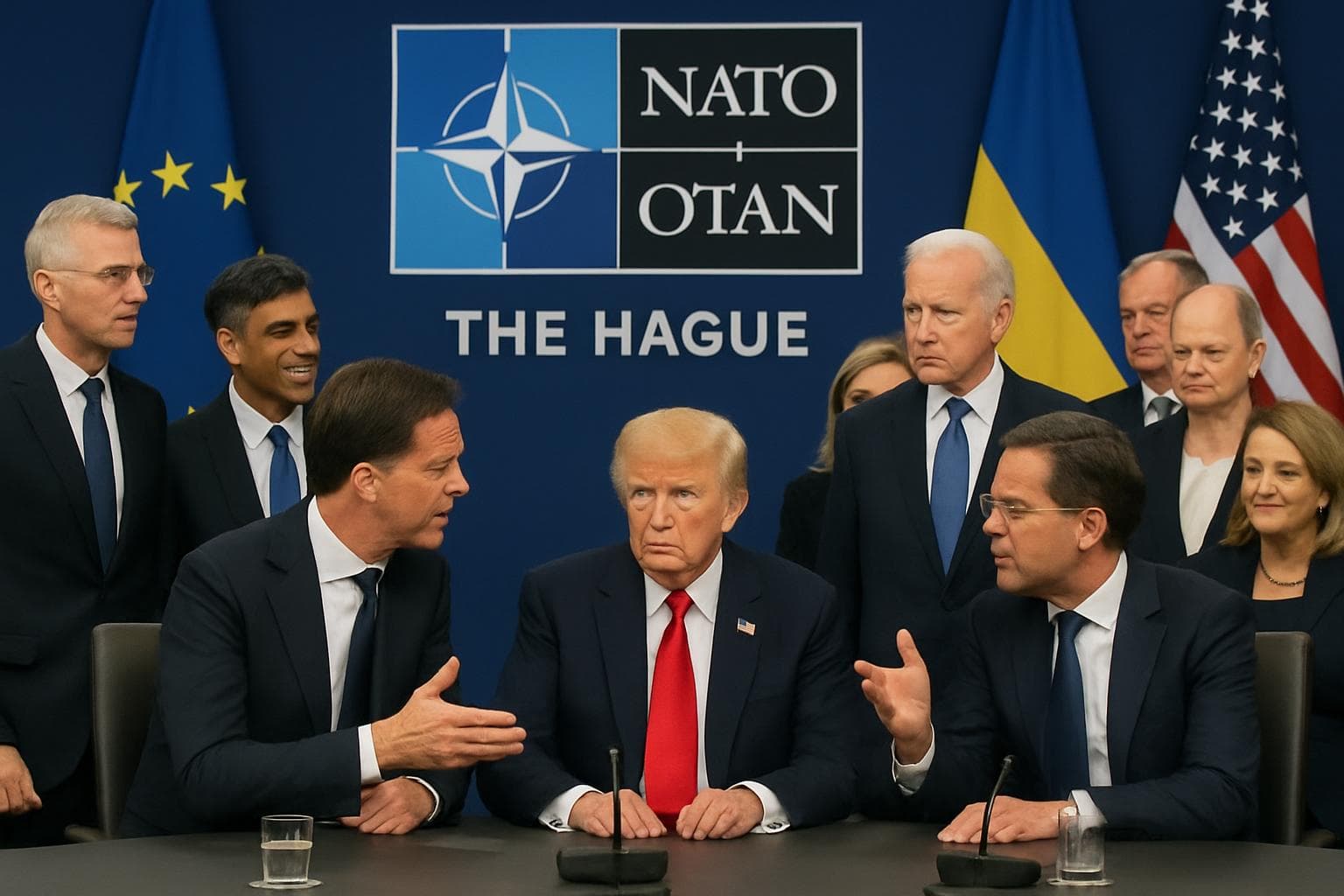
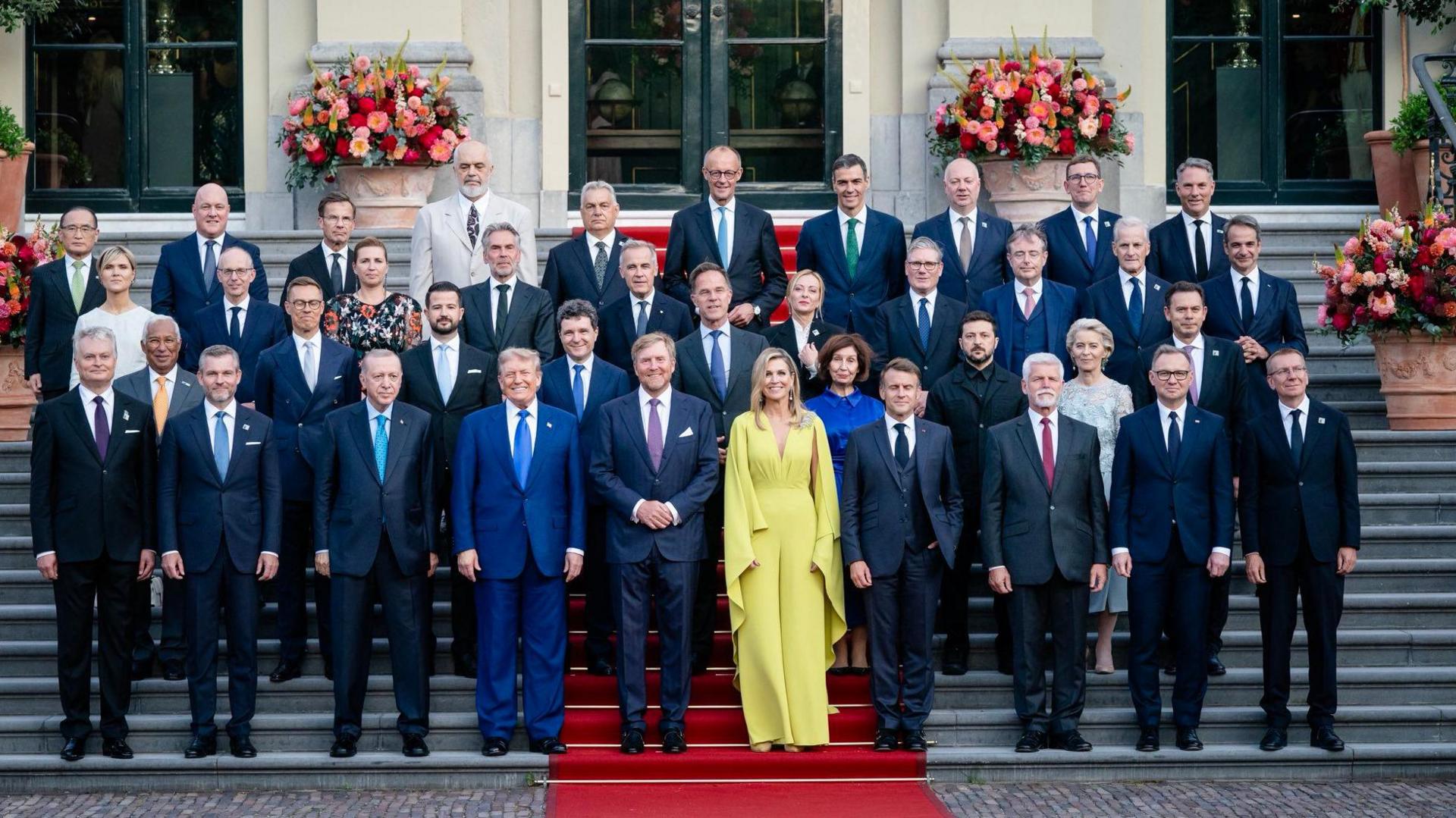
NATO leaders gathered in The Hague this week to address the pressing need for increased defense spending in response to growing threats from Russia and other global security challenges. The summit, attended by leaders from the 32 member states, aimed to solidify a commitment to allocate 5% of national GDP to defense and related infrastructure.
Defense Spending Commitment
The proposal to boost defense spending has been a contentious topic among NATO members. While some leaders, like German Chancellor Friedrich Merz, hailed the meeting as historic, others, such as Spain's Prime Minister Pedro Sánchez, criticized the target as unrealistic. The final statement is expected to endorse a spending pledge of 3.5% of GDP on defense, with an additional 1.5% on defense-related expenditures.
Trump's Return to NATO
This summit marks US President Donald Trump's first NATO appearance since 2019. His presence has reignited discussions about the alliance's mutual defense guarantee, known as Article Five. Trump has previously questioned the interpretation of this clause, which states that an attack on one member is considered an attack on all. Despite these concerns, NATO Secretary General Mark Rutte assured that the United States remains fully committed to the alliance.
Support for Ukraine
The summit also highlighted the ongoing conflict in Ukraine, with Rutte urging European countries and Canada to continue their military support, which has already surpassed $35 billion this year. Ukrainian President Volodymyr Zelensky is scheduled to meet Trump on the sidelines of the summit, following a series of challenging interactions between the two leaders earlier this year.
Escalating Tensions in Ukraine
As NATO leaders convened, the situation in Ukraine remained dire, with recent Russian missile attacks on the eastern city of Dnipro and the nearby town of Samar resulting in at least 20 deaths and 160 injuries. German Chancellor Merz expressed frustration over failed attempts to bring Russia to the negotiating table.
WHAT THIS MIGHT MEAN
The outcomes of this NATO summit could significantly impact the alliance's future strategy and cohesion. If the proposed defense spending targets are adopted, it may strengthen NATO's deterrence capabilities against Russian aggression. However, the financial burden could strain relationships among member states with differing economic priorities.
Trump's participation and his stance on Article Five may influence future US-NATO relations, potentially affecting the alliance's unity. Meanwhile, the ongoing conflict in Ukraine remains a critical issue, with NATO's support playing a pivotal role in the region's stability. As tensions persist, the alliance's ability to present a united front will be crucial in navigating these complex geopolitical challenges.
Images from the Web
Related Articles
Spain's Sánchez Stands Firm Against Trump's Trade Threat Over Iran Stance
Russian LNG Tanker Sinks in Mediterranean Amid Accusations of Ukrainian Drone Attack
Iran Postpones Khamenei Funeral Amid Escalating US-Israeli Strikes
Canada Calls for De-escalation Amid US-Israel Strikes on Iran

Violence Erupts Across Mexico Following Death of Drug Lord El Mencho

US-Iran Tensions Escalate Amid Renewed Nuclear Talks and Protests
NATO Summit in The Hague Focuses on Defense Spending Amid Rising Global Tensions
In This Article
 Ethan Brooks| Published
 HIGHLIGHTS
- NATO leaders convened in The Hague to discuss increased defense spending amid rising threats from Russia.
- A new commitment to allocate 5% of GDP to defense was a key focus, with mixed reactions from member states.
- US President Donald Trump attended his first NATO summit since 2019, raising questions about the alliance's mutual defense guarantee.
- NATO Secretary General Mark Rutte emphasized the importance of US commitment to NATO and supporting Ukraine.
- The summit occurs as tensions escalate in Ukraine, with recent Russian missile attacks causing significant casualties.
NATO leaders gathered in The Hague this week to address the pressing need for increased defense spending in response to growing threats from Russia and other global security challenges. The summit, attended by leaders from the 32 member states, aimed to solidify a commitment to allocate 5% of national GDP to defense and related infrastructure.
Defense Spending Commitment
The proposal to boost defense spending has been a contentious topic among NATO members. While some leaders, like German Chancellor Friedrich Merz, hailed the meeting as historic, others, such as Spain's Prime Minister Pedro Sánchez, criticized the target as unrealistic. The final statement is expected to endorse a spending pledge of 3.5% of GDP on defense, with an additional 1.5% on defense-related expenditures.
Trump's Return to NATO
This summit marks US President Donald Trump's first NATO appearance since 2019. His presence has reignited discussions about the alliance's mutual defense guarantee, known as Article Five. Trump has previously questioned the interpretation of this clause, which states that an attack on one member is considered an attack on all. Despite these concerns, NATO Secretary General Mark Rutte assured that the United States remains fully committed to the alliance.
Support for Ukraine
The summit also highlighted the ongoing conflict in Ukraine, with Rutte urging European countries and Canada to continue their military support, which has already surpassed $35 billion this year. Ukrainian President Volodymyr Zelensky is scheduled to meet Trump on the sidelines of the summit, following a series of challenging interactions between the two leaders earlier this year.
Escalating Tensions in Ukraine
As NATO leaders convened, the situation in Ukraine remained dire, with recent Russian missile attacks on the eastern city of Dnipro and the nearby town of Samar resulting in at least 20 deaths and 160 injuries. German Chancellor Merz expressed frustration over failed attempts to bring Russia to the negotiating table.
WHAT THIS MIGHT MEAN
The outcomes of this NATO summit could significantly impact the alliance's future strategy and cohesion. If the proposed defense spending targets are adopted, it may strengthen NATO's deterrence capabilities against Russian aggression. However, the financial burden could strain relationships among member states with differing economic priorities.
Trump's participation and his stance on Article Five may influence future US-NATO relations, potentially affecting the alliance's unity. Meanwhile, the ongoing conflict in Ukraine remains a critical issue, with NATO's support playing a pivotal role in the region's stability. As tensions persist, the alliance's ability to present a united front will be crucial in navigating these complex geopolitical challenges.
Images from the Web
Related Articles
Spain's Sánchez Stands Firm Against Trump's Trade Threat Over Iran Stance
Russian LNG Tanker Sinks in Mediterranean Amid Accusations of Ukrainian Drone Attack
Iran Postpones Khamenei Funeral Amid Escalating US-Israeli Strikes
Canada Calls for De-escalation Amid US-Israel Strikes on Iran
Violence Erupts Across Mexico Following Death of Drug Lord El Mencho
US-Iran Tensions Escalate Amid Renewed Nuclear Talks and Protests