
Nazi-Looted Masterpiece Discovered in Argentinian Property Listing
In This Article
HIGHLIGHTS
- A painting by Giuseppe Ghislandi, looted by Nazis, was found in an Argentinian property listing, over 80 years after its theft.
- The artwork belonged to Jewish art dealer Jacques Goudstikker, whose collection was forcibly sold to Hermann Göring during WWII.
- Friedrich Kadgien, a Nazi official, is believed to have taken the painting to South America, where it was discovered in his daughter's home.
- The Cultural Heritage Agency of the Netherlands confirmed the painting's authenticity, adding it to the database of lost wartime art.
- Attempts to contact Kadgien's daughters about the painting have been unsuccessful, complicating restitution efforts.
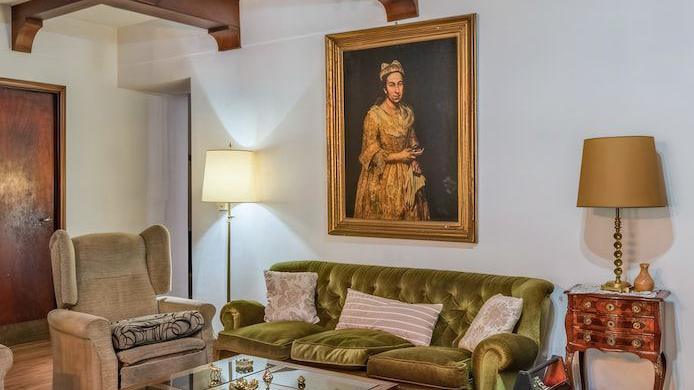
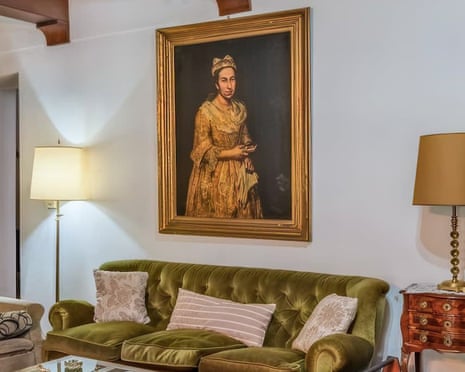
A painting by Italian master Giuseppe Ghislandi, looted by the Nazis over 80 years ago, has been unexpectedly discovered in an Argentinian property listing. The artwork, "Portrait of a Lady," was identified hanging above a sofa in a house near Buenos Aires, once owned by Friedrich Kadgien, a senior Nazi official who fled to South America after World War II.
A Legacy of Loss
The painting was part of the extensive collection of Jacques Goudstikker, a prominent Jewish art dealer in Amsterdam. Goudstikker's collection, comprising over 1,100 pieces, was forcibly sold to Reichsmarschall Hermann Göring shortly after Goudstikker's tragic death while escaping the Nazi invasion in 1940. Although some of the artworks were recovered post-war and displayed in Amsterdam's Rijkmuseum, many, including Ghislandi's portrait, remained missing.
Tracing the Artwork's Journey
The Dutch newspaper AD played a crucial role in tracing the painting's journey. Their investigation revealed wartime documents indicating that Kadgien, described by US interrogators as "a snake of the lowest sort," had possession of the artwork. After fleeing to Switzerland in 1945, Kadgien eventually settled in Argentina, where he lived until his death in 1979.
Challenges in Restitution
The discovery of the painting was serendipitous, aided by an estate agent's listing of Kadgien's daughter's home. Despite the Cultural Heritage Agency of the Netherlands confirming the painting's authenticity, efforts to engage with Kadgien's daughters regarding the artwork have been met with silence. This has posed significant challenges to the restitution process, which seeks to return looted art to rightful heirs.
WHAT THIS MIGHT MEAN
The discovery of "Portrait of a Lady" highlights ongoing challenges in art restitution, particularly with Nazi-looted artworks. Experts suggest that the painting's recovery could prompt further investigations into other missing pieces from Goudstikker's collection. Legal battles may ensue if Kadgien's descendants contest the painting's ownership, potentially setting precedents for similar cases. As international interest in art restitution grows, this case underscores the importance of continued vigilance and cooperation among nations to address historical injustices.
Images from the Web
Related Articles

Iranian Students Lead Major Protests Amid Rising US-Iran Tensions

Avalanche Risks Surge Amidst Extreme Weather Conditions in California and Europe

UK Denies US Use of Military Bases for Potential Iran Strikes Amid Chagos Islands Dispute

Swiss Bar Fire Death Toll Rises to 41 as Investigations Continue

Global Reflections on Holocaust Memorial Day Amid Rising Antisemitism

Trump Revokes Canada's Invitation to 'Board of Peace' Amid Financial Dispute
Nazi-Looted Masterpiece Discovered in Argentinian Property Listing
In This Article
 Sofia Romano| Published
 HIGHLIGHTS
- A painting by Giuseppe Ghislandi, looted by Nazis, was found in an Argentinian property listing, over 80 years after its theft.
- The artwork belonged to Jewish art dealer Jacques Goudstikker, whose collection was forcibly sold to Hermann Göring during WWII.
- Friedrich Kadgien, a Nazi official, is believed to have taken the painting to South America, where it was discovered in his daughter's home.
- The Cultural Heritage Agency of the Netherlands confirmed the painting's authenticity, adding it to the database of lost wartime art.
- Attempts to contact Kadgien's daughters about the painting have been unsuccessful, complicating restitution efforts.
A painting by Italian master Giuseppe Ghislandi, looted by the Nazis over 80 years ago, has been unexpectedly discovered in an Argentinian property listing. The artwork, "Portrait of a Lady," was identified hanging above a sofa in a house near Buenos Aires, once owned by Friedrich Kadgien, a senior Nazi official who fled to South America after World War II.
A Legacy of Loss
The painting was part of the extensive collection of Jacques Goudstikker, a prominent Jewish art dealer in Amsterdam. Goudstikker's collection, comprising over 1,100 pieces, was forcibly sold to Reichsmarschall Hermann Göring shortly after Goudstikker's tragic death while escaping the Nazi invasion in 1940. Although some of the artworks were recovered post-war and displayed in Amsterdam's Rijkmuseum, many, including Ghislandi's portrait, remained missing.
Tracing the Artwork's Journey
The Dutch newspaper AD played a crucial role in tracing the painting's journey. Their investigation revealed wartime documents indicating that Kadgien, described by US interrogators as "a snake of the lowest sort," had possession of the artwork. After fleeing to Switzerland in 1945, Kadgien eventually settled in Argentina, where he lived until his death in 1979.
Challenges in Restitution
The discovery of the painting was serendipitous, aided by an estate agent's listing of Kadgien's daughter's home. Despite the Cultural Heritage Agency of the Netherlands confirming the painting's authenticity, efforts to engage with Kadgien's daughters regarding the artwork have been met with silence. This has posed significant challenges to the restitution process, which seeks to return looted art to rightful heirs.
WHAT THIS MIGHT MEAN
The discovery of "Portrait of a Lady" highlights ongoing challenges in art restitution, particularly with Nazi-looted artworks. Experts suggest that the painting's recovery could prompt further investigations into other missing pieces from Goudstikker's collection. Legal battles may ensue if Kadgien's descendants contest the painting's ownership, potentially setting precedents for similar cases. As international interest in art restitution grows, this case underscores the importance of continued vigilance and cooperation among nations to address historical injustices.
Images from the Web
Related Articles
Iranian Students Lead Major Protests Amid Rising US-Iran Tensions
Avalanche Risks Surge Amidst Extreme Weather Conditions in California and Europe
UK Denies US Use of Military Bases for Potential Iran Strikes Amid Chagos Islands Dispute
Swiss Bar Fire Death Toll Rises to 41 as Investigations Continue
Global Reflections on Holocaust Memorial Day Amid Rising Antisemitism
Trump Revokes Canada's Invitation to 'Board of Peace' Amid Financial Dispute