
Neolithic Monument in Yorkshire Dales Gains Protected Status to Preserve Prehistoric Heritage
In This Article
HIGHLIGHTS
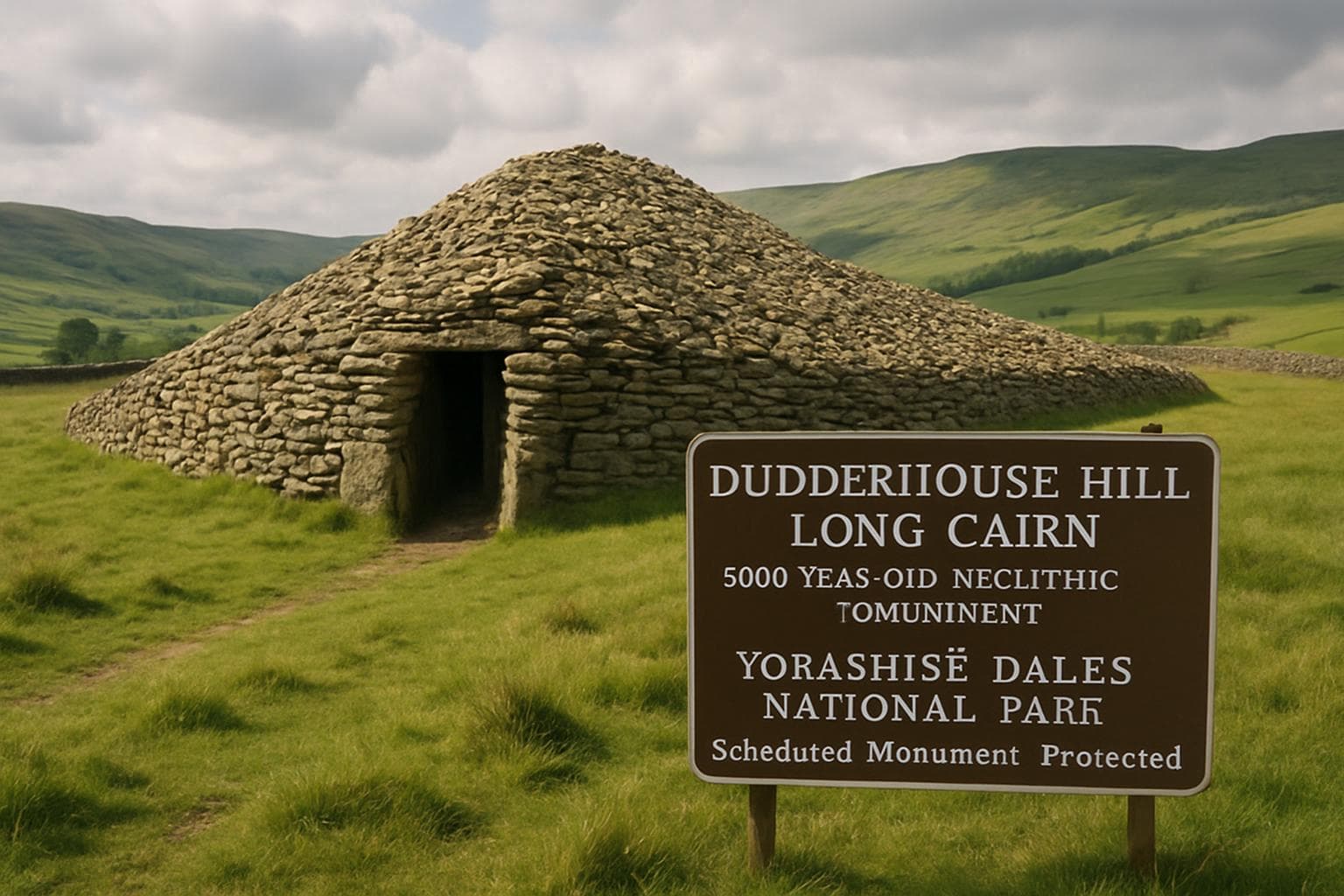
- The Dudderhouse Hill long cairn, a 5,000-year-old Neolithic monument in Yorkshire Dales, has been granted Scheduled Monument status.
- This designation provides the site with the highest level of legal protection to prevent further damage from walkers moving stones.
- The cairn, dating from 3400 to 2400 BC, is one of the earliest structures built by Neolithic farming communities in England.
- Historic England emphasizes the cairn's significance in understanding early human settlements and their cultural practices.
- The protected status may attract funding for maintenance and educational projects to raise awareness about the site's historical importance.
A 5,000-year-old Neolithic monument, the Dudderhouse Hill long cairn, located in the Yorkshire Dales National Park, has been granted Scheduled Monument status, providing it with the highest level of legal protection. This designation aims to safeguard the site from further damage caused by walkers who, often unknowingly, have been removing and relocating stones.
Historical Significance and Preservation Efforts
The Dudderhouse Hill long cairn, dating back to approximately 3400 to 2400 BC, is a rare example of early human construction by Neolithic farming communities. These communities were among the first to transition from hunter-gatherer lifestyles to settled farming, marking a significant cultural shift. The cairn's survival over millennia highlights its robust construction and its monumental role in the landscape during its time.
Duncan Wilson, chief executive of Historic England, stated that the scheduling of this "remarkable Neolithic long cairn" ensures it receives the protection it deserves. Paul Jeffery, Historic England's national listings manager, noted that while the cairn may appear as a mere pile of stones, it holds immense historical value as a burial chamber and possibly a seasonal marker, akin to Stonehenge.
Challenges and Future Prospects
Despite its historical significance, the cairn has faced challenges from modern-day visitors who inadvertently cause damage by moving stones to create way markers. Jeffery emphasized the importance of educating the public about the site's significance to prevent further harm. The Yorkshire Dales National Park Authority plans to install signage to inform visitors about the cairn's historical context.
The protected status could also attract grant funding, which would be instrumental in maintaining the site for future generations. This funding would support conservation efforts and educational initiatives to enhance public understanding of the cairn's role in prehistoric heritage.
WHAT THIS MIGHT MEAN
With the Dudderhouse Hill long cairn now under Scheduled Monument protection, the focus will likely shift to conservation and public education. The Yorkshire Dales National Park Authority may develop programs to engage visitors and raise awareness about the site's historical importance. This could include guided tours and informational displays, helping to preserve the cairn's integrity while enhancing its educational value.
The protected status may also encourage further archaeological research, offering insights into Neolithic life and practices. As more is learned about these early communities, the cairn could become a focal point for understanding the broader prehistoric landscape of the region. The success of these initiatives will depend on continued collaboration between heritage organizations, local authorities, and the public.
Related Articles
Archaeologists Uncover Massive Neolithic Pit Circle Near Stonehenge
Edward Jenner's Historic Vaccination Hut Added to Heritage at Risk Register

HMS Northumberland: A 350-Year-Old Warship Reveals Its Secrets
Iron Age Settlement and Roman Villa Unearthed in Gloucestershire

Yorkshire's Moors Set for Tourism Surge with New 'Wuthering Heights' Film Adaptation

Southbank Centre Secures Grade II Listed Status, Celebrating Brutalist Heritage
Neolithic Monument in Yorkshire Dales Gains Protected Status to Preserve Prehistoric Heritage
In This Article
 Sofia Romano| Published
 HIGHLIGHTS
- The Dudderhouse Hill long cairn, a 5,000-year-old Neolithic monument in Yorkshire Dales, has been granted Scheduled Monument status.
- This designation provides the site with the highest level of legal protection to prevent further damage from walkers moving stones.
- The cairn, dating from 3400 to 2400 BC, is one of the earliest structures built by Neolithic farming communities in England.
- Historic England emphasizes the cairn's significance in understanding early human settlements and their cultural practices.
- The protected status may attract funding for maintenance and educational projects to raise awareness about the site's historical importance.
A 5,000-year-old Neolithic monument, the Dudderhouse Hill long cairn, located in the Yorkshire Dales National Park, has been granted Scheduled Monument status, providing it with the highest level of legal protection. This designation aims to safeguard the site from further damage caused by walkers who, often unknowingly, have been removing and relocating stones.
Historical Significance and Preservation Efforts
The Dudderhouse Hill long cairn, dating back to approximately 3400 to 2400 BC, is a rare example of early human construction by Neolithic farming communities. These communities were among the first to transition from hunter-gatherer lifestyles to settled farming, marking a significant cultural shift. The cairn's survival over millennia highlights its robust construction and its monumental role in the landscape during its time.
Duncan Wilson, chief executive of Historic England, stated that the scheduling of this "remarkable Neolithic long cairn" ensures it receives the protection it deserves. Paul Jeffery, Historic England's national listings manager, noted that while the cairn may appear as a mere pile of stones, it holds immense historical value as a burial chamber and possibly a seasonal marker, akin to Stonehenge.
Challenges and Future Prospects
Despite its historical significance, the cairn has faced challenges from modern-day visitors who inadvertently cause damage by moving stones to create way markers. Jeffery emphasized the importance of educating the public about the site's significance to prevent further harm. The Yorkshire Dales National Park Authority plans to install signage to inform visitors about the cairn's historical context.
The protected status could also attract grant funding, which would be instrumental in maintaining the site for future generations. This funding would support conservation efforts and educational initiatives to enhance public understanding of the cairn's role in prehistoric heritage.
WHAT THIS MIGHT MEAN
With the Dudderhouse Hill long cairn now under Scheduled Monument protection, the focus will likely shift to conservation and public education. The Yorkshire Dales National Park Authority may develop programs to engage visitors and raise awareness about the site's historical importance. This could include guided tours and informational displays, helping to preserve the cairn's integrity while enhancing its educational value.
The protected status may also encourage further archaeological research, offering insights into Neolithic life and practices. As more is learned about these early communities, the cairn could become a focal point for understanding the broader prehistoric landscape of the region. The success of these initiatives will depend on continued collaboration between heritage organizations, local authorities, and the public.
Related Articles
Archaeologists Uncover Massive Neolithic Pit Circle Near Stonehenge
Edward Jenner's Historic Vaccination Hut Added to Heritage at Risk Register
HMS Northumberland: A 350-Year-Old Warship Reveals Its Secrets
Iron Age Settlement and Roman Villa Unearthed in Gloucestershire
Yorkshire's Moors Set for Tourism Surge with New 'Wuthering Heights' Film Adaptation
Southbank Centre Secures Grade II Listed Status, Celebrating Brutalist Heritage