
New Dinosaur Species with Distinctive Sail Named After Sailor Ellen MacArthur
In This Article
HIGHLIGHTS
- A new dinosaur species, Istiorachis macarthurae, was discovered on the Isle of Wight, named after sailor Dame Ellen MacArthur.
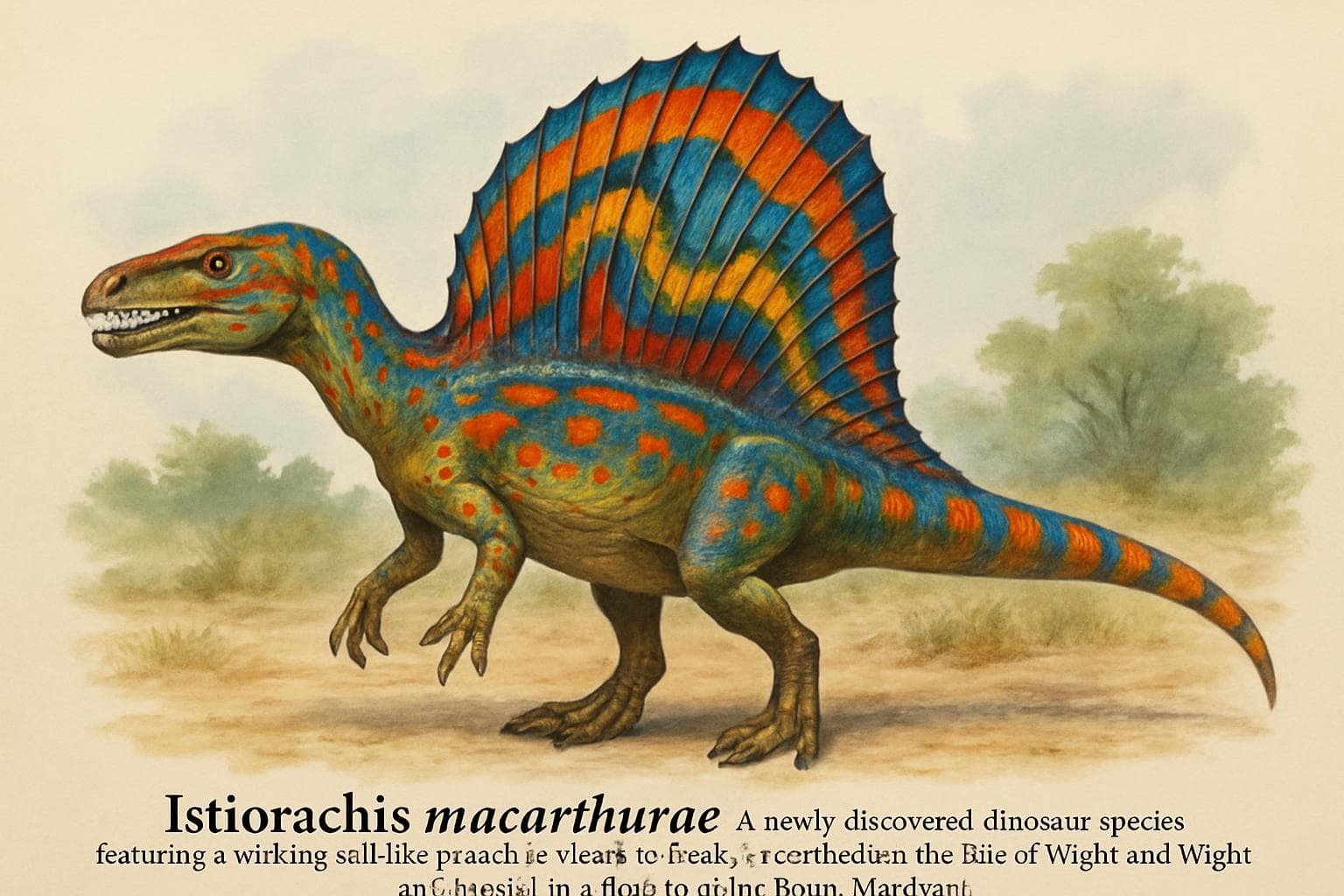
- The dinosaur, identified by Dr. Jeremy Lockwood, features a distinctive sail-like structure along its back, likely used for visual signaling.
- The fossils, dating back 125 million years, were initially thought to belong to known iguanodontian species.
- The discovery underscores the importance of revisiting museum collections for new insights into dinosaur evolution.
- Dame Ellen MacArthur expressed honor at having the dinosaur named after her, linking it to her sailing achievements.
A remarkable new species of dinosaur, distinguished by an "eye-catching sail" along its back, has been unearthed on the Isle of Wight and named Istiorachis macarthurae in honor of record-breaking sailor Dame Ellen MacArthur. This medium-sized herbivore, which roamed the ancient floodplains 125 million years ago, was identified by Dr. Jeremy Lockwood, a researcher affiliated with the University of Portsmouth and the Natural History Museum.
Discovery and Identification
The fossils, originally discovered by the late fossil hunter Nick Chase, were initially misclassified as belonging to one of the two known iguanodontian species from the Isle of Wight. However, Dr. Lockwood's meticulous analysis revealed the unique characteristics of the dinosaur, particularly its elongated neural spines forming a sail-like structure. "While the skeleton wasn't as complete as some of the others that have been found, no one had really taken a close look at these bones before," Lockwood explained.
Significance of the Sail Structure
The sail-like formation on Istiorachis macarthurae is believed to have served a purpose similar to that of a peacock's feathers, potentially used for attracting mates or intimidating rivals. "Evolution sometimes seems to favor the extravagant over the practical," Lockwood noted, suggesting that the sail was likely a visual signal in sexual displays. This discovery adds to the understanding of how such features evolved in dinosaurs, drawing parallels with modern reptiles where similar structures are often more prominent in males.
Honoring a Sailing Legend
The dinosaur's name pays tribute to Dame Ellen MacArthur, who set a world record in 2005 for the fastest solo non-stop sailing voyage around the world. MacArthur expressed her surprise and honor at the naming, stating, "It is both extraordinary and a huge honor that a creature living 125 million years ago could possibly be linked to my family name."
Importance of Museum Collections
The discovery highlights the value of museum collections in advancing paleontological research. Prof. Susannah Maidment of the Natural History Museum emphasized, "Jeremy’s careful study of fossils that have been in museum collections for several years has brought to life the iguanodontian dinosaurs of the Isle of Wight." The Istiorachis macarthurae is now on display at the Dinosaur Isle Museum in Sandown, offering the public a glimpse into the island's prehistoric past.
WHAT THIS MIGHT MEAN
The discovery of Istiorachis macarthurae could prompt further investigations into the evolutionary significance of sail structures in dinosaurs, potentially leading to new insights into their behavior and ecology. As researchers continue to explore museum collections, similar revelations may emerge, reshaping our understanding of dinosaur diversity and evolution. Additionally, the naming of the dinosaur after a contemporary figure like Dame Ellen MacArthur underscores the cultural impact of scientific discoveries, bridging the gap between past and present. This could inspire future collaborations between scientists and public figures, enhancing public engagement with paleontology.
Images from the Web

Related Articles
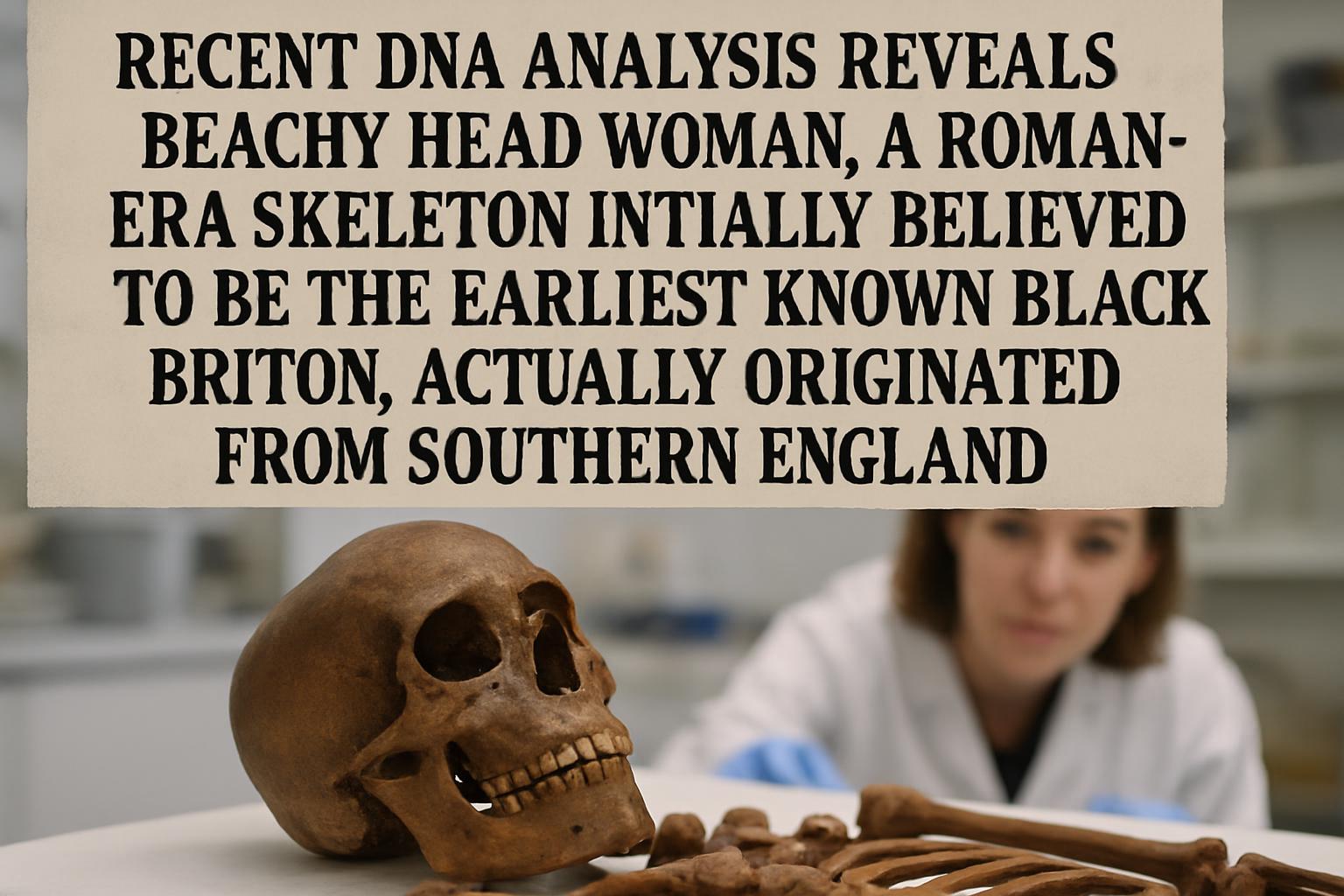
DNA Analysis Redefines Origins of Roman-Era Skeleton, Beachy Head Woman

Disappearance of White-Tailed Eagles Sparks Nationwide Investigation

Cargo Spill in Solent: Bananas Wash Ashore, Prompting Cleanup and Warnings

UK Communities Unite to Plant Sycamore Gap Tree Saplings as Symbols of Hope

Tragic Helicopter Crash on Isle of Wight Claims Three Lives

Walking 7,000 Steps a Day: A New Benchmark for Health Benefits
New Dinosaur Species with Distinctive Sail Named After Sailor Ellen MacArthur
In This Article
 Sofia Romano| Published
 HIGHLIGHTS
- A new dinosaur species, Istiorachis macarthurae, was discovered on the Isle of Wight, named after sailor Dame Ellen MacArthur.
- The dinosaur, identified by Dr. Jeremy Lockwood, features a distinctive sail-like structure along its back, likely used for visual signaling.
- The fossils, dating back 125 million years, were initially thought to belong to known iguanodontian species.
- The discovery underscores the importance of revisiting museum collections for new insights into dinosaur evolution.
- Dame Ellen MacArthur expressed honor at having the dinosaur named after her, linking it to her sailing achievements.
A remarkable new species of dinosaur, distinguished by an "eye-catching sail" along its back, has been unearthed on the Isle of Wight and named Istiorachis macarthurae in honor of record-breaking sailor Dame Ellen MacArthur. This medium-sized herbivore, which roamed the ancient floodplains 125 million years ago, was identified by Dr. Jeremy Lockwood, a researcher affiliated with the University of Portsmouth and the Natural History Museum.
Discovery and Identification
The fossils, originally discovered by the late fossil hunter Nick Chase, were initially misclassified as belonging to one of the two known iguanodontian species from the Isle of Wight. However, Dr. Lockwood's meticulous analysis revealed the unique characteristics of the dinosaur, particularly its elongated neural spines forming a sail-like structure. "While the skeleton wasn't as complete as some of the others that have been found, no one had really taken a close look at these bones before," Lockwood explained.
Significance of the Sail Structure
The sail-like formation on Istiorachis macarthurae is believed to have served a purpose similar to that of a peacock's feathers, potentially used for attracting mates or intimidating rivals. "Evolution sometimes seems to favor the extravagant over the practical," Lockwood noted, suggesting that the sail was likely a visual signal in sexual displays. This discovery adds to the understanding of how such features evolved in dinosaurs, drawing parallels with modern reptiles where similar structures are often more prominent in males.
Honoring a Sailing Legend
The dinosaur's name pays tribute to Dame Ellen MacArthur, who set a world record in 2005 for the fastest solo non-stop sailing voyage around the world. MacArthur expressed her surprise and honor at the naming, stating, "It is both extraordinary and a huge honor that a creature living 125 million years ago could possibly be linked to my family name."
Importance of Museum Collections
The discovery highlights the value of museum collections in advancing paleontological research. Prof. Susannah Maidment of the Natural History Museum emphasized, "Jeremy’s careful study of fossils that have been in museum collections for several years has brought to life the iguanodontian dinosaurs of the Isle of Wight." The Istiorachis macarthurae is now on display at the Dinosaur Isle Museum in Sandown, offering the public a glimpse into the island's prehistoric past.
WHAT THIS MIGHT MEAN
The discovery of Istiorachis macarthurae could prompt further investigations into the evolutionary significance of sail structures in dinosaurs, potentially leading to new insights into their behavior and ecology. As researchers continue to explore museum collections, similar revelations may emerge, reshaping our understanding of dinosaur diversity and evolution. Additionally, the naming of the dinosaur after a contemporary figure like Dame Ellen MacArthur underscores the cultural impact of scientific discoveries, bridging the gap between past and present. This could inspire future collaborations between scientists and public figures, enhancing public engagement with paleontology.
Images from the Web
Related Articles
DNA Analysis Redefines Origins of Roman-Era Skeleton, Beachy Head Woman
Disappearance of White-Tailed Eagles Sparks Nationwide Investigation
Cargo Spill in Solent: Bananas Wash Ashore, Prompting Cleanup and Warnings
UK Communities Unite to Plant Sycamore Gap Tree Saplings as Symbols of Hope
Tragic Helicopter Crash on Isle of Wight Claims Three Lives
Walking 7,000 Steps a Day: A New Benchmark for Health Benefits