
Historic Cold Snap in New York City Claims 18 Lives
In This Article
HIGHLIGHTS
- New York City has experienced one of its longest cold snaps since 1961, resulting in 18 fatalities.
- The city declared a Code Blue emergency on January 19, relaxing shelter policies to protect the homeless.
- Temperatures have been 10 to 15 degrees Fahrenheit below average, with wind chills reaching as low as -20F.
- Mayor Zohran Mamdani announced increased shelter capacity and outreach efforts to safeguard vulnerable populations.
- The National Weather Service forecasts a slight temperature rise, but conditions remain hazardous.
New York City is grappling with the aftermath of a historic cold snap that has claimed the lives of 18 individuals, marking one of the longest stretches of sub-zero temperatures since 1961. The extreme weather conditions, which began in late January, have posed significant challenges for both residents and city officials.
Code Blue Emergency and Shelter Efforts
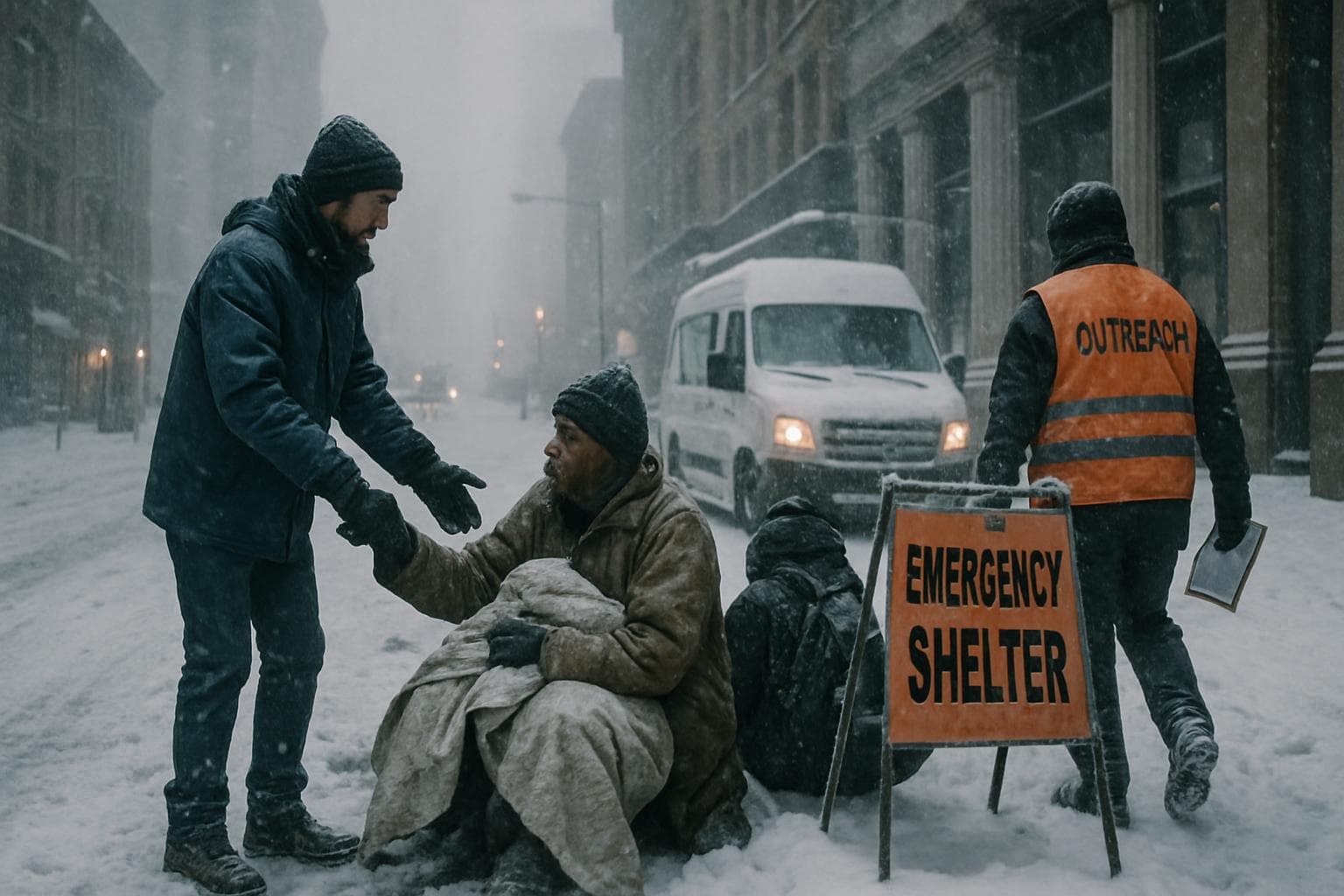
In response to the severe cold, New York City officials declared a Code Blue emergency on January 19. This declaration has allowed for relaxed intake policies at homeless shelters, ensuring that no one is denied access. Mayor Zohran Mamdani emphasized the city's commitment to protecting its most vulnerable residents, stating, "Each life lost is a tragedy, and we will continue to hold their families in our thoughts." The city has increased its shelter capacity by adding 64 hotel rooms and deploying an additional 150 outreach workers to the streets.
Impact of Sub-Zero Temperatures
The National Weather Service reported that temperatures have been consistently 10 to 15 degrees Fahrenheit below average, with wind chills making it feel as cold as -20F. Such conditions pose a significant risk of hypothermia and frostbite, with exposure potentially becoming life-threatening in as little as 15 minutes. The recent fatalities include individuals found outdoors, highlighting the dangers faced by those without adequate shelter.
Community and Official Responses
Mayor Mamdani has urged residents to stay indoors and look out for one another during this challenging period. "To those who may consider themselves more comfortable on the streets, I want to speak directly to you," he pleaded. "Come inside. These temperatures are too low and too dangerous to survive." The city's Emergency Management agency has also warned of the risks posed by melting snow and ice, which could refreeze and create hazardous conditions.
WHAT THIS MIGHT MEAN
As temperatures are expected to rise slightly, New York City may see some relief from the extreme cold. However, the situation remains precarious, with potential risks from refreezing ice and snow. The recent cold snap serves as an early test for Mayor Mamdani's administration, highlighting the need for robust emergency response strategies and support for vulnerable populations. Experts suggest that the city must continue to enhance its infrastructure and preparedness to mitigate the impacts of future extreme weather events.
Related Articles
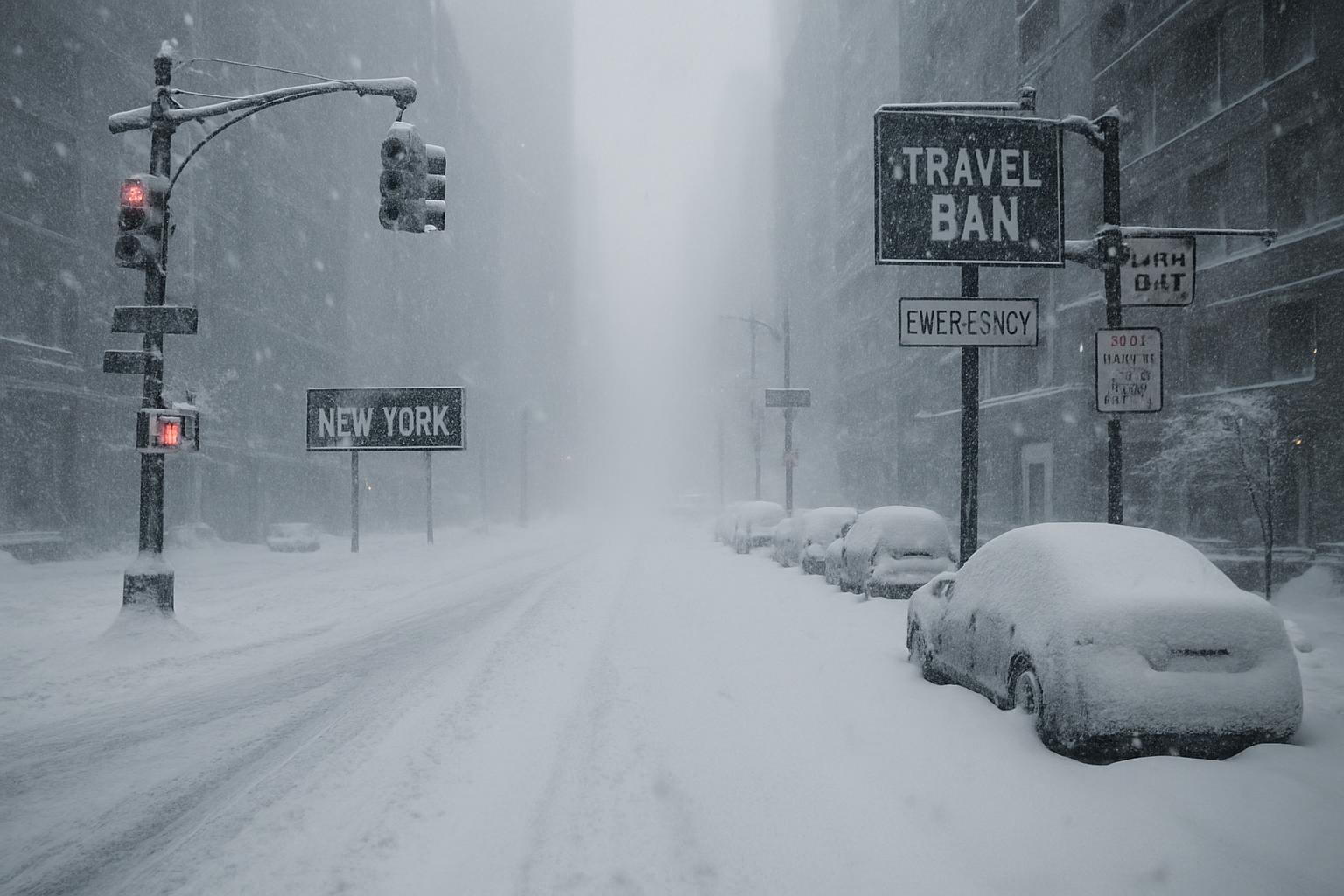
Historic Nor'easter Storm Paralyzes US North-East with Blizzard Warnings and Travel Bans
US Winter Storm Claims Lives and Leaves Millions Without Power
US Winter Storm Causes Widespread Disruption and Fatalities
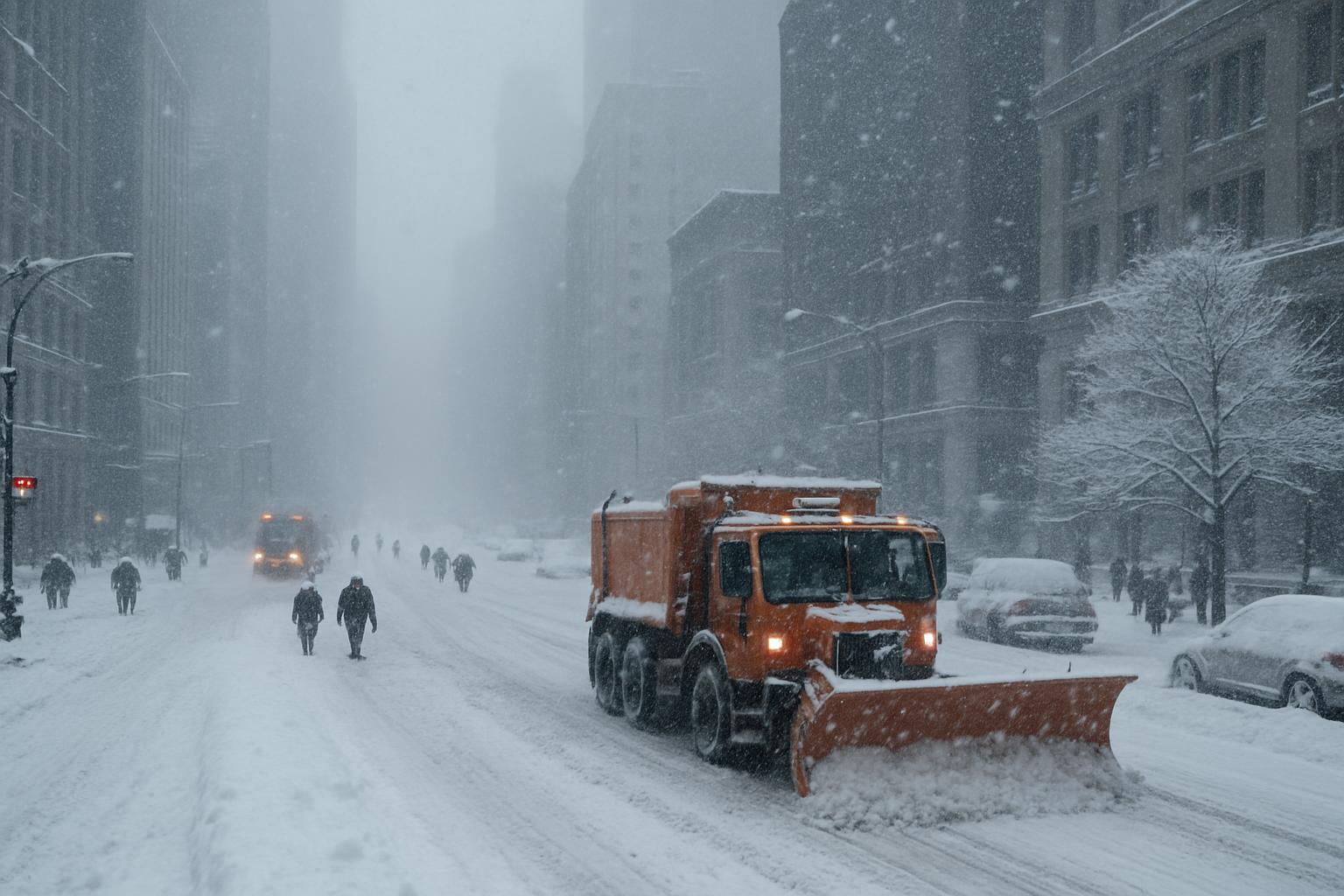
Winter Storm Causes Major Travel Disruptions Across US Northeast
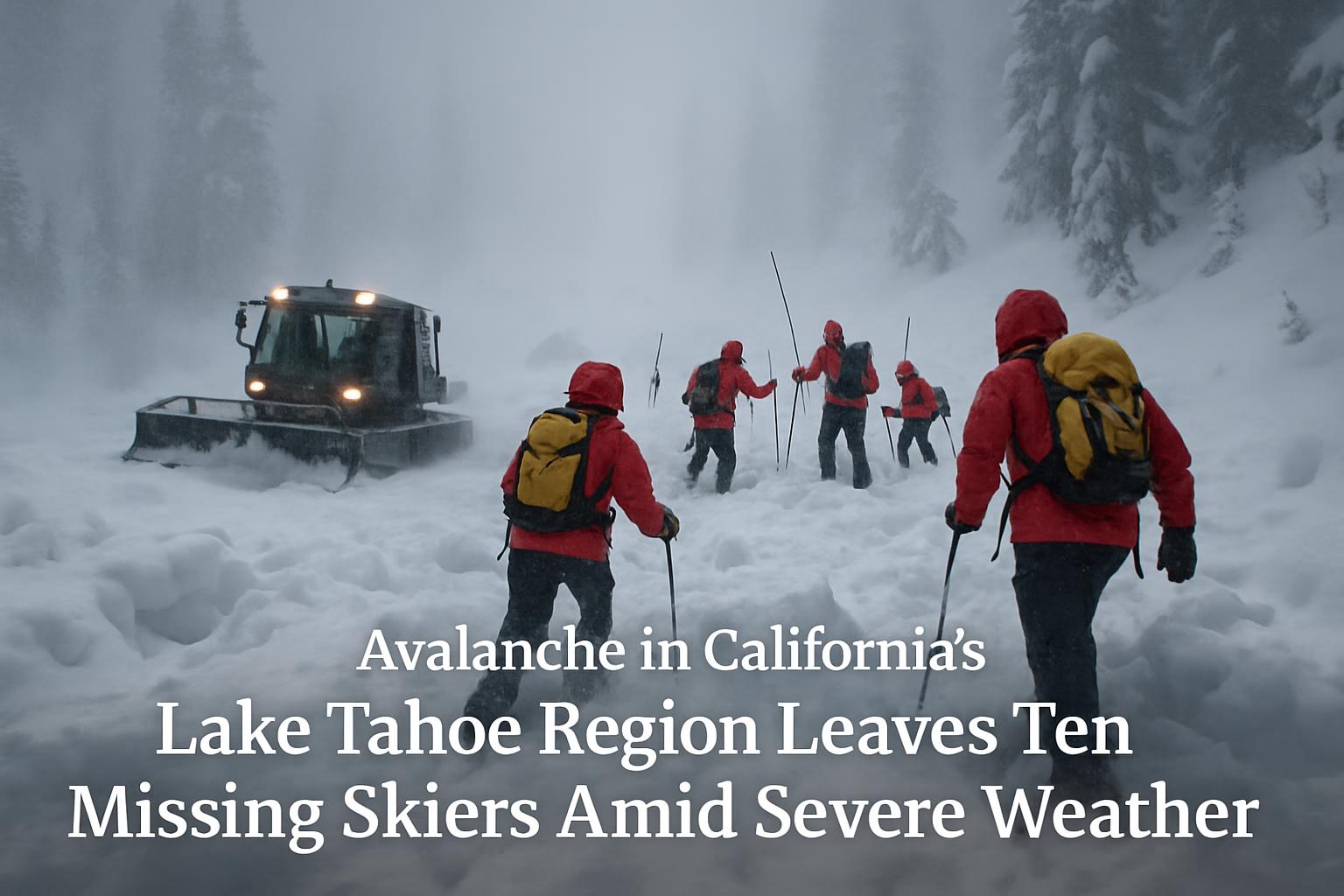
California Avalanche Leaves Ten Skiers Missing Amid Severe Weather
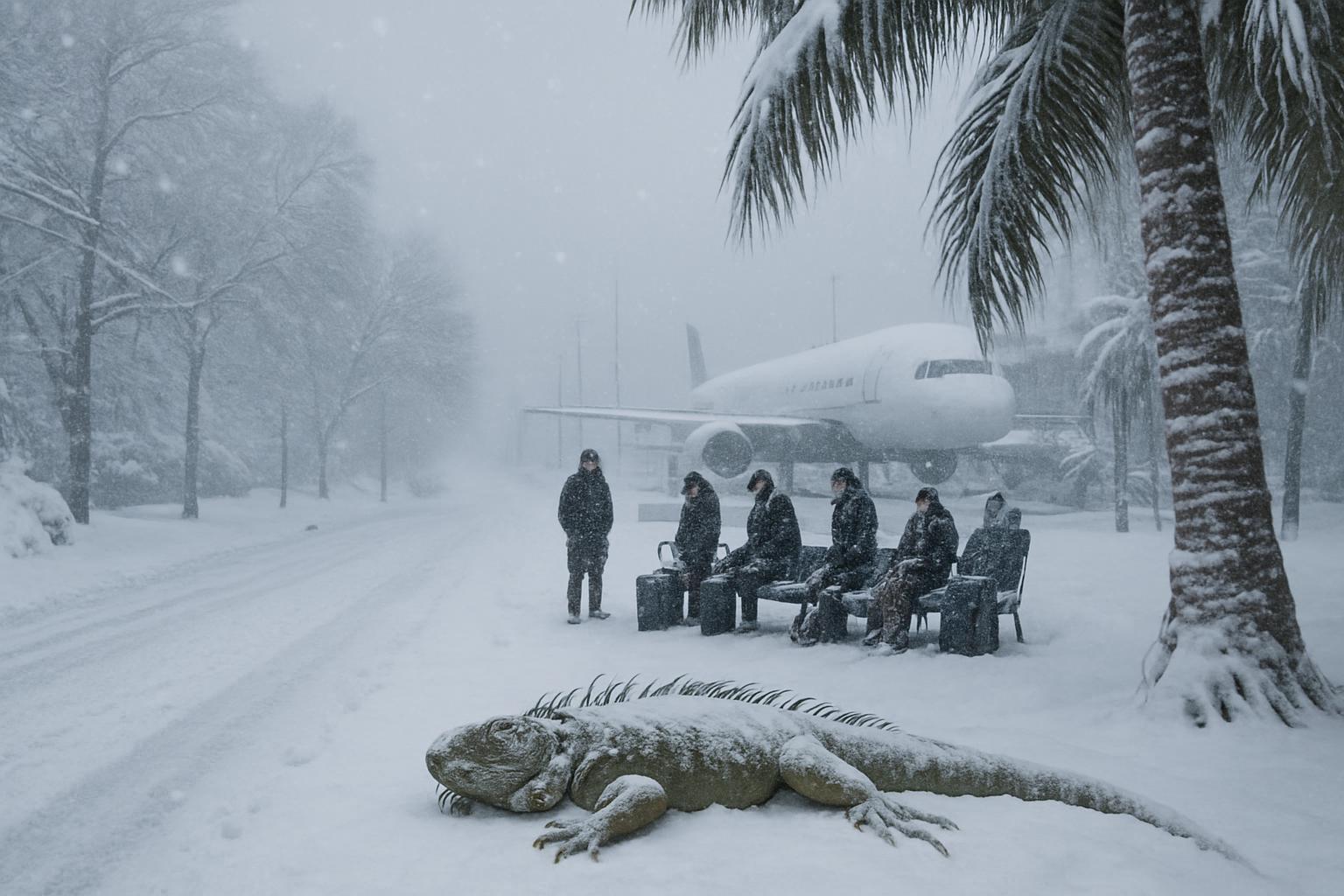
Bomb Cyclone Paralyzes Eastern US with Snow and Freezing Temperatures
Historic Cold Snap in New York City Claims 18 Lives
In This Article
 Leila Hassan| Published
 HIGHLIGHTS
- New York City has experienced one of its longest cold snaps since 1961, resulting in 18 fatalities.
- The city declared a Code Blue emergency on January 19, relaxing shelter policies to protect the homeless.
- Temperatures have been 10 to 15 degrees Fahrenheit below average, with wind chills reaching as low as -20F.
- Mayor Zohran Mamdani announced increased shelter capacity and outreach efforts to safeguard vulnerable populations.
- The National Weather Service forecasts a slight temperature rise, but conditions remain hazardous.
New York City is grappling with the aftermath of a historic cold snap that has claimed the lives of 18 individuals, marking one of the longest stretches of sub-zero temperatures since 1961. The extreme weather conditions, which began in late January, have posed significant challenges for both residents and city officials.
Code Blue Emergency and Shelter Efforts
In response to the severe cold, New York City officials declared a Code Blue emergency on January 19. This declaration has allowed for relaxed intake policies at homeless shelters, ensuring that no one is denied access. Mayor Zohran Mamdani emphasized the city's commitment to protecting its most vulnerable residents, stating, "Each life lost is a tragedy, and we will continue to hold their families in our thoughts." The city has increased its shelter capacity by adding 64 hotel rooms and deploying an additional 150 outreach workers to the streets.
Impact of Sub-Zero Temperatures
The National Weather Service reported that temperatures have been consistently 10 to 15 degrees Fahrenheit below average, with wind chills making it feel as cold as -20F. Such conditions pose a significant risk of hypothermia and frostbite, with exposure potentially becoming life-threatening in as little as 15 minutes. The recent fatalities include individuals found outdoors, highlighting the dangers faced by those without adequate shelter.
Community and Official Responses
Mayor Mamdani has urged residents to stay indoors and look out for one another during this challenging period. "To those who may consider themselves more comfortable on the streets, I want to speak directly to you," he pleaded. "Come inside. These temperatures are too low and too dangerous to survive." The city's Emergency Management agency has also warned of the risks posed by melting snow and ice, which could refreeze and create hazardous conditions.
WHAT THIS MIGHT MEAN
As temperatures are expected to rise slightly, New York City may see some relief from the extreme cold. However, the situation remains precarious, with potential risks from refreezing ice and snow. The recent cold snap serves as an early test for Mayor Mamdani's administration, highlighting the need for robust emergency response strategies and support for vulnerable populations. Experts suggest that the city must continue to enhance its infrastructure and preparedness to mitigate the impacts of future extreme weather events.
Related Articles
Historic Nor'easter Storm Paralyzes US North-East with Blizzard Warnings and Travel Bans
US Winter Storm Claims Lives and Leaves Millions Without Power
US Winter Storm Causes Widespread Disruption and Fatalities
Winter Storm Causes Major Travel Disruptions Across US Northeast
California Avalanche Leaves Ten Skiers Missing Amid Severe Weather
Bomb Cyclone Paralyzes Eastern US with Snow and Freezing Temperatures