
Historic Nor'easter Storm Paralyzes US North-East with Blizzard Warnings and Travel Bans
In This Article
HIGHLIGHTS
- A powerful nor'easter storm has placed 59 million people under weather warnings across the US north-east, with New York City under its first blizzard warning in nine years.
- States of emergency have been declared in several states, including Massachusetts and New Jersey, with travel bans and restrictions in place.
- The National Weather Service predicts up to 2 feet of snow in New York City, with wind gusts reaching 70 mph, leading to potential coastal flooding and power outages.
- Over 6,000 flights have been canceled, and power outages have affected more than 150,000 people across the region.
- New York City Mayor Zohran Mamdani has implemented a travel ban and closed schools, urging residents to stay indoors for safety.
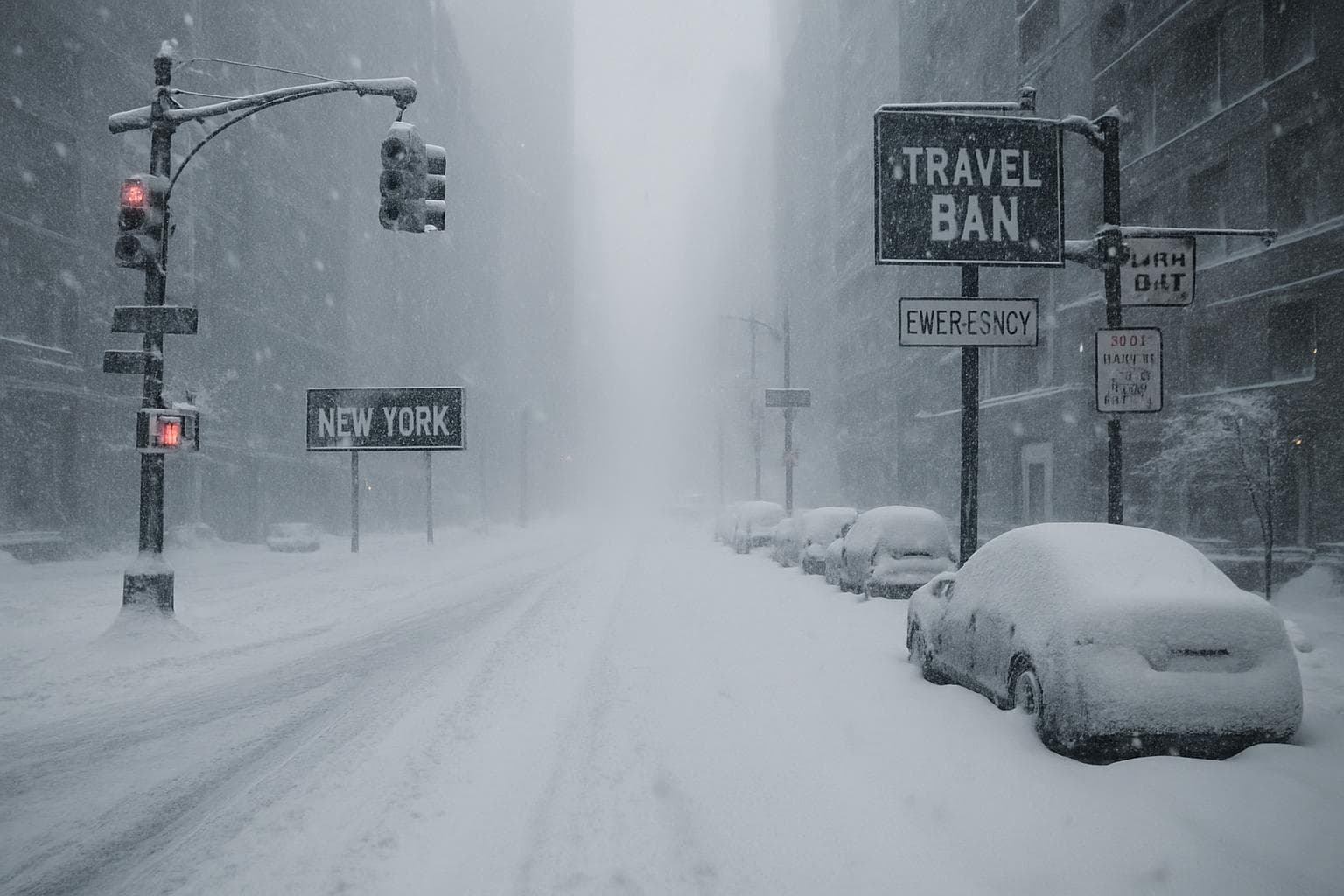
A formidable nor'easter storm has descended upon the north-eastern United States, prompting severe weather warnings for 59 million residents and causing widespread disruptions. New York City, under its first blizzard warning in nearly a decade, is bracing for up to 2 feet of snow and fierce winds reaching 70 mph.
States of Emergency and Travel Bans
In response to the storm's intensity, states of emergency have been declared in Massachusetts, Connecticut, Delaware, New Jersey, and Rhode Island. New York City Mayor Zohran Mamdani has enforced a citywide travel ban from Sunday night to Monday afternoon, urging residents to stay off the roads. "Staying home means you are staying safe," Mamdani emphasized, as he announced the closure of public schools and a full "snow day" for students.
Severe Weather Conditions and Impact
The National Weather Service has warned of "nearly impossible" travel conditions, with snowfall rates of 2-3 inches per hour. Coastal areas from Cape Cod to Delaware face the threat of flooding, while power outages have already affected over 150,000 people, including 60,000 in New Jersey alone. The storm's impact extends to air travel, with more than 6,000 flights canceled, particularly affecting major hubs like JFK and Boston Logan.
Community Preparedness and Response
As the storm intensifies, New York City has ramped up its snow-clearing efforts, deploying additional equipment and personnel to manage the anticipated snowfall. Mayor Mamdani has also prioritized outreach to assist unhoused residents, ensuring they find shelter during the harsh conditions. Meanwhile, officials in Atlantic City have cautioned residents about the dangers of flooding and snow-covered streets.
WHAT THIS MIGHT MEAN
As the storm progresses, the immediate focus remains on ensuring public safety and restoring essential services. The travel ban and school closures in New York City highlight the severity of the situation, with potential long-term implications for infrastructure and emergency preparedness. Experts suggest that the storm could serve as a critical test for the new administration's crisis management strategies. Looking ahead, the region may face challenges in recovering from power outages and addressing the economic impact of disrupted travel and business operations.
Related Articles

China Sets Lowest GDP Growth Target in Decades Amid Economic Challenges
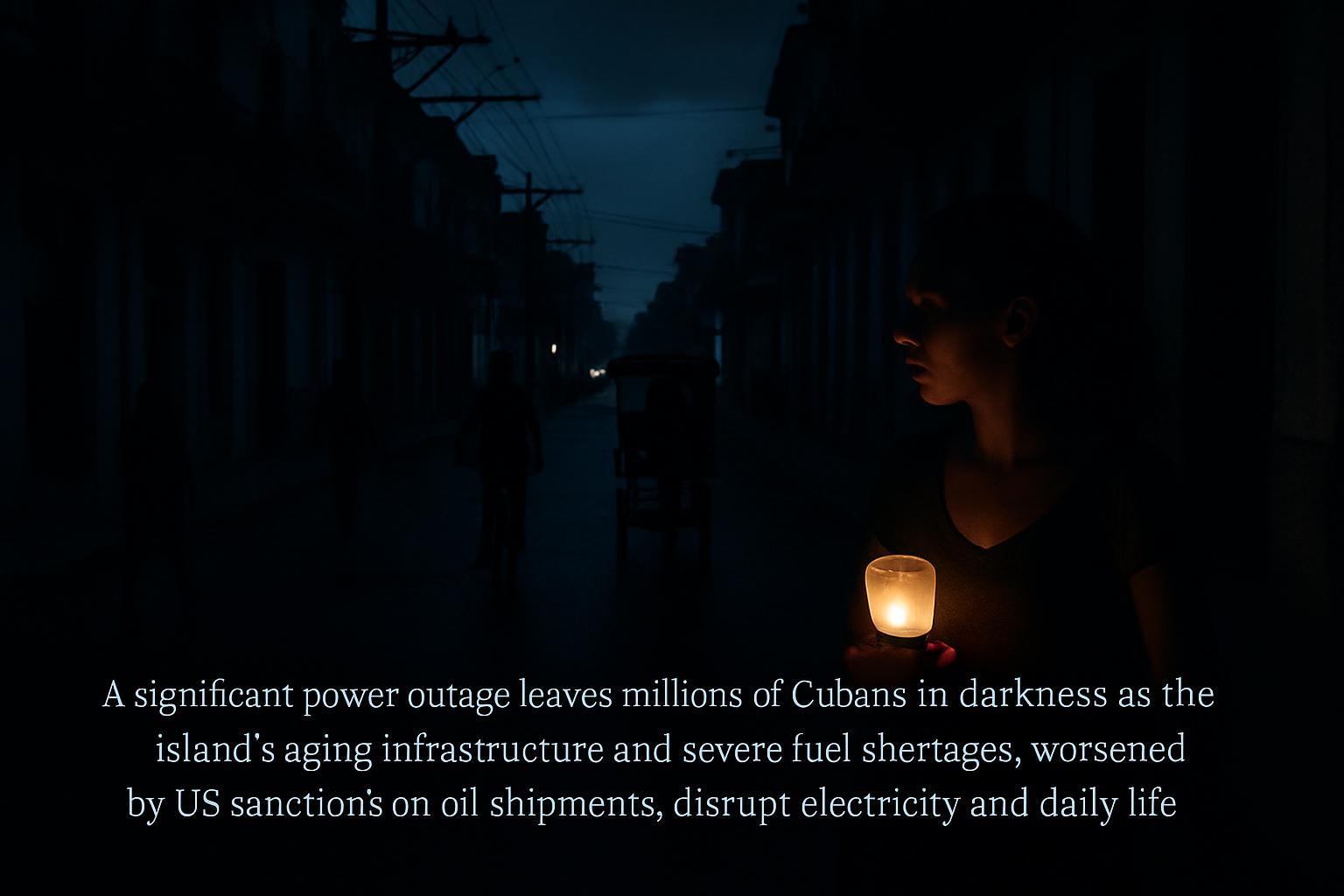
Cuba Faces Widespread Blackout Amid Deepening Fuel Crisis

UK Faces Dilemmas Amid Iran Conflict and China Spying Allegations

Google Faces Legal Battle Over AI Chatbot's Alleged Role in Tragic Death

Iran Postpones Khamenei Funeral Amid Escalating US-Israeli Strikes

Canada Calls for De-escalation Amid US-Israel Strikes on Iran
Historic Nor'easter Storm Paralyzes US North-East with Blizzard Warnings and Travel Bans
In This Article
 Leila Hassan| Published
 HIGHLIGHTS
- A powerful nor'easter storm has placed 59 million people under weather warnings across the US north-east, with New York City under its first blizzard warning in nine years.
- States of emergency have been declared in several states, including Massachusetts and New Jersey, with travel bans and restrictions in place.
- The National Weather Service predicts up to 2 feet of snow in New York City, with wind gusts reaching 70 mph, leading to potential coastal flooding and power outages.
- Over 6,000 flights have been canceled, and power outages have affected more than 150,000 people across the region.
- New York City Mayor Zohran Mamdani has implemented a travel ban and closed schools, urging residents to stay indoors for safety.
A formidable nor'easter storm has descended upon the north-eastern United States, prompting severe weather warnings for 59 million residents and causing widespread disruptions. New York City, under its first blizzard warning in nearly a decade, is bracing for up to 2 feet of snow and fierce winds reaching 70 mph.
States of Emergency and Travel Bans
In response to the storm's intensity, states of emergency have been declared in Massachusetts, Connecticut, Delaware, New Jersey, and Rhode Island. New York City Mayor Zohran Mamdani has enforced a citywide travel ban from Sunday night to Monday afternoon, urging residents to stay off the roads. "Staying home means you are staying safe," Mamdani emphasized, as he announced the closure of public schools and a full "snow day" for students.
Severe Weather Conditions and Impact
The National Weather Service has warned of "nearly impossible" travel conditions, with snowfall rates of 2-3 inches per hour. Coastal areas from Cape Cod to Delaware face the threat of flooding, while power outages have already affected over 150,000 people, including 60,000 in New Jersey alone. The storm's impact extends to air travel, with more than 6,000 flights canceled, particularly affecting major hubs like JFK and Boston Logan.
Community Preparedness and Response
As the storm intensifies, New York City has ramped up its snow-clearing efforts, deploying additional equipment and personnel to manage the anticipated snowfall. Mayor Mamdani has also prioritized outreach to assist unhoused residents, ensuring they find shelter during the harsh conditions. Meanwhile, officials in Atlantic City have cautioned residents about the dangers of flooding and snow-covered streets.
WHAT THIS MIGHT MEAN
As the storm progresses, the immediate focus remains on ensuring public safety and restoring essential services. The travel ban and school closures in New York City highlight the severity of the situation, with potential long-term implications for infrastructure and emergency preparedness. Experts suggest that the storm could serve as a critical test for the new administration's crisis management strategies. Looking ahead, the region may face challenges in recovering from power outages and addressing the economic impact of disrupted travel and business operations.
Related Articles
China Sets Lowest GDP Growth Target in Decades Amid Economic Challenges
Cuba Faces Widespread Blackout Amid Deepening Fuel Crisis
UK Faces Dilemmas Amid Iran Conflict and China Spying Allegations
Google Faces Legal Battle Over AI Chatbot's Alleged Role in Tragic Death
Iran Postpones Khamenei Funeral Amid Escalating US-Israeli Strikes
Canada Calls for De-escalation Amid US-Israel Strikes on Iran