
Bomb Cyclone Paralyzes Eastern US with Snow and Freezing Temperatures
In This Article
HIGHLIGHTS
- A bomb cyclone brought heavy snow and freezing temperatures across the US, affecting areas from the Gulf Coast to New England.
- North Carolina experienced up to 15 inches of snow, with two fatalities reported due to storm-related incidents.
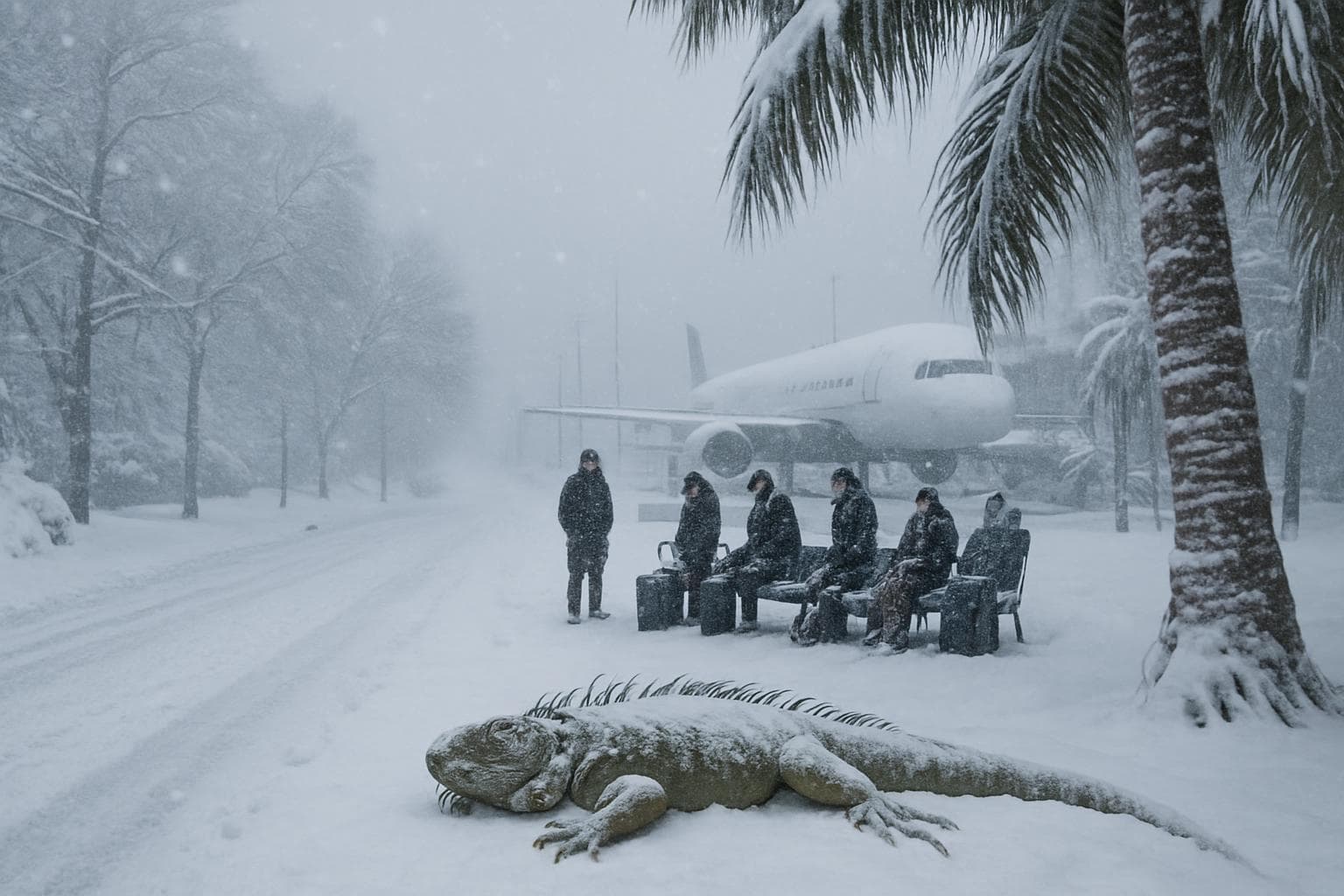
- Over 150 million people were under cold weather advisories, with record low temperatures in Florida causing iguanas to fall from trees.
- More than 2,800 flights were canceled on Saturday, with significant disruptions at Charlotte Douglas International Airport.
- North Carolina Governor Josh Stein warned of black ice risks, urging residents to stay home for safety.
A powerful bomb cyclone has swept across the eastern United States, bringing heavy snow and frigid temperatures from the Gulf Coast to New England. The storm, which began late Friday, has left parts of North Carolina buried under up to 15 inches of snow, with the National Weather Service describing it as a "historic storm."
North Carolina's Snowfall and Safety Concerns
In North Carolina, the storm's impact was particularly severe, with Charlotte experiencing nearly a foot of snow, marking one of the top five snow events in the city's history. Governor Josh Stein reported over 1,000 road collisions, resulting in two fatalities. He emphasized the dangers of black ice, urging residents to remain indoors: "For your own safety and for the safety of the people clearing the roads, please stay at home if you possibly can."
Widespread Cold Weather Alerts
The bomb cyclone triggered cold weather advisories for approximately 150 million people, with temperatures plummeting to record lows in Florida. Meteorologist Peter Mullinax noted that the cold air mass was the most severe in South Florida since December 1989. The cold snap caused iguanas to fall from trees, prompting the Florida Fish and Wildlife Conservation Commission to issue an executive order for their removal.
Travel Disruptions and Flight Cancellations
The storm also wreaked havoc on air travel, with over 2,800 flights canceled on Saturday and an additional 1,800 on Sunday. Charlotte Douglas International Airport was particularly affected, with more than 800 flights canceled. Travelers faced significant delays and disruptions as the storm continued to impact the region.
WHAT THIS MIGHT MEAN
As the bomb cyclone moves away, the eastern US is expected to face lingering effects, including icy roads and continued travel disruptions. The focus will likely shift to recovery efforts, with authorities working to clear roads and restore normalcy. In Florida, the cold-stunned iguanas highlight the broader ecological impacts of extreme weather events, raising questions about the state's preparedness for future climate-related challenges. Experts may call for enhanced infrastructure and emergency response measures to mitigate the effects of such severe weather in the future.
Related Articles
Historic Nor'easter Storm Paralyzes US North-East with Blizzard Warnings and Travel Bans

Google Faces Legal Battle Over AI Chatbot's Alleged Role in Tragic Death

China Sets Lowest GDP Growth Target in Decades Amid Economic Challenges
Cuba Faces Widespread Blackout Amid Deepening Fuel Crisis

UK Faces Dilemmas Amid Iran Conflict and China Spying Allegations

Iran Postpones Khamenei Funeral Amid Escalating US-Israeli Strikes
Bomb Cyclone Paralyzes Eastern US with Snow and Freezing Temperatures
In This Article
 Leila Hassan| Published
 HIGHLIGHTS
- A bomb cyclone brought heavy snow and freezing temperatures across the US, affecting areas from the Gulf Coast to New England.
- North Carolina experienced up to 15 inches of snow, with two fatalities reported due to storm-related incidents.
- Over 150 million people were under cold weather advisories, with record low temperatures in Florida causing iguanas to fall from trees.
- More than 2,800 flights were canceled on Saturday, with significant disruptions at Charlotte Douglas International Airport.
- North Carolina Governor Josh Stein warned of black ice risks, urging residents to stay home for safety.
A powerful bomb cyclone has swept across the eastern United States, bringing heavy snow and frigid temperatures from the Gulf Coast to New England. The storm, which began late Friday, has left parts of North Carolina buried under up to 15 inches of snow, with the National Weather Service describing it as a "historic storm."
North Carolina's Snowfall and Safety Concerns
In North Carolina, the storm's impact was particularly severe, with Charlotte experiencing nearly a foot of snow, marking one of the top five snow events in the city's history. Governor Josh Stein reported over 1,000 road collisions, resulting in two fatalities. He emphasized the dangers of black ice, urging residents to remain indoors: "For your own safety and for the safety of the people clearing the roads, please stay at home if you possibly can."
Widespread Cold Weather Alerts
The bomb cyclone triggered cold weather advisories for approximately 150 million people, with temperatures plummeting to record lows in Florida. Meteorologist Peter Mullinax noted that the cold air mass was the most severe in South Florida since December 1989. The cold snap caused iguanas to fall from trees, prompting the Florida Fish and Wildlife Conservation Commission to issue an executive order for their removal.
Travel Disruptions and Flight Cancellations
The storm also wreaked havoc on air travel, with over 2,800 flights canceled on Saturday and an additional 1,800 on Sunday. Charlotte Douglas International Airport was particularly affected, with more than 800 flights canceled. Travelers faced significant delays and disruptions as the storm continued to impact the region.
WHAT THIS MIGHT MEAN
As the bomb cyclone moves away, the eastern US is expected to face lingering effects, including icy roads and continued travel disruptions. The focus will likely shift to recovery efforts, with authorities working to clear roads and restore normalcy. In Florida, the cold-stunned iguanas highlight the broader ecological impacts of extreme weather events, raising questions about the state's preparedness for future climate-related challenges. Experts may call for enhanced infrastructure and emergency response measures to mitigate the effects of such severe weather in the future.
Related Articles
Historic Nor'easter Storm Paralyzes US North-East with Blizzard Warnings and Travel Bans
Google Faces Legal Battle Over AI Chatbot's Alleged Role in Tragic Death
China Sets Lowest GDP Growth Target in Decades Amid Economic Challenges
Cuba Faces Widespread Blackout Amid Deepening Fuel Crisis
UK Faces Dilemmas Amid Iran Conflict and China Spying Allegations
Iran Postpones Khamenei Funeral Amid Escalating US-Israeli Strikes