
US Winter Storm Causes Widespread Disruption and Fatalities
In This Article
HIGHLIGHTS
- A severe winter storm has caused at least 30 deaths across the US, affecting states from Texas to New England.
- Over 200 million people are under cold alerts, with temperatures expected to remain below normal into early February.
- The storm has led to widespread power outages, with more than 800,000 households affected, particularly in the southern states.
- Travel disruptions are significant, with over 19,000 flight delays and 5,900 cancellations reported on Monday.
- Another potential winter storm is forecasted to hit the eastern US by the weekend, bringing more cold and heavy precipitation.
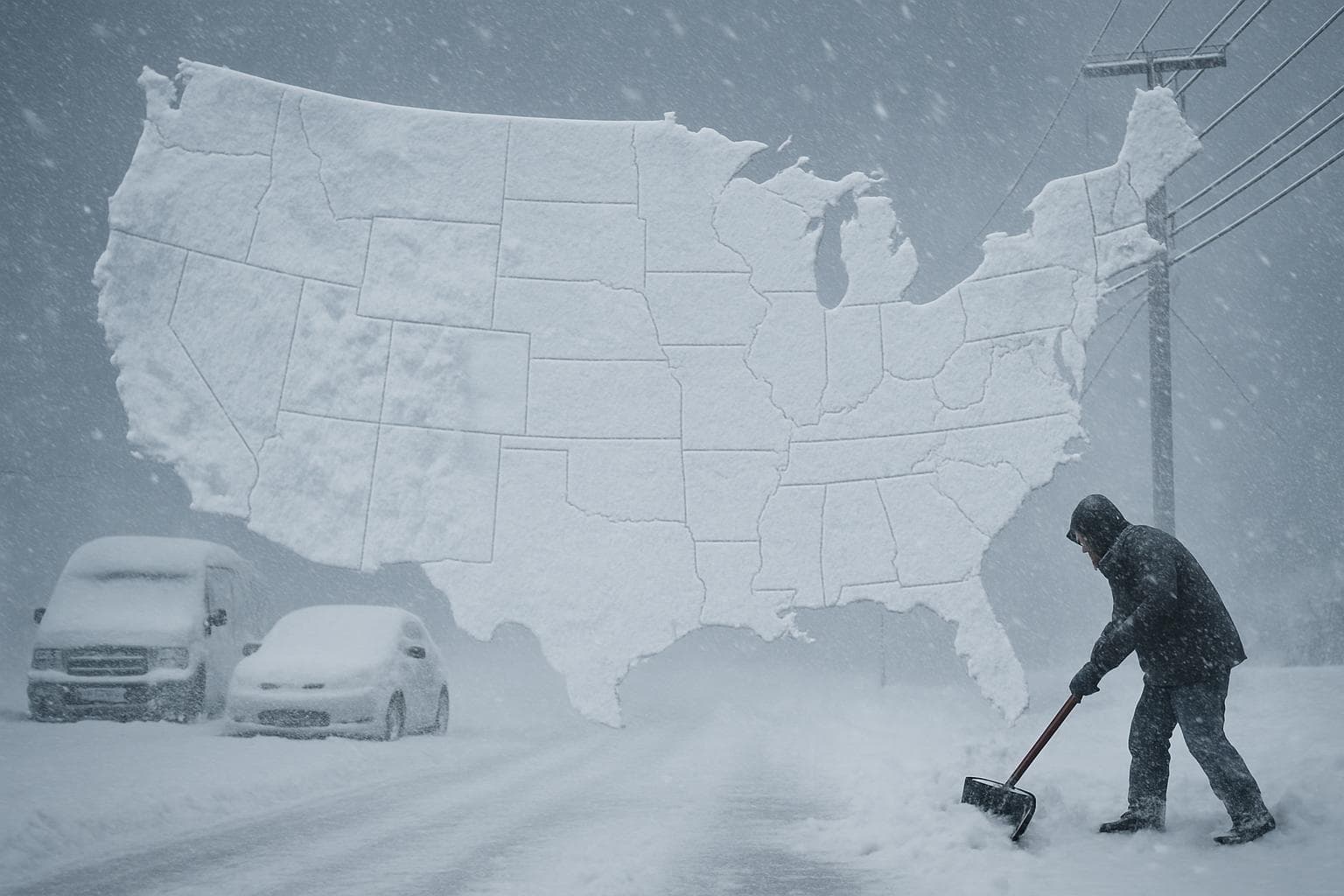
A powerful winter storm has swept across the United States, leaving a trail of destruction and at least 30 fatalities in its wake. The storm, which has affected a vast area from Texas to New England, has brought heavy snow, ice, and dangerously low temperatures, prompting the National Weather Service (NWS) to issue cold alerts for over 200 million people.
Severe Weather and Fatalities
The storm has been linked to numerous deaths across several states. In Texas, a tragic sledding accident claimed the life of a 16-year-old, while hypothermia has been a deadly factor in states like Louisiana and Kansas. New York City reported eight fatalities over the weekend, with temperatures plummeting into single digits. Massachusetts also witnessed a fatal accident involving a snow plow.
Power Outages and Travel Chaos
The extreme weather has caused widespread power outages, leaving more than 800,000 households without electricity. Tennessee, Mississippi, and Louisiana have been particularly hard hit, with extensive damage to power lines and infrastructure. In Mississippi, Governor Tate Reeves described the storm's impact as "extensive," with efforts underway to restore power and clear debris.
Travel has been severely disrupted, with over 19,000 flight delays and 5,900 cancellations reported on Monday alone. The Federal Aviation Administration is working to restore normal operations, but challenges remain due to ongoing weather conditions.
Future Weather Concerns
The NWS has warned that another significant winter storm could impact the eastern US by the weekend. This potential storm is expected to bring further cold temperatures and heavy precipitation, although its exact path remains uncertain. Residents are advised to stay informed and prepare for possible disruptions.
WHAT THIS MIGHT MEAN
As the US grapples with the aftermath of this severe winter storm, the focus will be on recovery and preparation for potential future weather events. The extensive power outages highlight the vulnerability of infrastructure in the face of extreme weather, prompting discussions on improving resilience. Additionally, the travel disruptions underscore the need for better contingency planning in the aviation sector.
Looking ahead, the potential for another storm raises concerns about prolonged cold and further disruptions. Experts emphasize the importance of staying informed through reliable sources like the National Weather Service and adhering to safety advisories. The situation also serves as a reminder of the broader impacts of climate change, with extreme weather events becoming more frequent and severe.
Related Articles
Historic Nor'easter Storm Paralyzes US North-East with Blizzard Warnings and Travel Bans

China Sets Lowest GDP Growth Target in Decades Amid Economic Challenges
Cuba Faces Widespread Blackout Amid Deepening Fuel Crisis

UK Faces Dilemmas Amid Iran Conflict and China Spying Allegations

Google Faces Legal Battle Over AI Chatbot's Alleged Role in Tragic Death

Iran Postpones Khamenei Funeral Amid Escalating US-Israeli Strikes
US Winter Storm Causes Widespread Disruption and Fatalities
In This Article
 Leila Hassan| Published
 HIGHLIGHTS
- A severe winter storm has caused at least 30 deaths across the US, affecting states from Texas to New England.
- Over 200 million people are under cold alerts, with temperatures expected to remain below normal into early February.
- The storm has led to widespread power outages, with more than 800,000 households affected, particularly in the southern states.
- Travel disruptions are significant, with over 19,000 flight delays and 5,900 cancellations reported on Monday.
- Another potential winter storm is forecasted to hit the eastern US by the weekend, bringing more cold and heavy precipitation.
A powerful winter storm has swept across the United States, leaving a trail of destruction and at least 30 fatalities in its wake. The storm, which has affected a vast area from Texas to New England, has brought heavy snow, ice, and dangerously low temperatures, prompting the National Weather Service (NWS) to issue cold alerts for over 200 million people.
Severe Weather and Fatalities
The storm has been linked to numerous deaths across several states. In Texas, a tragic sledding accident claimed the life of a 16-year-old, while hypothermia has been a deadly factor in states like Louisiana and Kansas. New York City reported eight fatalities over the weekend, with temperatures plummeting into single digits. Massachusetts also witnessed a fatal accident involving a snow plow.
Power Outages and Travel Chaos
The extreme weather has caused widespread power outages, leaving more than 800,000 households without electricity. Tennessee, Mississippi, and Louisiana have been particularly hard hit, with extensive damage to power lines and infrastructure. In Mississippi, Governor Tate Reeves described the storm's impact as "extensive," with efforts underway to restore power and clear debris.
Travel has been severely disrupted, with over 19,000 flight delays and 5,900 cancellations reported on Monday alone. The Federal Aviation Administration is working to restore normal operations, but challenges remain due to ongoing weather conditions.
Future Weather Concerns
The NWS has warned that another significant winter storm could impact the eastern US by the weekend. This potential storm is expected to bring further cold temperatures and heavy precipitation, although its exact path remains uncertain. Residents are advised to stay informed and prepare for possible disruptions.
WHAT THIS MIGHT MEAN
As the US grapples with the aftermath of this severe winter storm, the focus will be on recovery and preparation for potential future weather events. The extensive power outages highlight the vulnerability of infrastructure in the face of extreme weather, prompting discussions on improving resilience. Additionally, the travel disruptions underscore the need for better contingency planning in the aviation sector.
Looking ahead, the potential for another storm raises concerns about prolonged cold and further disruptions. Experts emphasize the importance of staying informed through reliable sources like the National Weather Service and adhering to safety advisories. The situation also serves as a reminder of the broader impacts of climate change, with extreme weather events becoming more frequent and severe.
Related Articles
Historic Nor'easter Storm Paralyzes US North-East with Blizzard Warnings and Travel Bans
China Sets Lowest GDP Growth Target in Decades Amid Economic Challenges
Cuba Faces Widespread Blackout Amid Deepening Fuel Crisis
UK Faces Dilemmas Amid Iran Conflict and China Spying Allegations
Google Faces Legal Battle Over AI Chatbot's Alleged Role in Tragic Death
Iran Postpones Khamenei Funeral Amid Escalating US-Israeli Strikes