
New Zealand Wildlife Park Faces Uncertain Future Amid Lion Euthanasia
In This Article
HIGHLIGHTS
- Kamo Wildlife Sanctuary in New Zealand euthanized two elderly lions due to financial struggles and health issues.
- The sanctuary, located in Whangārei, is up for sale, with the fate of five remaining lions uncertain.
- Sanctuary operator Janette Vallance cited age and complex needs as reasons against relocating the lions.
- Public backlash followed the euthanasia decision, with some expressing interest in buying the sanctuary to save the lions.
- New Zealand's Ministry for Primary Industries confirmed the euthanasia decision was the owner's responsibility.
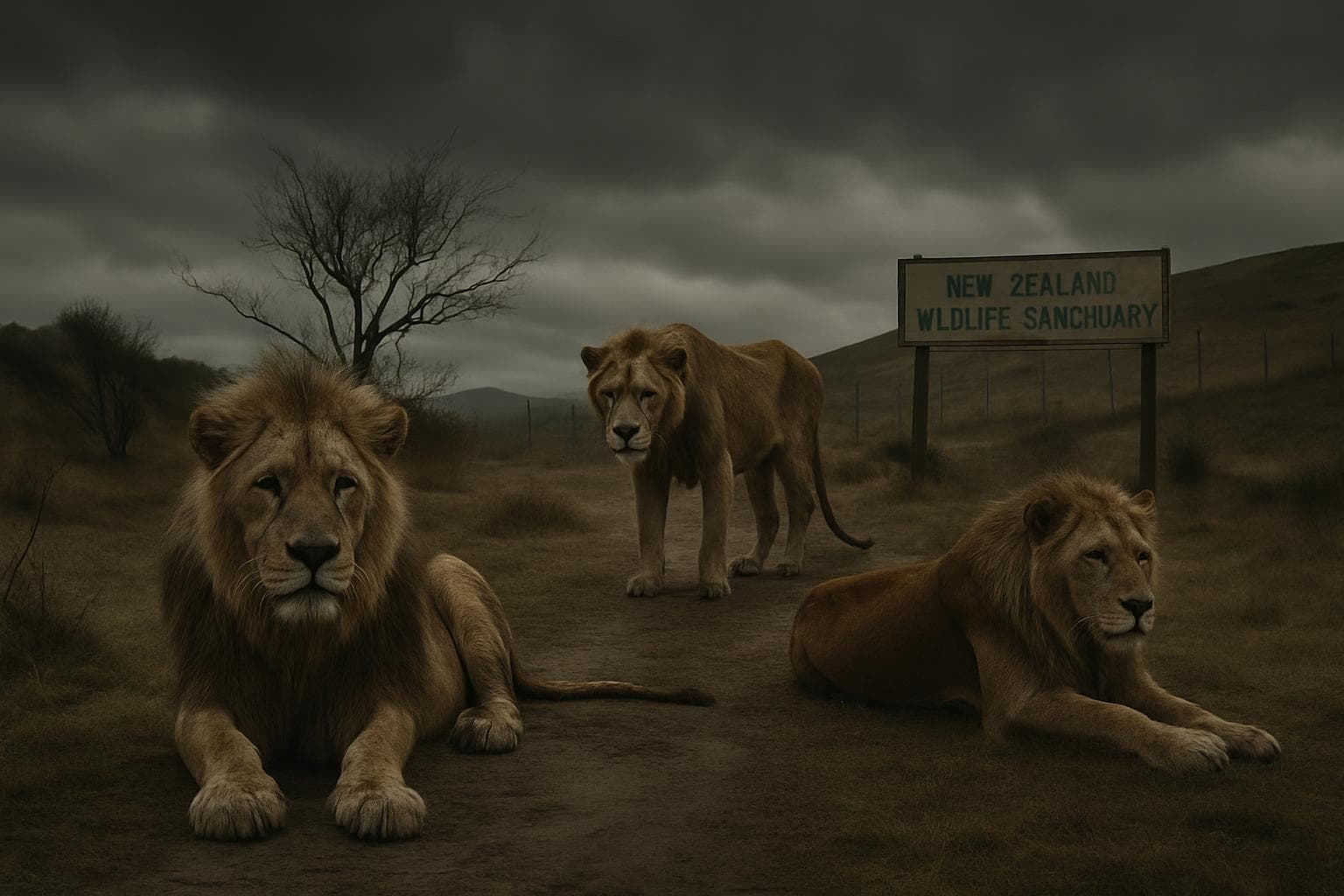
The Kamo Wildlife Sanctuary in Whangārei, New Zealand, has euthanized two of its elderly lions, Imvula and Sibili, as the park grapples with financial difficulties. The privately owned sanctuary, which has been up for sale since August, faces an uncertain future for its remaining five lions.
Financial Struggles and Health Concerns
The decision to euthanize the lions was announced by the sanctuary's operator, Janette Vallance, who explained that the animals suffered from untreatable health conditions. The sanctuary, owned by Bolton Equities, closed its doors recently, citing financial constraints as a major factor. Vallance noted that while the park could potentially continue under new ownership, significant capital investment would be required.
Public Reaction and Potential Solutions
The announcement sparked public outcry, with many pleading for the remaining lions to be relocated rather than euthanized. Vallance acknowledged the backlash but emphasized that relocation was not a viable option due to the lions' advanced age and complex needs. Despite the challenges, she mentioned a "glimmer of hope" as some individuals have shown interest in purchasing the sanctuary to continue caring for the lions.
Historical Context and Legal Oversight
The sanctuary, once known for its association with celebrity big cat handler Craig Busch, has faced numerous challenges over the years. In 2009, the park made headlines when a white tiger killed a handler. The Ministry for Primary Industries (MPI) has been informed of the euthanasia plan, with Deputy Director General Stuart Anderson confirming that the process must adhere to animal welfare laws.
WHAT THIS MIGHT MEAN
The future of Kamo Wildlife Sanctuary remains uncertain as potential buyers consider the financial and logistical challenges of maintaining the facility. If a buyer emerges, significant investment will be necessary to ensure the welfare of the remaining lions. Alternatively, if no buyer is found, the sanctuary may face further difficult decisions regarding the animals' fate. The situation highlights broader issues of financial sustainability and animal welfare in privately owned wildlife parks.
Related Articles
New Zealand Transitions from Rescue to Recovery After Devastating Landslide
Tragedy in New Zealand: Landslides Claim Lives and Leave Several Missing

Dignitas Founder Ludwig Minelli Dies by Assisted Suicide at 92
Two Climbers Perish in Tragic Fall on New Zealand's Aoraki Mount Cook
Christchurch Shooter Seeks to Overturn Guilty Plea Amid Claims of Harsh Prison Conditions
Record Rainfall Triggers Deadly Landslides in New Zealand's Bay of Plenty
New Zealand Wildlife Park Faces Uncertain Future Amid Lion Euthanasia
In This Article
 Ethan Brooks| Published
 HIGHLIGHTS
- Kamo Wildlife Sanctuary in New Zealand euthanized two elderly lions due to financial struggles and health issues.
- The sanctuary, located in Whangārei, is up for sale, with the fate of five remaining lions uncertain.
- Sanctuary operator Janette Vallance cited age and complex needs as reasons against relocating the lions.
- Public backlash followed the euthanasia decision, with some expressing interest in buying the sanctuary to save the lions.
- New Zealand's Ministry for Primary Industries confirmed the euthanasia decision was the owner's responsibility.
The Kamo Wildlife Sanctuary in Whangārei, New Zealand, has euthanized two of its elderly lions, Imvula and Sibili, as the park grapples with financial difficulties. The privately owned sanctuary, which has been up for sale since August, faces an uncertain future for its remaining five lions.
Financial Struggles and Health Concerns
The decision to euthanize the lions was announced by the sanctuary's operator, Janette Vallance, who explained that the animals suffered from untreatable health conditions. The sanctuary, owned by Bolton Equities, closed its doors recently, citing financial constraints as a major factor. Vallance noted that while the park could potentially continue under new ownership, significant capital investment would be required.
Public Reaction and Potential Solutions
The announcement sparked public outcry, with many pleading for the remaining lions to be relocated rather than euthanized. Vallance acknowledged the backlash but emphasized that relocation was not a viable option due to the lions' advanced age and complex needs. Despite the challenges, she mentioned a "glimmer of hope" as some individuals have shown interest in purchasing the sanctuary to continue caring for the lions.
Historical Context and Legal Oversight
The sanctuary, once known for its association with celebrity big cat handler Craig Busch, has faced numerous challenges over the years. In 2009, the park made headlines when a white tiger killed a handler. The Ministry for Primary Industries (MPI) has been informed of the euthanasia plan, with Deputy Director General Stuart Anderson confirming that the process must adhere to animal welfare laws.
WHAT THIS MIGHT MEAN
The future of Kamo Wildlife Sanctuary remains uncertain as potential buyers consider the financial and logistical challenges of maintaining the facility. If a buyer emerges, significant investment will be necessary to ensure the welfare of the remaining lions. Alternatively, if no buyer is found, the sanctuary may face further difficult decisions regarding the animals' fate. The situation highlights broader issues of financial sustainability and animal welfare in privately owned wildlife parks.
Related Articles
New Zealand Transitions from Rescue to Recovery After Devastating Landslide
Tragedy in New Zealand: Landslides Claim Lives and Leave Several Missing
Dignitas Founder Ludwig Minelli Dies by Assisted Suicide at 92
Two Climbers Perish in Tragic Fall on New Zealand's Aoraki Mount Cook
Christchurch Shooter Seeks to Overturn Guilty Plea Amid Claims of Harsh Prison Conditions
Record Rainfall Triggers Deadly Landslides in New Zealand's Bay of Plenty