
Two Climbers Perish in Tragic Fall on New Zealand's Aoraki Mount Cook
In This Article
HIGHLIGHTS
- Two climbers died after falling from Aoraki Mount Cook, New Zealand's highest peak, while two others were rescued uninjured.
- The deceased climbers were found still connected by their climbing harness, highlighting the challenging conditions on the mountain.
- Aoraki Mount Cook is notorious for its difficult terrain and unpredictable weather, contributing to over 240 recorded deaths since the early 20th century.
- The identities of the climbers have not been publicly disclosed, but one was reportedly a well-known international mountain guide.
- Authorities face difficulties in recovering the bodies due to the harsh alpine environment.
In a tragic incident on New Zealand's highest peak, Aoraki Mount Cook, two climbers have died after a fall, while two others from the same group were rescued uninjured. The climbers were attempting to reach the summit of the 3,724-meter mountain, known for its treacherous terrain and unpredictable weather conditions.
Rescue Efforts and Recovery Challenges
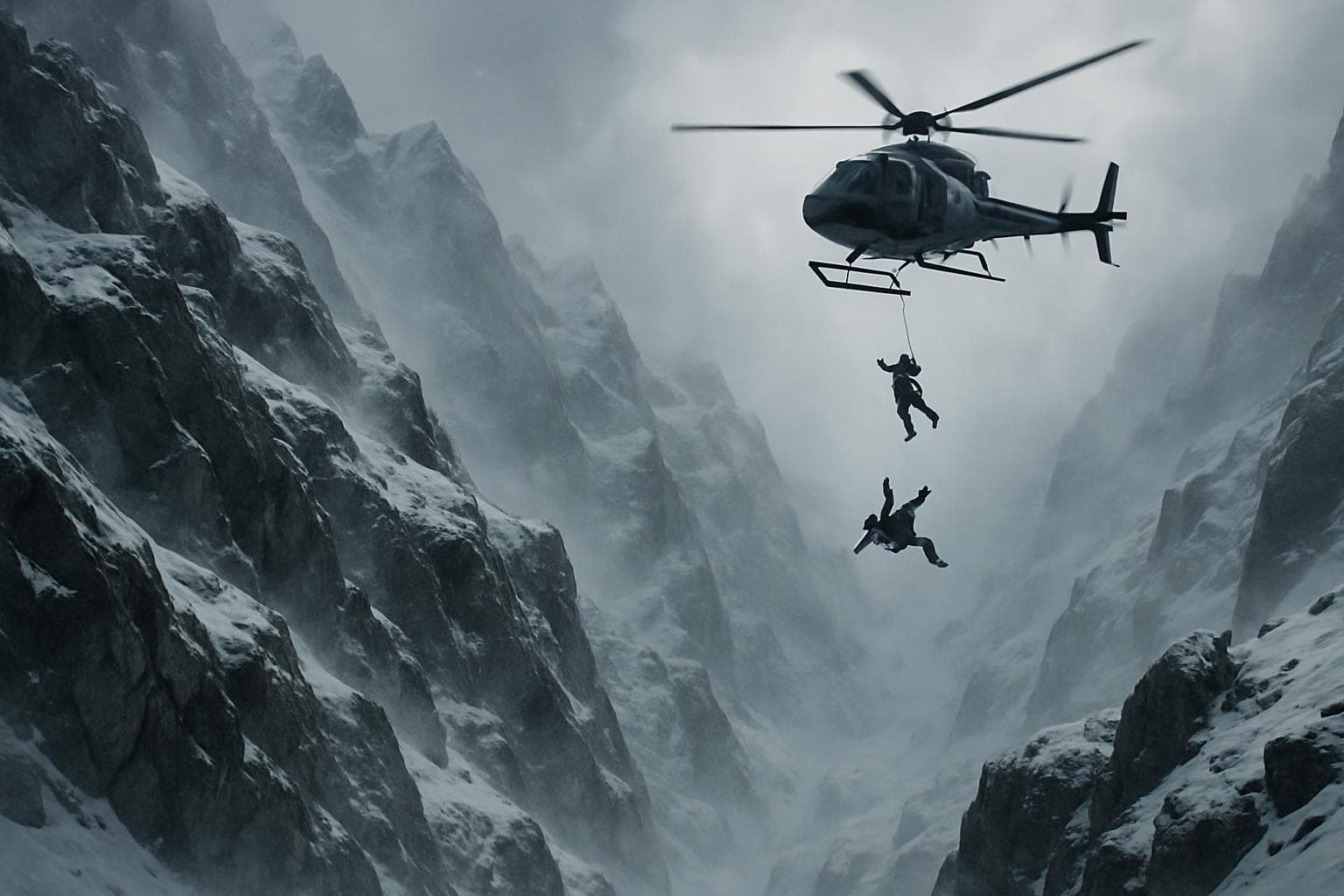
The group of four climbers contacted emergency services late on Monday night, prompting a rescue operation. By early Tuesday morning, two climbers were safely airlifted by helicopter, while the bodies of the deceased were discovered hours later, still connected by their climbing harness. Authorities, including police area commander Inspector Vicki Walker, have acknowledged the difficulties in recovering the bodies due to the challenging alpine environment.
Aoraki Mount Cook: A History of Danger
Aoraki Mount Cook, part of the Southern Alps on New Zealand's South Island, is a popular destination for experienced climbers. However, its technical difficulties, including large crevasses and the risk of avalanches, have led to over 240 recorded deaths since the early 20th century. The mountain's allure is tempered by its dangers, as evidenced by the disappearance of three climbers from the US and Canada nearly a year ago, whose bodies were never found.
Unidentified Victims and Community Impact
While the identities of the deceased climbers have not been publicly released, New Zealand media outlet Stuff reported that one was a well-known international mountain guide. The climbing community is once again reminded of the inherent risks associated with mountaineering in such perilous environments.
WHAT THIS MIGHT MEAN
The tragic deaths on Aoraki Mount Cook underscore the persistent risks faced by climbers on this formidable peak. As authorities work to recover the bodies, the incident may prompt a renewed focus on climbing safety and regulations in New Zealand. The climbing community, both locally and internationally, may call for enhanced safety measures and better preparation for those attempting such challenging ascents. Additionally, the incident could impact New Zealand's tourism industry, as potential climbers weigh the allure of adventure against the mountain's well-documented dangers.
Related Articles
New Zealand Transitions from Rescue to Recovery After Devastating Landslide
Tragedy in New Zealand: Landslides Claim Lives and Leave Several Missing

Dignitas Founder Ludwig Minelli Dies by Assisted Suicide at 92
Christchurch Shooter Seeks to Overturn Guilty Plea Amid Claims of Harsh Prison Conditions
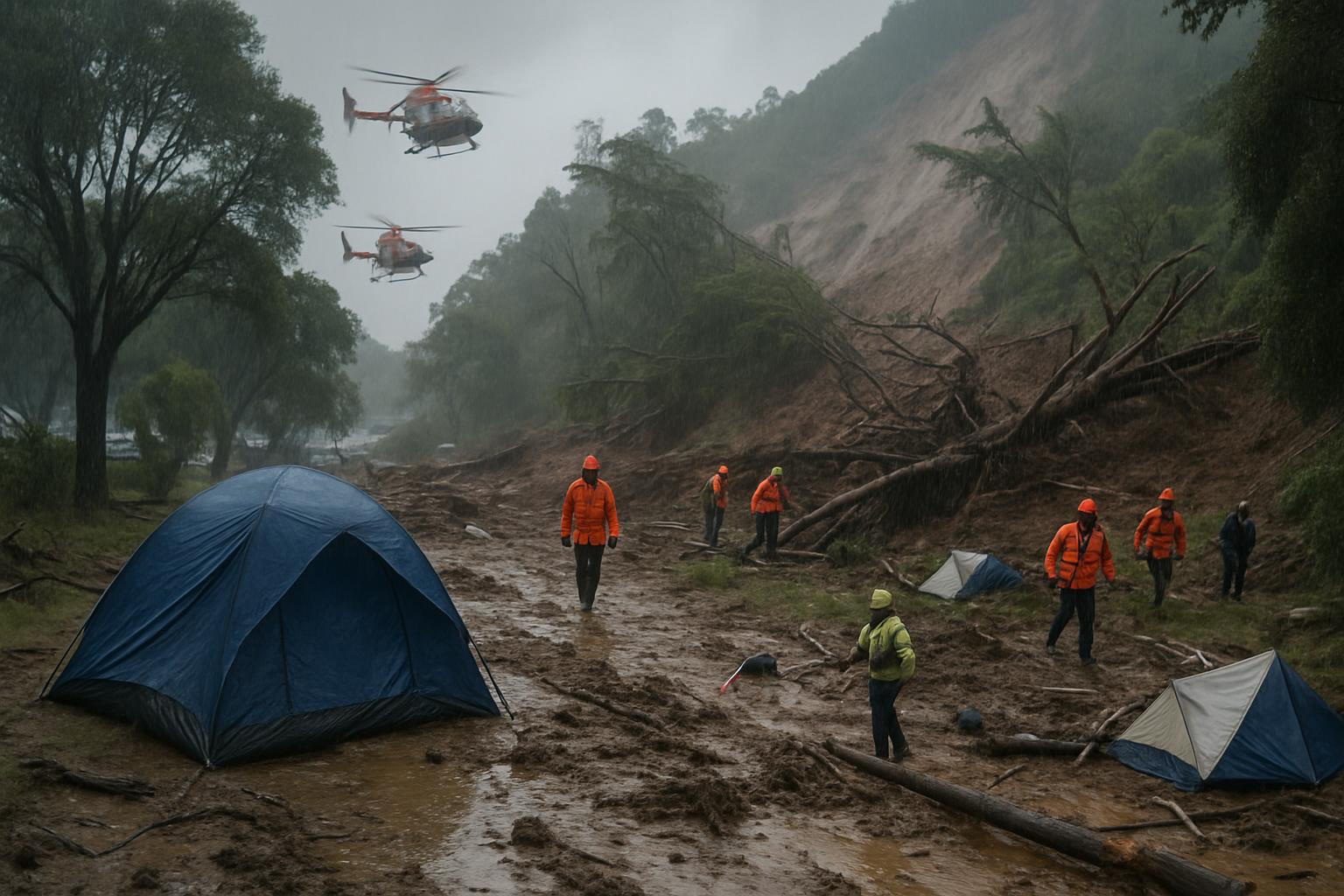
Record Rainfall Triggers Deadly Landslides in New Zealand's Bay of Plenty

Peter Arnett: Celebrated War Correspondent and Pulitzer Winner Dies at 91
Two Climbers Perish in Tragic Fall on New Zealand's Aoraki Mount Cook
In This Article
 Ethan Brooks| Published
 HIGHLIGHTS
- Two climbers died after falling from Aoraki Mount Cook, New Zealand's highest peak, while two others were rescued uninjured.
- The deceased climbers were found still connected by their climbing harness, highlighting the challenging conditions on the mountain.
- Aoraki Mount Cook is notorious for its difficult terrain and unpredictable weather, contributing to over 240 recorded deaths since the early 20th century.
- The identities of the climbers have not been publicly disclosed, but one was reportedly a well-known international mountain guide.
- Authorities face difficulties in recovering the bodies due to the harsh alpine environment.
In a tragic incident on New Zealand's highest peak, Aoraki Mount Cook, two climbers have died after a fall, while two others from the same group were rescued uninjured. The climbers were attempting to reach the summit of the 3,724-meter mountain, known for its treacherous terrain and unpredictable weather conditions.
Rescue Efforts and Recovery Challenges
The group of four climbers contacted emergency services late on Monday night, prompting a rescue operation. By early Tuesday morning, two climbers were safely airlifted by helicopter, while the bodies of the deceased were discovered hours later, still connected by their climbing harness. Authorities, including police area commander Inspector Vicki Walker, have acknowledged the difficulties in recovering the bodies due to the challenging alpine environment.
Aoraki Mount Cook: A History of Danger
Aoraki Mount Cook, part of the Southern Alps on New Zealand's South Island, is a popular destination for experienced climbers. However, its technical difficulties, including large crevasses and the risk of avalanches, have led to over 240 recorded deaths since the early 20th century. The mountain's allure is tempered by its dangers, as evidenced by the disappearance of three climbers from the US and Canada nearly a year ago, whose bodies were never found.
Unidentified Victims and Community Impact
While the identities of the deceased climbers have not been publicly released, New Zealand media outlet Stuff reported that one was a well-known international mountain guide. The climbing community is once again reminded of the inherent risks associated with mountaineering in such perilous environments.
WHAT THIS MIGHT MEAN
The tragic deaths on Aoraki Mount Cook underscore the persistent risks faced by climbers on this formidable peak. As authorities work to recover the bodies, the incident may prompt a renewed focus on climbing safety and regulations in New Zealand. The climbing community, both locally and internationally, may call for enhanced safety measures and better preparation for those attempting such challenging ascents. Additionally, the incident could impact New Zealand's tourism industry, as potential climbers weigh the allure of adventure against the mountain's well-documented dangers.
Related Articles
New Zealand Transitions from Rescue to Recovery After Devastating Landslide
Tragedy in New Zealand: Landslides Claim Lives and Leave Several Missing
Dignitas Founder Ludwig Minelli Dies by Assisted Suicide at 92
Christchurch Shooter Seeks to Overturn Guilty Plea Amid Claims of Harsh Prison Conditions
Record Rainfall Triggers Deadly Landslides in New Zealand's Bay of Plenty
Peter Arnett: Celebrated War Correspondent and Pulitzer Winner Dies at 91