
NHS Criticized for Ignoring Parental Concerns in Tragic Death of Five-Year-Old Yusuf Nazir
In This Article
HIGHLIGHTS
- A report into the death of five-year-old Yusuf Nazir highlights NHS failings to heed parental concerns, particularly his mother's intuition.
- Yusuf died of pneumonia and sepsis after being discharged from Rotherham Hospital, despite his family's repeated warnings.
- The report recommends treating parental intuition as a vital form of evidence in pediatric care, urging systemic changes.
- Yusuf's family demands accountability and change, citing 13 missed opportunities to escalate his care.
- The case has prompted calls for national guidance and initiatives like Martha's rule to ensure parents' concerns are addressed.
A damning report into the death of five-year-old Yusuf Nazir has exposed significant failings within the NHS, particularly the disregard for parental intuition in healthcare settings. Yusuf, who suffered from asthma, died of pneumonia and sepsis on November 23, 2022, at Sheffield Children's Hospital, days after being discharged from Rotherham Hospital despite his family's repeated concerns.
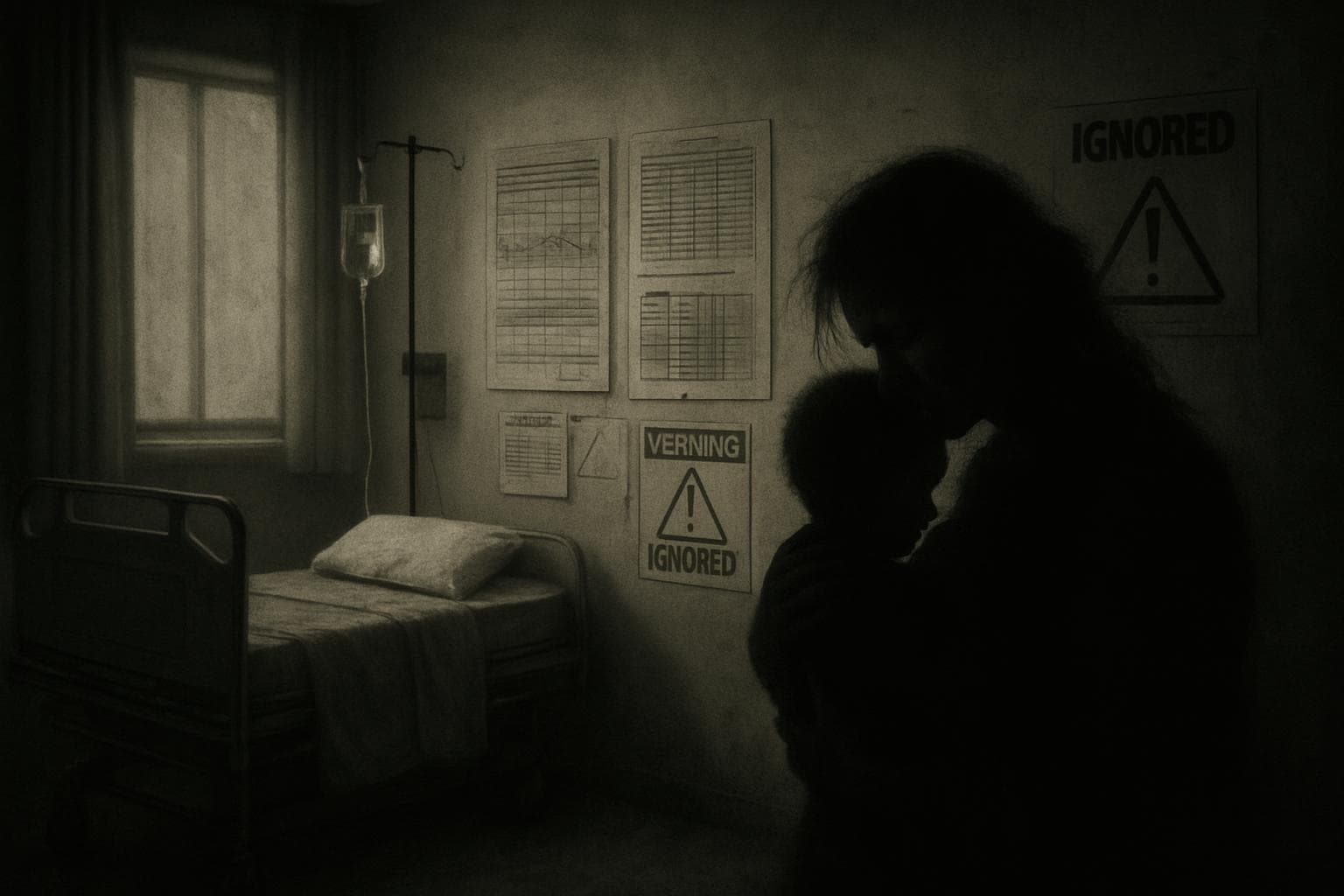
The independent report, commissioned by NHS England and led by Dr. Peter Carter, a former general secretary of the Royal College of Nursing, found that Yusuf's mother's instinct that her son was gravely ill was consistently ignored. The report criticizes the healthcare system's over-reliance on clinical metrics, which can provide false reassurance, and calls for parental intuition to be treated as a legitimate form of evidence in pediatric care.
Systemic Failures and Recommendations
Yusuf's tragic case has highlighted systemic issues within the NHS, with the report identifying 12 failings, including poor communication among healthcare professionals and inadequate record-keeping. The report makes 16 recommendations for local and national healthcare bodies, emphasizing the need for systemic change to prevent similar tragedies.
The case has also sparked discussions about implementing national guidance to ensure parents' concerns are taken seriously. A patient safety initiative known as Martha's rule, named after 13-year-old Martha Mills, who died from preventable sepsis, is being piloted in hospitals across England. This initiative would grant parents the legal right to an urgent second opinion if they feel their child's condition is deteriorating.
A Mother's Heartbreaking Testimony
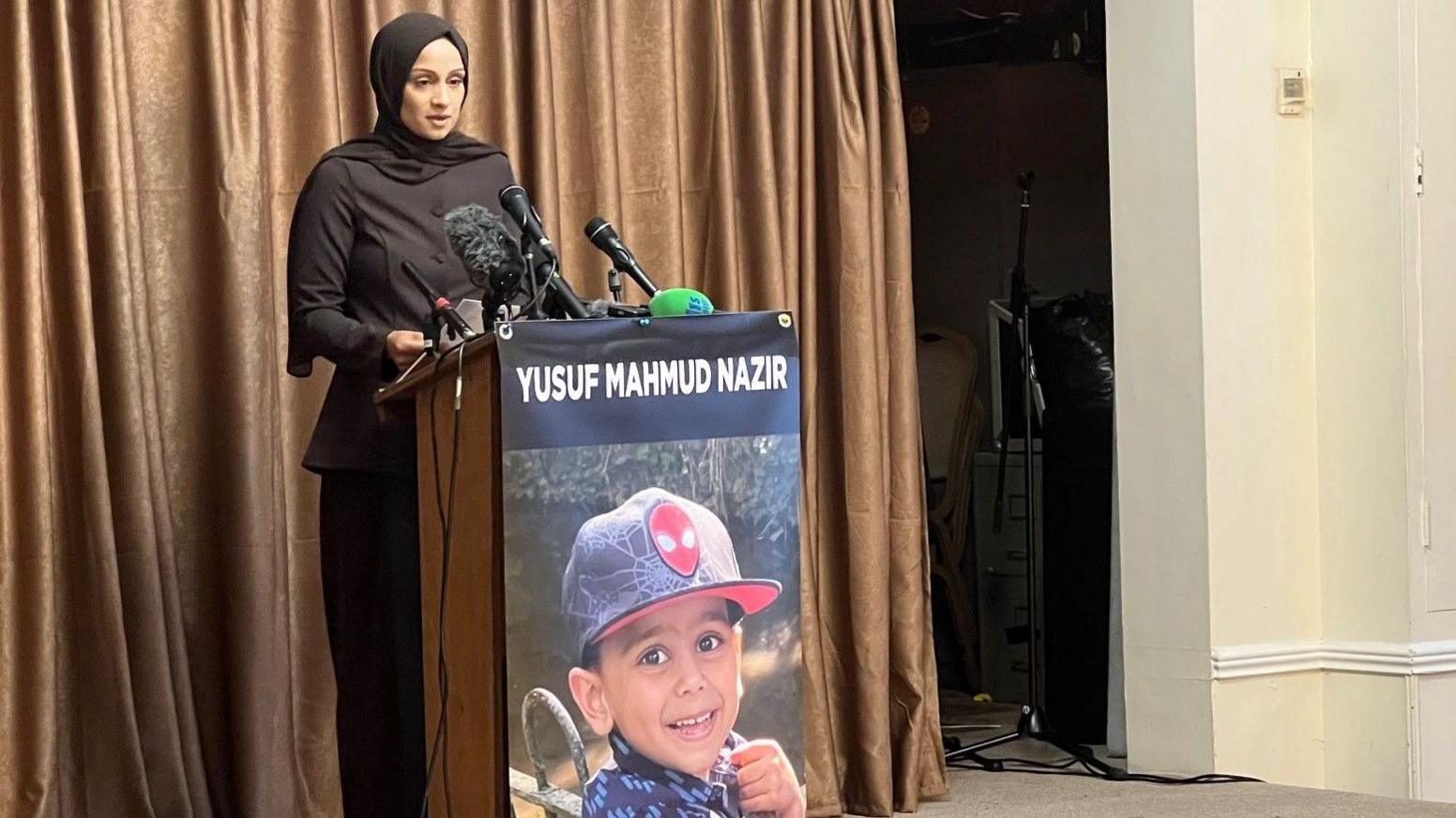
Yusuf's mother, Soniya Ahmed, has been vocal about the failings in her son's care, describing them as "truly shocking." She recalls the haunting memory of her son's voice pleading, "Mummy, I can't breathe," and the devastating moment he was handed back to her after his death. "Yusuf deserved better; every child does," she stated, vowing to continue fighting for accountability and change.
The report underscores the need for healthcare providers to bridge the gap between clinical assessments and parental concerns, recognizing that a child's condition may not always align with clinical data.
WHAT THIS MIGHT MEAN
The findings of the Yusuf Nazir case could lead to significant changes in how the NHS handles parental concerns, particularly in pediatric care. If the recommendations are implemented, healthcare providers may begin to integrate parental intuition into their assessments, potentially preventing future tragedies.
The introduction of Martha's rule could empower parents, ensuring their voices are heard and acted upon in critical situations. However, the success of such initiatives will depend on systemic changes within the NHS and the willingness of healthcare professionals to adapt to new guidelines.
As Yusuf's family continues to demand accountability, the case may also prompt broader discussions about healthcare accountability and the importance of listening to patients and their families.
Images from the Web


Related Articles

Persistent Safety Concerns in Nottingham Maternity Services Amidst Calls for Systemic Reform

Birmingham's Proactive Approach to Measles Outbreak Offers Lessons for North London

NHS Faces Joint Surgery Delays Amid Bone Cement Shortage

Supreme Court Ruling Expands Compensation for Children Injured at Birth

UK Government to Reform Asylum Seeker Support and Employment Policies

Saharan Dust to Illuminate UK Skies with Vivid Sunrises and Sunsets
NHS Criticized for Ignoring Parental Concerns in Tragic Death of Five-Year-Old Yusuf Nazir
In This Article
 Maya Singh| Published
 HIGHLIGHTS
- A report into the death of five-year-old Yusuf Nazir highlights NHS failings to heed parental concerns, particularly his mother's intuition.
- Yusuf died of pneumonia and sepsis after being discharged from Rotherham Hospital, despite his family's repeated warnings.
- The report recommends treating parental intuition as a vital form of evidence in pediatric care, urging systemic changes.
- Yusuf's family demands accountability and change, citing 13 missed opportunities to escalate his care.
- The case has prompted calls for national guidance and initiatives like Martha's rule to ensure parents' concerns are addressed.
A damning report into the death of five-year-old Yusuf Nazir has exposed significant failings within the NHS, particularly the disregard for parental intuition in healthcare settings. Yusuf, who suffered from asthma, died of pneumonia and sepsis on November 23, 2022, at Sheffield Children's Hospital, days after being discharged from Rotherham Hospital despite his family's repeated concerns.
The independent report, commissioned by NHS England and led by Dr. Peter Carter, a former general secretary of the Royal College of Nursing, found that Yusuf's mother's instinct that her son was gravely ill was consistently ignored. The report criticizes the healthcare system's over-reliance on clinical metrics, which can provide false reassurance, and calls for parental intuition to be treated as a legitimate form of evidence in pediatric care.
Systemic Failures and Recommendations
Yusuf's tragic case has highlighted systemic issues within the NHS, with the report identifying 12 failings, including poor communication among healthcare professionals and inadequate record-keeping. The report makes 16 recommendations for local and national healthcare bodies, emphasizing the need for systemic change to prevent similar tragedies.
The case has also sparked discussions about implementing national guidance to ensure parents' concerns are taken seriously. A patient safety initiative known as Martha's rule, named after 13-year-old Martha Mills, who died from preventable sepsis, is being piloted in hospitals across England. This initiative would grant parents the legal right to an urgent second opinion if they feel their child's condition is deteriorating.
A Mother's Heartbreaking Testimony
Yusuf's mother, Soniya Ahmed, has been vocal about the failings in her son's care, describing them as "truly shocking." She recalls the haunting memory of her son's voice pleading, "Mummy, I can't breathe," and the devastating moment he was handed back to her after his death. "Yusuf deserved better; every child does," she stated, vowing to continue fighting for accountability and change.
The report underscores the need for healthcare providers to bridge the gap between clinical assessments and parental concerns, recognizing that a child's condition may not always align with clinical data.
WHAT THIS MIGHT MEAN
The findings of the Yusuf Nazir case could lead to significant changes in how the NHS handles parental concerns, particularly in pediatric care. If the recommendations are implemented, healthcare providers may begin to integrate parental intuition into their assessments, potentially preventing future tragedies.
The introduction of Martha's rule could empower parents, ensuring their voices are heard and acted upon in critical situations. However, the success of such initiatives will depend on systemic changes within the NHS and the willingness of healthcare professionals to adapt to new guidelines.
As Yusuf's family continues to demand accountability, the case may also prompt broader discussions about healthcare accountability and the importance of listening to patients and their families.
Images from the Web
Related Articles
Persistent Safety Concerns in Nottingham Maternity Services Amidst Calls for Systemic Reform
Birmingham's Proactive Approach to Measles Outbreak Offers Lessons for North London
NHS Faces Joint Surgery Delays Amid Bone Cement Shortage
Supreme Court Ruling Expands Compensation for Children Injured at Birth
UK Government to Reform Asylum Seeker Support and Employment Policies
Saharan Dust to Illuminate UK Skies with Vivid Sunrises and Sunsets