
Nigel Farage Denies School Racism Allegations Amid Political Scrutiny
In This Article
HIGHLIGHTS
- Nigel Farage denies allegations of racism and antisemitism during his school years at Dulwich College, stating he never "directly racially abused anybody."
- Around 20 former schoolmates have accused Farage of making offensive remarks, including antisemitic comments, which he and his spokespersons categorically deny.
- Farage's responses to the allegations have varied, with some statements acknowledging past remarks that could be interpreted differently today.
- Calls have been made for Farage to address past comments made on US media platforms that echoed antisemitic conspiracy theories.
- The controversy arises amid Farage's continued political involvement as leader of Reform UK, with implications for his public image and political aspirations.
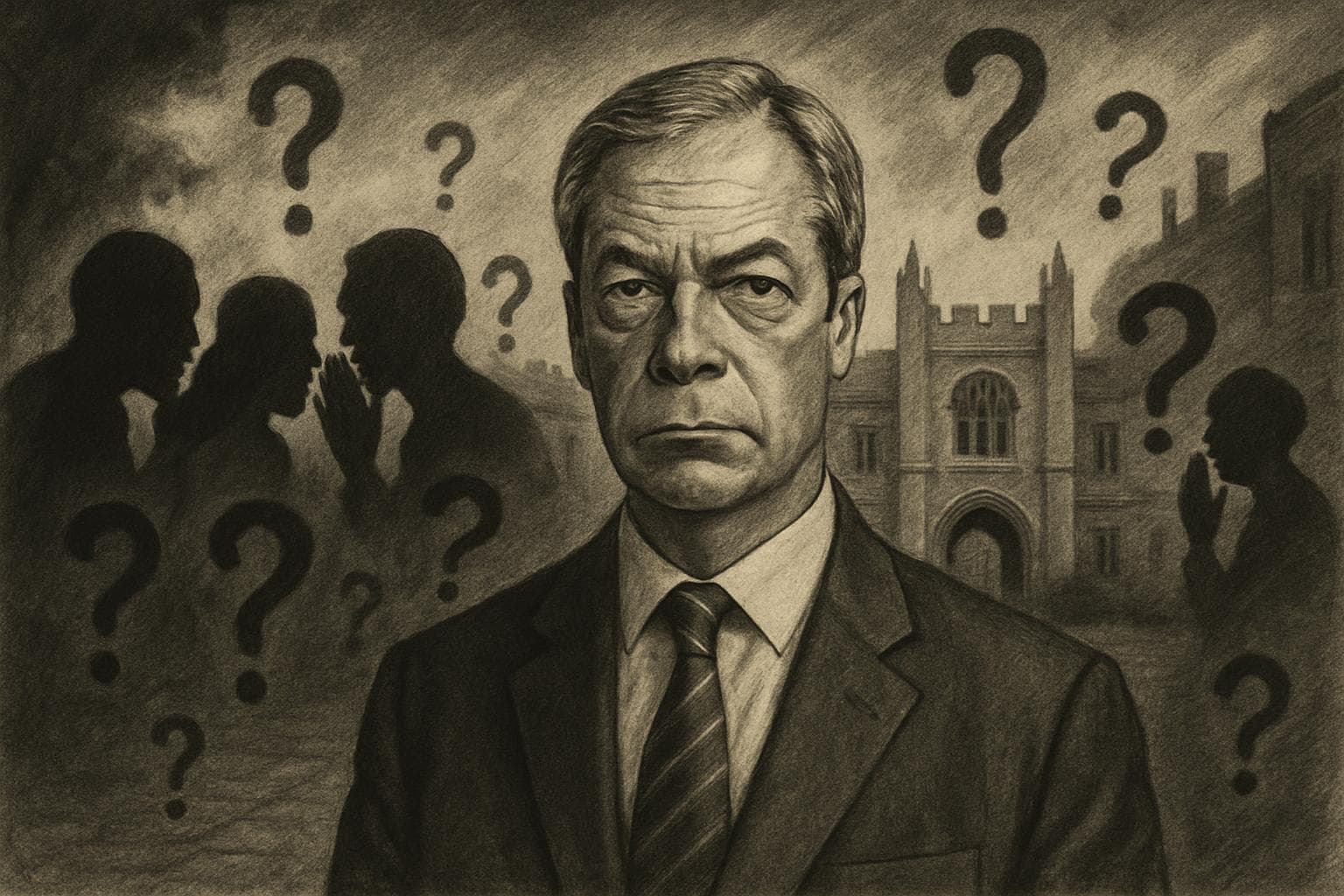
Nigel Farage, the leader of Reform UK, has firmly denied allegations of racism and antisemitism stemming from his time at Dulwich College, a prestigious London school. The accusations, brought forward by approximately 20 former schoolmates, claim that Farage engaged in offensive behavior, including making antisemitic remarks and targeting minority ethnic students.
Allegations and Denials
The allegations, detailed in a Guardian investigation, include claims that Farage, now 61, made comments such as "Hitler was right" and sang racist songs during his teenage years. Farage, however, insists he never "directly racially abused anybody," emphasizing that any past remarks were not intended to be hurtful. His spokespersons have categorically denied the accusations, describing them as "wholly untrue."
Farage's Response
In a recent interview, Farage addressed the claims, stating, "Have I said things 50 years ago that you could interpret as being banter in a playground? Yes." He further clarified, "I would never, ever do it in a hurtful or insulting way." Farage also dismissed the need for an internal investigation into his party following the unrelated jailing of former Welsh Reform UK leader Nathan Gill for corruption.
Political Implications
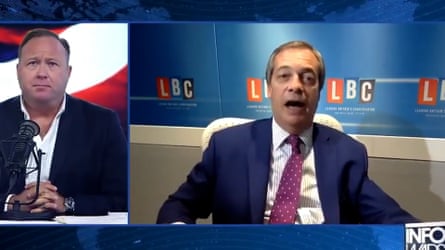
The controversy has reignited scrutiny over Farage's political career, particularly his past appearances on US media platforms where he discussed conspiracy theories linked to antisemitism. Critics, including Liberal Democrat MP Christine Jardine, have urged Farage to clarify his stance on these issues, given his aspirations for higher political office.
Historical Context
Farage's school years coincided with a politically charged era in the UK, marked by the rise of Thatcherism and social unrest. He has previously acknowledged making provocative statements during this period, attributing them to the politically charged environment of the time.
WHAT THIS MIGHT MEAN
The allegations against Nigel Farage could have significant implications for his political career and the Reform UK party. If the accusations gain traction, they may affect public perception and Farage's ability to lead effectively. Moreover, the calls for Farage to address his past comments on antisemitic conspiracy theories could pressure him to clarify his position on these sensitive issues. As the story unfolds, Farage's responses and the public's reaction will likely shape the future trajectory of his political endeavors.
Images from the Web
Related Articles
UK Government to Reform Asylum Seeker Support and Employment Policies

Reform UK Aims to Reshape Welsh Politics with New Manifesto

UK Faces Dilemmas Amid Iran Conflict and China Spying Allegations

UK Reinforces Military Presence in Cyprus Amid Middle East Tensions

UK-Iran Tensions: Starmer Defends Cautious Approach Amid Trump Criticism
Persistent Safety Concerns in Nottingham Maternity Services Amidst Calls for Systemic Reform
Nigel Farage Denies School Racism Allegations Amid Political Scrutiny
In This Article
 Ethan Brooks| Published
 HIGHLIGHTS
- Nigel Farage denies allegations of racism and antisemitism during his school years at Dulwich College, stating he never "directly racially abused anybody."
- Around 20 former schoolmates have accused Farage of making offensive remarks, including antisemitic comments, which he and his spokespersons categorically deny.
- Farage's responses to the allegations have varied, with some statements acknowledging past remarks that could be interpreted differently today.
- Calls have been made for Farage to address past comments made on US media platforms that echoed antisemitic conspiracy theories.
- The controversy arises amid Farage's continued political involvement as leader of Reform UK, with implications for his public image and political aspirations.
Nigel Farage, the leader of Reform UK, has firmly denied allegations of racism and antisemitism stemming from his time at Dulwich College, a prestigious London school. The accusations, brought forward by approximately 20 former schoolmates, claim that Farage engaged in offensive behavior, including making antisemitic remarks and targeting minority ethnic students.
Allegations and Denials
The allegations, detailed in a Guardian investigation, include claims that Farage, now 61, made comments such as "Hitler was right" and sang racist songs during his teenage years. Farage, however, insists he never "directly racially abused anybody," emphasizing that any past remarks were not intended to be hurtful. His spokespersons have categorically denied the accusations, describing them as "wholly untrue."
Farage's Response
In a recent interview, Farage addressed the claims, stating, "Have I said things 50 years ago that you could interpret as being banter in a playground? Yes." He further clarified, "I would never, ever do it in a hurtful or insulting way." Farage also dismissed the need for an internal investigation into his party following the unrelated jailing of former Welsh Reform UK leader Nathan Gill for corruption.
Political Implications
The controversy has reignited scrutiny over Farage's political career, particularly his past appearances on US media platforms where he discussed conspiracy theories linked to antisemitism. Critics, including Liberal Democrat MP Christine Jardine, have urged Farage to clarify his stance on these issues, given his aspirations for higher political office.
Historical Context
Farage's school years coincided with a politically charged era in the UK, marked by the rise of Thatcherism and social unrest. He has previously acknowledged making provocative statements during this period, attributing them to the politically charged environment of the time.
WHAT THIS MIGHT MEAN
The allegations against Nigel Farage could have significant implications for his political career and the Reform UK party. If the accusations gain traction, they may affect public perception and Farage's ability to lead effectively. Moreover, the calls for Farage to address his past comments on antisemitic conspiracy theories could pressure him to clarify his position on these sensitive issues. As the story unfolds, Farage's responses and the public's reaction will likely shape the future trajectory of his political endeavors.
Images from the Web
Related Articles
UK Government to Reform Asylum Seeker Support and Employment Policies
Reform UK Aims to Reshape Welsh Politics with New Manifesto
UK Faces Dilemmas Amid Iran Conflict and China Spying Allegations
UK Reinforces Military Presence in Cyprus Amid Middle East Tensions
UK-Iran Tensions: Starmer Defends Cautious Approach Amid Trump Criticism
Persistent Safety Concerns in Nottingham Maternity Services Amidst Calls for Systemic Reform