
Nigel Farage Revises Reform UK's Tax Cut Plans Amid Economic Concerns
In This Article
HIGHLIGHTS
- Nigel Farage has backtracked on Reform UK's promise to cut £90bn in taxes, citing the "dire state" of public finances.
- Farage emphasized the need for "relatively modest" tax changes, including scrapping inheritance tax for family farms.
- Reform UK plans to cut public spending, targeting welfare benefits and public sector pensions, but faces skepticism from economists.
- Farage criticized both Labour and Conservative parties for increasing national debt and failing to manage public spending.
- The party's economic strategy includes raising the income tax threshold to £20,000, though this remains an aspiration rather than a firm promise.
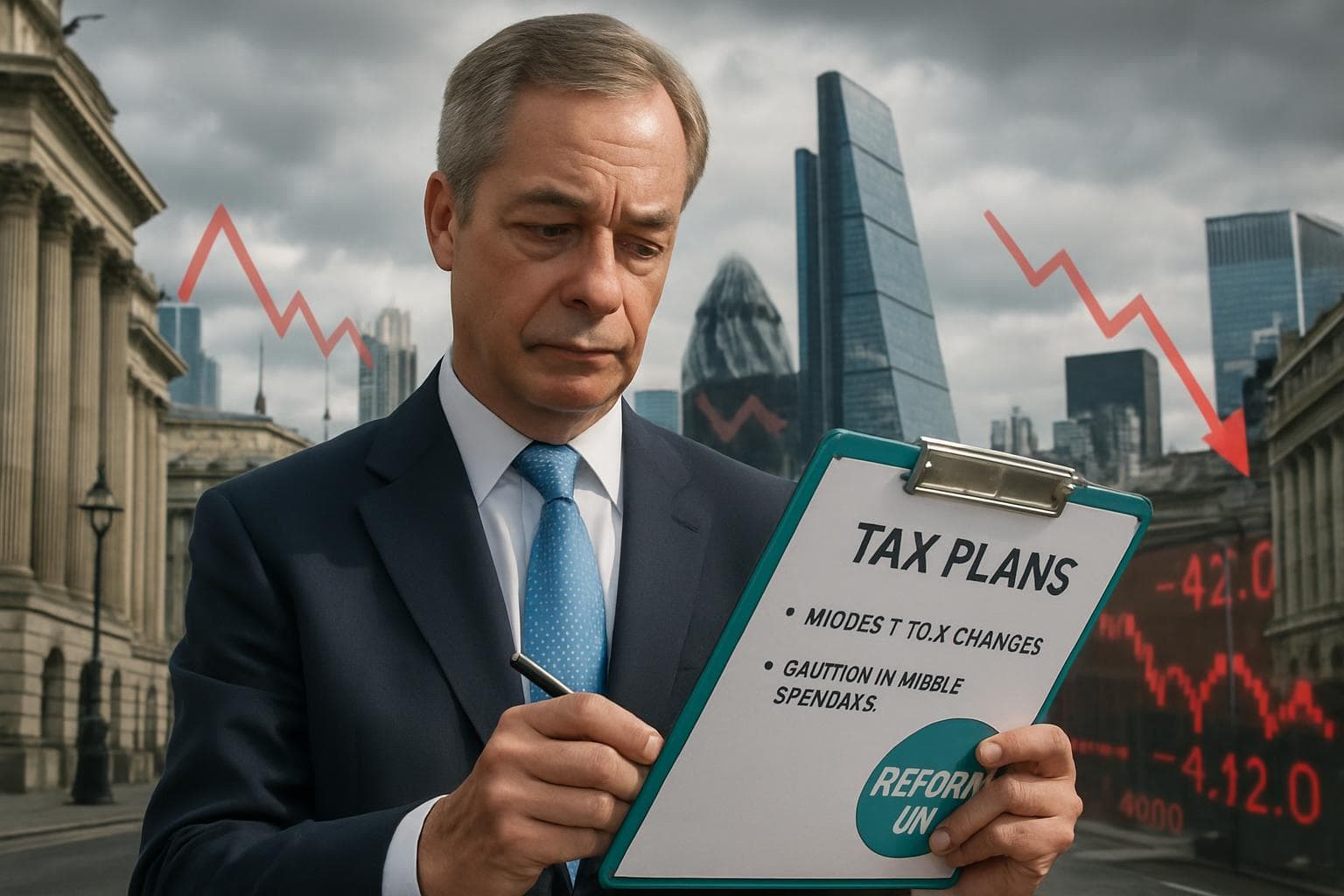
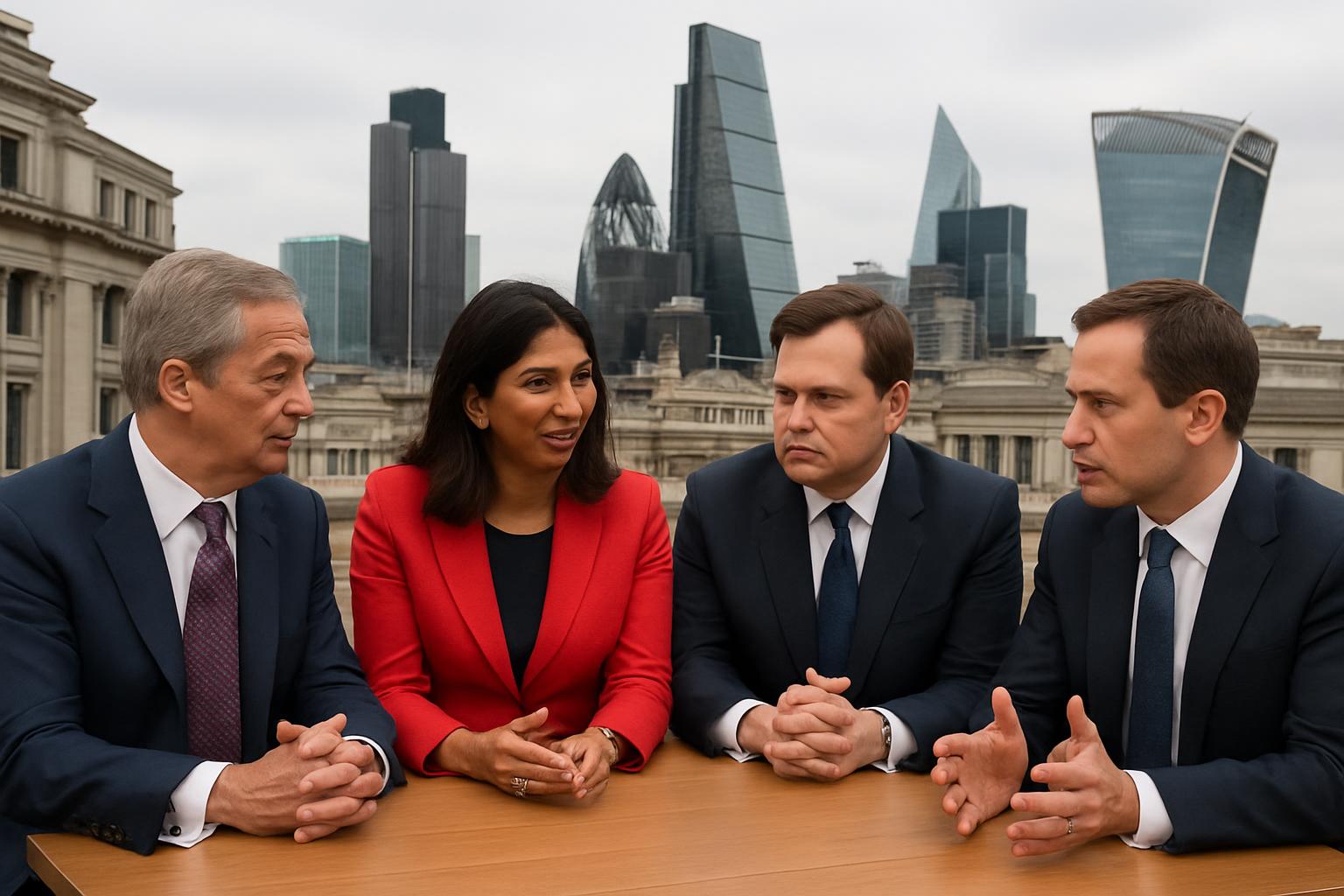
In a significant shift from previous commitments, Nigel Farage, leader of Reform UK, has announced a revision of the party's ambitious tax cut plans. Initially promising £90bn in tax reductions, Farage now acknowledges that such cuts are not feasible given the current economic climate. Speaking in the City of London, Farage highlighted the "dire state" of public finances as a primary obstacle to implementing substantial tax cuts.
Economic Realities and Revised Promises
Farage's speech marked a departure from Reform UK's earlier pledges, which included raising the income tax threshold to £20,000 and eliminating inheritance tax for family farms. While these remain long-term goals, Farage emphasized the need for "relatively modest" changes in the short term. He proposed scrapping inheritance tax for family-run businesses and raising tax thresholds as initial steps.
Public Spending and Economic Criticism
Reform UK's economic strategy also involves significant reductions in public spending, targeting areas such as welfare benefits and public sector pensions. However, these plans have drawn criticism from economists and political opponents. The Institute for Fiscal Studies has questioned the feasibility of the proposed spending cuts, suggesting they may not yield the anticipated savings.
Farage accused both Labour and Conservative parties of mismanaging public finances, leading to an unprecedented increase in national debt. He argued that the current economic situation is worse than anticipated, necessitating a more cautious approach to fiscal policy.
Focus on Working People and Entrepreneurs
Despite the economic challenges, Farage reiterated Reform UK's commitment to supporting working people and entrepreneurs. He suggested that the minimum wage for younger workers might be too high, potentially impacting small businesses. Farage also expressed concern over a perceived exodus of wealthy individuals and entrepreneurs due to the UK's tax regime.
WHAT THIS MIGHT MEAN
Looking ahead, Reform UK's revised economic strategy could face significant challenges in gaining public and political support. The party's focus on modest tax changes and spending cuts may not satisfy voters seeking immediate relief from economic pressures. Additionally, the lack of detailed plans for achieving proposed savings could undermine the party's credibility.
Economists and political analysts will closely monitor how Reform UK navigates these challenges, particularly as the next general election approaches. The party's ability to balance fiscal responsibility with electoral appeal will be crucial in determining its future success. As Farage himself noted, the state of the economy remains uncertain, and any long-term policy commitments will need to adapt to evolving economic conditions.
Related Articles
Starmer Condemns Reform UK's Plan to Repeal Equality Act as Un-British
Government U-turn on Local Election Delays Sparks Political Fallout
Government U-turn on Election Delays Sparks Local Council Turmoil
Reform UK Pledges to Retain and Reform Budget Watchdog Amid Leadership Changes
Reform UK Aims to Reshape Welsh Politics with New Manifesto
Reform UK to Reinstate Two-Child Benefit Cap Amidst Political Controversy
Nigel Farage Revises Reform UK's Tax Cut Plans Amid Economic Concerns
In This Article
 Ethan Brooks| Published
 HIGHLIGHTS
- Nigel Farage has backtracked on Reform UK's promise to cut £90bn in taxes, citing the "dire state" of public finances.
- Farage emphasized the need for "relatively modest" tax changes, including scrapping inheritance tax for family farms.
- Reform UK plans to cut public spending, targeting welfare benefits and public sector pensions, but faces skepticism from economists.
- Farage criticized both Labour and Conservative parties for increasing national debt and failing to manage public spending.
- The party's economic strategy includes raising the income tax threshold to £20,000, though this remains an aspiration rather than a firm promise.
In a significant shift from previous commitments, Nigel Farage, leader of Reform UK, has announced a revision of the party's ambitious tax cut plans. Initially promising £90bn in tax reductions, Farage now acknowledges that such cuts are not feasible given the current economic climate. Speaking in the City of London, Farage highlighted the "dire state" of public finances as a primary obstacle to implementing substantial tax cuts.
Economic Realities and Revised Promises
Farage's speech marked a departure from Reform UK's earlier pledges, which included raising the income tax threshold to £20,000 and eliminating inheritance tax for family farms. While these remain long-term goals, Farage emphasized the need for "relatively modest" changes in the short term. He proposed scrapping inheritance tax for family-run businesses and raising tax thresholds as initial steps.
Public Spending and Economic Criticism
Reform UK's economic strategy also involves significant reductions in public spending, targeting areas such as welfare benefits and public sector pensions. However, these plans have drawn criticism from economists and political opponents. The Institute for Fiscal Studies has questioned the feasibility of the proposed spending cuts, suggesting they may not yield the anticipated savings.
Farage accused both Labour and Conservative parties of mismanaging public finances, leading to an unprecedented increase in national debt. He argued that the current economic situation is worse than anticipated, necessitating a more cautious approach to fiscal policy.
Focus on Working People and Entrepreneurs
Despite the economic challenges, Farage reiterated Reform UK's commitment to supporting working people and entrepreneurs. He suggested that the minimum wage for younger workers might be too high, potentially impacting small businesses. Farage also expressed concern over a perceived exodus of wealthy individuals and entrepreneurs due to the UK's tax regime.
WHAT THIS MIGHT MEAN
Looking ahead, Reform UK's revised economic strategy could face significant challenges in gaining public and political support. The party's focus on modest tax changes and spending cuts may not satisfy voters seeking immediate relief from economic pressures. Additionally, the lack of detailed plans for achieving proposed savings could undermine the party's credibility.
Economists and political analysts will closely monitor how Reform UK navigates these challenges, particularly as the next general election approaches. The party's ability to balance fiscal responsibility with electoral appeal will be crucial in determining its future success. As Farage himself noted, the state of the economy remains uncertain, and any long-term policy commitments will need to adapt to evolving economic conditions.
Related Articles
Starmer Condemns Reform UK's Plan to Repeal Equality Act as Un-British
Government U-turn on Local Election Delays Sparks Political Fallout
Government U-turn on Election Delays Sparks Local Council Turmoil
Reform UK Pledges to Retain and Reform Budget Watchdog Amid Leadership Changes
Reform UK Aims to Reshape Welsh Politics with New Manifesto
Reform UK to Reinstate Two-Child Benefit Cap Amidst Political Controversy