
Nigerian School Abductions Highlight Ongoing Security Crisis Amidst Government Criticism
In This Article
HIGHLIGHTS
- Over 300 students and staff were abducted from St Mary's Catholic School in Niger State, Nigeria, with 50 managing to escape.
- Bishop Bulus Dauwa Yohanna criticized the Nigerian government for inadequate efforts in rescuing the abducted children.
- President Bola Tinubu praised security forces for the release of 24 schoolgirls abducted in Kebbi State, though details remain unclear.
- The abductions highlight Nigeria's ongoing security crisis, with over 1,500 children kidnapped since 2014.
- Religious and criminal dynamics complicate the situation, with US officials engaging in discussions with Nigerian authorities.
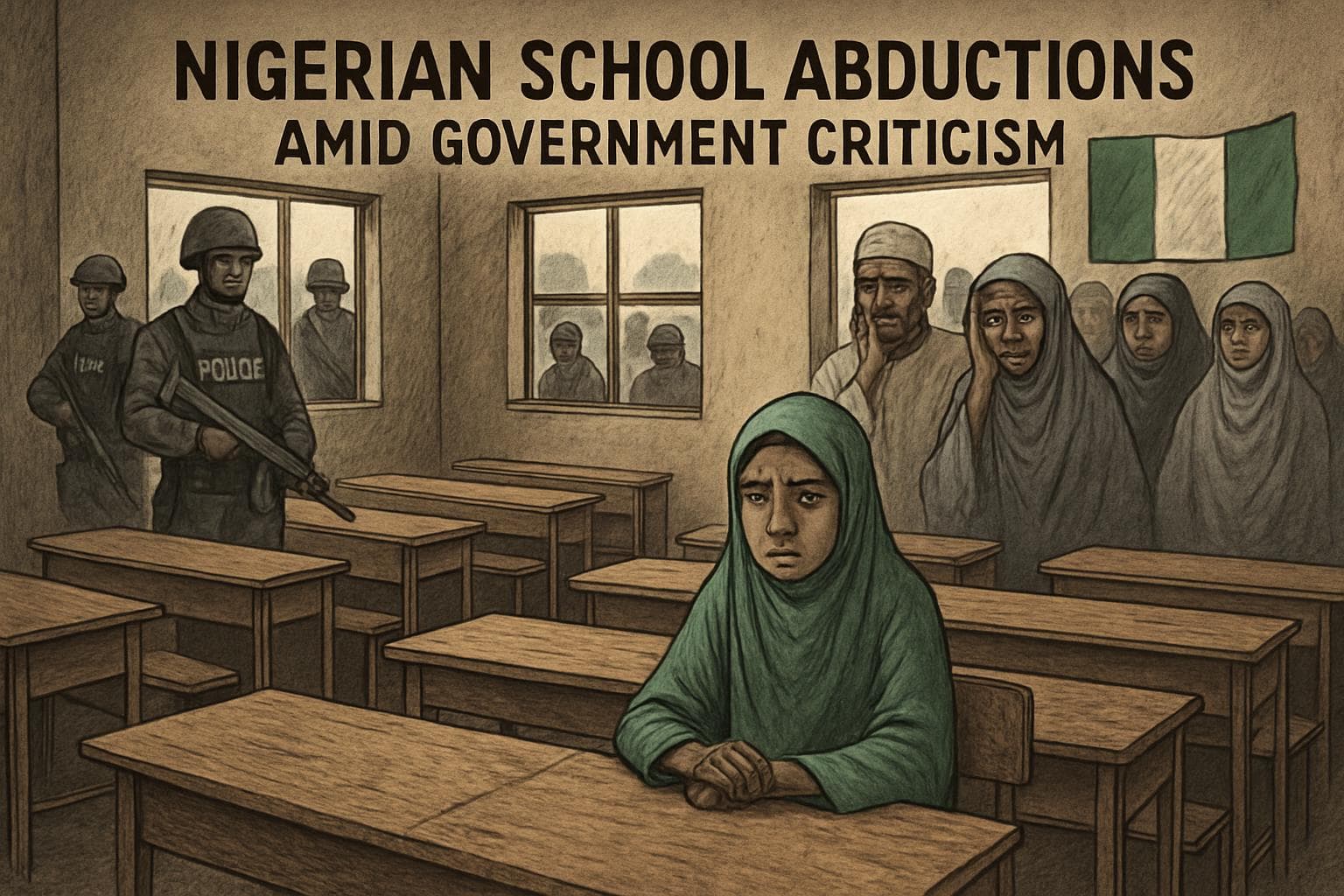
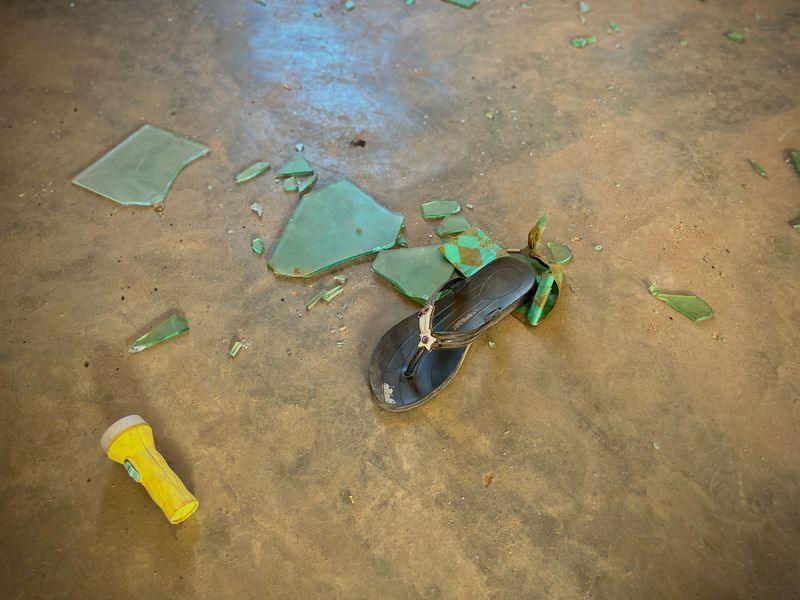
In a distressing series of events, Nigeria faces another wave of school abductions, underscoring the country's persistent security challenges. Over 300 students and staff were abducted from St Mary's Catholic School in Niger State last Friday, with 50 managing to escape. The incident has drawn sharp criticism from Bishop Bulus Dauwa Yohanna, who accused the government of making "no meaningful effort" to rescue the remaining hostages.
The abductions are part of a troubling pattern in Nigeria, where kidnapping for ransom has become a common tactic among criminal gangs. The situation is further complicated by religious tensions, as both Christian and Muslim communities have been targeted. The Nigerian government, however, maintains that the crisis is driven by criminality and extremism rather than religious persecution.
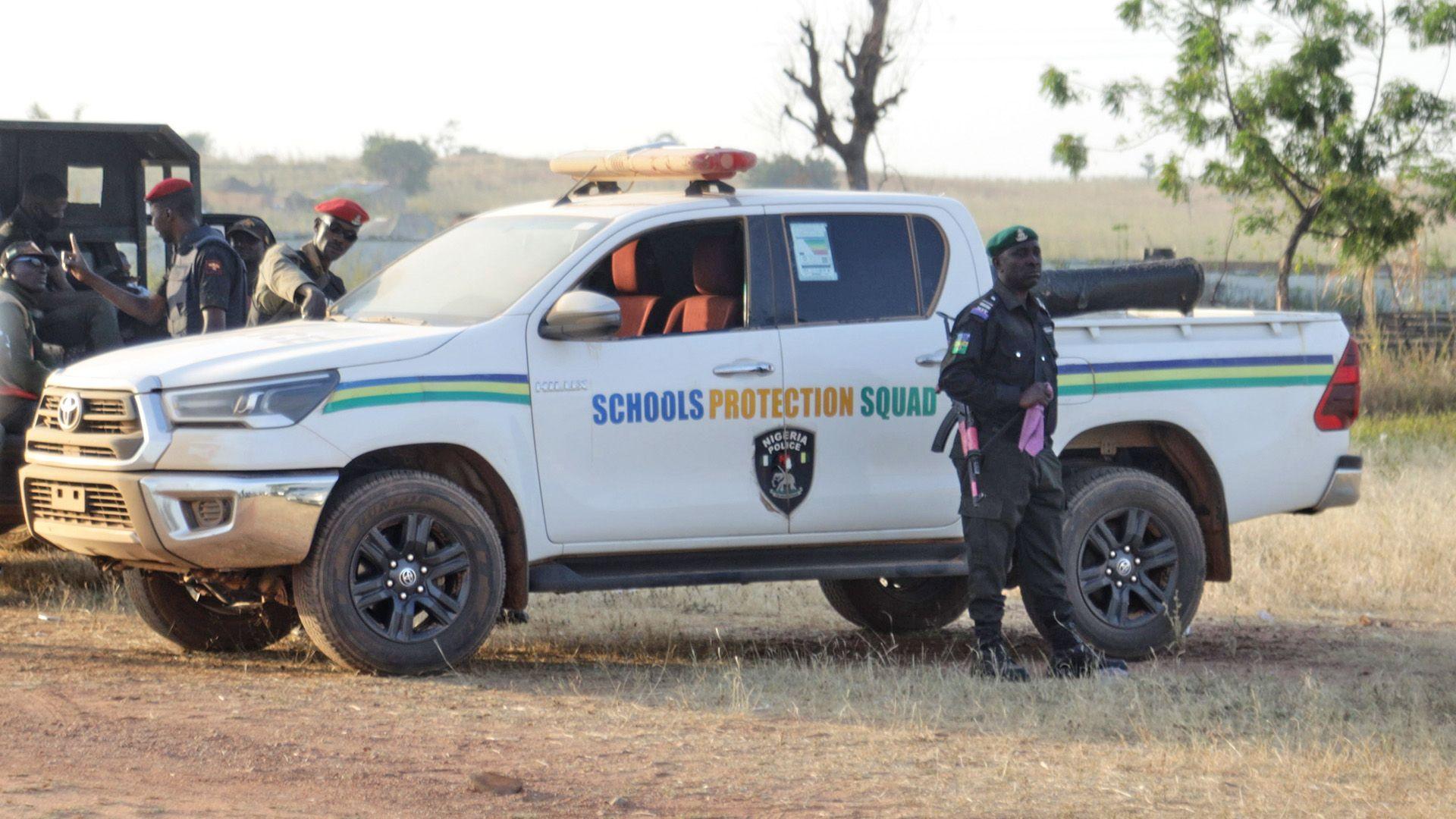
In a separate incident, 24 schoolgirls abducted from the Government Girls Comprehensive Senior Secondary School in Kebbi State were released, according to President Bola Tinubu. While the circumstances of their release remain unclear, Tinubu commended the security forces for their "swift response" and emphasized the need for increased security measures in vulnerable areas.
The recent abductions have prompted international attention, with US Secretary of War Pete Hegseth engaging in talks with Nigeria's National Security Adviser to address the violence against Christians and combat jihadist groups in West Africa. The US and Nigeria have agreed to establish a working group to enhance defense and security cooperation.
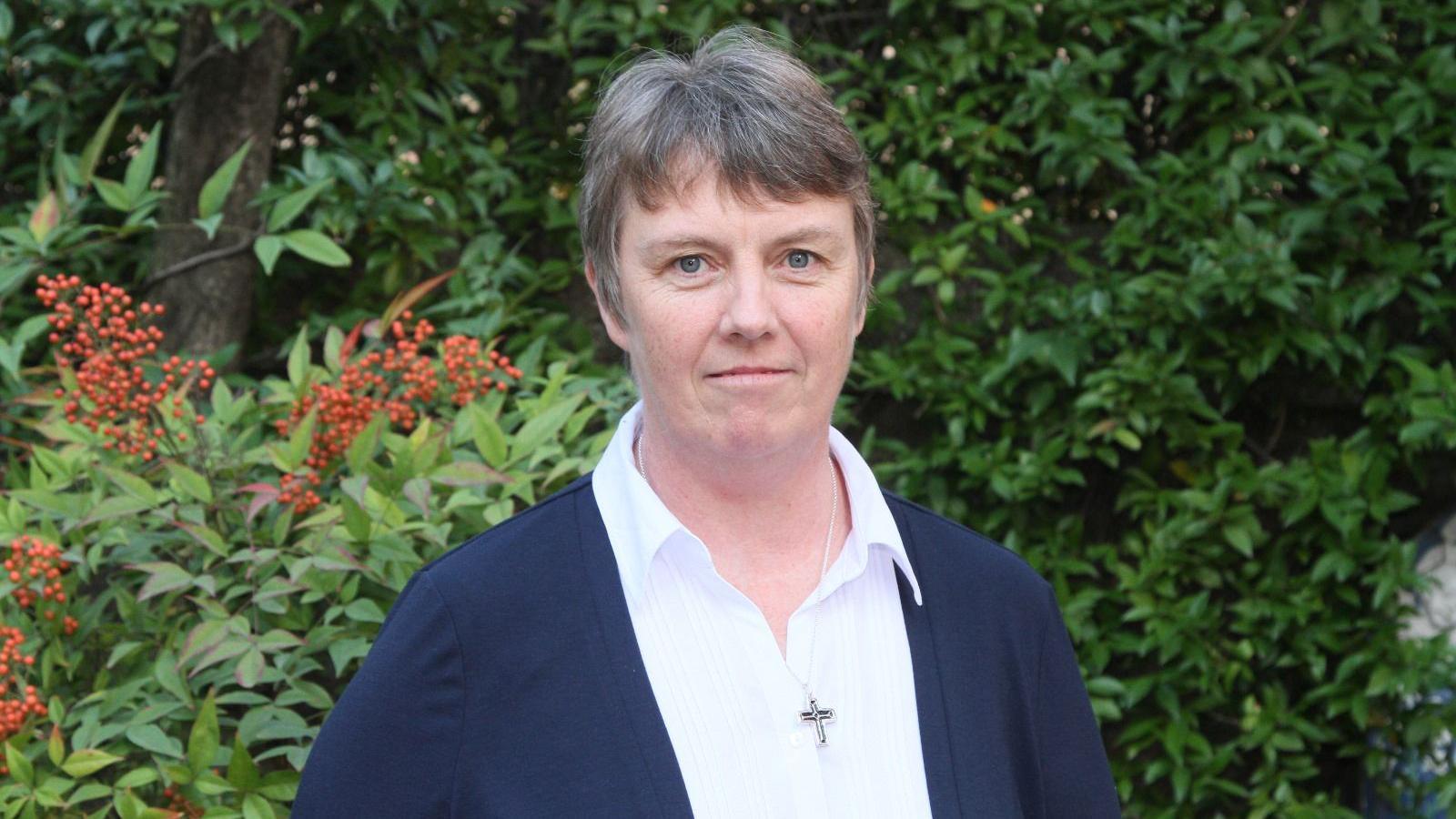
The abductions have also had a profound impact on the affected families. Sister Mary Barron, an Irish nun with ties to the school, described the "unbelievable anguish and pain" experienced by parents whose children were taken. Many of the abducted children are as young as five, and their conditions remain unknown.
WHAT THIS MIGHT MEAN
The ongoing abductions in Nigeria pose significant challenges for the government, which must balance addressing security concerns with managing religious tensions. The establishment of a working group with the US could lead to improved security measures and international support. However, the effectiveness of these efforts will depend on the government's ability to implement robust strategies and ensure the safety of its citizens.
The international community, including the UN, may increase pressure on Nigeria to safeguard its educational institutions and protect children from becoming targets. As the situation evolves, the Nigerian government will need to demonstrate tangible progress in resolving the security crisis to restore public confidence and prevent further incidents.
Images from the Web
Related Articles

US and Israel Intensify Military Campaign as Iran's Capabilities Dwindle
Intensified US-Israel Strikes on Iran Spark Global Outcry

Canada and Australia Forge Strategic Partnership Amid Global Uncertainty

Tech Giants Pledge to Cover AI Data Center Energy Costs Amid Rising Electricity Concerns

Middle East Conflict Drives UK Energy Prices to New Highs

UK Reinforces Military Presence in Cyprus Amid Middle East Tensions
Nigerian School Abductions Highlight Ongoing Security Crisis Amidst Government Criticism
In This Article
 Sofia Romano| Published
 HIGHLIGHTS
- Over 300 students and staff were abducted from St Mary's Catholic School in Niger State, Nigeria, with 50 managing to escape.
- Bishop Bulus Dauwa Yohanna criticized the Nigerian government for inadequate efforts in rescuing the abducted children.
- President Bola Tinubu praised security forces for the release of 24 schoolgirls abducted in Kebbi State, though details remain unclear.
- The abductions highlight Nigeria's ongoing security crisis, with over 1,500 children kidnapped since 2014.
- Religious and criminal dynamics complicate the situation, with US officials engaging in discussions with Nigerian authorities.
In a distressing series of events, Nigeria faces another wave of school abductions, underscoring the country's persistent security challenges. Over 300 students and staff were abducted from St Mary's Catholic School in Niger State last Friday, with 50 managing to escape. The incident has drawn sharp criticism from Bishop Bulus Dauwa Yohanna, who accused the government of making "no meaningful effort" to rescue the remaining hostages.
The abductions are part of a troubling pattern in Nigeria, where kidnapping for ransom has become a common tactic among criminal gangs. The situation is further complicated by religious tensions, as both Christian and Muslim communities have been targeted. The Nigerian government, however, maintains that the crisis is driven by criminality and extremism rather than religious persecution.
In a separate incident, 24 schoolgirls abducted from the Government Girls Comprehensive Senior Secondary School in Kebbi State were released, according to President Bola Tinubu. While the circumstances of their release remain unclear, Tinubu commended the security forces for their "swift response" and emphasized the need for increased security measures in vulnerable areas.
The recent abductions have prompted international attention, with US Secretary of War Pete Hegseth engaging in talks with Nigeria's National Security Adviser to address the violence against Christians and combat jihadist groups in West Africa. The US and Nigeria have agreed to establish a working group to enhance defense and security cooperation.
The abductions have also had a profound impact on the affected families. Sister Mary Barron, an Irish nun with ties to the school, described the "unbelievable anguish and pain" experienced by parents whose children were taken. Many of the abducted children are as young as five, and their conditions remain unknown.
WHAT THIS MIGHT MEAN
The ongoing abductions in Nigeria pose significant challenges for the government, which must balance addressing security concerns with managing religious tensions. The establishment of a working group with the US could lead to improved security measures and international support. However, the effectiveness of these efforts will depend on the government's ability to implement robust strategies and ensure the safety of its citizens.
The international community, including the UN, may increase pressure on Nigeria to safeguard its educational institutions and protect children from becoming targets. As the situation evolves, the Nigerian government will need to demonstrate tangible progress in resolving the security crisis to restore public confidence and prevent further incidents.
Images from the Web
Related Articles
US and Israel Intensify Military Campaign as Iran's Capabilities Dwindle
Intensified US-Israel Strikes on Iran Spark Global Outcry
Canada and Australia Forge Strategic Partnership Amid Global Uncertainty
Tech Giants Pledge to Cover AI Data Center Energy Costs Amid Rising Electricity Concerns
Middle East Conflict Drives UK Energy Prices to New Highs
UK Reinforces Military Presence in Cyprus Amid Middle East Tensions