
Nissan's New Leaf: A Boost for UK Electric Vehicle Production
In This Article
HIGHLIGHTS
- Nissan has commenced production of the third-generation Leaf at its Sunderland plant, investing over £450 million in the project.
- The new Leaf, with a range of up to 386 miles, is eligible for a £3,750 government electric car grant.
- Sunderland's factory, the largest in the UK, employs 6,000 workers and is crucial to the UK's electric vehicle transition.
- The UK government has secured £50 million in new funding for the North East's automotive sector.
- Conservative leader Kemi Badenoch has proposed scrapping the 2030 ban on new petrol and diesel cars if elected.
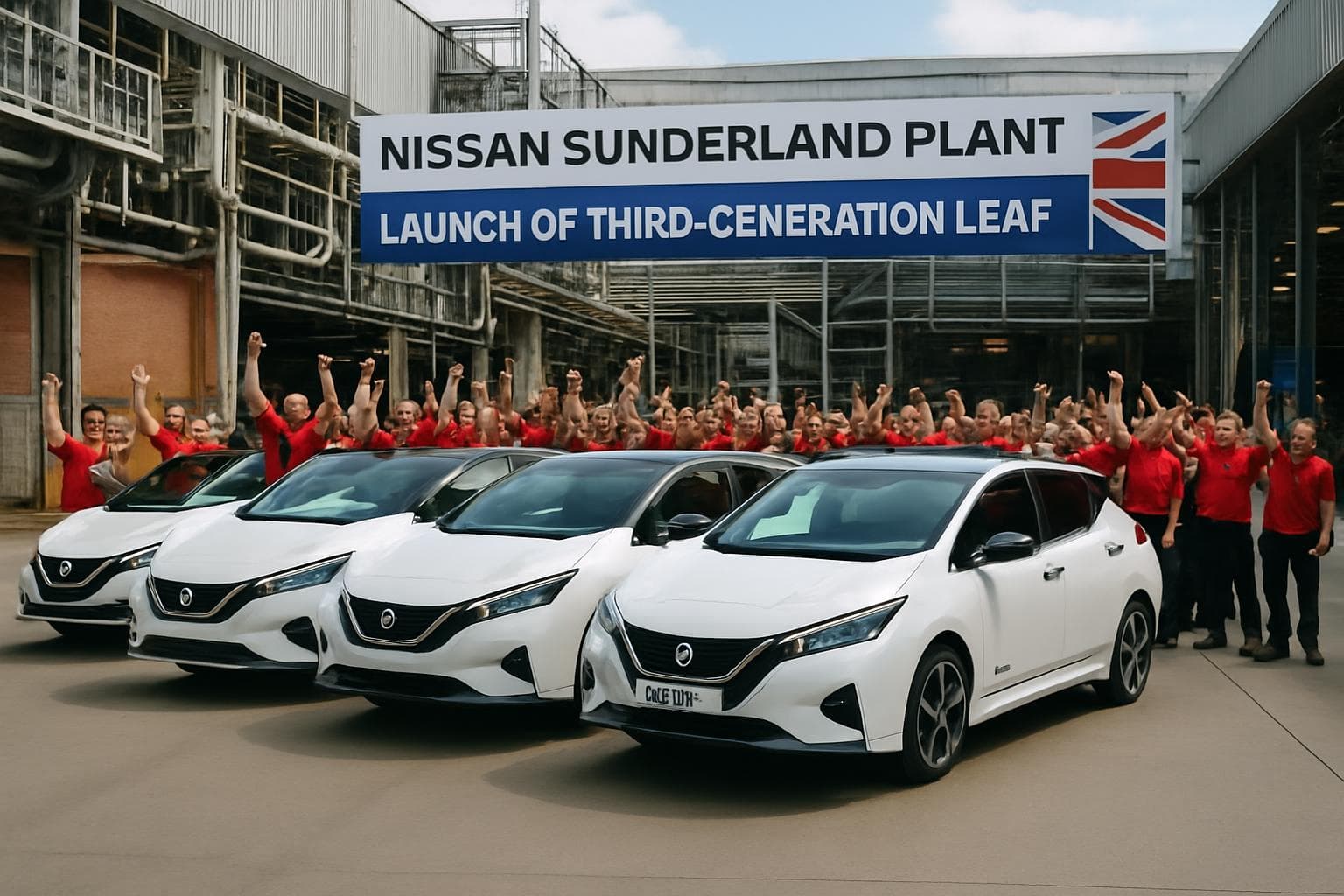
Nissan has launched the production of its third-generation Leaf electric vehicle at its Sunderland plant, marking a significant milestone in the UK's transition towards electric vehicles. This development comes with a substantial investment of over £450 million, reinforcing the plant's status as the largest car manufacturing site in the UK, employing 6,000 workers.
A New Era for the Leaf
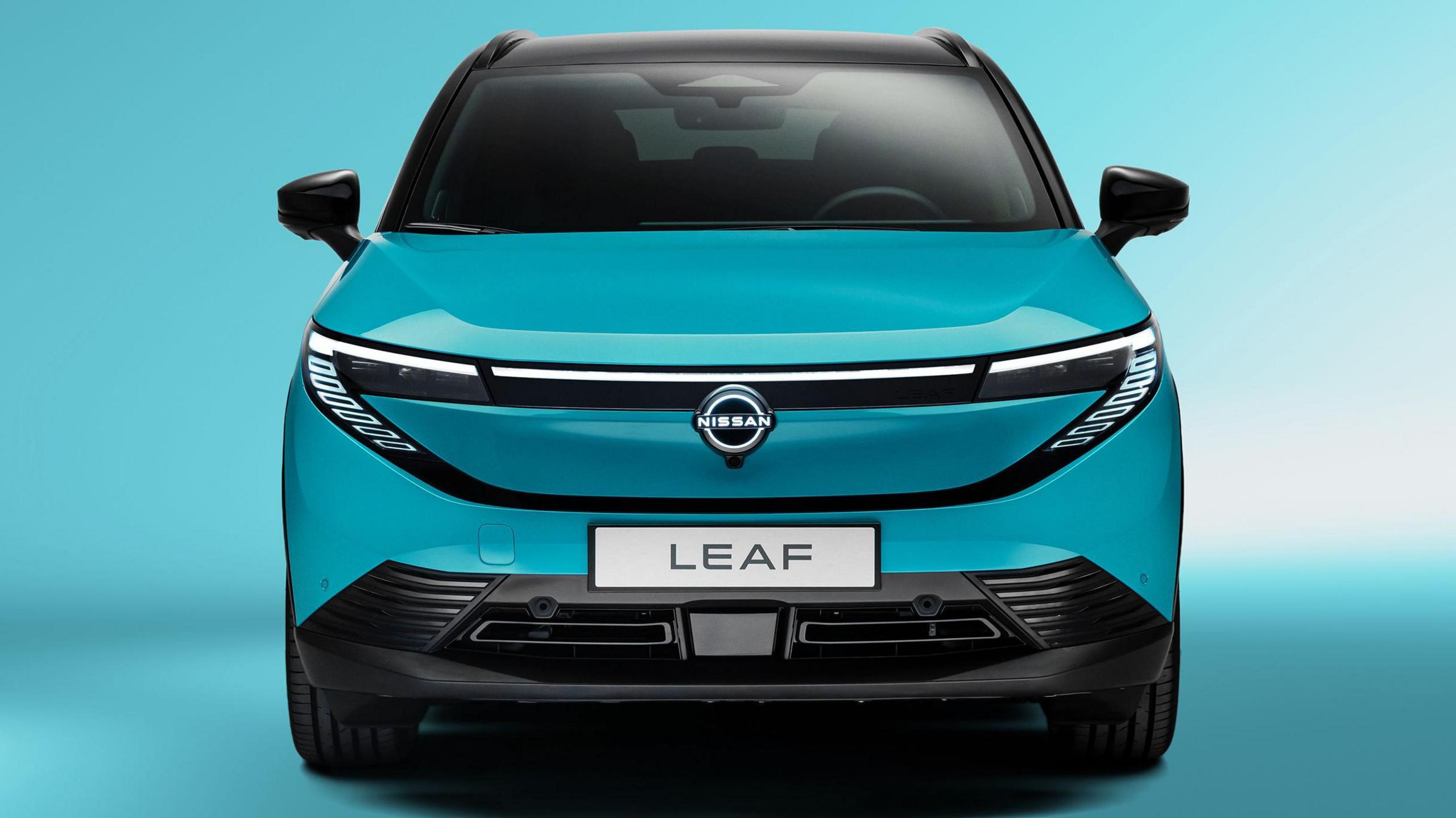
The new Leaf model, which boasts an impressive range of up to 386 miles on a single charge, is eligible for a £3,750 government electric car grant. This initiative is part of the UK government's broader strategy to encourage the adoption of electric vehicles. Business and Trade Secretary Peter Kyle emphasized the importance of this investment, stating, "Sunderland is the beating heart of the UK's automotive industry."
Economic Implications and Future Prospects
The Sunderland factory, with the capacity to produce 600,000 cars annually, is pivotal to the UK's automotive sector. In 2024, it manufactured 284,000 vehicles, reflecting the challenges faced by European manufacturers. The Leaf's success is crucial for the plant's future, as Nissan considers producing additional electric models to replace existing petrol vehicles like the Qashqai and Juke.
Political and Industry Reactions
The announcement has sparked political debate, with Conservative leader Kemi Badenoch suggesting the abandonment of the 2030 ban on new petrol and diesel cars if her party wins the next election. This stance aligns with similar sentiments expressed by Italian Prime Minister Giorgia Meloni, who has advocated for a more gradual phase-out of traditional fuel vehicles.
Local Impact and Industry Support
The North East's automotive sector is set to benefit from £50 million in new government funding, as highlighted by North East Mayor Kim McGuinness. She described the start of the new Leaf production as a "landmark day for our car industry." Nissan's vice president of manufacturing, Adam Pennick, echoed this sentiment, expressing "huge pride and excitement" among the Sunderland team.
WHAT THIS MIGHT MEAN
The production of the new Leaf in Sunderland represents a significant step forward for the UK automotive industry, particularly in its shift towards electric vehicles. If successful, this could pave the way for further investments in electric car manufacturing, potentially securing the future of the Sunderland plant and its workforce. However, the political landscape remains uncertain, with potential changes to the 2030 petrol and diesel ban influencing market dynamics. As Nissan navigates these challenges, its strategic decisions will likely impact both its global operations and the UK's position in the electric vehicle market.
Images from the Web
Related Articles
Trump's New Tariff Strategy Sparks Global Trade Uncertainty

UK-Iran Tensions: Starmer Defends Cautious Approach Amid Trump Criticism

Canada and Australia Forge Strategic Partnership Amid Global Uncertainty

UK Government to Reform Asylum Seeker Support and Employment Policies

Reform UK Aims to Reshape Welsh Politics with New Manifesto
Middle East Conflict Drives UK Energy Prices to New Highs
Nissan's New Leaf: A Boost for UK Electric Vehicle Production
In This Article
 Daniel Rivera| Published
 HIGHLIGHTS
- Nissan has commenced production of the third-generation Leaf at its Sunderland plant, investing over £450 million in the project.
- The new Leaf, with a range of up to 386 miles, is eligible for a £3,750 government electric car grant.
- Sunderland's factory, the largest in the UK, employs 6,000 workers and is crucial to the UK's electric vehicle transition.
- The UK government has secured £50 million in new funding for the North East's automotive sector.
- Conservative leader Kemi Badenoch has proposed scrapping the 2030 ban on new petrol and diesel cars if elected.
Nissan has launched the production of its third-generation Leaf electric vehicle at its Sunderland plant, marking a significant milestone in the UK's transition towards electric vehicles. This development comes with a substantial investment of over £450 million, reinforcing the plant's status as the largest car manufacturing site in the UK, employing 6,000 workers.
A New Era for the Leaf
The new Leaf model, which boasts an impressive range of up to 386 miles on a single charge, is eligible for a £3,750 government electric car grant. This initiative is part of the UK government's broader strategy to encourage the adoption of electric vehicles. Business and Trade Secretary Peter Kyle emphasized the importance of this investment, stating, "Sunderland is the beating heart of the UK's automotive industry."
Economic Implications and Future Prospects
The Sunderland factory, with the capacity to produce 600,000 cars annually, is pivotal to the UK's automotive sector. In 2024, it manufactured 284,000 vehicles, reflecting the challenges faced by European manufacturers. The Leaf's success is crucial for the plant's future, as Nissan considers producing additional electric models to replace existing petrol vehicles like the Qashqai and Juke.
Political and Industry Reactions
The announcement has sparked political debate, with Conservative leader Kemi Badenoch suggesting the abandonment of the 2030 ban on new petrol and diesel cars if her party wins the next election. This stance aligns with similar sentiments expressed by Italian Prime Minister Giorgia Meloni, who has advocated for a more gradual phase-out of traditional fuel vehicles.
Local Impact and Industry Support
The North East's automotive sector is set to benefit from £50 million in new government funding, as highlighted by North East Mayor Kim McGuinness. She described the start of the new Leaf production as a "landmark day for our car industry." Nissan's vice president of manufacturing, Adam Pennick, echoed this sentiment, expressing "huge pride and excitement" among the Sunderland team.
WHAT THIS MIGHT MEAN
The production of the new Leaf in Sunderland represents a significant step forward for the UK automotive industry, particularly in its shift towards electric vehicles. If successful, this could pave the way for further investments in electric car manufacturing, potentially securing the future of the Sunderland plant and its workforce. However, the political landscape remains uncertain, with potential changes to the 2030 petrol and diesel ban influencing market dynamics. As Nissan navigates these challenges, its strategic decisions will likely impact both its global operations and the UK's position in the electric vehicle market.
Images from the Web
Related Articles
Trump's New Tariff Strategy Sparks Global Trade Uncertainty
UK-Iran Tensions: Starmer Defends Cautious Approach Amid Trump Criticism
Canada and Australia Forge Strategic Partnership Amid Global Uncertainty
UK Government to Reform Asylum Seeker Support and Employment Policies
Reform UK Aims to Reshape Welsh Politics with New Manifesto
Middle East Conflict Drives UK Energy Prices to New Highs