
Tragic Oversight: Nottingham Mother and Daughter Found Dead Months After Ignored 999 Call
In This Article
HIGHLIGHTS
- Alphonsine Djiako Leuga, 47, and her daughter Loraine Choulla, 18, were found dead in their Nottingham home on 21 May 2024, months after a 999 call was made.
- Alphonsine had called emergency services on 2 February, stating she was cold and unable to move, but no ambulance was dispatched.
- An inquest revealed Alphonsine suffered from sickle cell anaemia and pneumonia, while Loraine, who had Down's syndrome, was entirely dependent on her mother.
- East Midlands Ambulance Service admitted a "missed opportunity" to send help, with internal investigations highlighting procedural errors.
- The inquest will determine if timely intervention could have altered the outcome for Loraine, who was found severely underweight.
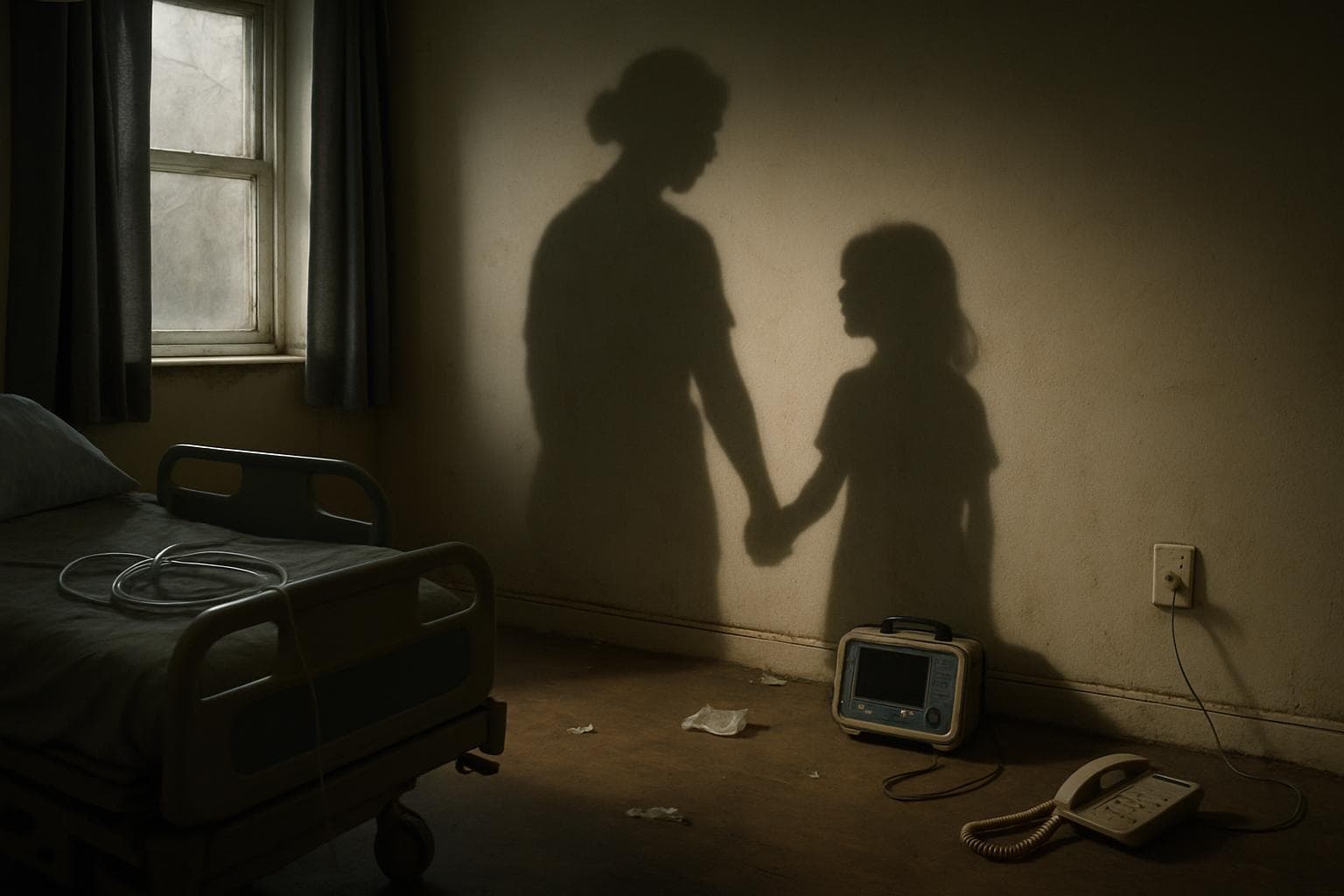
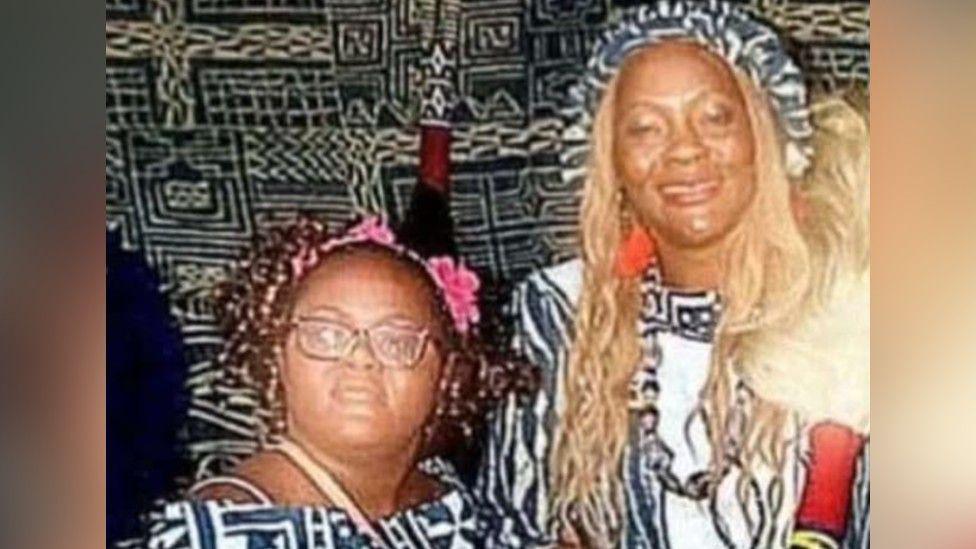
In a harrowing case that has raised serious questions about emergency response protocols, the bodies of Alphonsine Djiako Leuga, 47, and her daughter Loraine Choulla, 18, were discovered in their Nottingham home on 21 May 2024. This tragic discovery came nearly four months after Alphonsine made a desperate 999 call pleading for help.
The Unanswered Call for Help
On 2 February, Alphonsine, who suffered from sickle cell anaemia, contacted emergency services, stating she was cold and unable to move. Despite providing her address and requesting assistance for herself and her daughter, no ambulance was dispatched. The call was mistakenly closed by an emergency medical advisor, who deemed it abandoned, according to Susan Jevons, head of patient safety at East Midlands Ambulance Service (EMAS).
Medical and Dependency Challenges
Alphonsine's health had been precarious; she was hospitalized in late January for a blood transfusion due to critically low iron levels. Despite medical advice to remain in care, she was discharged to attend to her daughter, Loraine, who had Down's syndrome and was entirely reliant on her mother for basic needs. Pathologist Dr. Stuart Hamilton testified that Alphonsine's death was attributed to pneumonia, while Loraine's cause of death remains unascertained.
Systemic Failures and Apologies
The inquest, led by assistant coroner Amanda Bewley, is examining the procedural failures that led to this tragedy. EMAS has acknowledged a "missed opportunity" to provide assistance, with Jevons expressing regret for the errors made. The internal investigation revealed that the call should have been flagged for dispatch once Alphonsine's address was confirmed.
WHAT THIS MIGHT MEAN
The ongoing inquest will explore whether an ambulance's timely arrival could have prevented Loraine's death, given her dependency on her mother for survival. This case has prompted Nottingham City Council to review emergency response protocols to prevent similar occurrences. Experts suggest that systemic changes in emergency services are crucial to ensure that vulnerable individuals receive the necessary care promptly. The findings of this inquest could lead to significant policy shifts in how emergency calls are prioritized and handled, potentially saving lives in the future.
Images from the Web
Related Articles
Nottingham Attacks Inquiry: Families Demand Accountability and Truth

Inner London Faces Funding Cuts Amid Government's Redistribution Plan
Maternity Services Under Scrutiny Across Multiple UK Hospitals
Murder Investigation Launched After Devoted Family Man Dies Following Pub Assault in Leicestershire
UK Rail Timetable Overhaul Sparks Service Reductions and Passenger Concerns

UK Ramps Up Efforts to End HIV Transmissions by 2030 with Expanded Testing Initiatives
Tragic Oversight: Nottingham Mother and Daughter Found Dead Months After Ignored 999 Call
In This Article
 Ethan Brooks| Published
 HIGHLIGHTS
- Alphonsine Djiako Leuga, 47, and her daughter Loraine Choulla, 18, were found dead in their Nottingham home on 21 May 2024, months after a 999 call was made.
- Alphonsine had called emergency services on 2 February, stating she was cold and unable to move, but no ambulance was dispatched.
- An inquest revealed Alphonsine suffered from sickle cell anaemia and pneumonia, while Loraine, who had Down's syndrome, was entirely dependent on her mother.
- East Midlands Ambulance Service admitted a "missed opportunity" to send help, with internal investigations highlighting procedural errors.
- The inquest will determine if timely intervention could have altered the outcome for Loraine, who was found severely underweight.
In a harrowing case that has raised serious questions about emergency response protocols, the bodies of Alphonsine Djiako Leuga, 47, and her daughter Loraine Choulla, 18, were discovered in their Nottingham home on 21 May 2024. This tragic discovery came nearly four months after Alphonsine made a desperate 999 call pleading for help.
The Unanswered Call for Help
On 2 February, Alphonsine, who suffered from sickle cell anaemia, contacted emergency services, stating she was cold and unable to move. Despite providing her address and requesting assistance for herself and her daughter, no ambulance was dispatched. The call was mistakenly closed by an emergency medical advisor, who deemed it abandoned, according to Susan Jevons, head of patient safety at East Midlands Ambulance Service (EMAS).
Medical and Dependency Challenges
Alphonsine's health had been precarious; she was hospitalized in late January for a blood transfusion due to critically low iron levels. Despite medical advice to remain in care, she was discharged to attend to her daughter, Loraine, who had Down's syndrome and was entirely reliant on her mother for basic needs. Pathologist Dr. Stuart Hamilton testified that Alphonsine's death was attributed to pneumonia, while Loraine's cause of death remains unascertained.
Systemic Failures and Apologies
The inquest, led by assistant coroner Amanda Bewley, is examining the procedural failures that led to this tragedy. EMAS has acknowledged a "missed opportunity" to provide assistance, with Jevons expressing regret for the errors made. The internal investigation revealed that the call should have been flagged for dispatch once Alphonsine's address was confirmed.
WHAT THIS MIGHT MEAN
The ongoing inquest will explore whether an ambulance's timely arrival could have prevented Loraine's death, given her dependency on her mother for survival. This case has prompted Nottingham City Council to review emergency response protocols to prevent similar occurrences. Experts suggest that systemic changes in emergency services are crucial to ensure that vulnerable individuals receive the necessary care promptly. The findings of this inquest could lead to significant policy shifts in how emergency calls are prioritized and handled, potentially saving lives in the future.
Images from the Web
Related Articles
Nottingham Attacks Inquiry: Families Demand Accountability and Truth
Inner London Faces Funding Cuts Amid Government's Redistribution Plan
Maternity Services Under Scrutiny Across Multiple UK Hospitals
Murder Investigation Launched After Devoted Family Man Dies Following Pub Assault in Leicestershire
UK Rail Timetable Overhaul Sparks Service Reductions and Passenger Concerns
UK Ramps Up Efforts to End HIV Transmissions by 2030 with Expanded Testing Initiatives