
NSW Moves to Ban 'Globalise the Intifada' Amidst Crackdown on Hate Speech

In This Article
HIGHLIGHTS
- New South Wales plans to ban the phrase "globalise the intifada" following the Bondi shooting, which left 15 dead.
- Premier Chris Minns is pushing for stricter hate speech and gun laws, alongside a Royal Commission into the attack.
- The Australian government announced a gun buyback scheme to remove illegal firearms from circulation.
- Protests and memorials have been held across Australia, with a national day of reflection planned.
- The proposed laws have sparked debate over protest rights and the balance between security and freedom of expression.
In the wake of the tragic Bondi shooting, which claimed 15 lives, New South Wales (NSW) is set to introduce a series of legislative measures aimed at curbing hate speech and tightening gun control. The state government, led by Premier Chris Minns, is moving to ban the phrase "globalise the intifada," which has been linked to calls for violence against Jewish communities, as part of a broader crackdown on extremist rhetoric.
Legislative Reforms and Gun Control
The Bondi attack, described as the deadliest shooting in Australia in nearly three decades, has prompted both state and federal governments to act decisively. Premier Minns announced plans to recall the state parliament to pass stricter hate speech and gun laws. These measures include a ban on displaying symbols of terrorist organizations and new powers for police to manage protests, which Minns argues are necessary to prevent further violence.
Concurrently, Prime Minister Anthony Albanese has unveiled a national gun buyback scheme aimed at collecting and destroying illegal firearms. This initiative is expected to remove hundreds of thousands of guns from circulation, reflecting a commitment to enhancing public safety.
Community Response and Memorials
The Bondi community and broader Australian public have responded with a series of heartfelt tributes. Lifeguards and surfers have organized memorials, including a poignant paddle-out at Bondi Beach. A national day of reflection is scheduled, inviting Australians to observe a minute's silence and light candles in memory of the victims.
Debate Over Protest Rights
The proposed legislative changes have sparked significant debate. Critics argue that the measures could infringe on protest rights and freedom of expression. The phrase "globalise the intifada," while seen by some as a call for violence, is viewed by others as a symbol of resistance against oppression. This dual interpretation underscores the complexity of balancing security with civil liberties.
NSW's approach has drawn both support and criticism, with some viewing the measures as necessary for public safety, while others see them as an overreach that risks stifling legitimate dissent.
WHAT THIS MIGHT MEAN
As NSW moves forward with its legislative agenda, the balance between security and civil liberties will be closely scrutinized. Legal challenges may arise, particularly concerning the constitutionality of restricting protest rights. Experts suggest that while the intent to curb hate speech is commendable, the execution must be carefully managed to avoid infringing on fundamental freedoms.
The national gun buyback scheme is likely to face logistical challenges but could significantly reduce the number of illegal firearms, enhancing public safety. The broader implications of these measures will unfold as Australia navigates the complex interplay of security, freedom, and community cohesion in the aftermath of the Bondi tragedy.
Related Articles

Canada and Australia Forge Strategic Partnership Amid Global Uncertainty
Australia Bars IS-Linked Citizen from Returning Amidst Repatriation Debate
Canada Calls for De-escalation Amid US-Israel Strikes on Iran
Prince Andrew's Arrest Raises Questions About Royal Succession and Monarchy's Future
Sydney Police Under Scrutiny Following Violent Anti-Herzog Protest
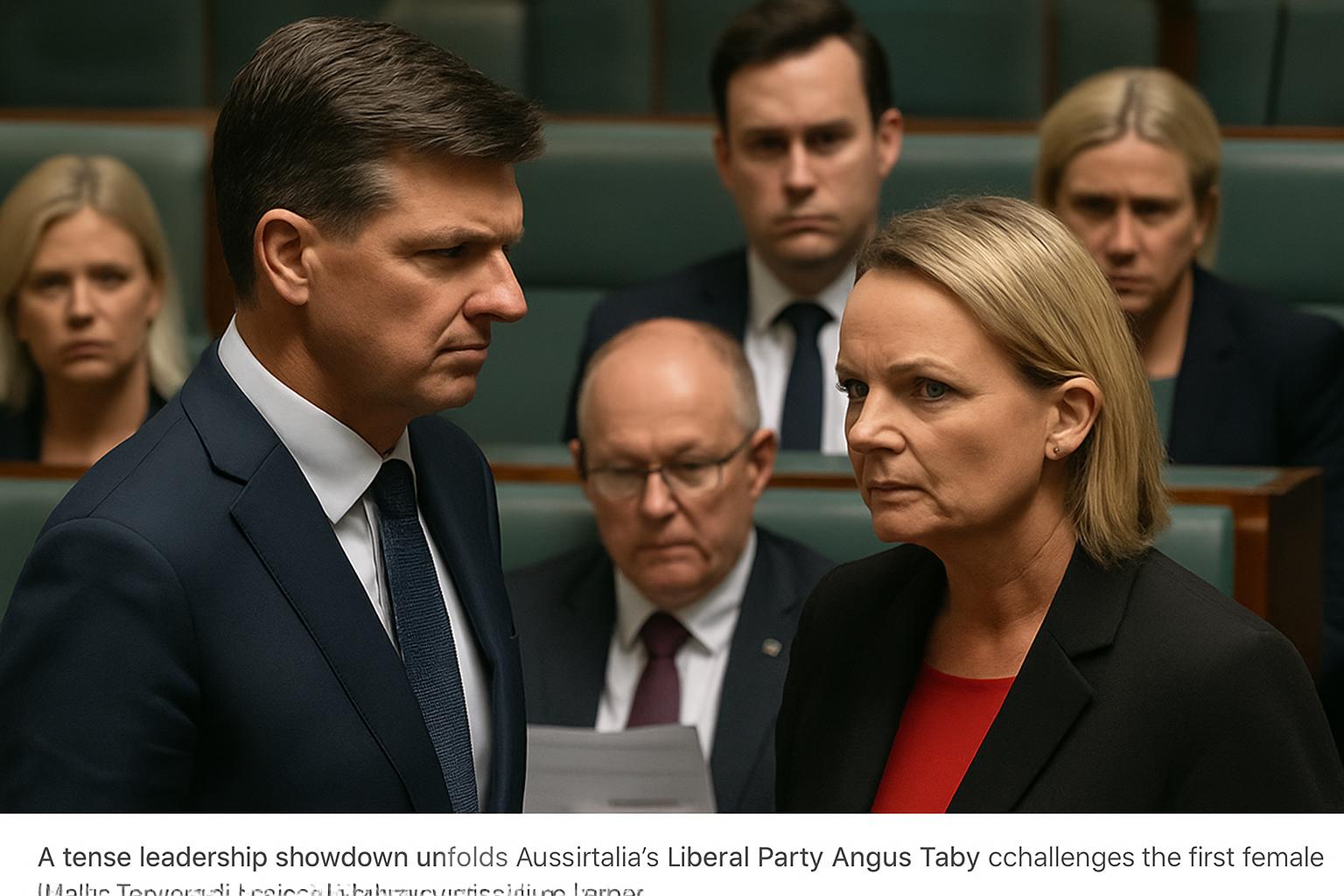
Angus Taylor Challenges Sussan Ley for Leadership of Australia's Liberal Party
NSW Moves to Ban 'Globalise the Intifada' Amidst Crackdown on Hate Speech
In This Article
HIGHLIGHTS
- New South Wales plans to ban the phrase "globalise the intifada" following the Bondi shooting, which left 15 dead.
- Premier Chris Minns is pushing for stricter hate speech and gun laws, alongside a Royal Commission into the attack.
- The Australian government announced a gun buyback scheme to remove illegal firearms from circulation.
- Protests and memorials have been held across Australia, with a national day of reflection planned.
- The proposed laws have sparked debate over protest rights and the balance between security and freedom of expression.
In the wake of the tragic Bondi shooting, which claimed 15 lives, New South Wales (NSW) is set to introduce a series of legislative measures aimed at curbing hate speech and tightening gun control. The state government, led by Premier Chris Minns, is moving to ban the phrase "globalise the intifada," which has been linked to calls for violence against Jewish communities, as part of a broader crackdown on extremist rhetoric.
Legislative Reforms and Gun Control
The Bondi attack, described as the deadliest shooting in Australia in nearly three decades, has prompted both state and federal governments to act decisively. Premier Minns announced plans to recall the state parliament to pass stricter hate speech and gun laws. These measures include a ban on displaying symbols of terrorist organizations and new powers for police to manage protests, which Minns argues are necessary to prevent further violence.
Concurrently, Prime Minister Anthony Albanese has unveiled a national gun buyback scheme aimed at collecting and destroying illegal firearms. This initiative is expected to remove hundreds of thousands of guns from circulation, reflecting a commitment to enhancing public safety.
Community Response and Memorials
The Bondi community and broader Australian public have responded with a series of heartfelt tributes. Lifeguards and surfers have organized memorials, including a poignant paddle-out at Bondi Beach. A national day of reflection is scheduled, inviting Australians to observe a minute's silence and light candles in memory of the victims.
Debate Over Protest Rights
The proposed legislative changes have sparked significant debate. Critics argue that the measures could infringe on protest rights and freedom of expression. The phrase "globalise the intifada," while seen by some as a call for violence, is viewed by others as a symbol of resistance against oppression. This dual interpretation underscores the complexity of balancing security with civil liberties.
NSW's approach has drawn both support and criticism, with some viewing the measures as necessary for public safety, while others see them as an overreach that risks stifling legitimate dissent.
WHAT THIS MIGHT MEAN
As NSW moves forward with its legislative agenda, the balance between security and civil liberties will be closely scrutinized. Legal challenges may arise, particularly concerning the constitutionality of restricting protest rights. Experts suggest that while the intent to curb hate speech is commendable, the execution must be carefully managed to avoid infringing on fundamental freedoms.
The national gun buyback scheme is likely to face logistical challenges but could significantly reduce the number of illegal firearms, enhancing public safety. The broader implications of these measures will unfold as Australia navigates the complex interplay of security, freedom, and community cohesion in the aftermath of the Bondi tragedy.
Related Articles
Canada and Australia Forge Strategic Partnership Amid Global Uncertainty
Australia Bars IS-Linked Citizen from Returning Amidst Repatriation Debate
Canada Calls for De-escalation Amid US-Israel Strikes on Iran
Prince Andrew's Arrest Raises Questions About Royal Succession and Monarchy's Future
Sydney Police Under Scrutiny Following Violent Anti-Herzog Protest
Angus Taylor Challenges Sussan Ley for Leadership of Australia's Liberal Party